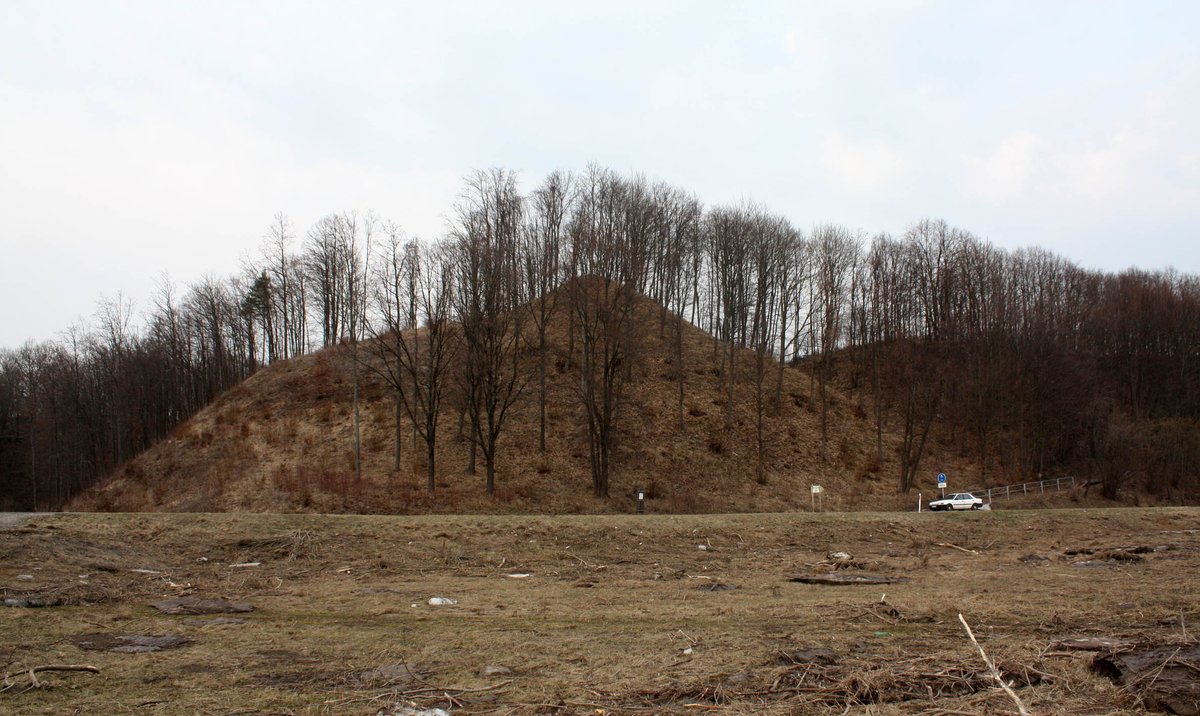

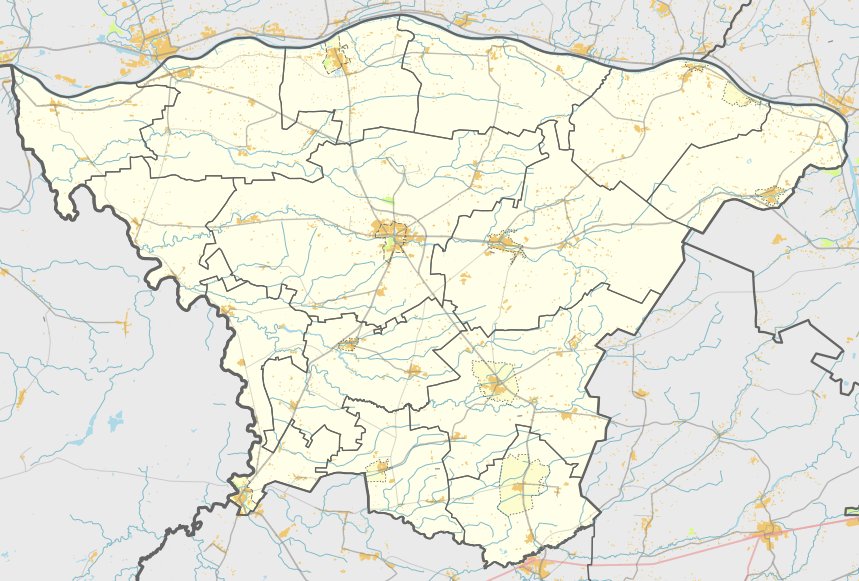
Bisenė was a wooden fortress of the Grand Duchy of Lithuania during the Lithuanian Crusade. It was one of the Lithuanian defensive outposts along the Neman River and was burned down by the Teutonic Order in 1283 and 1316. After 1985 research by Romas Batūra, the site is generally accepted to be the Kartupėnai Hillfort near the confluence of the Kartupis and Neman in the Jurbarkas District Municipality.
In the winter of 1283, the Teutonic Order launched the Lithuanian Crusade. Prussian Landmeister Konrad von Thierberg led soldiers across the frozen Neman River to attack Bisenė. The fortress fell in the afternoon and was burned to the ground. Lithuanians rebuilt the fortress, but in 1313, the Teutonic order used Christmemel as a base for further attacks. Landmeister Heinrich von Plötzke attempted to take the fort in the summer of 1313 using boats and war machines, burning the outer bailey but failing to take the main fortress.
Bisenė was manned by a Lithuanian garrison in one-month shifts, a weakness exploited by the Teutons. Between 1307 and 1315, the Order killed many Lithuanians returning home after their shifts. On 4 April 1316, the Teutons took advantage of a moment when the fortress was left unattended during a shift rotation and burned it down. This time the fortress was not rebuilt.
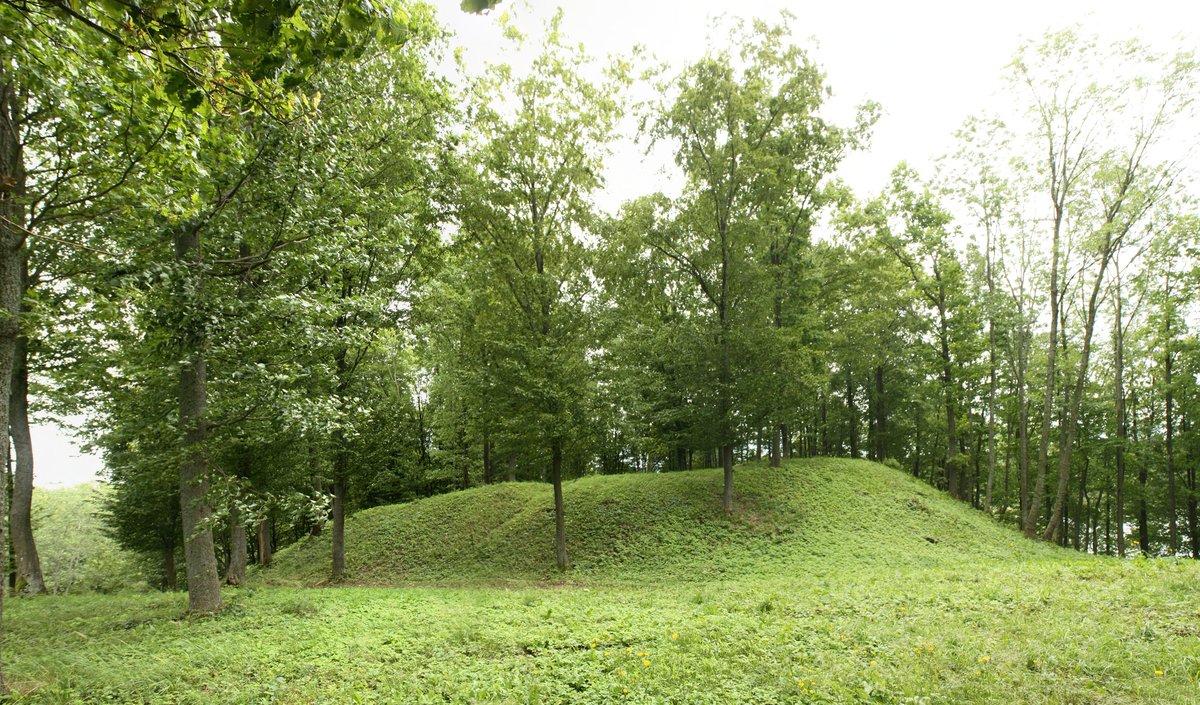
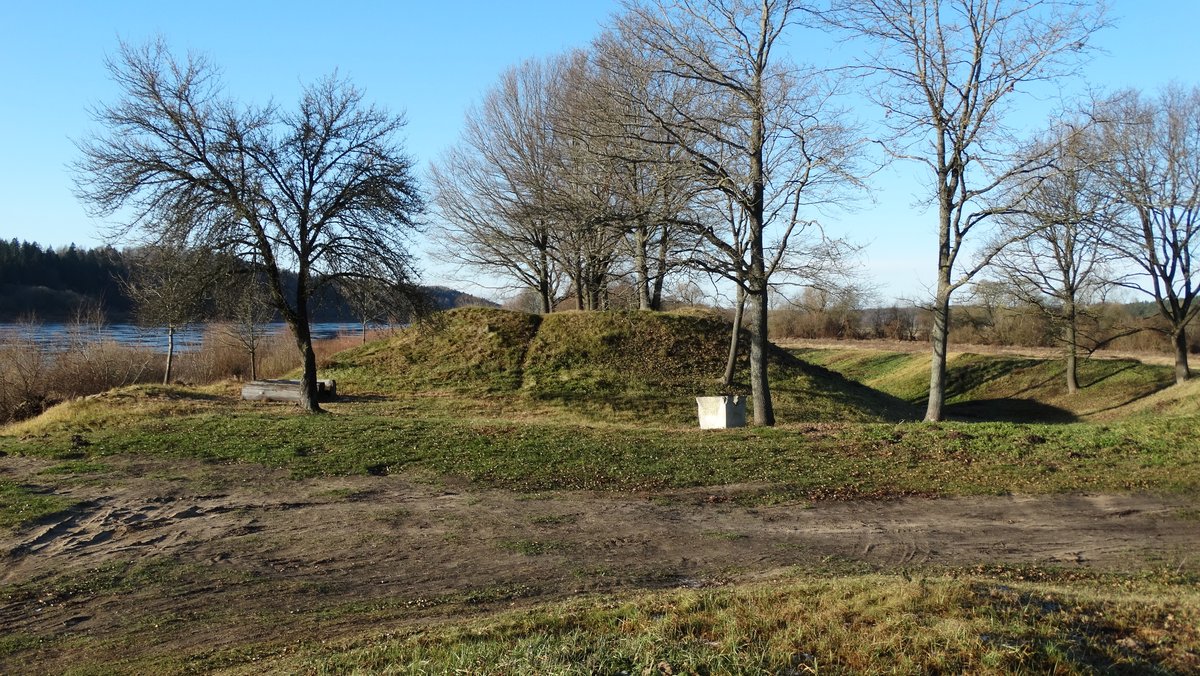
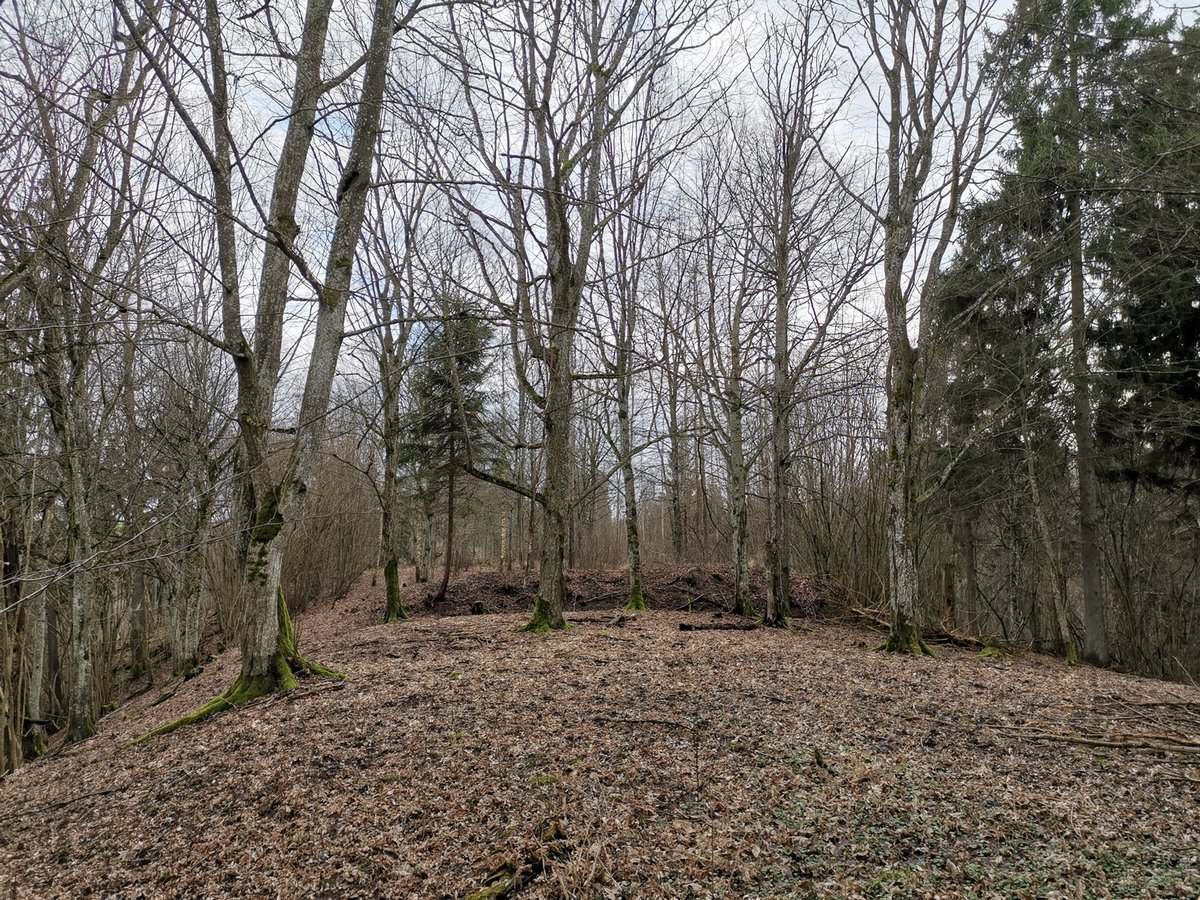
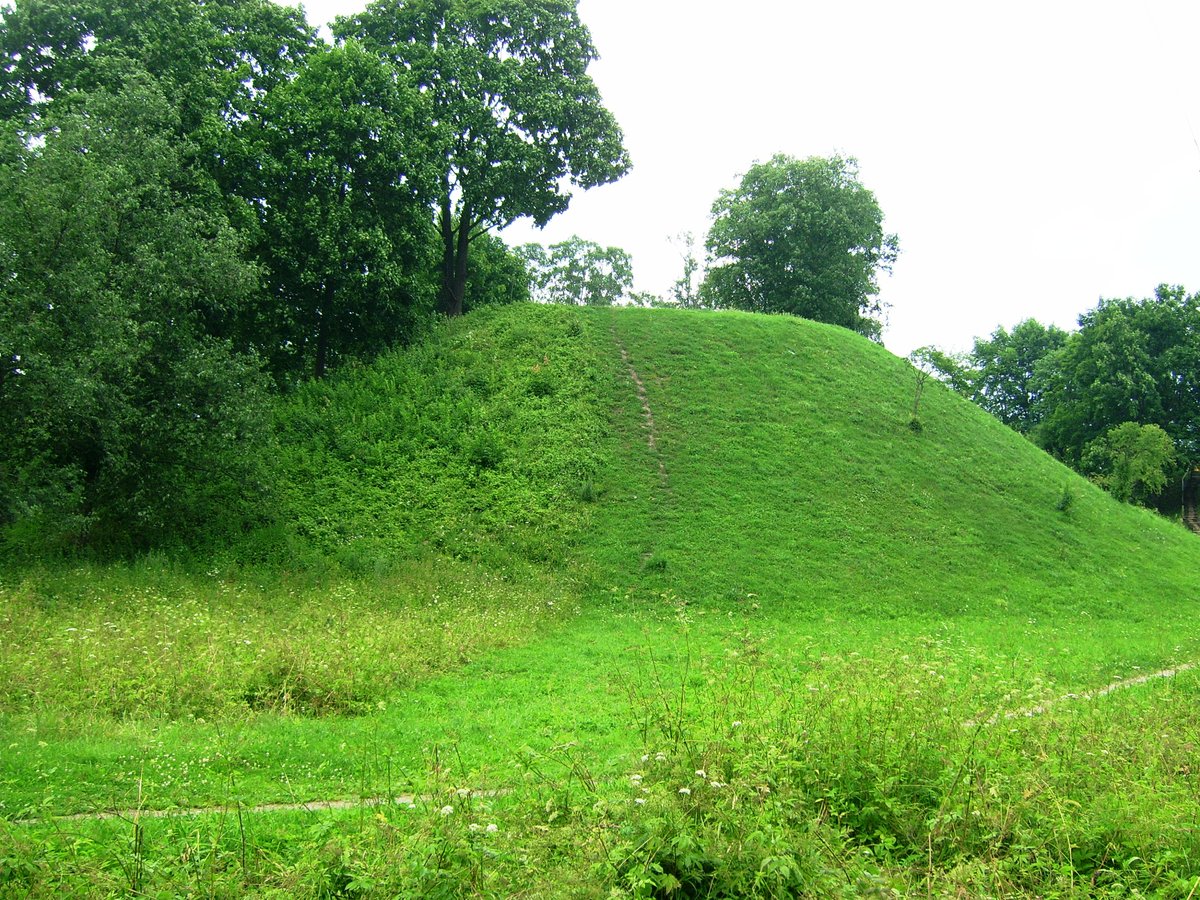
Preliminary observations of the Kartupėnai Hill Fort show it was 50 m x 30 m along the east-west axis. It was surrounded by wooden walls and steep slopes 20 m in height. The eastern side had a rampart 7 m in height and 21 m in width, which transitions into a ditch 2.5 m deep and 25 m wide. To the east of the hill fort is a settlement covering 1.3 ha that has not been archaeologically excavated.
Sources: Wikipedia, OpenStreetMap, Wikidata, Wikimedia Commons

Written by Nicolo Ciampini
Discuss this with the author and others
No comments yet. Be the first to start the conversation.