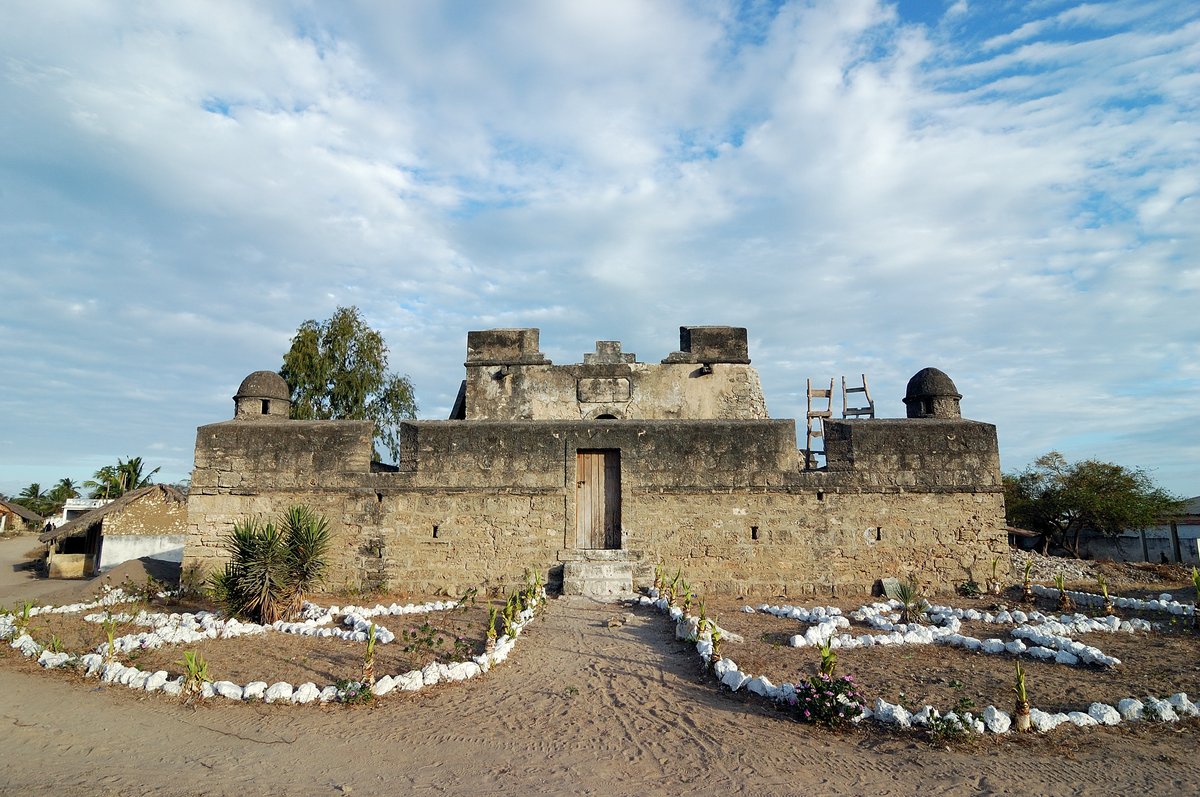

The village of Ibo, located in the Quirimbas archipelago, reached its economic peak through the slave trade. This period of prosperity was eventually followed by a slow economic decline following the abolition of the trade, concluding with the transfer of the administration to Pemba in 1929. To defend the village, several fortifications were established, including the Fortim de São José do Ibo, which was the first fortification built on the island in 1760.
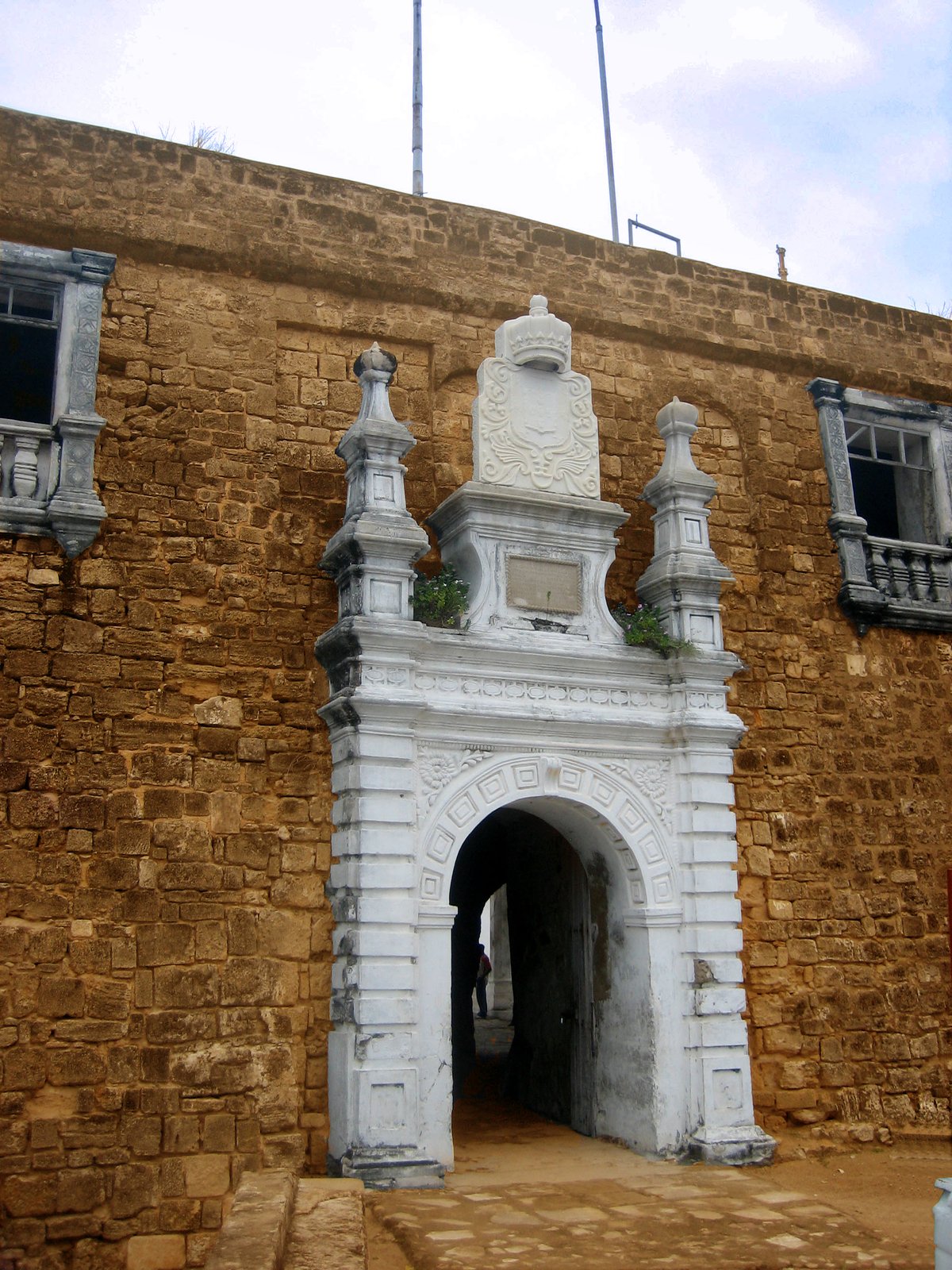
The Fortim de São José was a rectangular structure containing buildings for troop quarters and a warehouse. It lost its military function when the Fortaleza de São João Batista was built. This later fortress featured a star-shaped polygonal plan and could house approximately 300 men. Built in 1781 and considered the second fortification of Mozambique due to its size and construction technique, it was armed with fifteen iron pieces and included a chapel built in 1795.
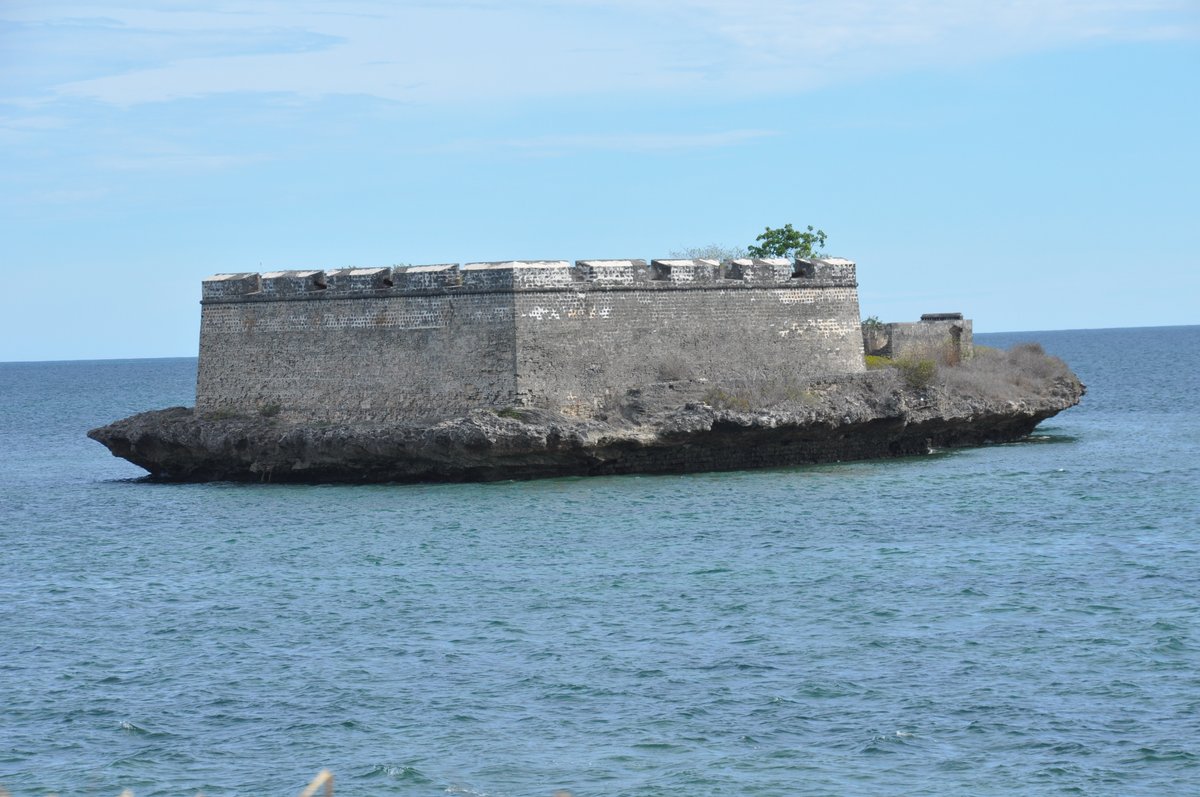
To the south-southeast of the village stands the Fortim de Santo António, the final defensive piece of the Ibo port. Built on coral rock, this small fort features a quadrangular plan measuring 16.75 meters wide by 17.35 meters deep. It features a wall nearly 1.93 meters high and a central bastion 3.5 meters tall, topped with a mast for flying the royal flag. From this point, ships could be seen from a great distance, and occurrences were transmitted via signals to the Governor's residence.
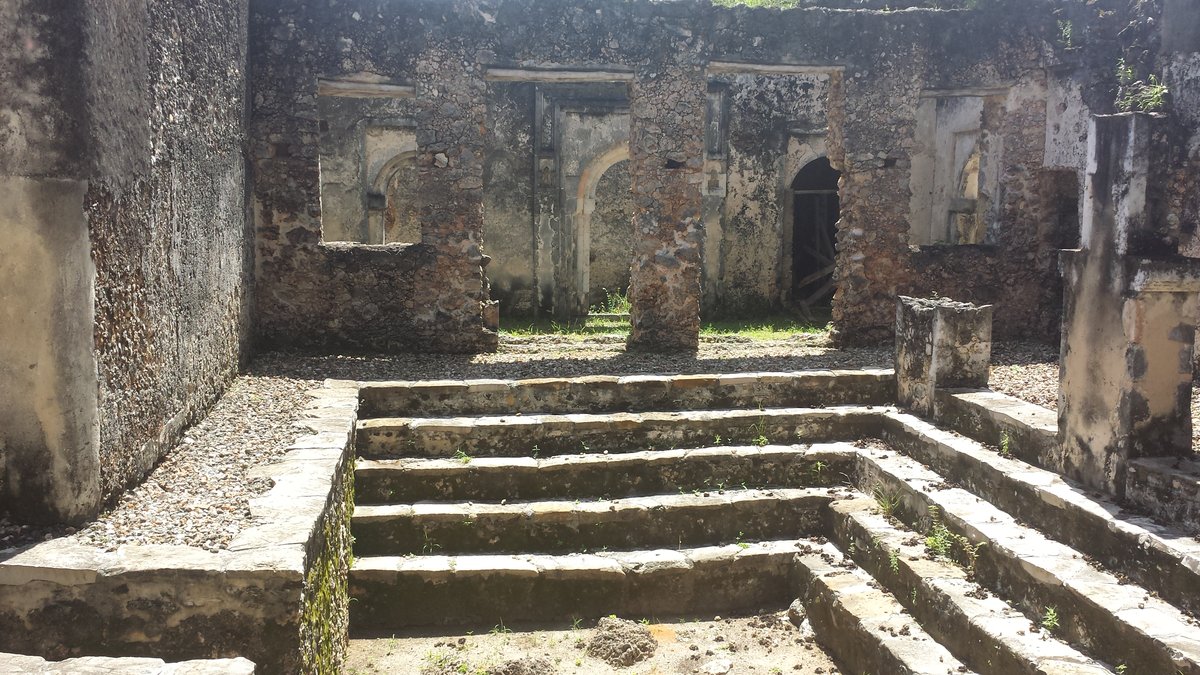
These ruins remain as historical markers of the island's past. The Fortim de São José was restored in 1945, while the Fortaleza de São João Batista received restoration work in 1963. Today, the structures stand as part of the built heritage of the region, marking a time when the village served as a significant administrative and economic hub.
Sources: Wikipedia, OpenStreetMap, Wikidata, Wikimedia Commons
Written by Mutabor
Discuss this with the author and others
No comments yet. Be the first to start the conversation.