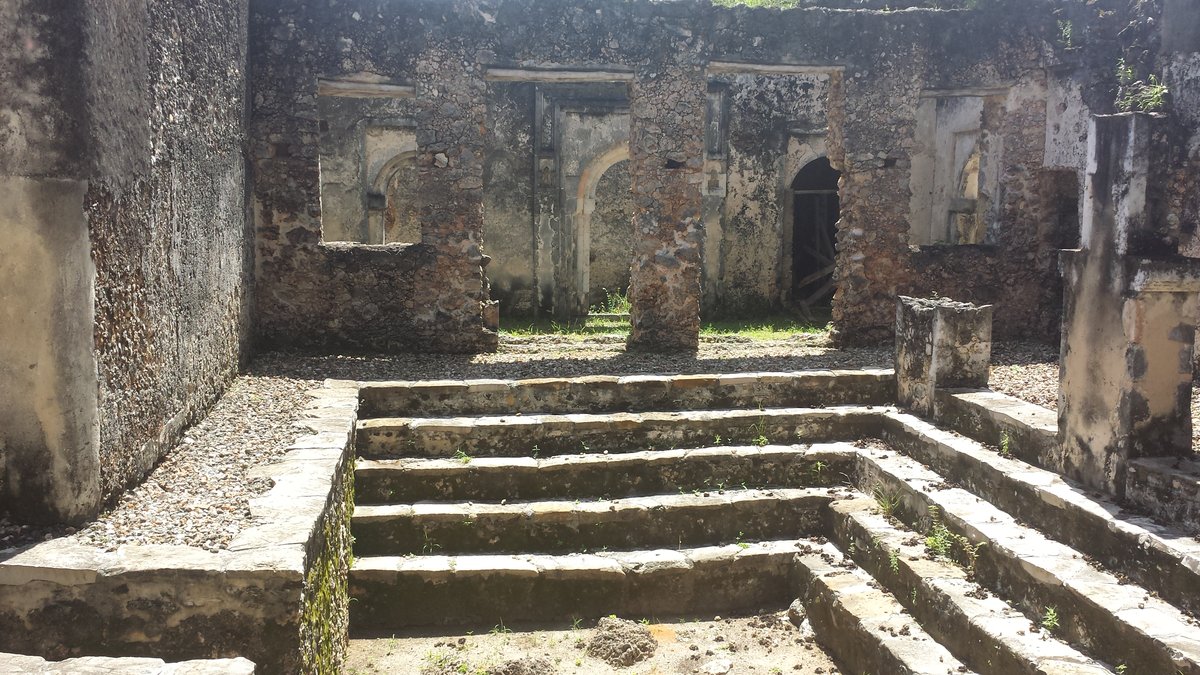

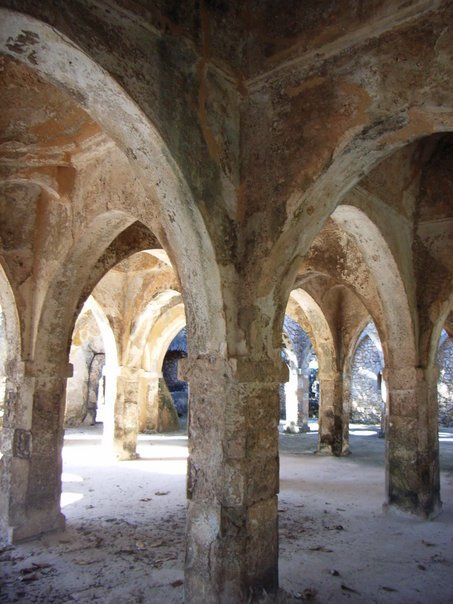
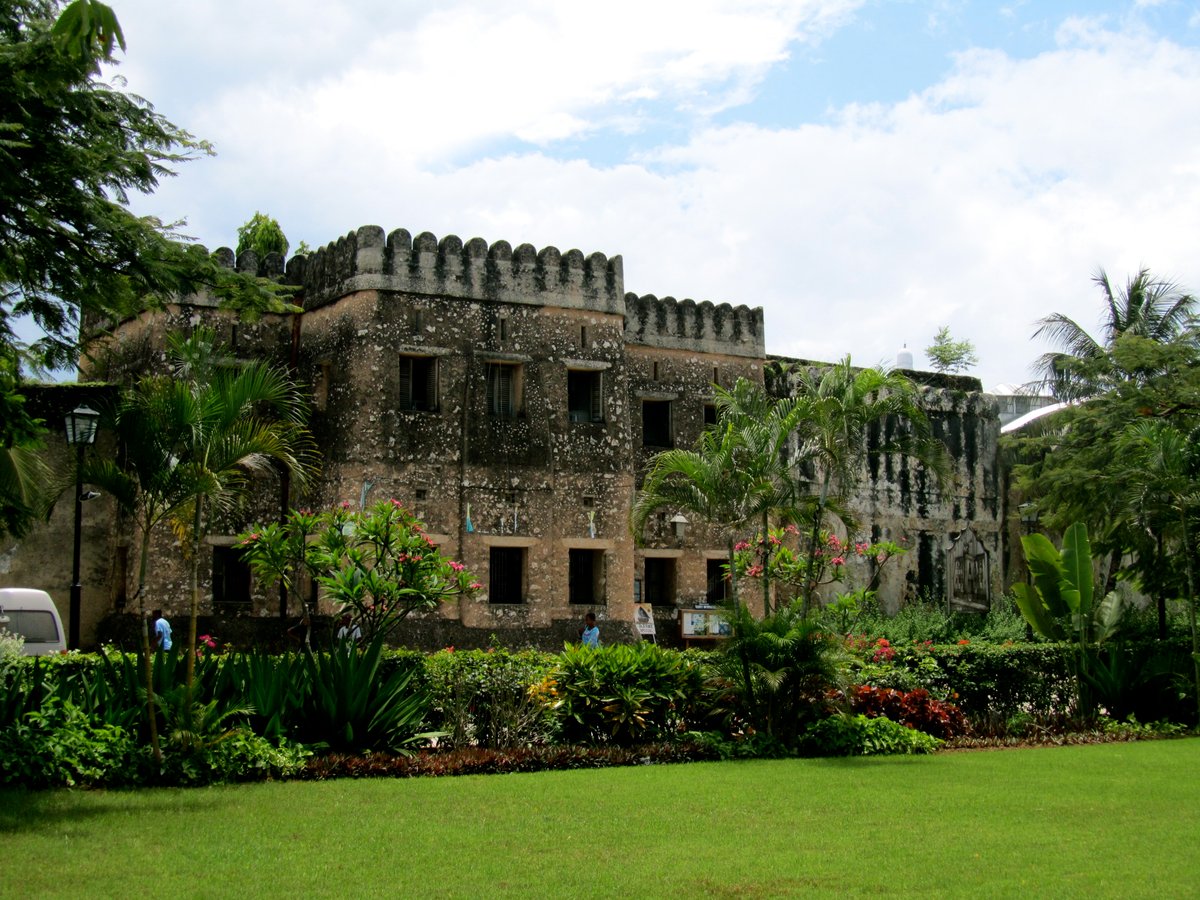
Songo Mnara is a historic Swahili settlement located on Songo Mnara Island in the Lindi Region of Tanzania. Occupied from the 14th to 16th centuries, this Medieval Swahili stone town was built as one of many trade towns along the Indian Ocean. Constructed from rough-coral and mortar, the settlement includes a unique wall and was recognized as a UNESCO World Heritage Site along with the nearby stone town of Kilwa Kisiwani.
Archaeologists have identified six mosques, four cemeteries, and two dozen house blocks, along with three enclosed open spaces on the island. Excavations of these structures, including over 40 houses surrounding the stone town, have helped researchers understand the layout of Swahili coastal towns. By analyzing the relationship between mosques and houses, experts aim to understand the functions of specific towns and the complex economic and ritual processes of land ownership.
Recent excavations have uncovered artifacts such as coins dating from the 11th to 16th centuries, including types like Nāsir al-Dunya and ‘Ali b. al-Hasan. Trade history is further evidenced by ceramic shards, including blue-and-white porcelain from China and green-glazed stoneware from Southeast Asia. These findings provide a window into the bustling maritime trade and the diverse cultural influences that shaped the Swahili Coast.
Sources: Wikipedia, OpenStreetMap, Wikidata, Wikimedia Commons




Written by Mutabor
Discuss this with the author and others
No comments yet. Be the first to start the conversation.