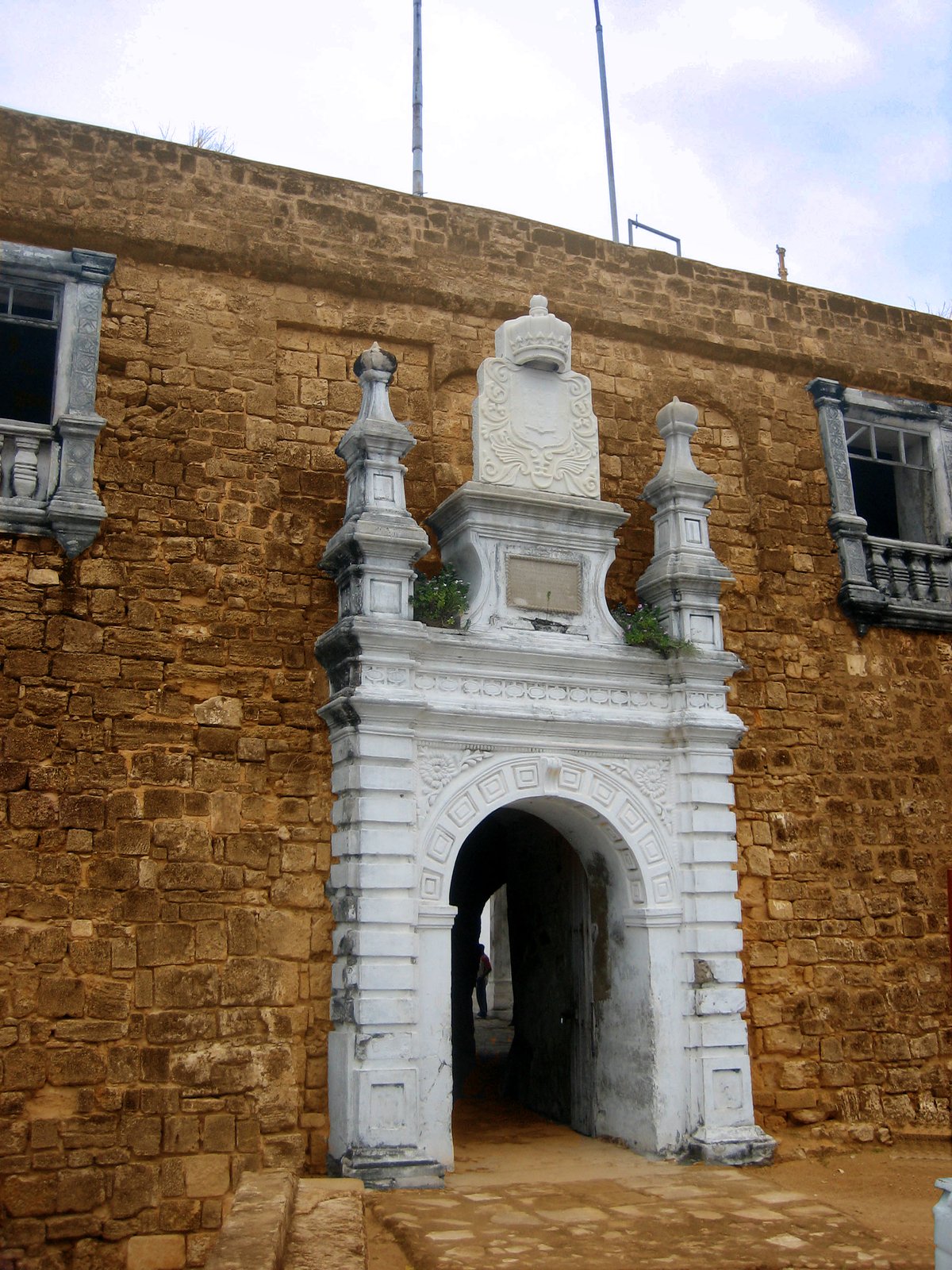

The Fort of São Sebastião, a monument ancient as time itself, stands proudly at the north end of Stone Town, on the Island of Mozambique. Constructed by the Portuguese, it was the first of its kind to be fully completed in sub-Saharan Africa, in the year 1558, after a half-century's toil. Beyond its sturdy walls lies the Chapel of Nossa Senhora de Baluarte, a building of European origins, erected in 1522, making it the oldest surviving European edifice in the southern hemisphere.
This chapel also showcases one of the finest examples of Manueline vaulted architecture in Mozambique. In the year 2013, the Zamani Project, a non-profit research group hailing from the University of Cape Town, South Africa, meticulously documented the Fort of São Sebastião with terrestrial 3D laser scanning. This data serves as an enduring record, available for research, teaching, restoration, and conservation. Therefore, when you visit the fort, remember that you tread a path trodden by sailors, adventurers, and storytellers of yore. Fascinating secrets may still reverberate within its walls, like the echoes of forgotten tales.
Sources: Wikipedia, OpenStreetMap, Wikidata, Wikimedia Commons
Written by Mutabor
Discuss this with the author and others
No comments yet. Be the first to start the conversation.