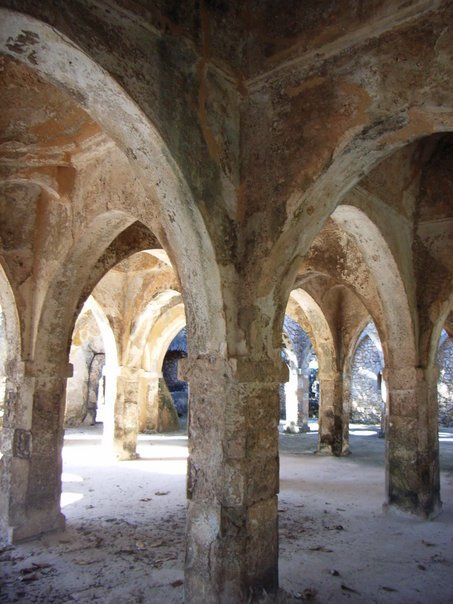

In the 9th century, a small spark of life caught on an island in the Lindi region. It grew into a sultanate so wealthy it minted its own coins for five hundred years. These coins have been found across the region, including Great Zimbabwe, as the city became an important center for trade.
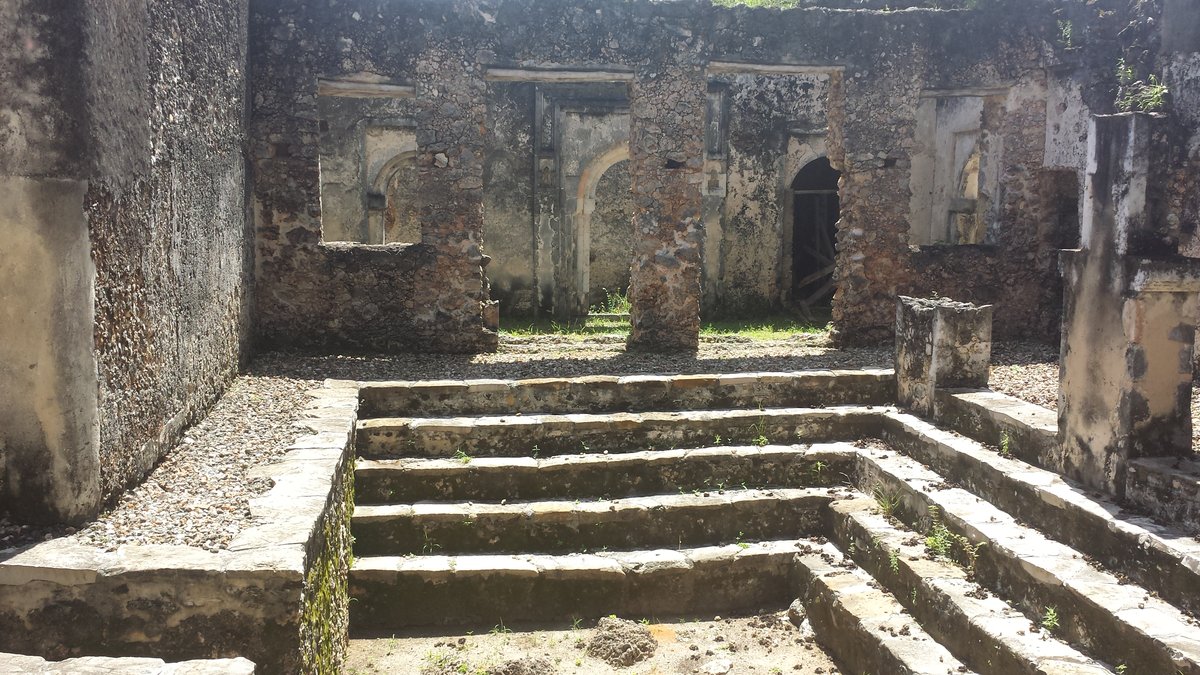
By the 13th century, the wattle-and-daub of the old world gave way to stone buildings. The wealthier residents owned exotic textiles and foreign ceramics. The city's growth was influenced by trade connections with the Arabian Peninsula, India, and China - and while it adapted Islamic words and customs, its origins are African.
In July 1505, the Portuguese Empire sacked and burnt the city to the ground. The Sultanate fell, leaving many questions about the town's layout unanswered. Much of the history of the site remains to be explored, as many historical artifacts and buildings have not yet been excavated.
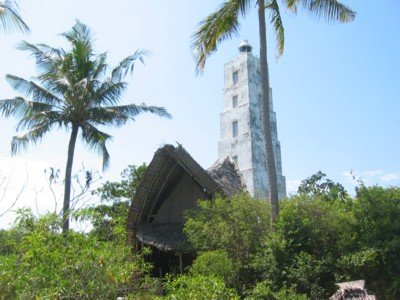
Today, the island is a quiet hamlet of around 1,150 residents, where the only electricity is generated from solar power and the water comes from wells used for over a millennium. To visit the ruins, one must be granted permission from the tourist center in Kilwa Masoko. Visitors arrive by boat to see the remains of a city that once held over 10,000 people, where the soil is thin and the memory of the gold trade remains part of its history.
Sources: Wikipedia, OpenStreetMap, Wikidata, Wikimedia Commons
Written by Mutabor
Discuss this with the author and others
No comments yet. Be the first to start the conversation.