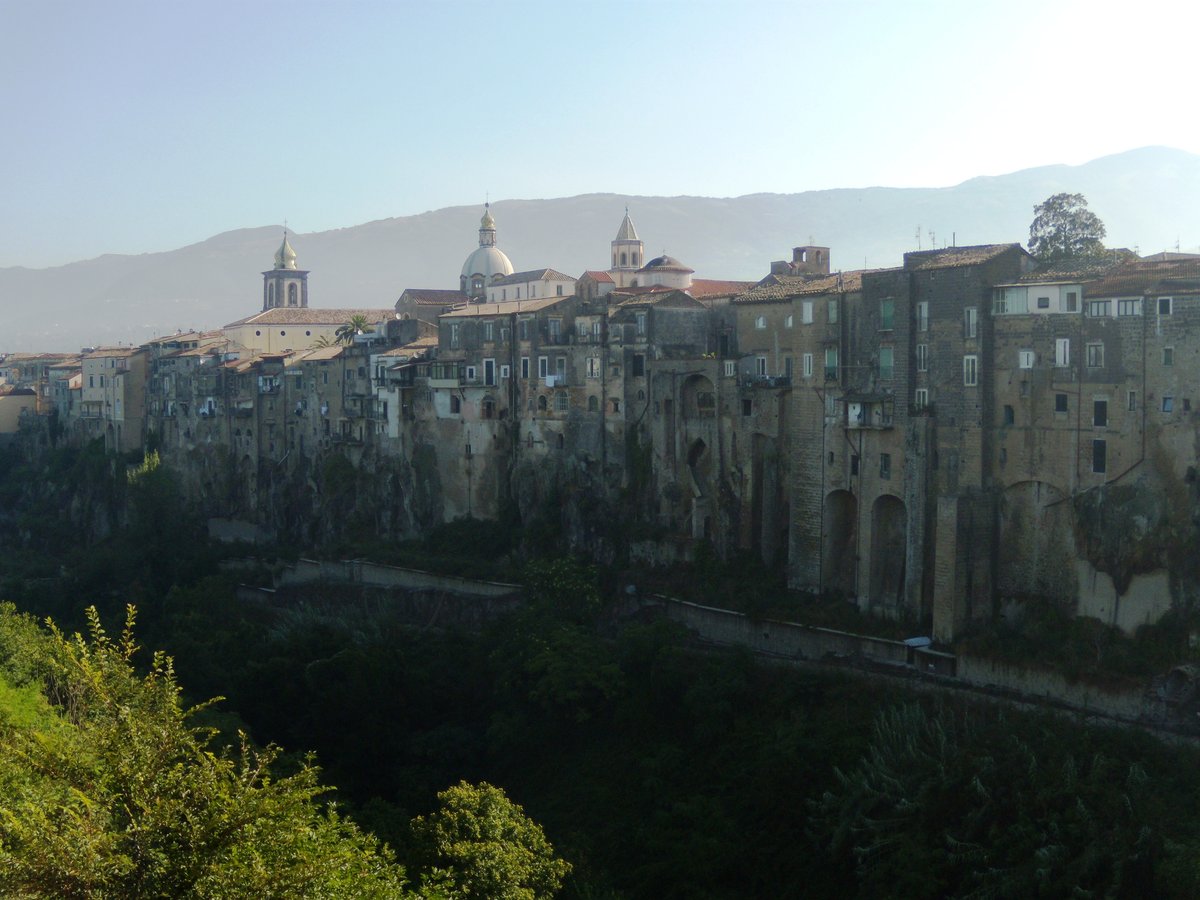

Having begun as a Roman castra, Sant'Agata de' Goti rose to become a strategic hub under Byzantine rule and, subsequently, the Normans. This commune in the Campania region of Italy presents an intriguing peek into a time marred by warfare and political machinations. The Norman period brought about a drastic change in urban design, with the erection of a formidable fortified wall, capitalizing on pre-existing quarries. The city witnessed a series of contests among local barons and the Sicilian crown, with Roger II finally securing control in 1139. The Cathedral, dating from the 10th century, boasts a Romanesque crypt. Additionally, the Church of San Menna, dating back to the same century, and the Church of the Annunziata, erected in the 13th century, merit attention.
Sources: Wikipedia, OpenStreetMap, Wikidata, Wikimedia Commons
Written by Nicolo Ciampini
Discuss this with the author and others
No comments yet. Be the first to start the conversation.