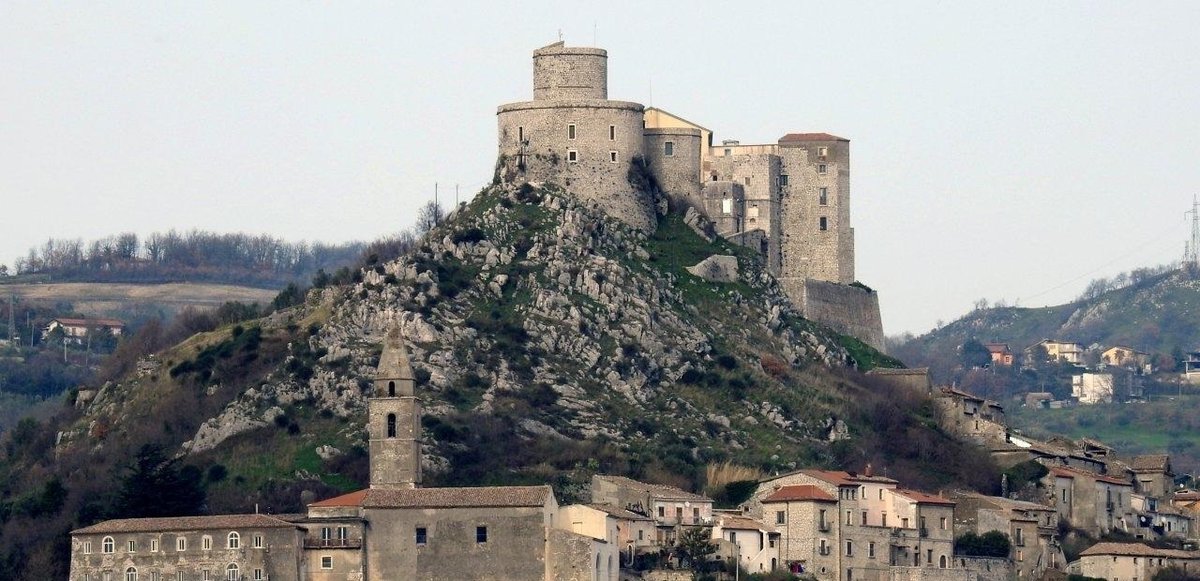

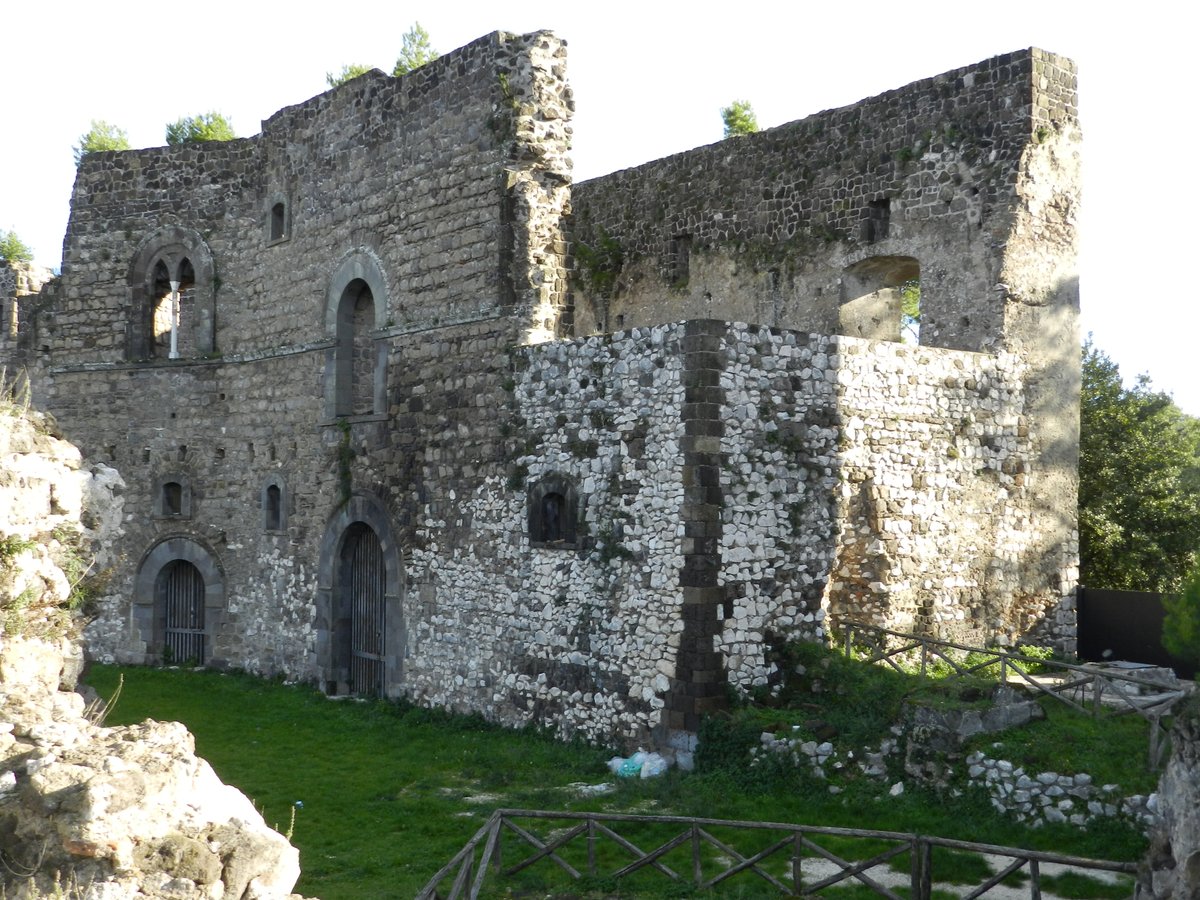
The Castello di Montesarchio spent a large portion of its life as a cage. It sits atop Monte Taburno, a defensive spot that saw occupations by Lombards and Normans. The present structure was mainly erected during the Aragonese rule of the Kingdom.
The crown had a habit of confiscating the site. In 1532, it was given to the Marquis of the Vasto, Alfonso II d’Avalos. By 1830, the kingdom took it back and turned it into a prison. It held mid-19th-century patriots such as Carlo Poerio, Sigismondo Castromediano, Michele Pironti, and Nicola Nisco.
It remained a prison until the end of the Second World War. During the 1960s, it served as an orphanage, the Istituto Mater Orphanorum.
Today, it has finally retired from its era of containment. Since 2007, it has housed the Museo Archeologico Nazionale del Sannio Caudino di Montesarchio. It is a regional museum, finally letting people see the history of the area without being locked inside.
Sources: Wikipedia, OpenStreetMap, Wikidata, Wikimedia Commons
Written by Nicolo Ciampini
Discuss this with the author and others
No comments yet. Be the first to start the conversation.