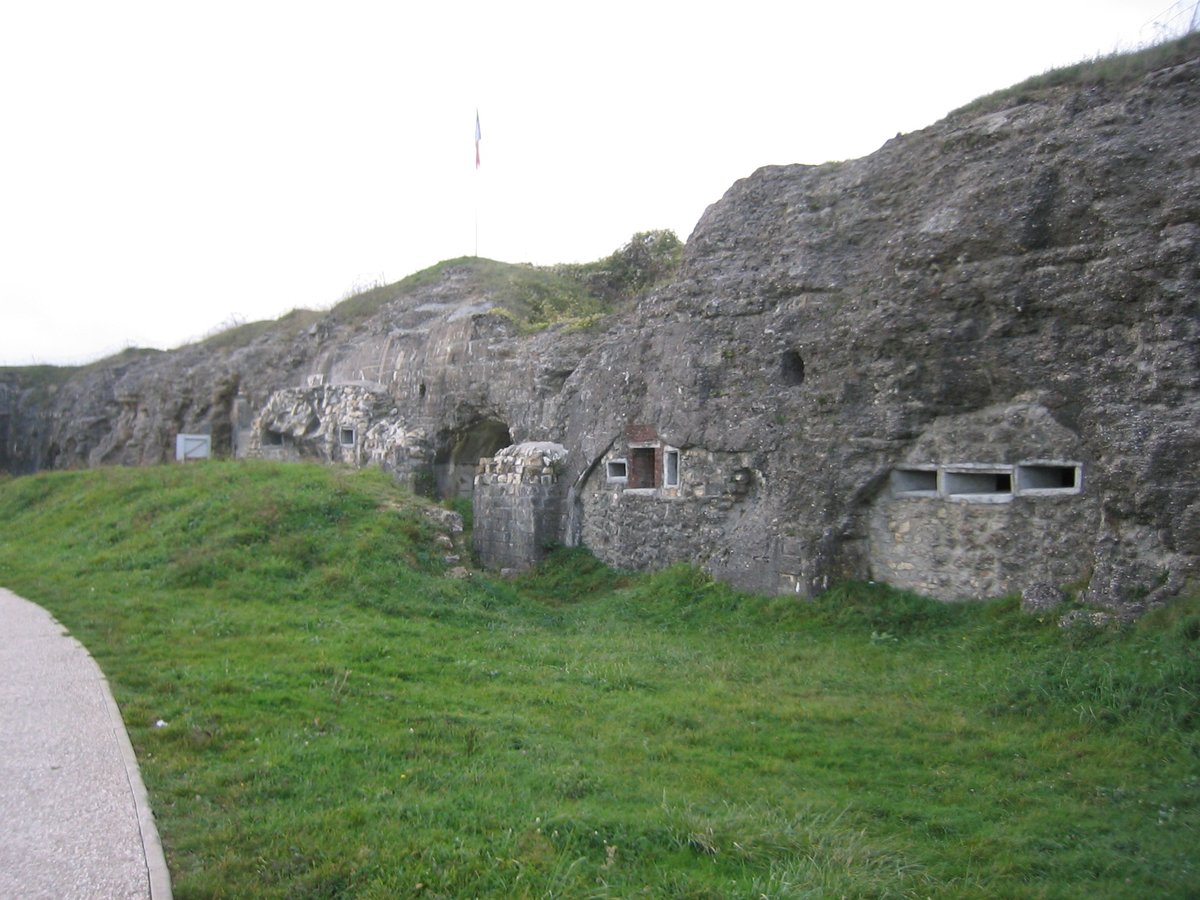

Fort Douaumont was the largest and highest fort on the ring of defensive works protecting the city of Verdun. Constructed on high ground near the village of Douaumont, the fort was reinforced until 1913 with a steel reinforced concrete roof 12 metres thick resting on a sand cushion. By 1915, the French military judged the forts ineffective against German 420 mm Gamma guns and had partially disarmed Douaumont. The garrison was reduced to a maintenance crew of 56 troops and a few gunners, and many of the fort's defensive features, including the wall casemates, were left unoccupied.
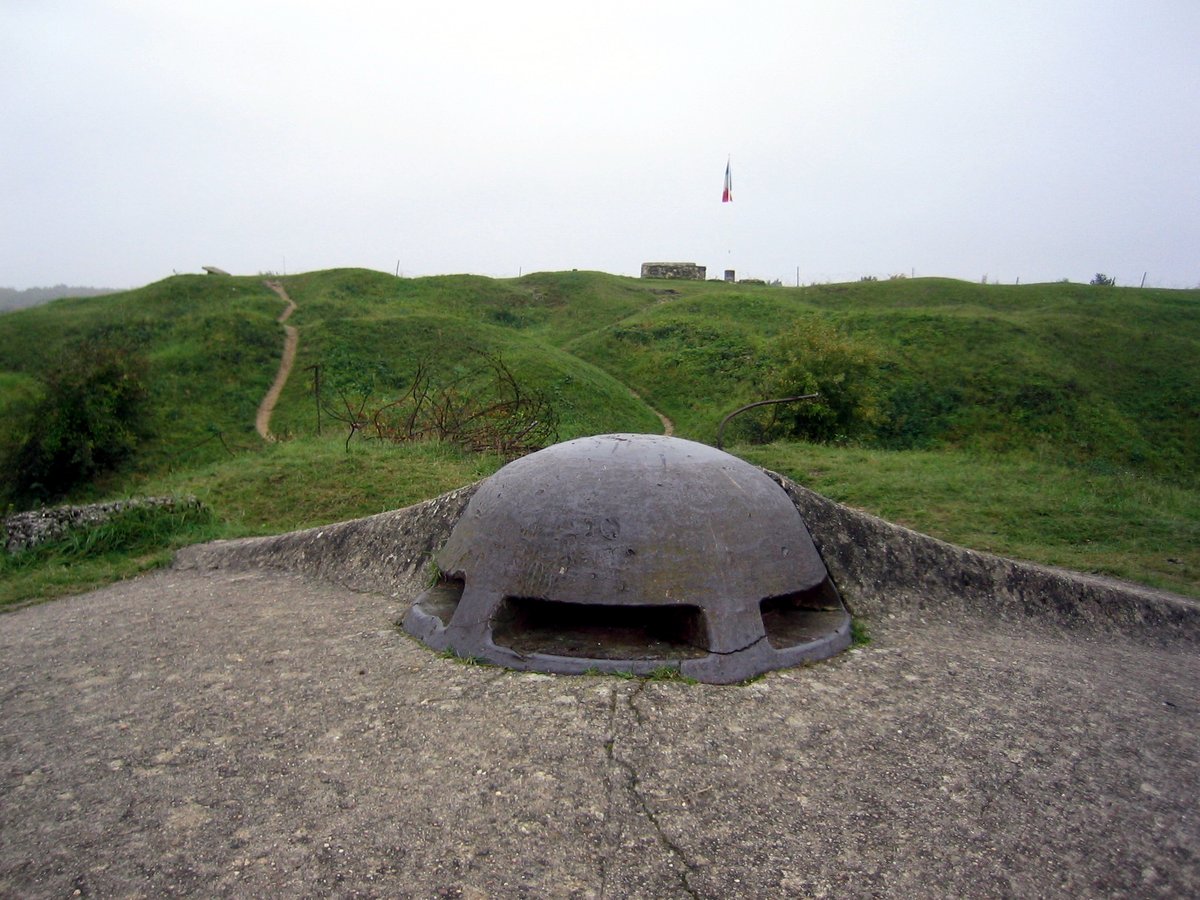
On 25 February 1916, elements of the German 24th Brandenburg Regiment approached the fort from the north. While some French defenders had moved to lower levels to escape shelling, the fort's observation cupolas were empty. Poor weather and low visibility caused French machine gunners in the village to mistake the approaching Germans for their own colonial troops. Ten combat engineers led by Pioneer-Sergeant Kunze managed to reach the moat unopposed, finding the wall casemates unoccupied. Kunze climbed into one of the casemates to open a door and entered the tunnels alone.
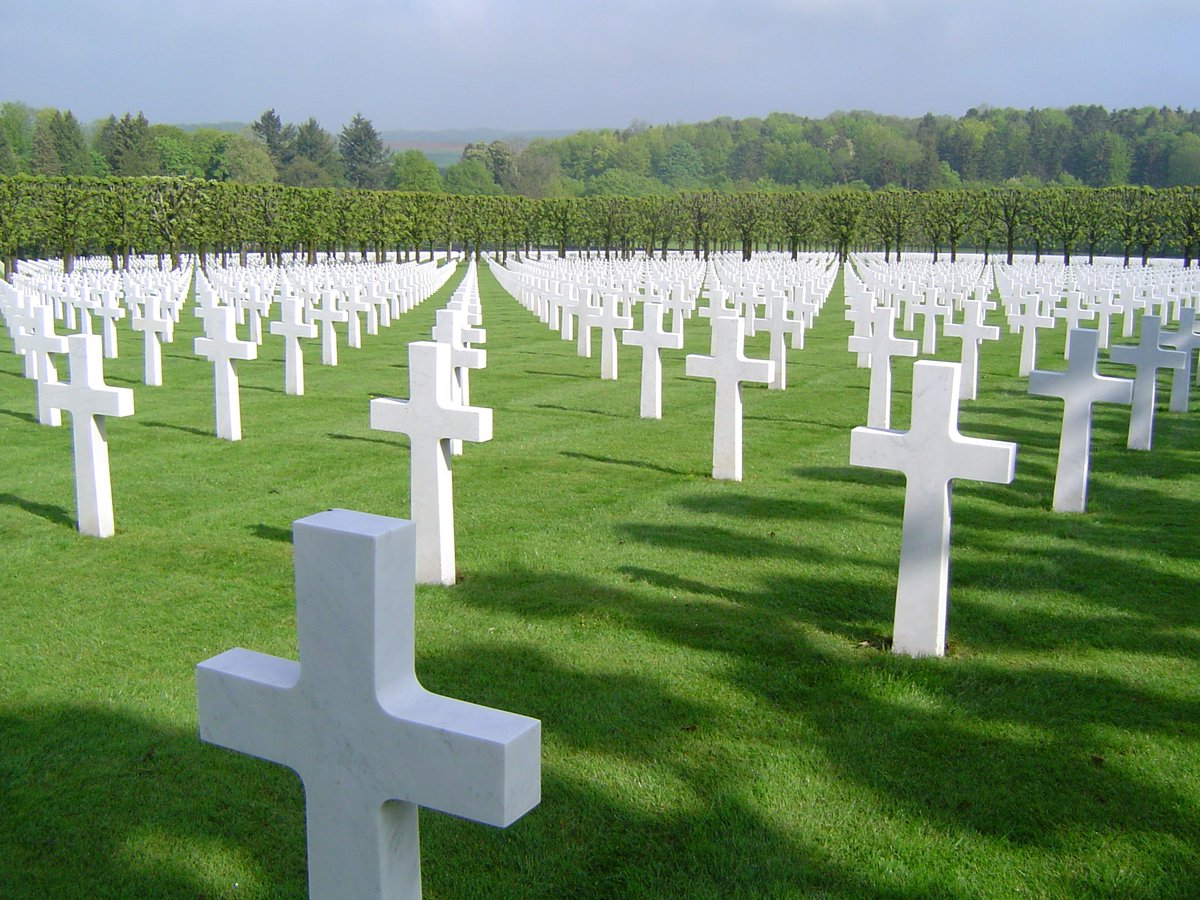
Inside, Kunse found an artillery team manning the 155 mm gun turret and captured them. Another group of German troops led by Lieutenant Radtke soon entered through the unoccupied defences, organizing the men and securing the fort. No shots were fired during the capture. The fort remained in German hands until it was recaptured by three infantry divisions of the Second Army on 24 October 1916, following a battle that lasted nine months at enormous human cost.
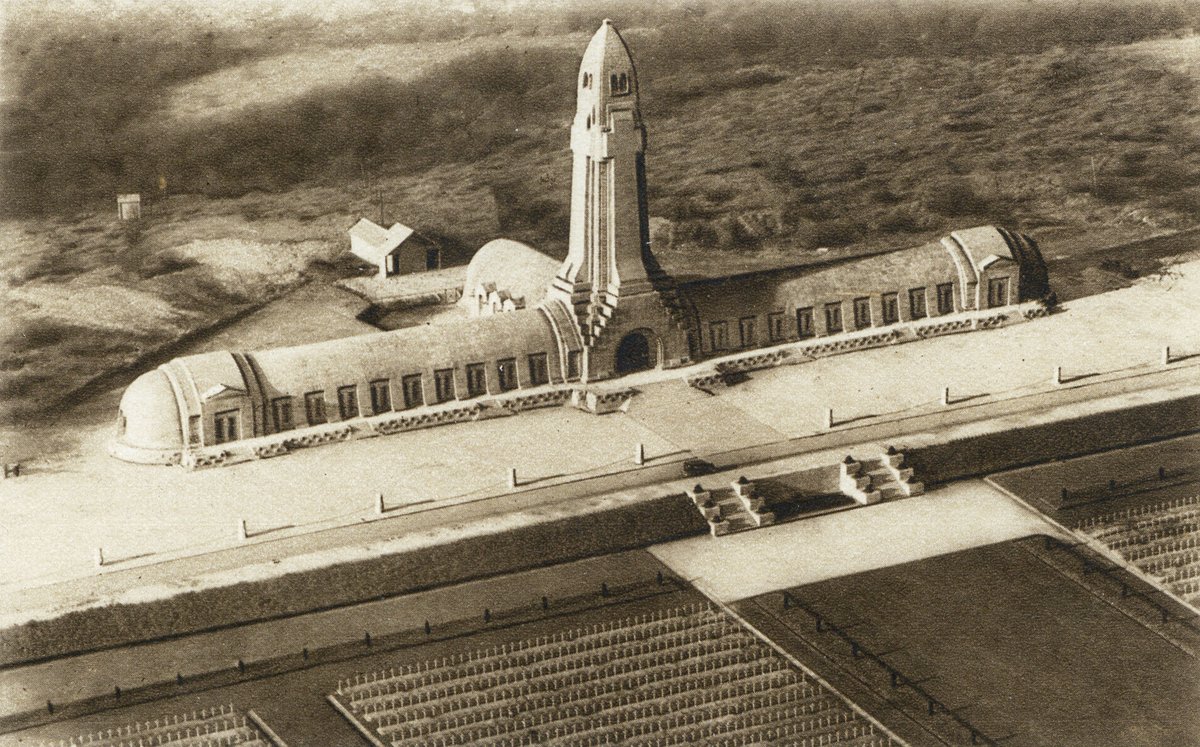
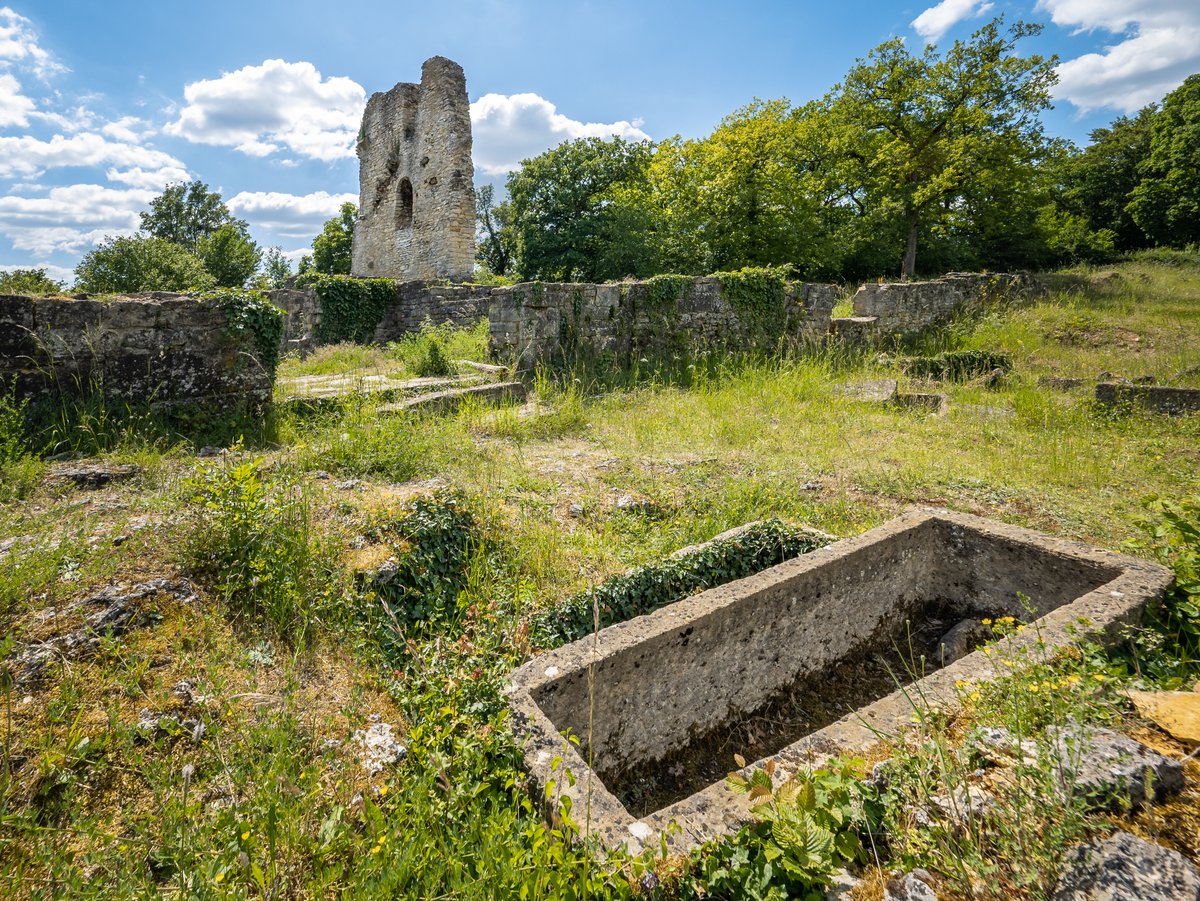
Today, the ruins of Fort Douaumont remain as a historic site. The structure stands as a testament to the massive scale of the fortifications built during that era. It serves as a physical record of the shift in military planning forced by the destruction of Belgian forts in 1914 and the subsequent heavy fighting of the Battle of Verdun.
Sources: Wikipedia, OpenStreetMap, Wikidata, Wikimedia Commons
Written by Nicolo Ciampini
Discuss this with the author and others
No comments yet. Be the first to start the conversation.