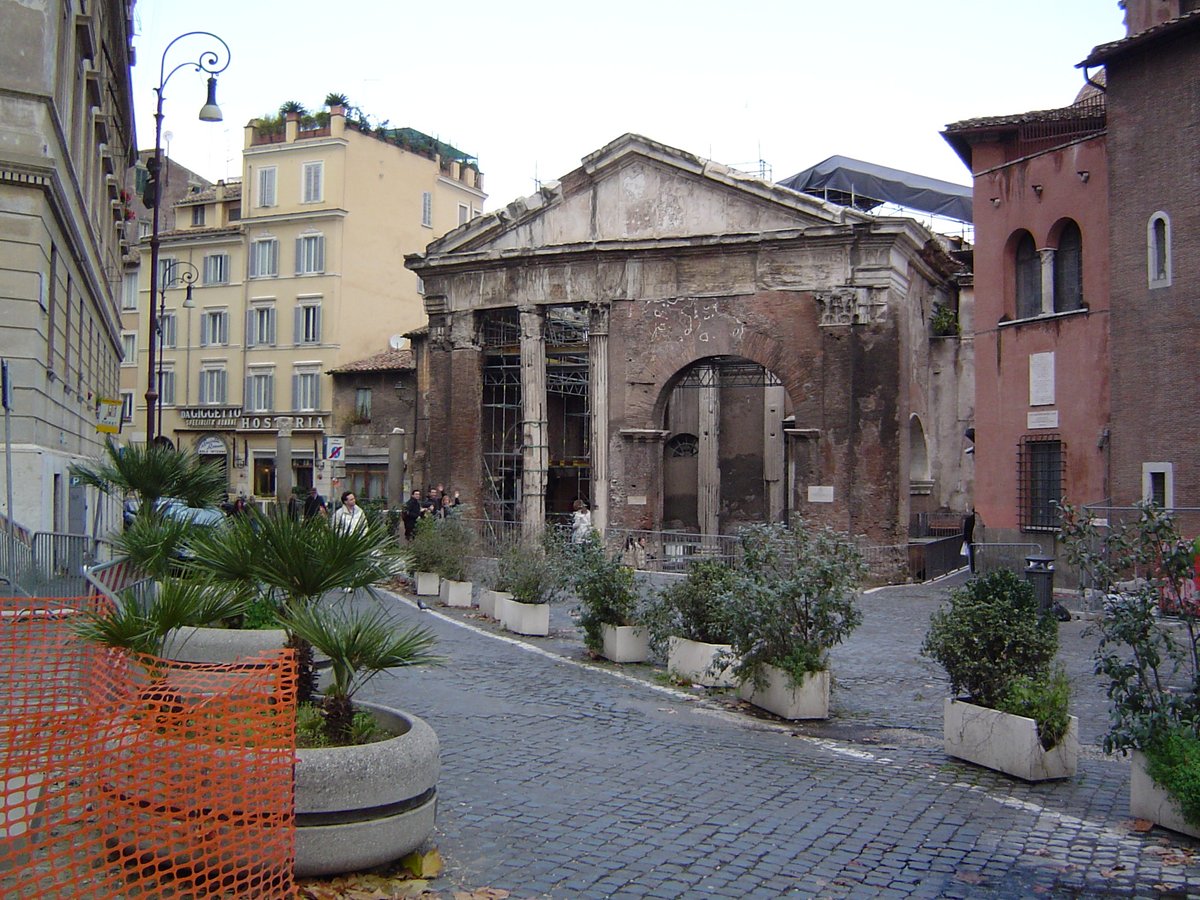

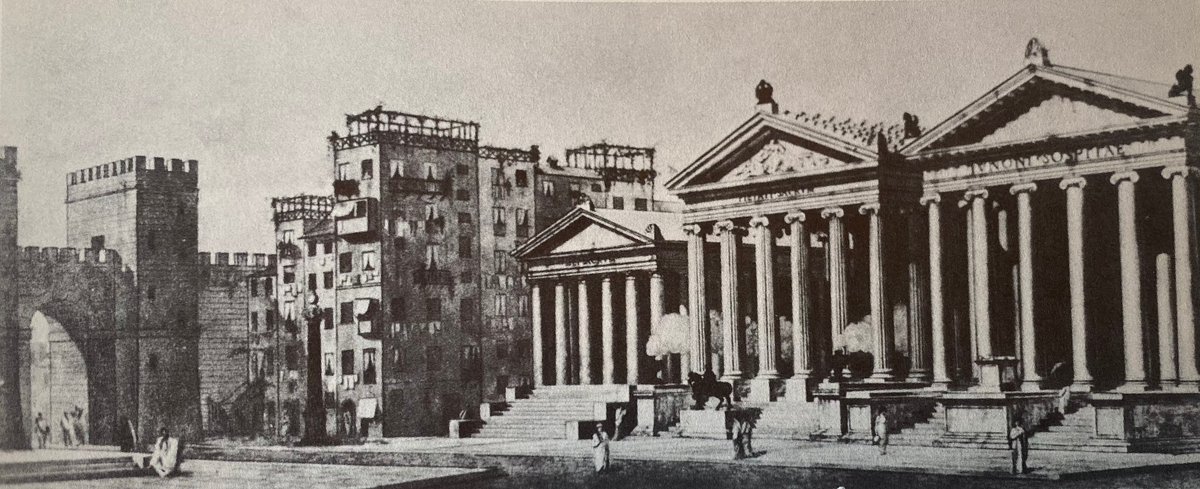
The Roman Senate held its meetings inside the Curia Octaviae, which was part of a portico housing Greek and Latin libraries alongside the Temples of Juno Regina and Jupiter Stator. The structure also contained lecture rooms, and Pliny the Elder referred to the entire complex as the works of Octavia.
Nature and disaster took their toll through fires and earthquakes. After fires in AD 80 and 203, the structures were restored, and the site was adorned with foreign marble and famous works of art. An earthquake in 442 damaged the portico, and two of the destroyed columns were replaced with an archway that still stands today.
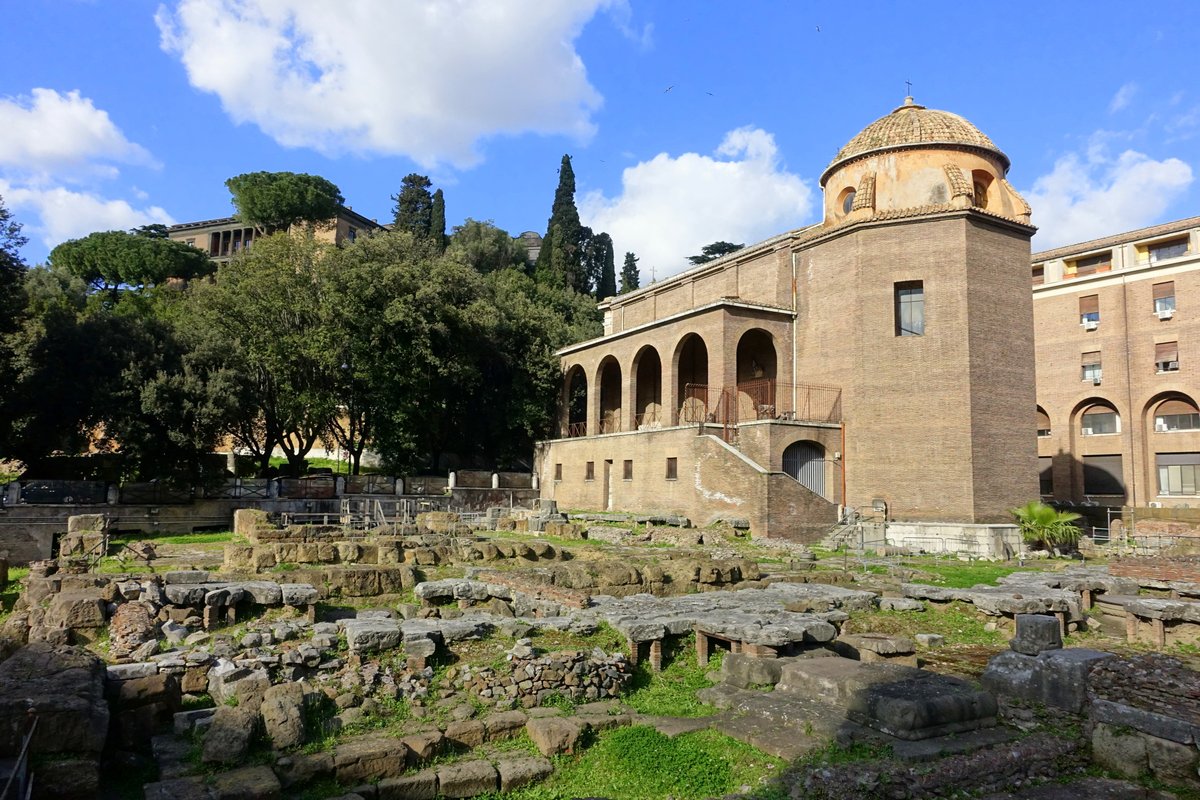
The structure was used as a fish market from the medieval period up to the end of the 19th century. The church of Sant'Angelo in Pescheria was built on its ruins around 770, a name that commemorates the portico's role as a fish market. The building, located in the Sant'Angelo rione, represented the center of the medieval Roman Ghetto.
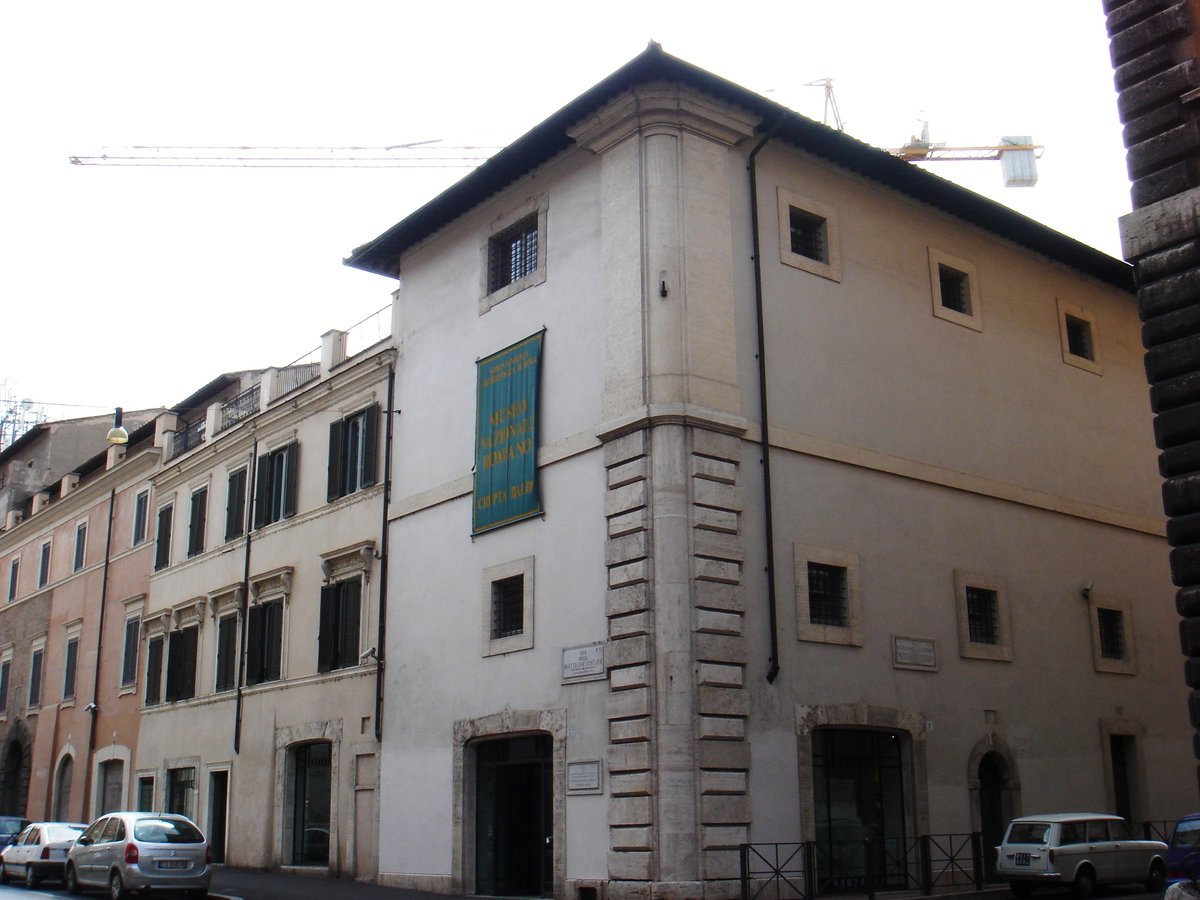
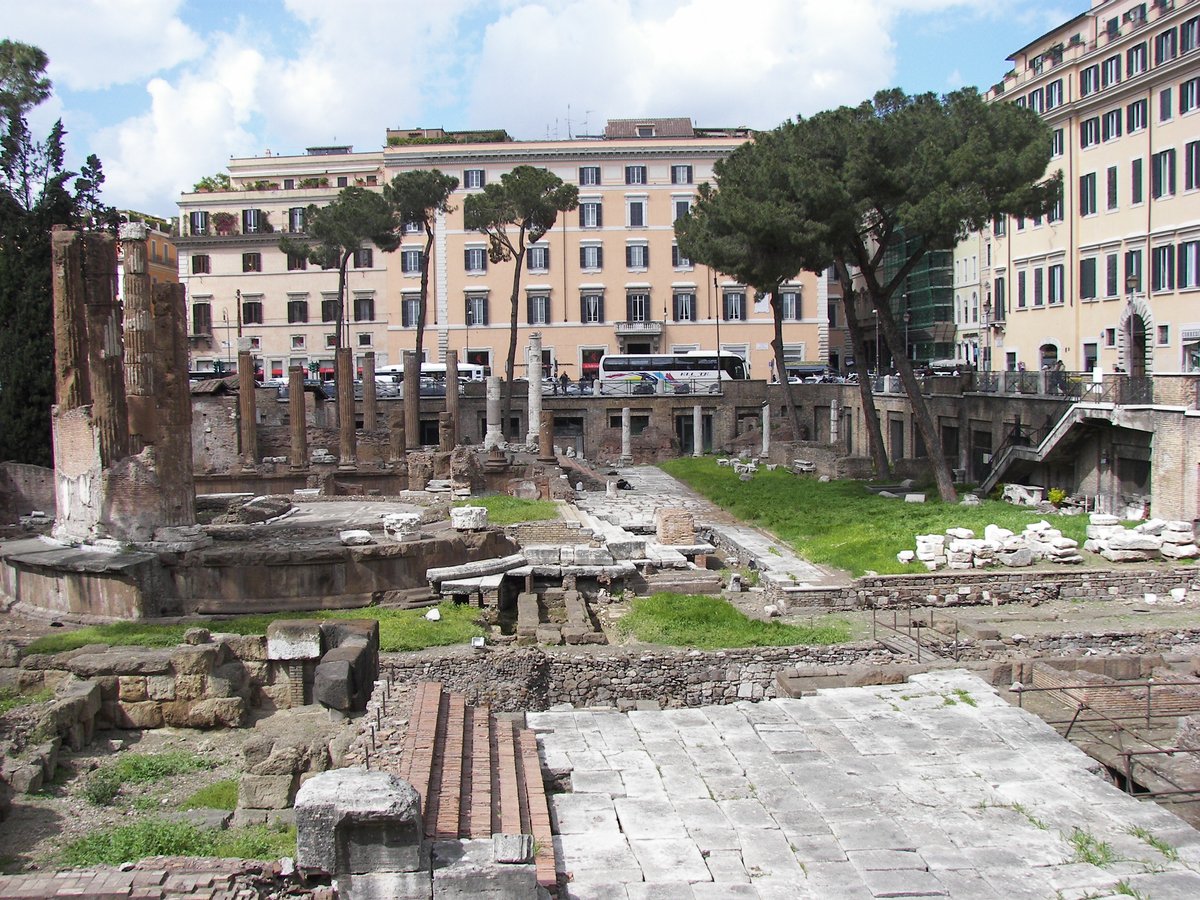
Today, the site exists as an archaeological area. Visitors can still see the archway that remains from the 5th-century repairs and the ruins of the ancient structures in the Sant'Angelo district.
Sources: Wikipedia, OpenStreetMap, Wikidata, Wikimedia Commons


Written by Nicolo Ciampini
Discuss this with the author and others
No comments yet. Be the first to start the conversation.