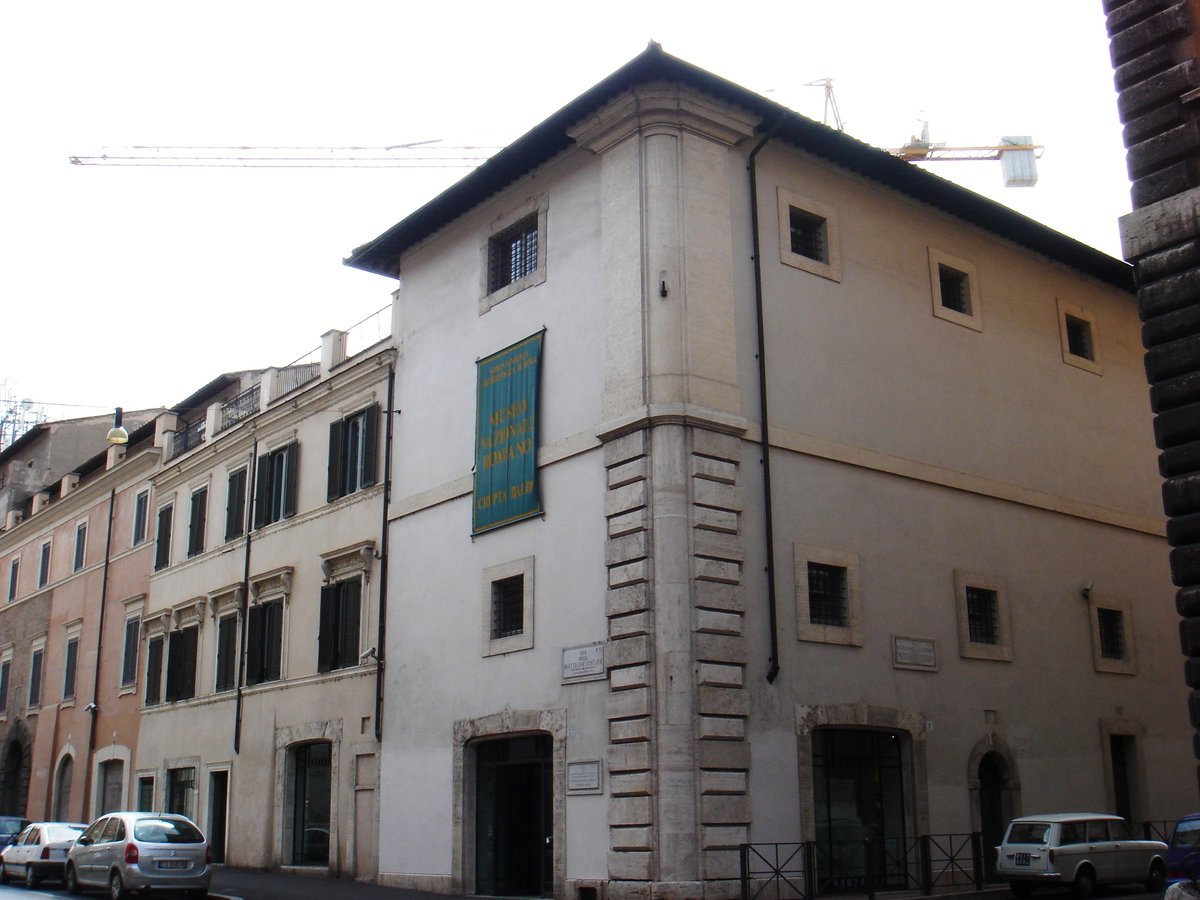

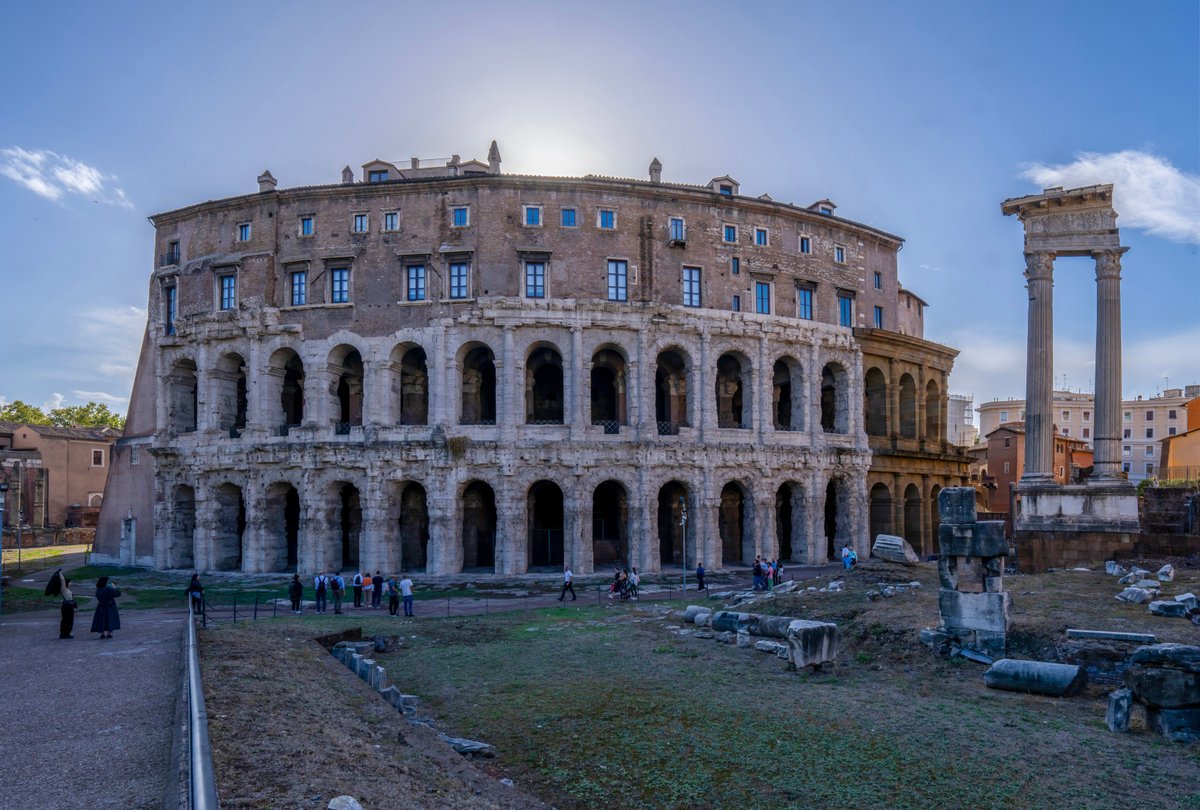
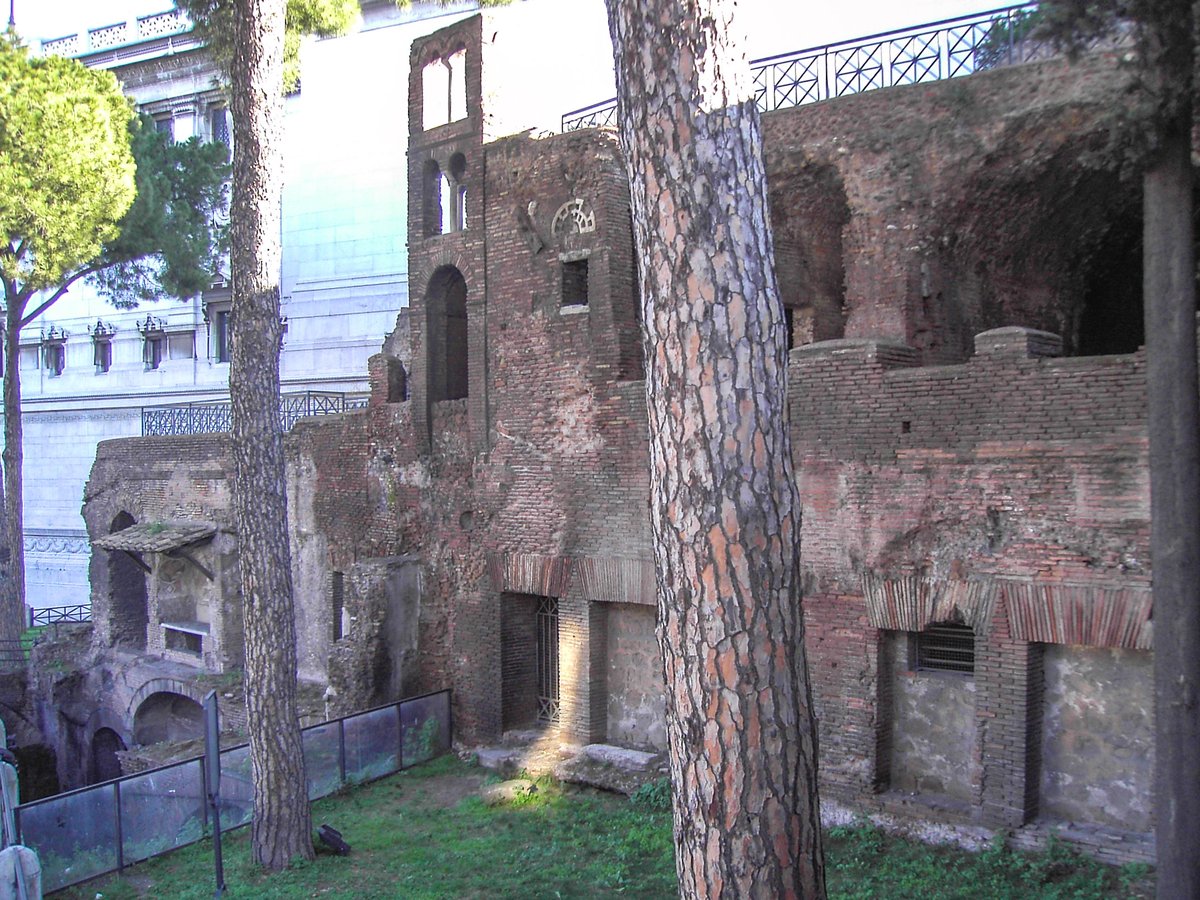
The Crypta Balbi is a site of the Museo Nazionale Romano. It is part of a large complex of buildings, including the churches of Santa Caterina dei Funari and Santo Stanislao dei Polacchi, which covers about 7,000 m² and has a building heritage of about 40,000 cubic meters. The state acquired this complex in 1981, which is situated on the porticoed courtyard adjacent to the theater of Balbo, built by Lucio Cornelio Balbo in 13 BC.
The site is composed of an entire block enclosed between via delle Botteghe Oscure, via dei Polacchi, via dei Delfini, and via Caetani. In Roman times, the urbanization consisted of the Crypta Balbi, the houses behind it, and the southern side of the Porticus Minucia. During the Early Middle Ages, the site housed the church-convent of Santa Maria Domine Rose, with its garden and annexes. In the Renaissance, a convent of Santa Caterina with an attached Conservatorio (an orphanage) was installed here.
Today, the Crypta Balbi is a museum of urban archaeology that researches and documents the evolution of that space, its settlements, and its uses over the centuries. Particular attention is given to finds that document craft activities, such as materials, tools, and products, carried out in the location during the post-classical and Early Middle Ages. The exhibition shows findings from the site as well as artifacts from other sites, and is well documented from a didactic point of view, describing the historical contexts to which the artifacts refer.
Sources: Wikipedia, OpenStreetMap, Wikidata, Wikimedia Commons


Written by Nicolo Ciampini
Discuss this with the author and others
No comments yet. Be the first to start the conversation.