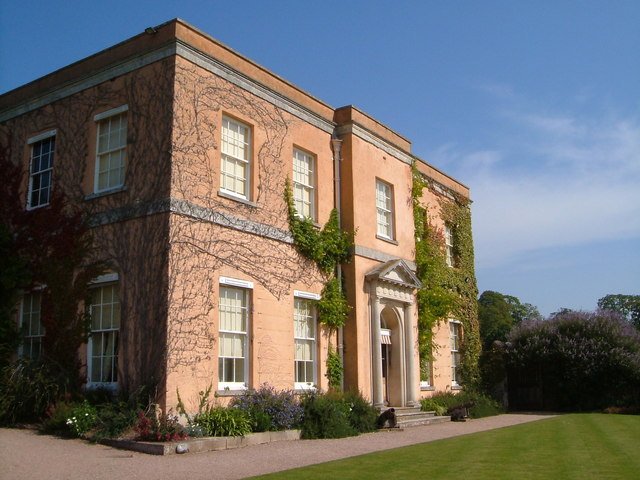

For 240 years, the existence of a phantom mansion remained hidden in plain sight within the grounds of Killerton. An archaeological dig in 2016 eventually uncovered what is believed to be the footprint of an intended replacement home to the current Killerton House. This site is known in history as the lost house of Devon, a project designed by architect James Wyatt.
The existence of this intended property was obscured by a copse of trees that looks to have been deliberately planted to hide it. The current Georgian manor and its surrounding parkland were built on an estate that dates back to the 17th century. Today, the National Trust displays the house as a comfortable home, featuring a collection of 18th- to 20th-century costumes in period rooms.
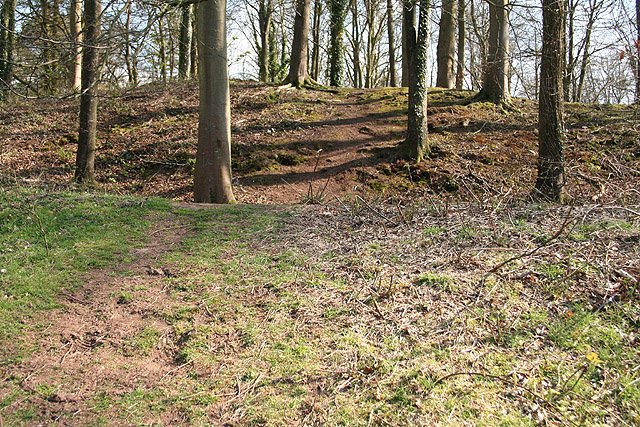
Visitors can find the remains of this lost house in the grounds just a short walk from the current mansion. The National Trust has placed woodwork in the four corners of what would have been the corners of the intended property. They also placed a door and frame on what they believe would have been the entrance to the intended billiard room.
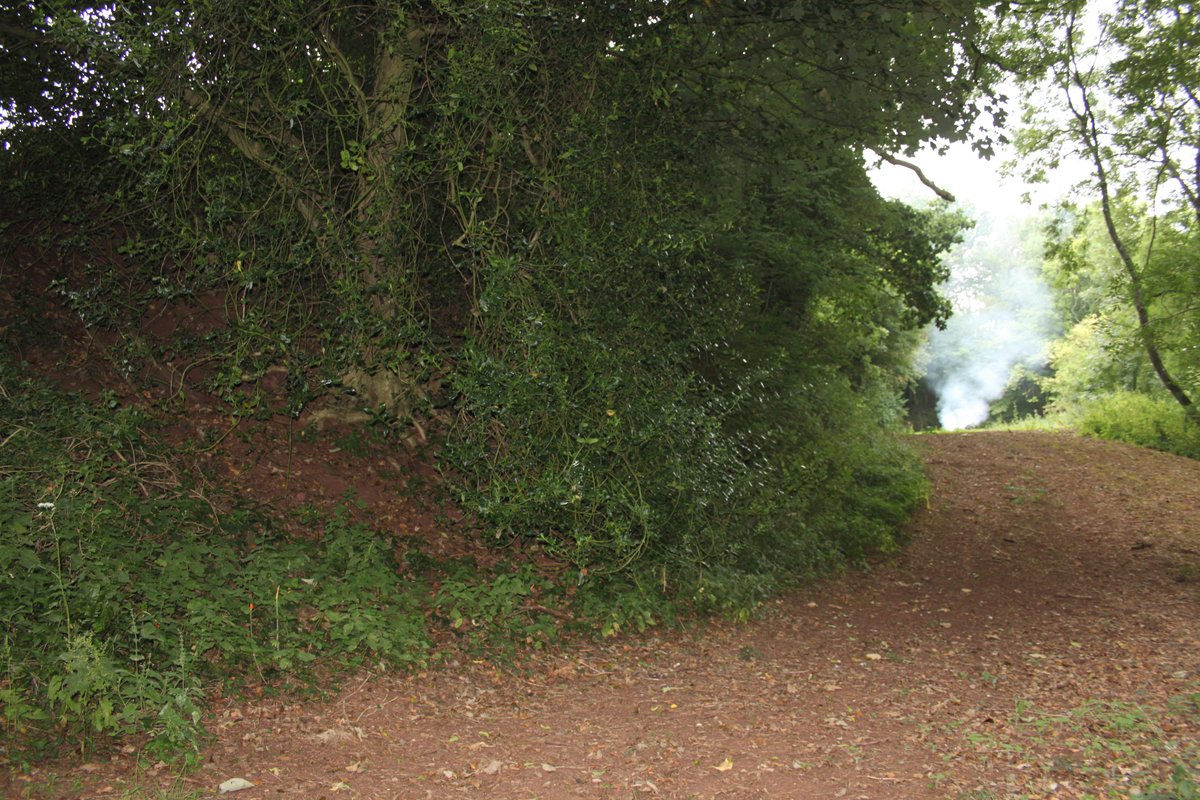
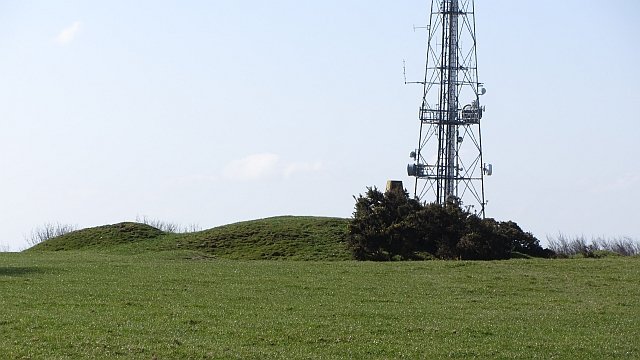
Beyond the house, the estate features a steep wooded hillside containing the remains of an Iron Age hill fort known as Dolbury. The grounds also include a chapel built in 1738 and gardens created in the 1770s by landscape designer John Veitch. While many layers of history are visible, the site still holds secrets, with the National Trust planning further archaeological digs in the future.
Sources: Wikipedia, OpenStreetMap, Wikidata, Wikimedia Commons

Written by Nicolo Ciampini
Discuss this with the author and others
No comments yet. Be the first to start the conversation.