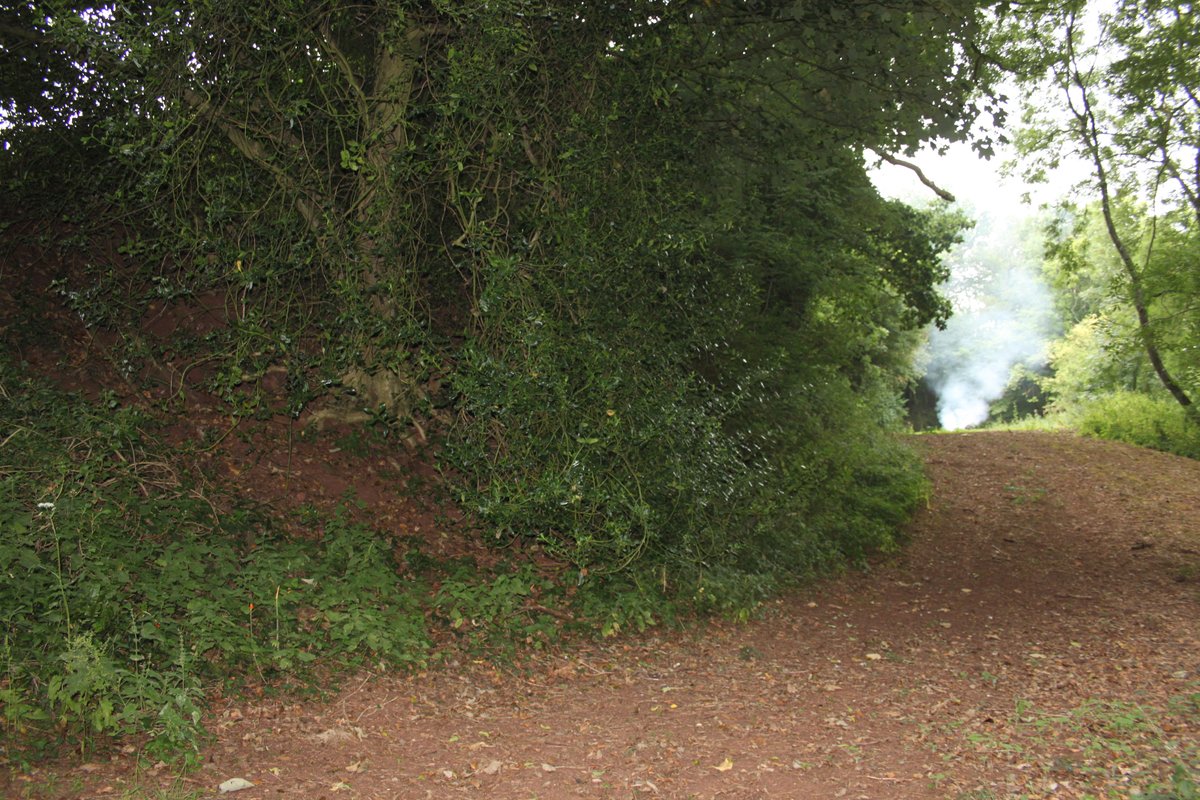
King's Castle, an Iron Age hillfort in Somerset, England, is a testament to the ancient past. Surrounded by two banks with a ditch between them, the inner wall reaches up to 2.5 meters in height, while the outer wall gets as high as 1.5 meters. Arrowheads, scrapers, and borers from as far back as the Neolithic period have been found at the site.
A coin hoard of 1139 coins was discovered buried 30 centimeters deep.
However, the site has been heavily damaged by repeated quarrying and ploughing. Despite this damage, evidence of its ancient history remains. The inner and outer walls, though reduced in height, still bear witness to its impressive scale, and its status as an Iron Age hillfort is confirmed by the Neolithic artifacts discovered there.
Hill forts developed in the Late Bronze and Early Iron Age, around 1000 BC. The reason for their emergence and their purpose have been debated since they were first discovered. Some believe they could have been constructed as military sites, defensive strongholds, or symbolic structures built in response to social tensions caused by an increasing population and consequent pressure on agriculture.
Sources: Wikipedia, OpenStreetMap, Wikidata, Wikimedia Commons
Written by Nicolo Ciampini
Discuss this with the author and others
No comments yet. Be the first to start the conversation.