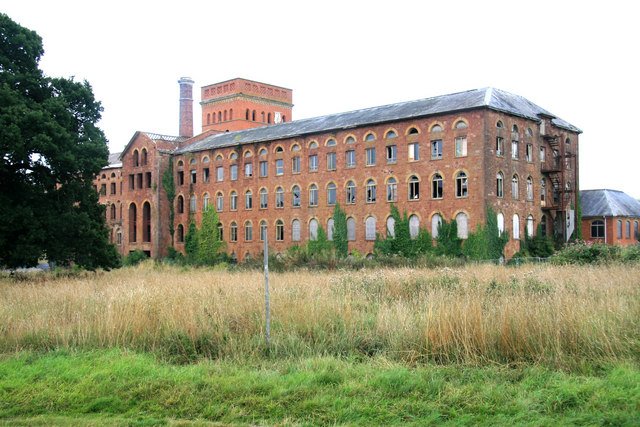

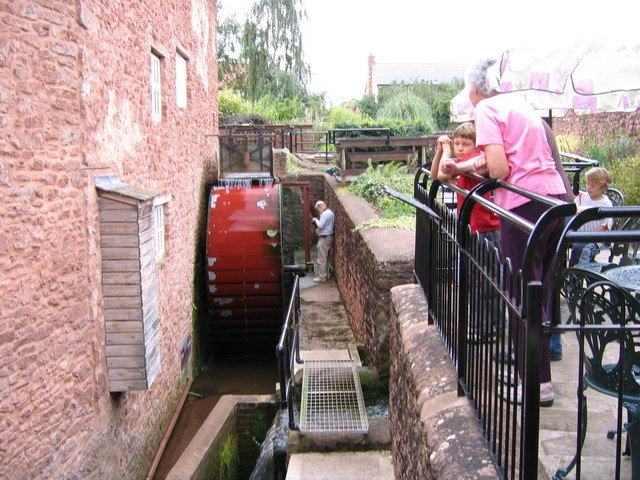
If you look closely at the Tonedale Mills complex, you can see the physical leftovers of three different energy ages. Water wheels still show their presence from the early days, sitting alongside the remnants of steam and electric power. Why keep them all? Because the Fox family were practical people who preferred to keep what worked while they added what was new.
They were the masters of Taunton serge, a fabric that managed to be both light and thick enough to be useful. By the time Thomas Fox took the reins in the late 18th century, the operation became a massive machine. They didn't just weave cloth; they did everything. They had basket weaving, joinery, and metalworking all happening under one roof. This integration of ancillary processes on a single site was rare for a woollen mill.
During the Second Boer War, the dyers here actually developed the khaki dye that soldiers wore. They were producing 6,500 metres of material every single day at their peak. While the global market shifted in the 1980s, a small amount of production still survives today.
Most of the site is currently a bit of a ghost. It is grade II* listed, which is a fancy way of saying it is too important to tear down but perhaps too big to easily fix. Historic England accepts that comprehensive restoration and reuse would not prove commercially viable due to the size and state of disrepair of the site.
Sources: Wikipedia, OpenStreetMap, Wikidata, Wikimedia Commons

Written by Nicolo Ciampini
Discuss this with the author and others
No comments yet. Be the first to start the conversation.