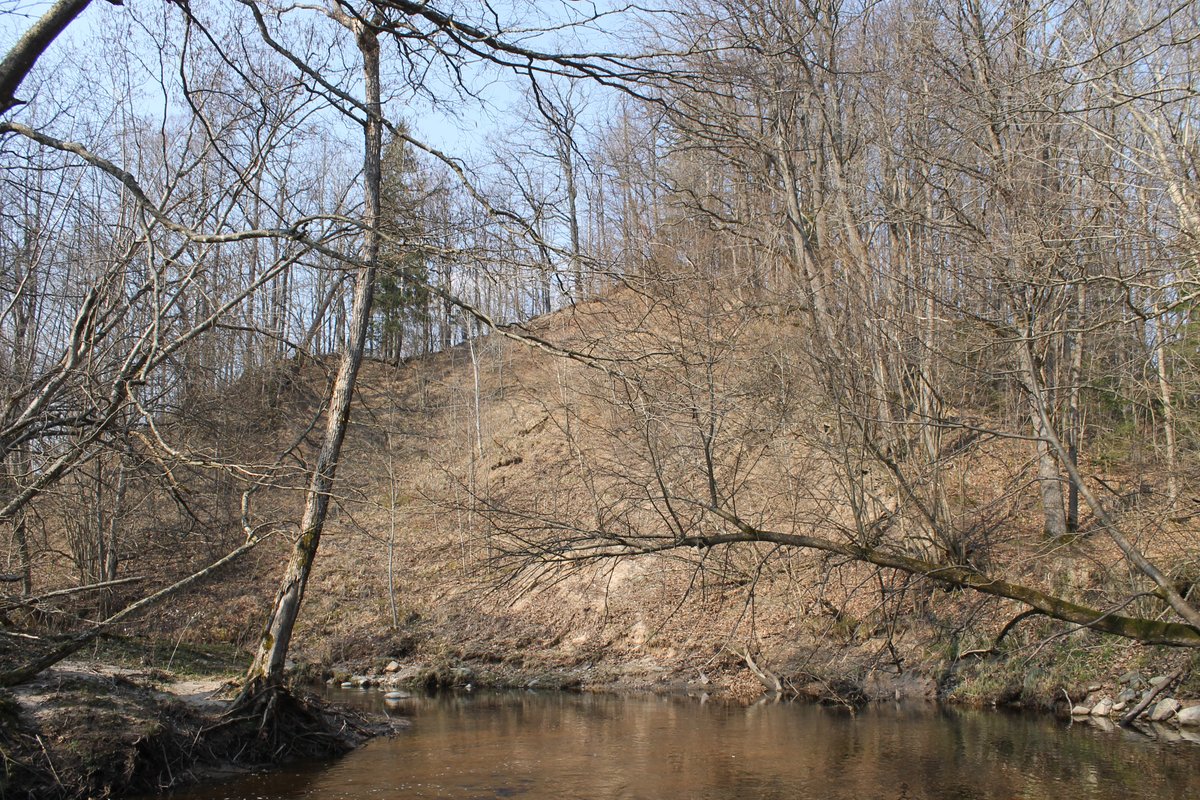

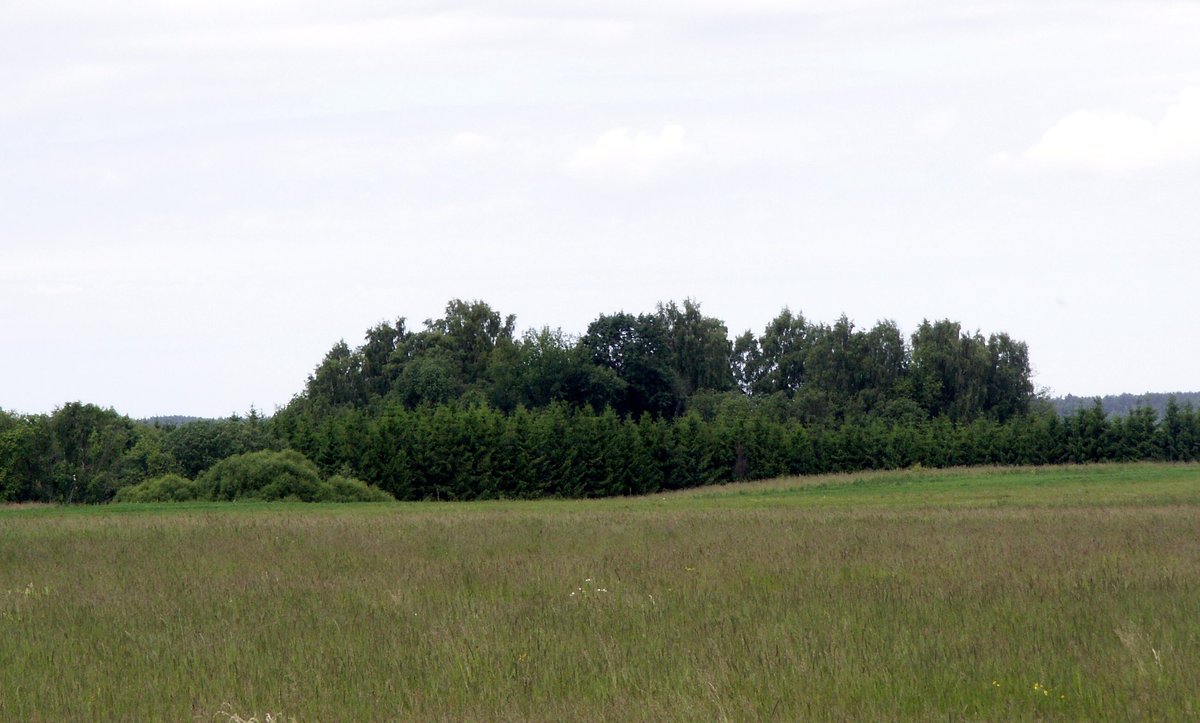
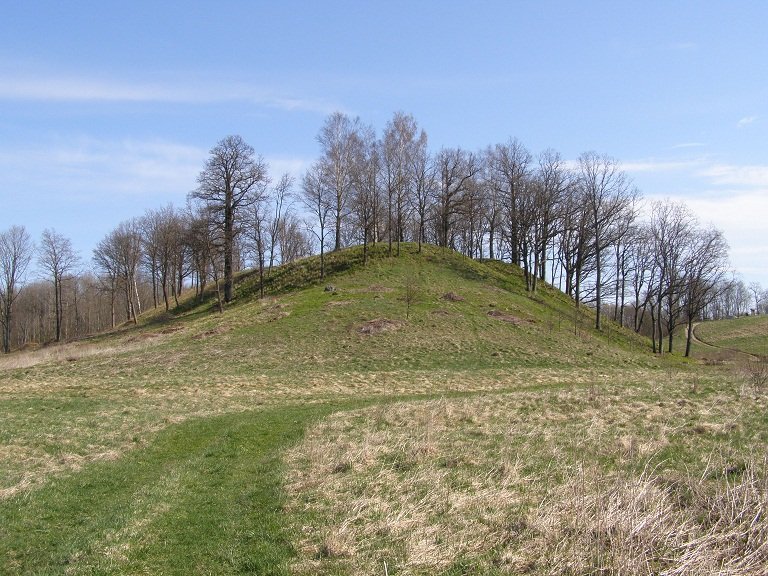
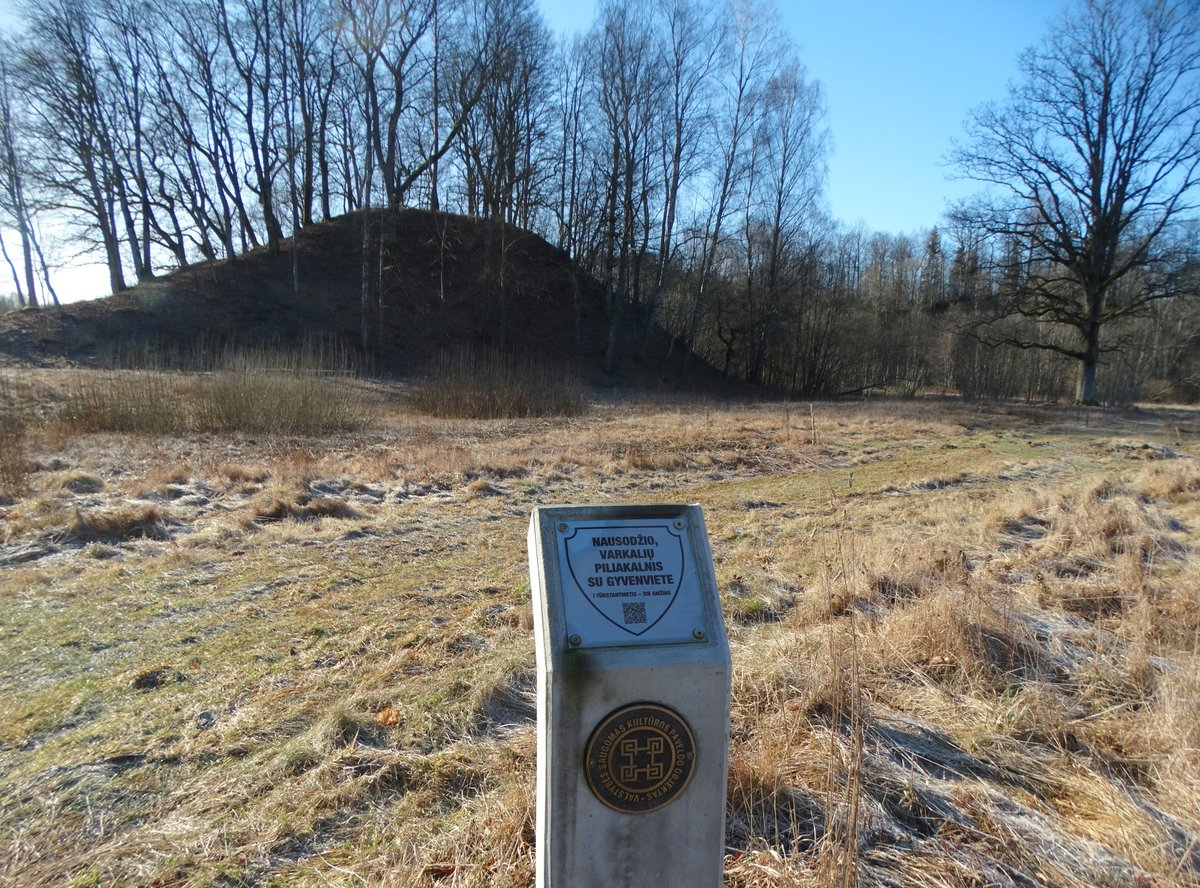
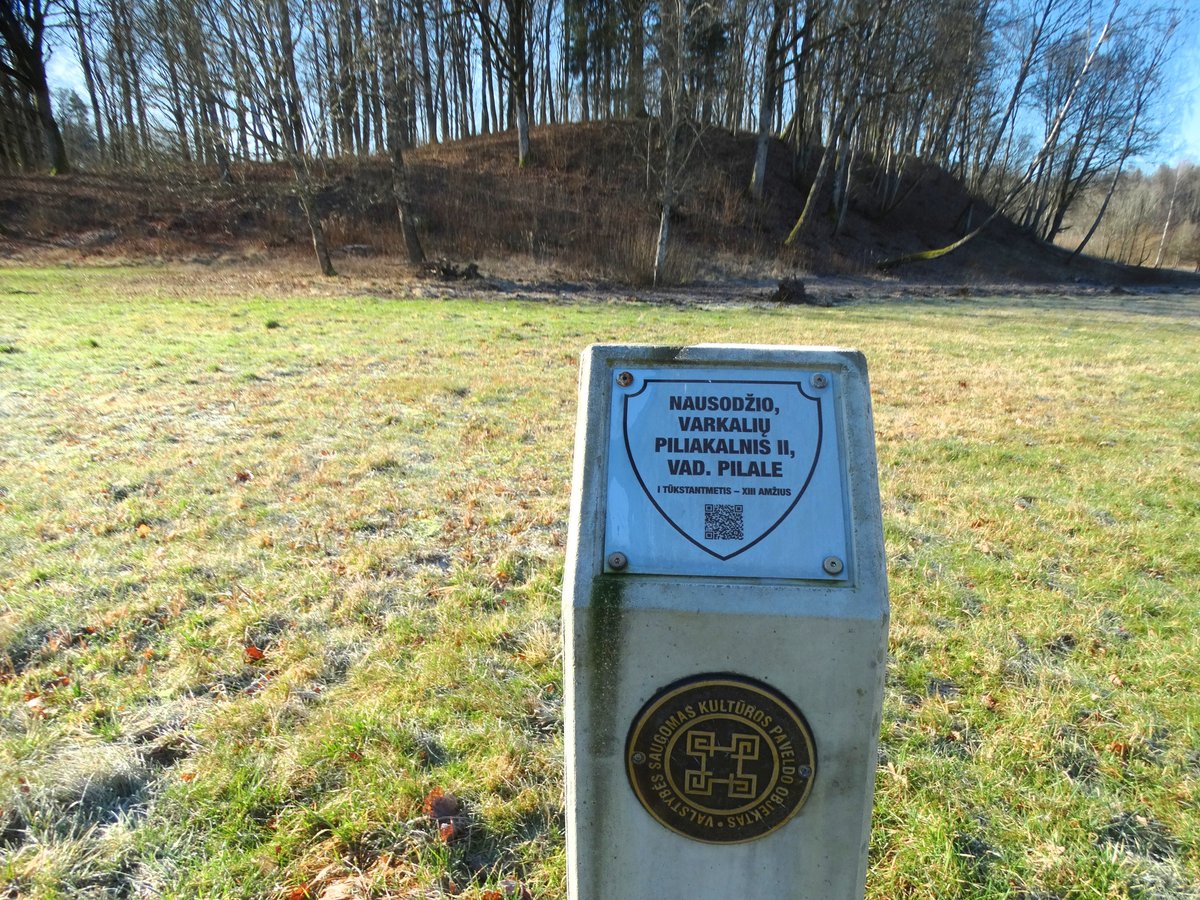
Why does this hill have a name that sounds like a creature's foot? It is called Čerčesnagis because the ridges on the northern and northeastern parts of the hill resemble the hoof of a mythical beast. It is an irregular triangle-shaped hill, elongated in a north-south direction, measuring 42 m long and 14 m wide at the northern end, with slopes 24 m high, situated on the left bank of the Alanta river.
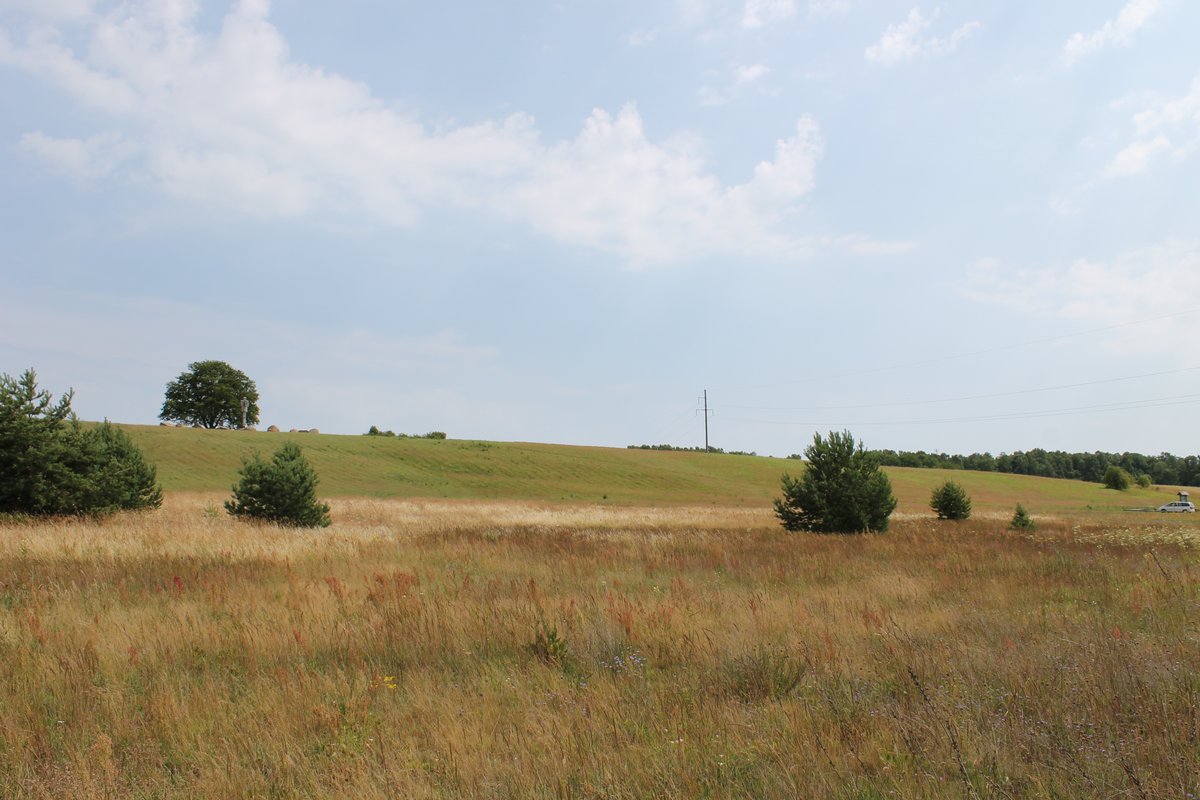
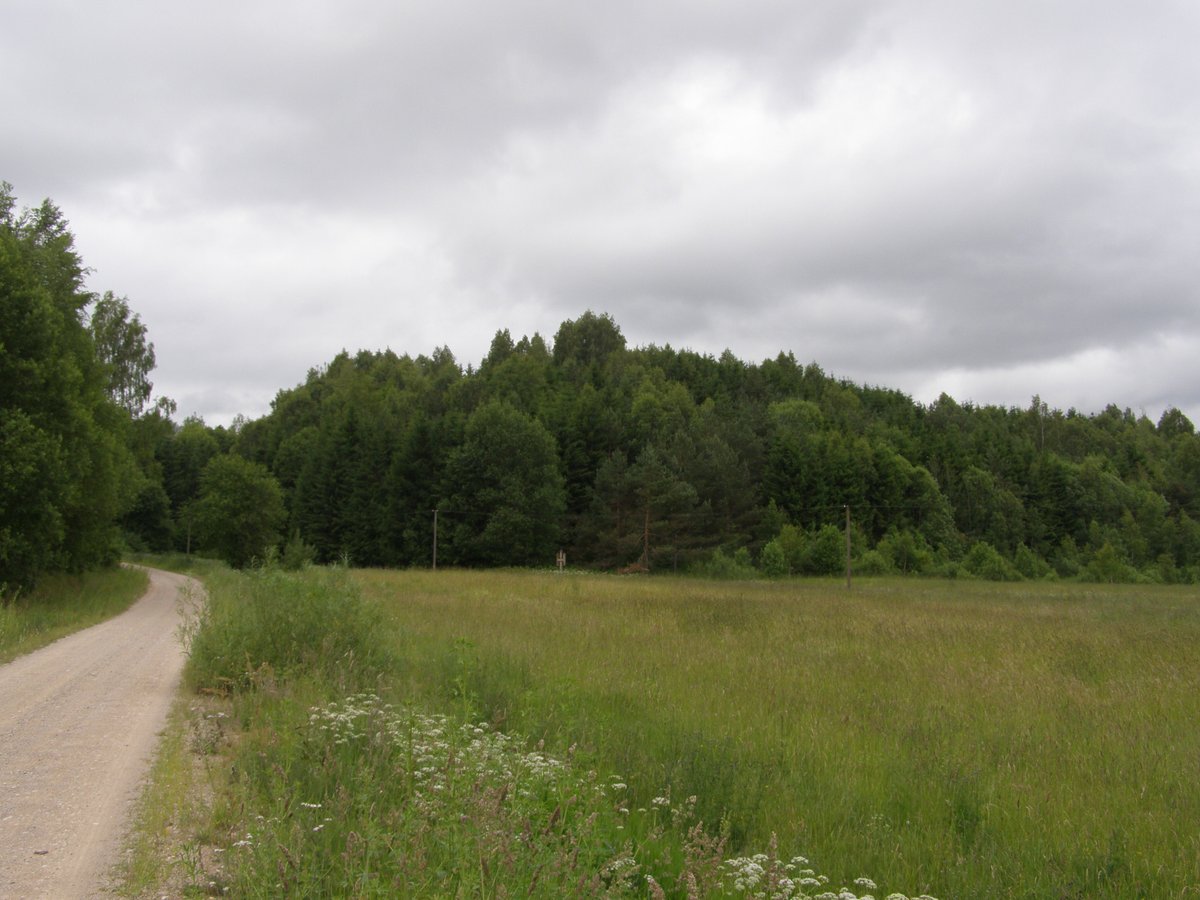
Is it a fortress? It lacks the usual trenches and ramparts of a medieval castle. Instead, researchers suggest it was a hiding hill, possibly dating back to the first millennium, which locals would use as a sanctuary to flee into during times of danger. It sits secluded, accessible via a bumpy track through the fields that leads from the Palanga-Šiauliai road to the Alanta valley.
The southern slope has been washing away into the Alanta since the late 19th century. Folklore says a village once stood at the foot of the hill and a castle sat on its peak. There is also a legend about a shepherd boy who accidentally entered a cave on the slope and saw many treasures. Another child, seeking to claim the riches, entered the hill and never returned, except for his hat.
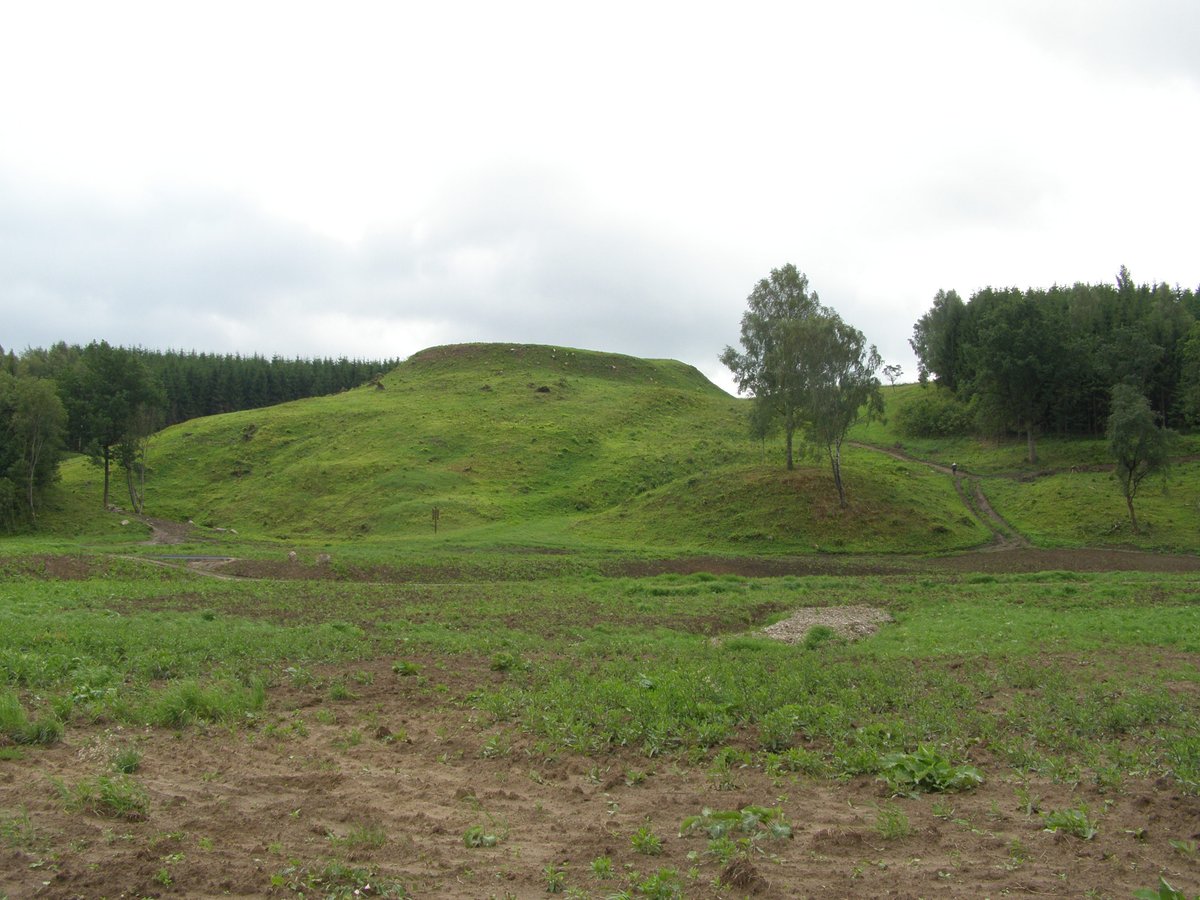
On the southern side of the hill, there is a flat terrace flanked by a six-metre-high ridge called Pilale. The site is an archaeological monument, a unique cultural value with a historical status that preserves the landscape of the Gaudučiai village.
Sources: Wikipedia, OpenStreetMap, Wikidata, Wikimedia Commons
Written by Nicolo Ciampini
Discuss this with the author and others
No comments yet. Be the first to start the conversation.