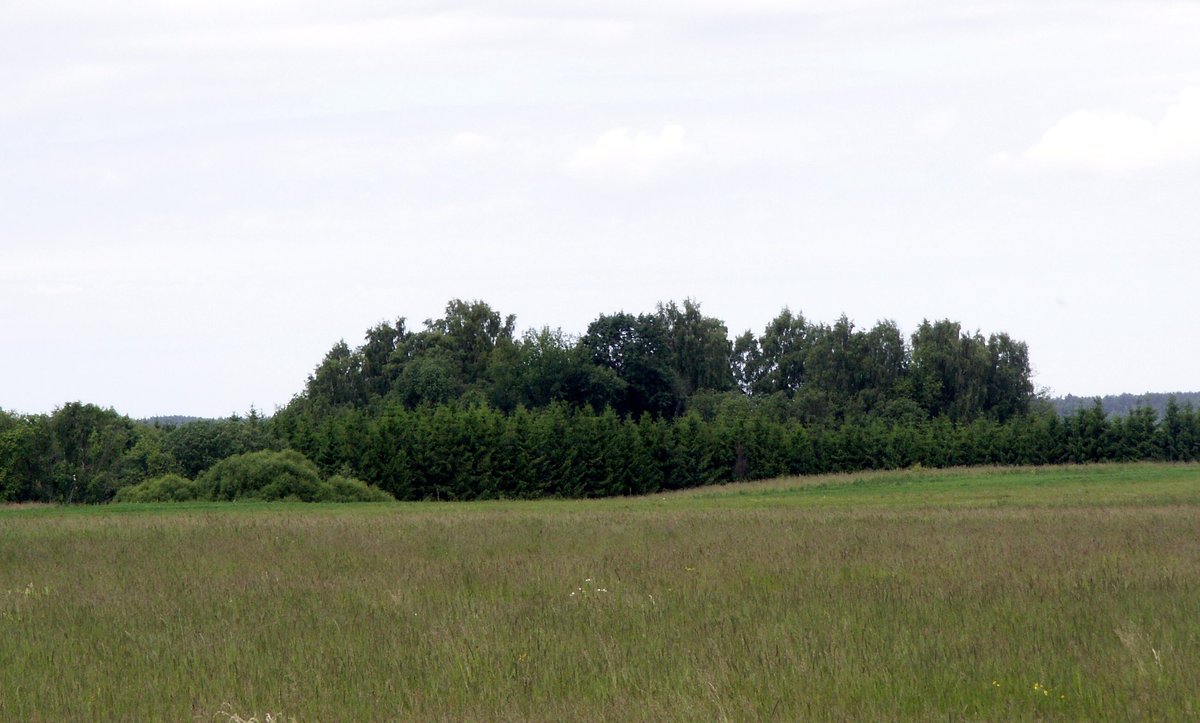

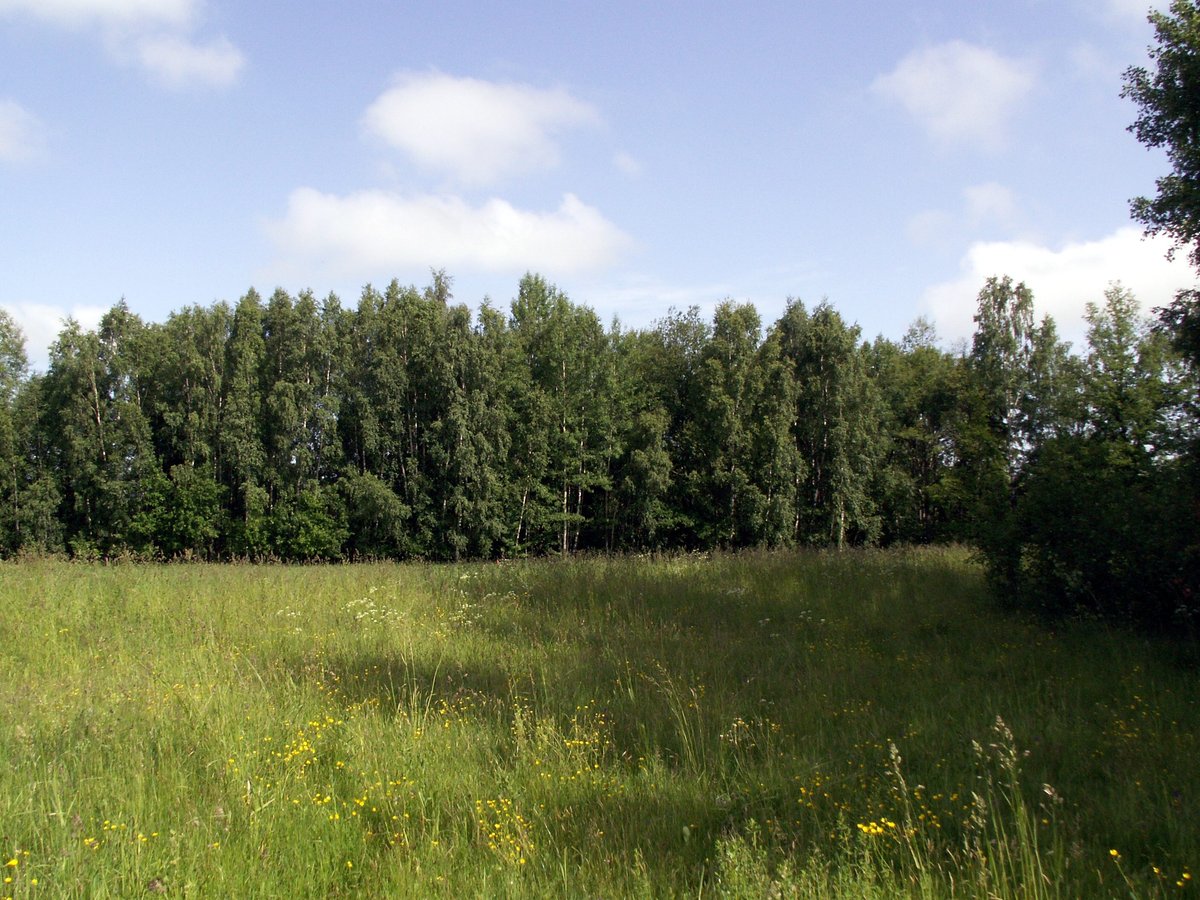
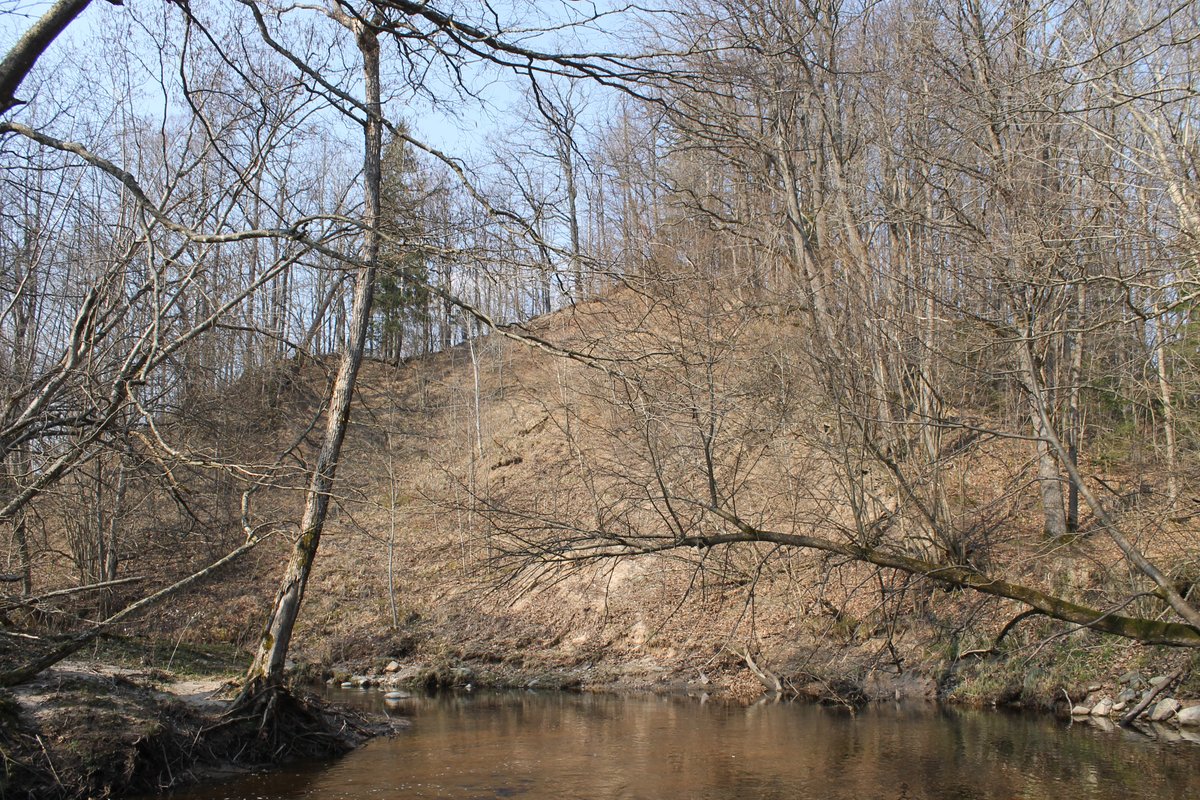
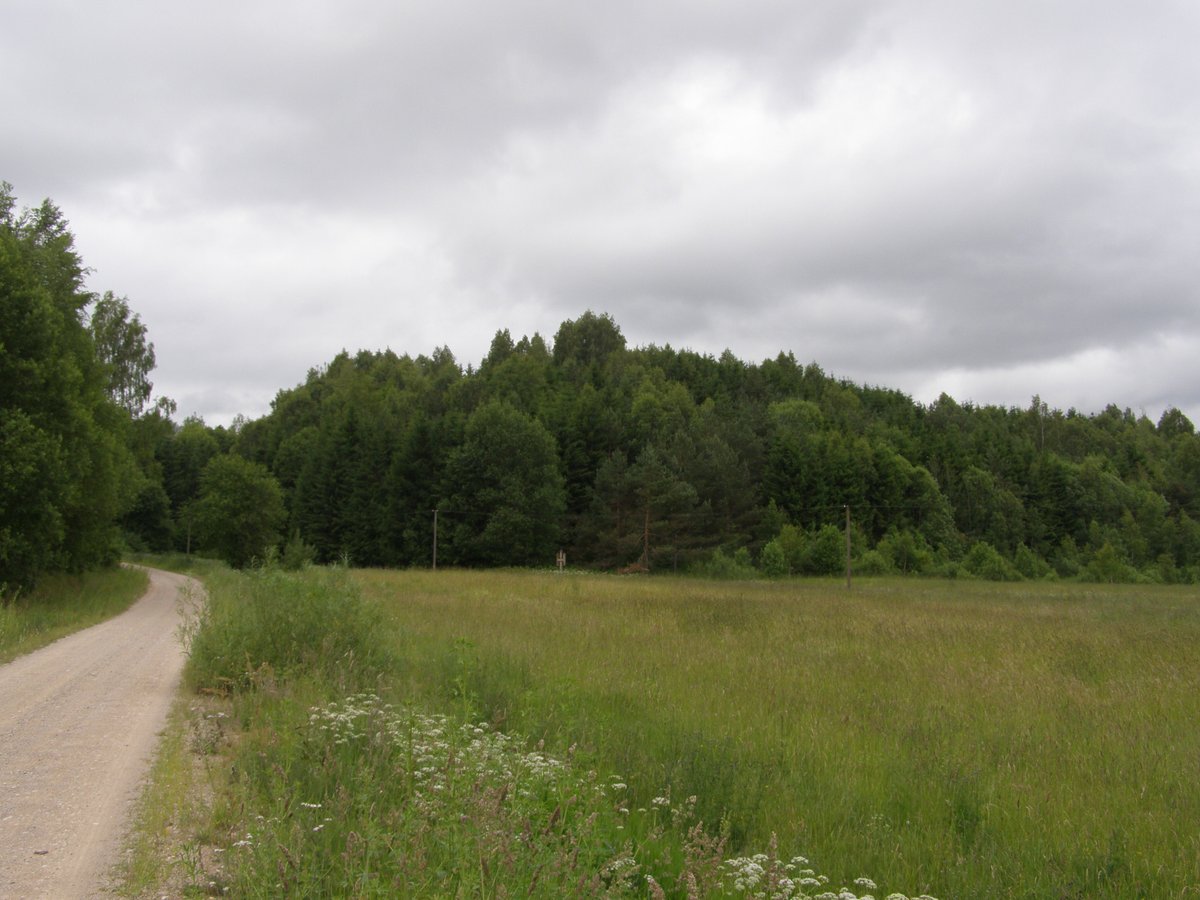
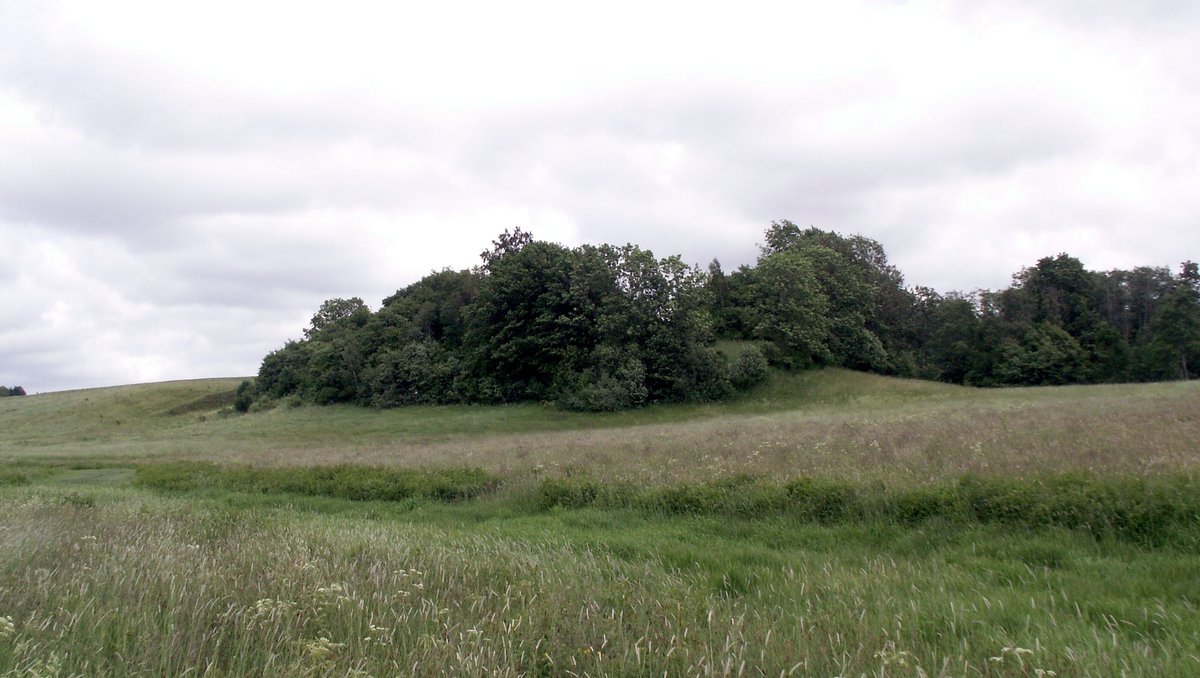
Local lore about Mongirdo pilalė tells of a hole in the courtyard where a pebble thrown in would tumble forever into a basement of silver and gold. While these myths persist, the site is a significant archaeological fortification known as Mišučių piliakalnis, located on the left bank of the Minija river in the village of Nausodžio.
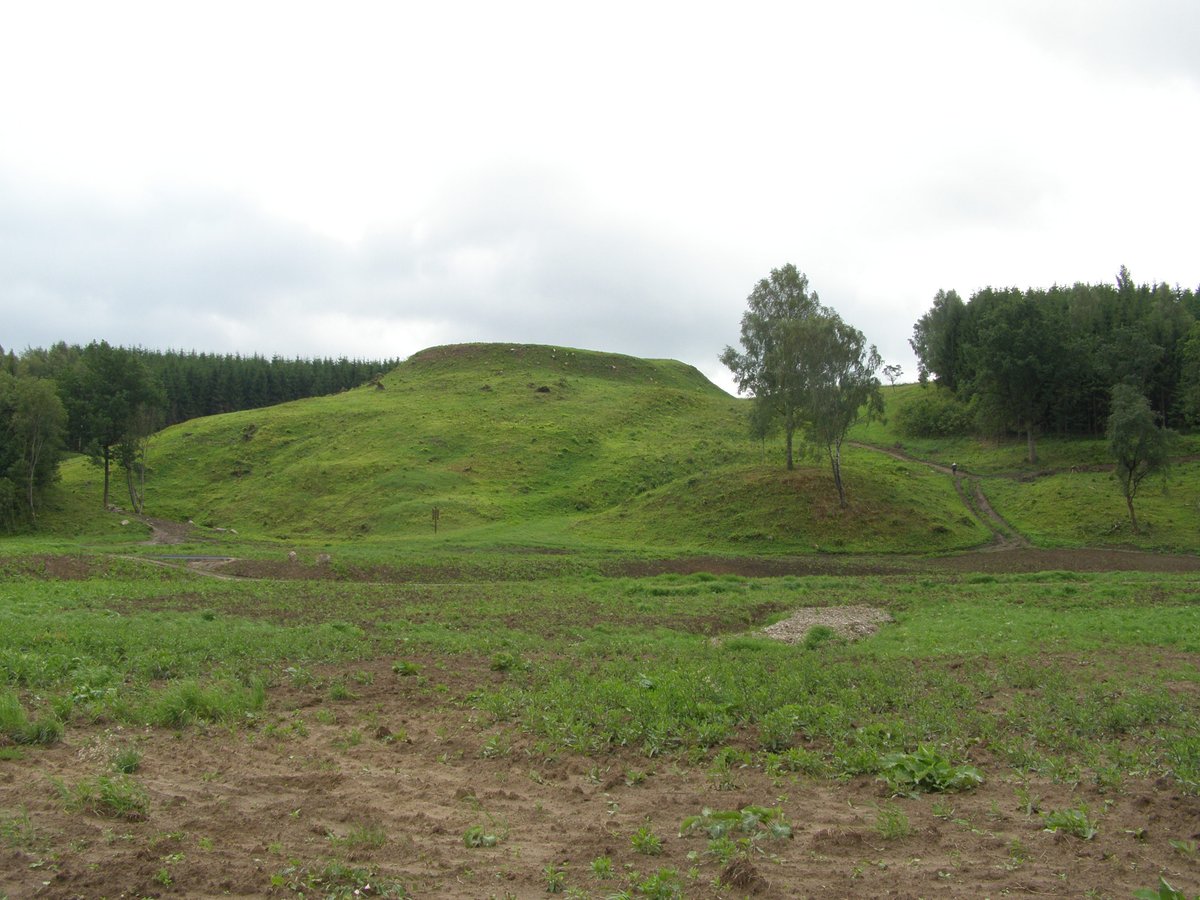
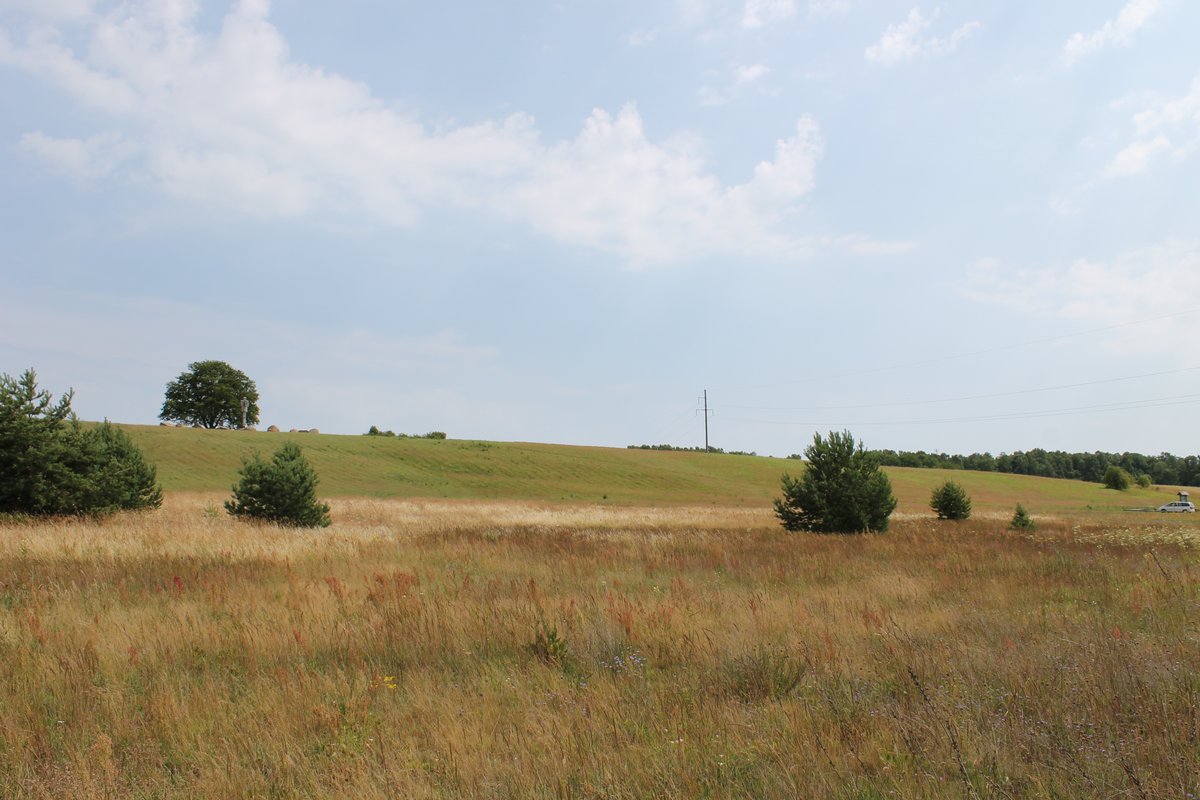
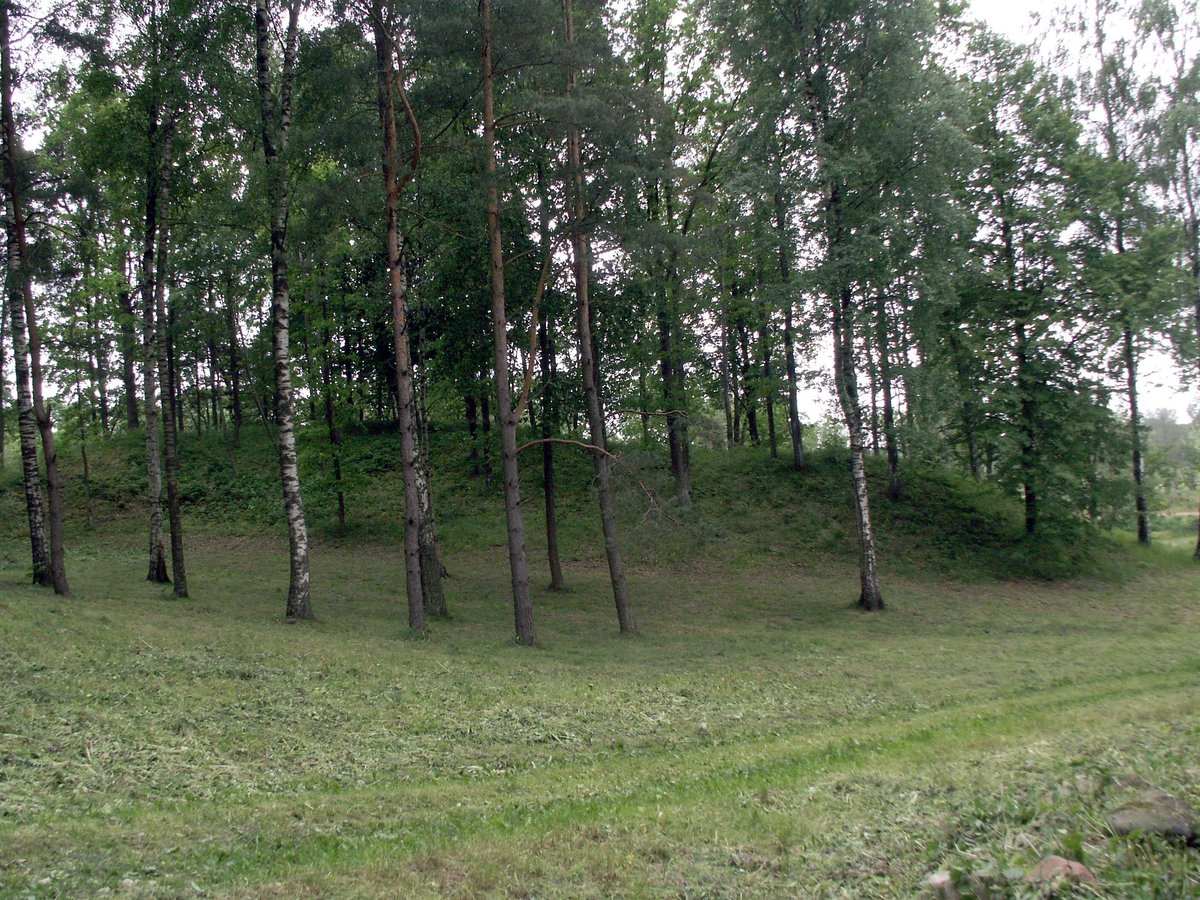
Archaeologists date the site to the first millennium to the beginning of the second millennium. The complex features a rectangular courtyard, 50 metres long and 40 metres wide, with defensive ramparts and a southern bailey covering a 2.5-hectare area. It sits on a sharp promontory where the river carves into the earth, with slopes reaching up to 26 metres in height.
Modernity has altered the landscape significantly. Centuries of plowing have scattered the ramparts and filled the ditches, while drainage work destroyed the rampart protecting the southern bailey. In the northern part of the site, a fortified fire station began construction in 1941. The site is now a state-protected cultural monument.
Research conducted between 1956 and 1992 identified cultural layers and traces of plowed surfaces. While the legend of the gold and silver treasures remains a part of the local identity, the site serves as a record of ancient fortifications and a settlement dating back over a thousand years.
Sources: Wikipedia, OpenStreetMap, Wikidata, Wikimedia Commons


Written by Nicolo Ciampini
Discuss this with the author and others
No comments yet. Be the first to start the conversation.