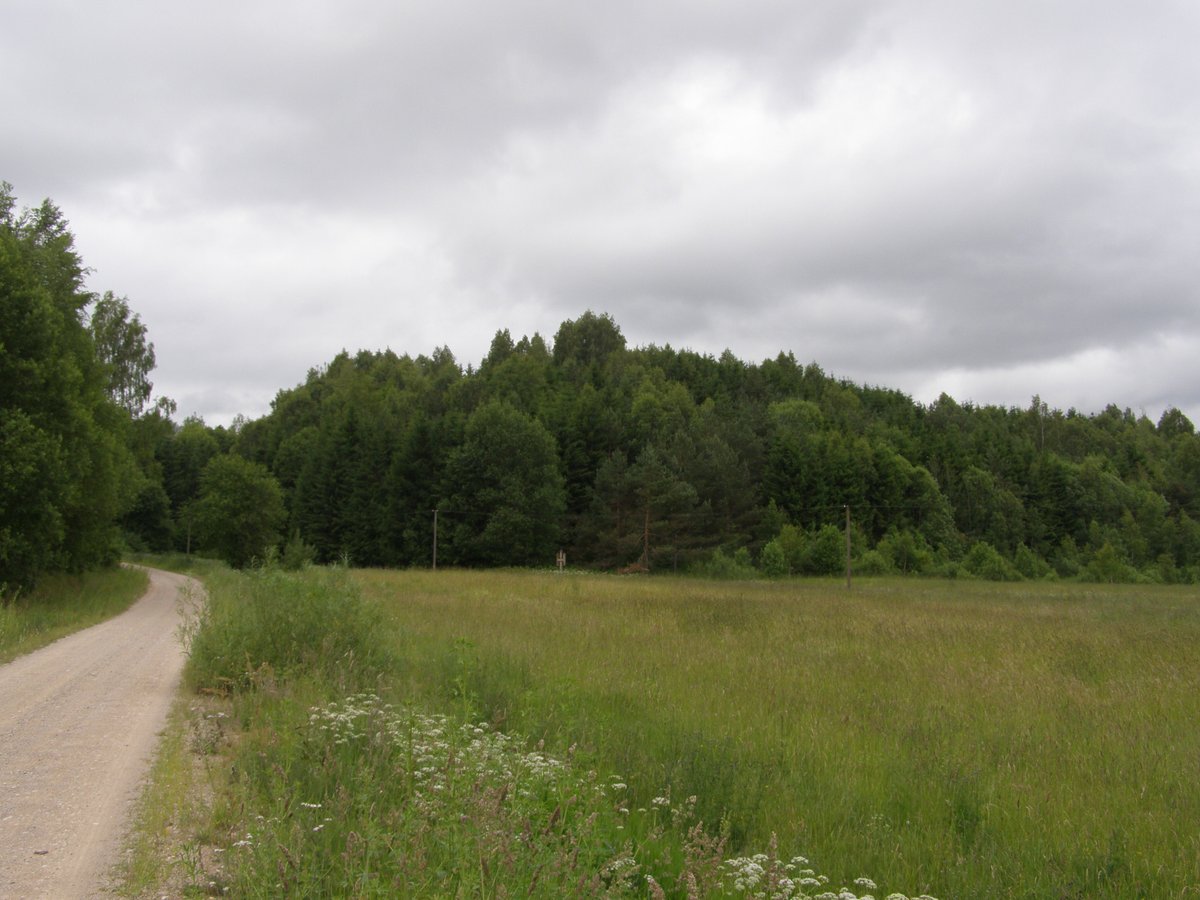

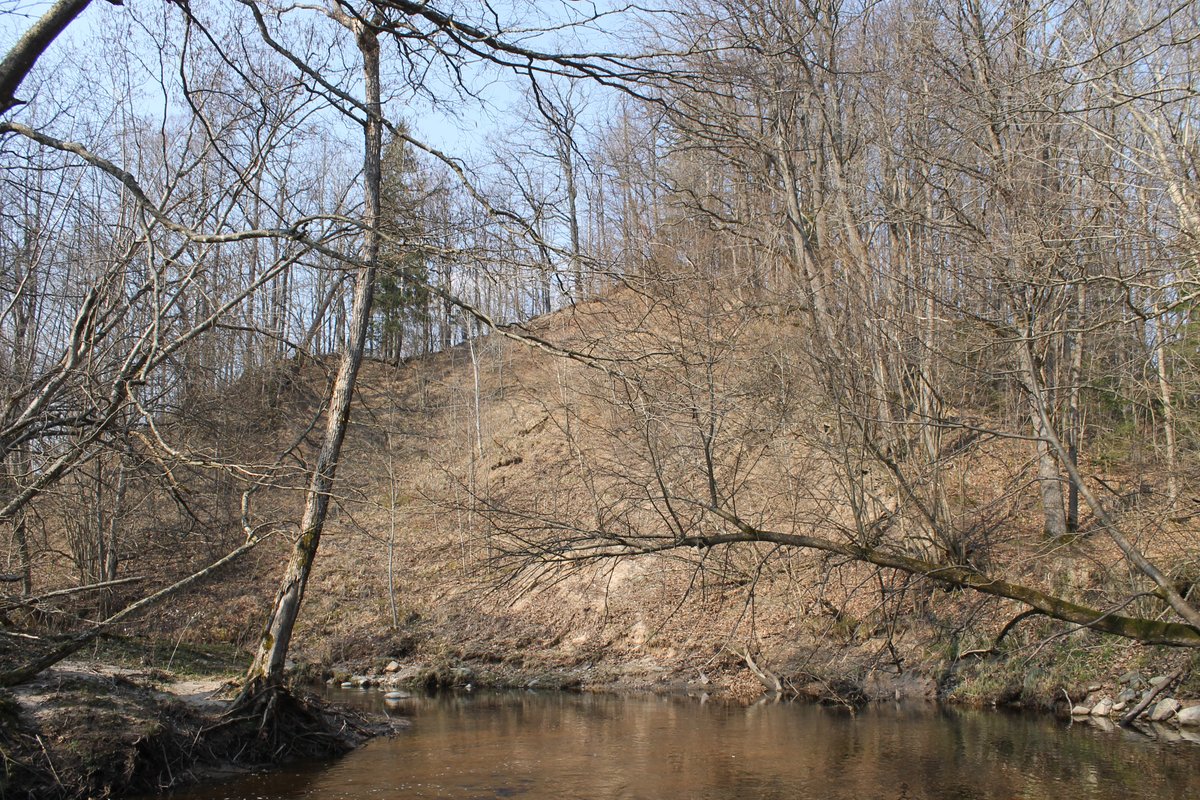
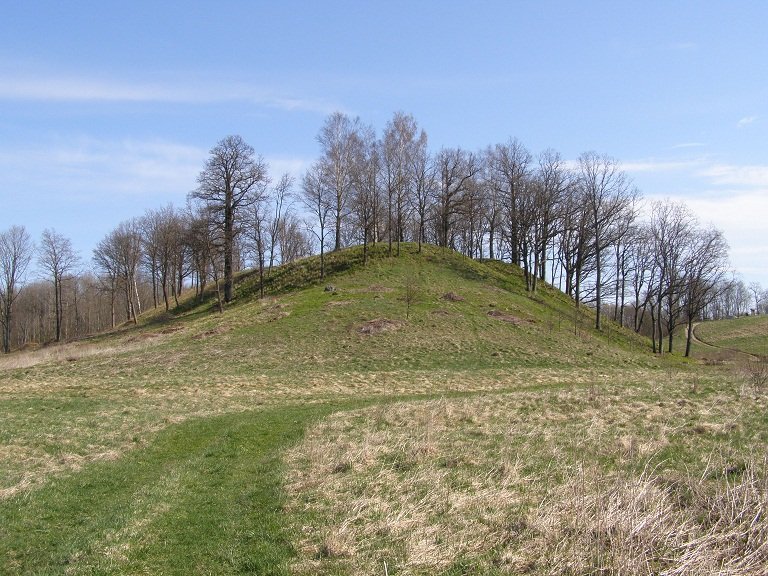
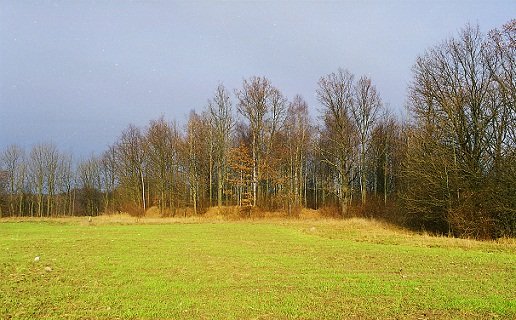
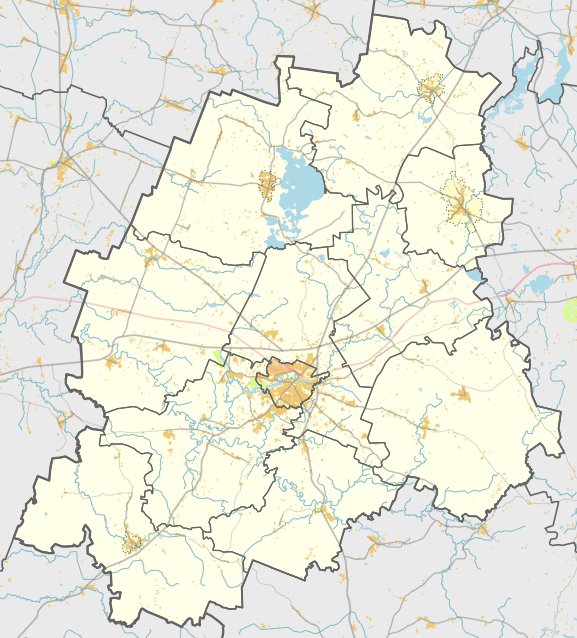
Dauginčių piliakalnis, known by locals as Pilale, is a hillfort located on the left bank of the Minija river at a sharp bend where it meets the Slinkupis. Preliminary dating places the site in the first millennium, when it is believed to have served as a wooden fort for the Kuršiai or their ancestors. While detailed records of its specific construction and historical role are lacking, it has been recognized as a state-protected cultural treasure since 2005.
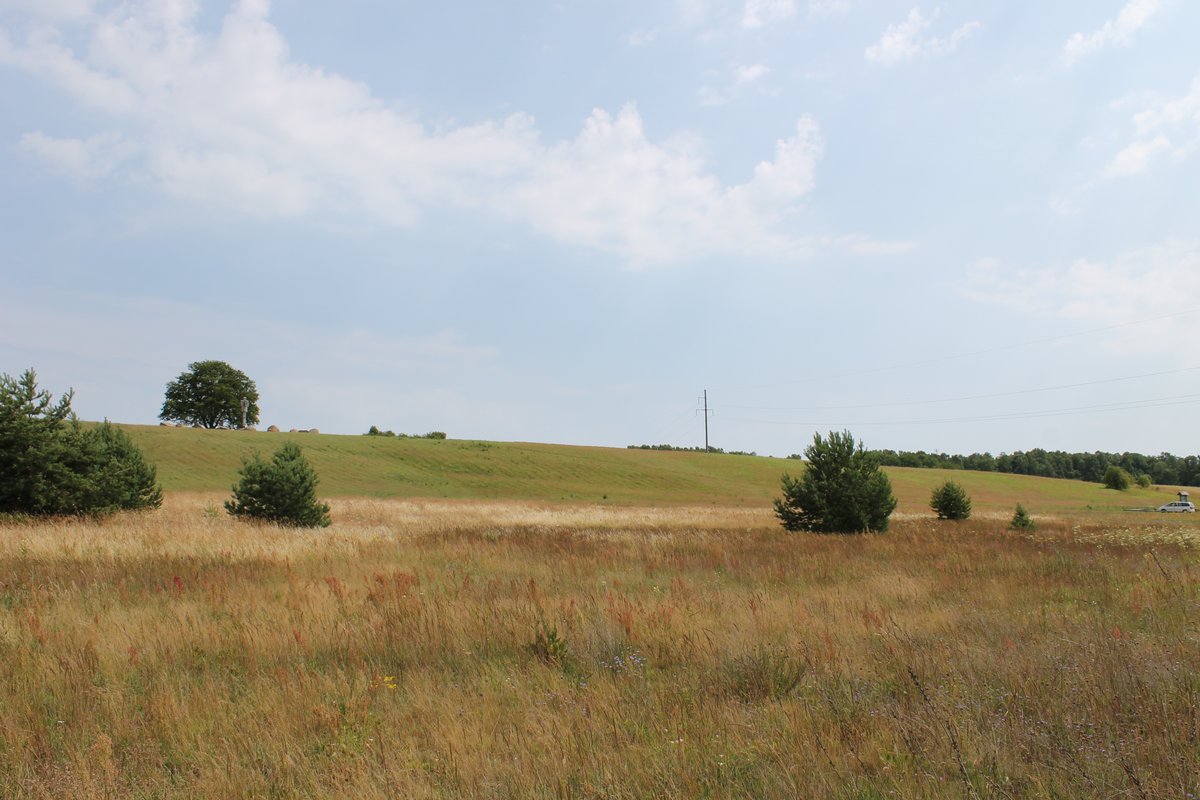
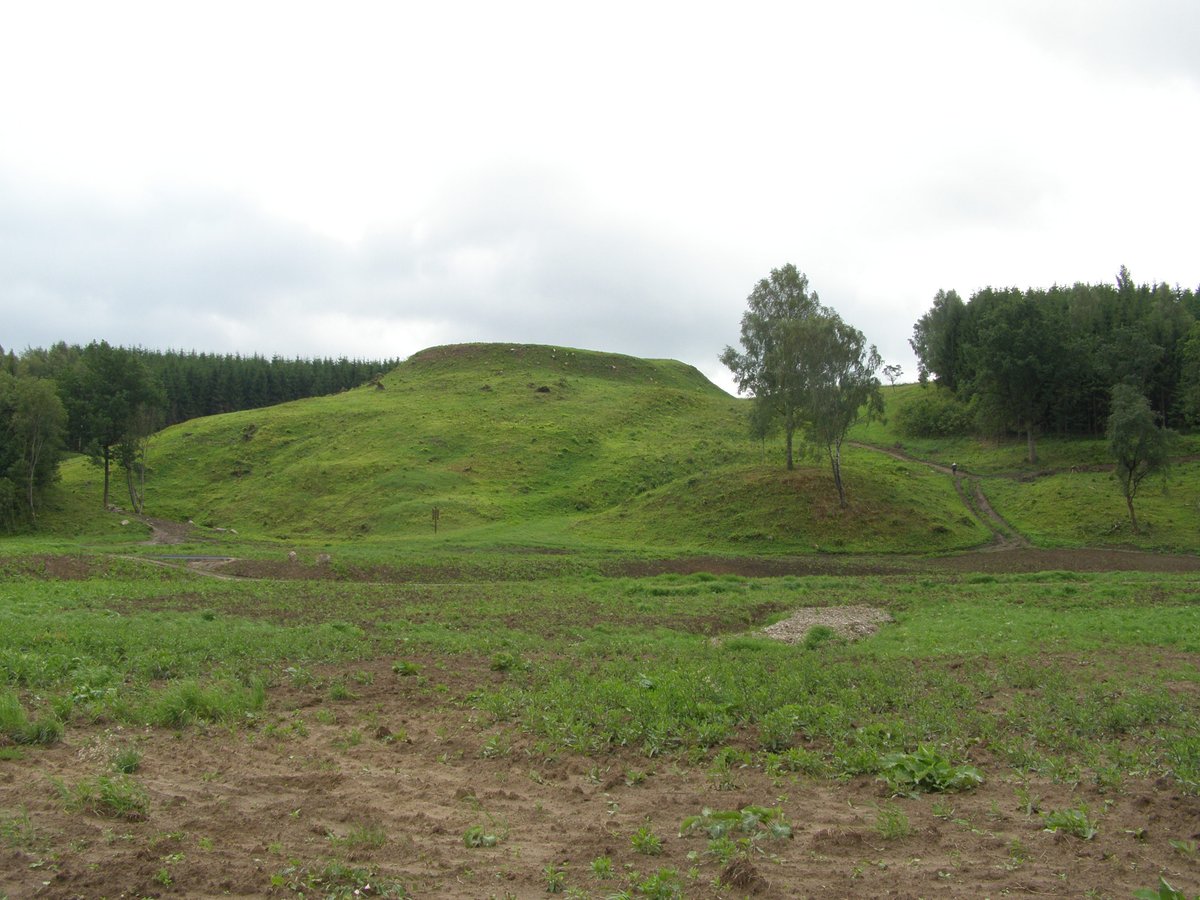
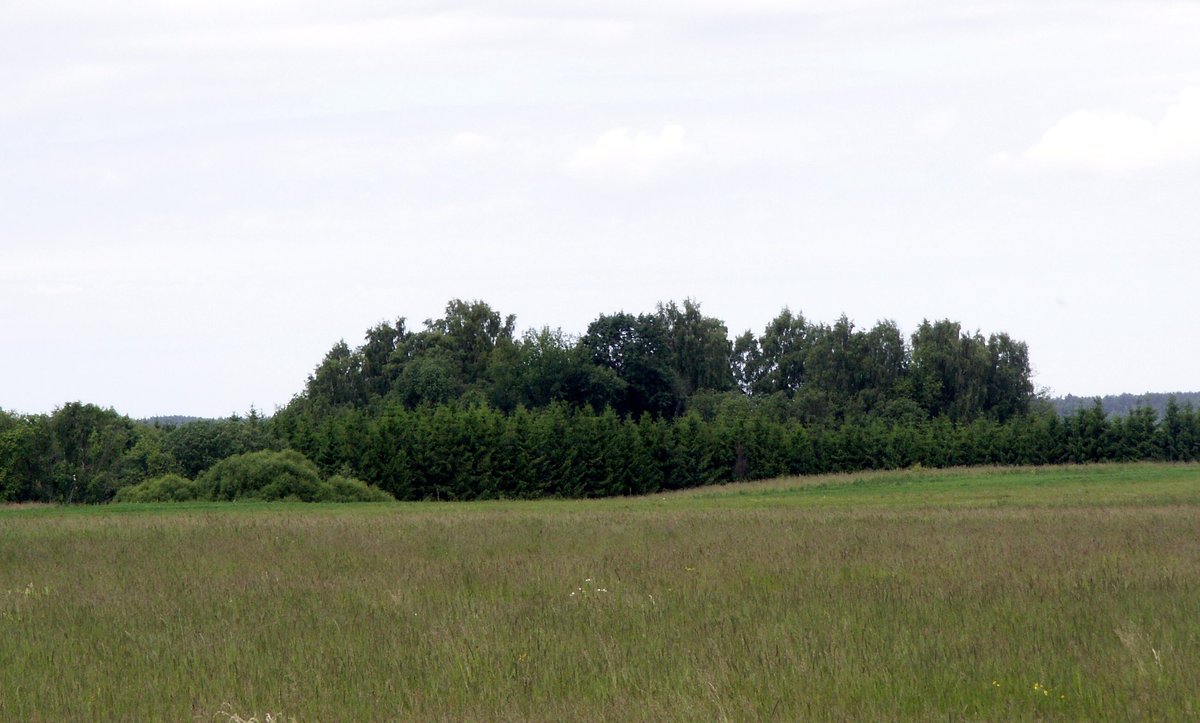
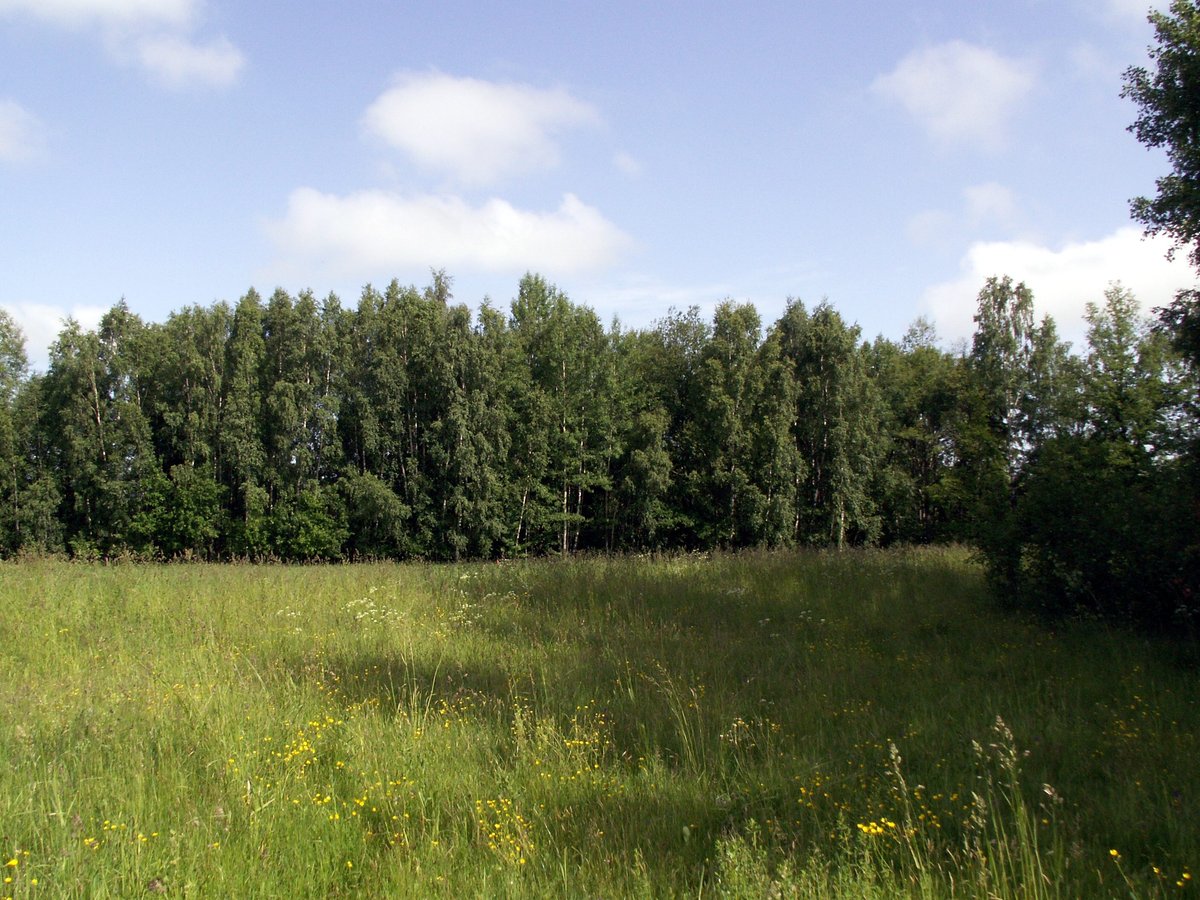
The site features a nearly square courtyard measuring 45 by 45 meters. Along the western edge, a defensive ditch remains, though it is filled with debris. Adjacent to this is a defensive rampart approximately 45 meters long, 0.3–0.5 meters high, and 13 meters wide, which has been worn down by long-term plowing. The landscape is heavily affected by natural erosion and farming, with the area now covered in hawthorn bushes, trees, and shrubs.
On the eastern slope, old potato holes are still visible. A commemorative sign marking the site stands on the eastern slope, identifying it as Dauginčių piliakalnis. While archaeology has been conducted here since 1966, the site remains a quiet, weathered monument to the region's early history.
Sources: Wikipedia, OpenStreetMap, Wikidata, Wikimedia Commons
Written by Nicolo Ciampini
Discuss this with the author and others
No comments yet. Be the first to start the conversation.