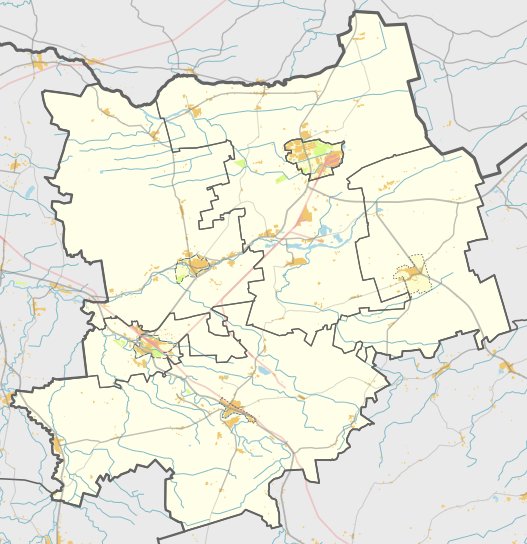

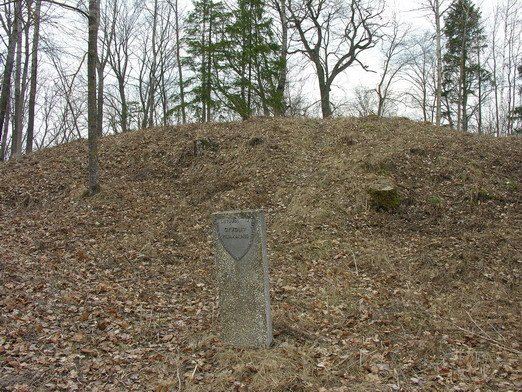
Most of this hill is gone. Since the late 19th century, gravel pits have been eating away at the landscape, carving into the site until only a fraction of the original fortification remains.
On the northern western edge, a part of the wall remains 0.5 metres high and 5 metres wide. It sits on a platform that was once 50 metres wide, though it has shrunk to just 16-18 metres today. Archaeologists date the site between the 1st millennium and the 13th century. They found glued ceramics in the soil, evidence of a life lived long before the gravel pits arrived. To the east, there is evidence of a settlement covering about a hectare.
Today, the site is a wooded spot between Vėlaičiai and Kerėžiai. The slopes and the areas of the gravel pits are covered in pines, while the courtyard is grassy. The hillfort dates from the 1st millennium to the 13th century.
Sources: Wikipedia, OpenStreetMap, Wikidata, Wikimedia Commons


Written by Nicolo Ciampini
Discuss this with the author and others
No comments yet. Be the first to start the conversation.