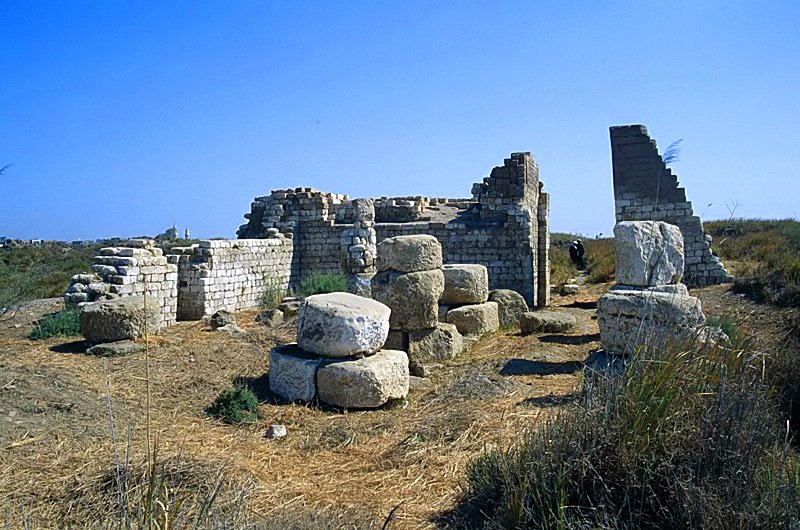

Hermopolis, also known as Hermopolis Magna, was a major city in antiquity located near the boundary between Lower and Upper Egypt. Its Egyptian name, Khemenu, is derived from the Ogdoad, a group of eight primordial deities whose cult was situated there. The name translates to Eight-Town, and it served as a provincial capital since the Old Kingdom.
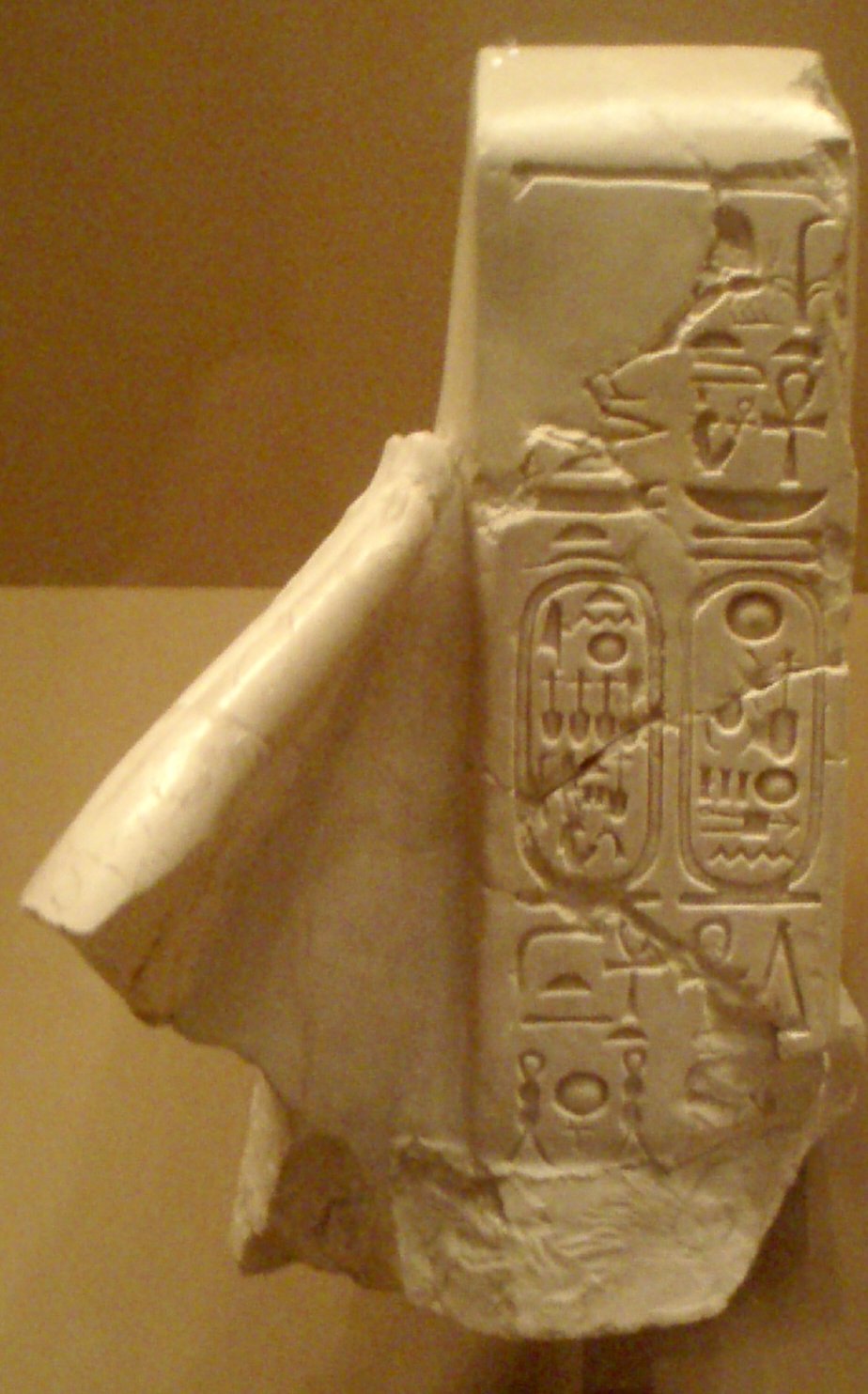
The city expanded into a significant capital for the Hare nome. Because of its location as a border town, it was a place of great resort and opulence, ranking second to Thebes alone. Within its boundaries, the Greeks recognized the messenger Hermes, identifying him with the local god Thoth. Thoth was the Pharaonic god of magic, healing, and wisdom, as well as the patron of scribes. In this city, he was represented by the ibis.
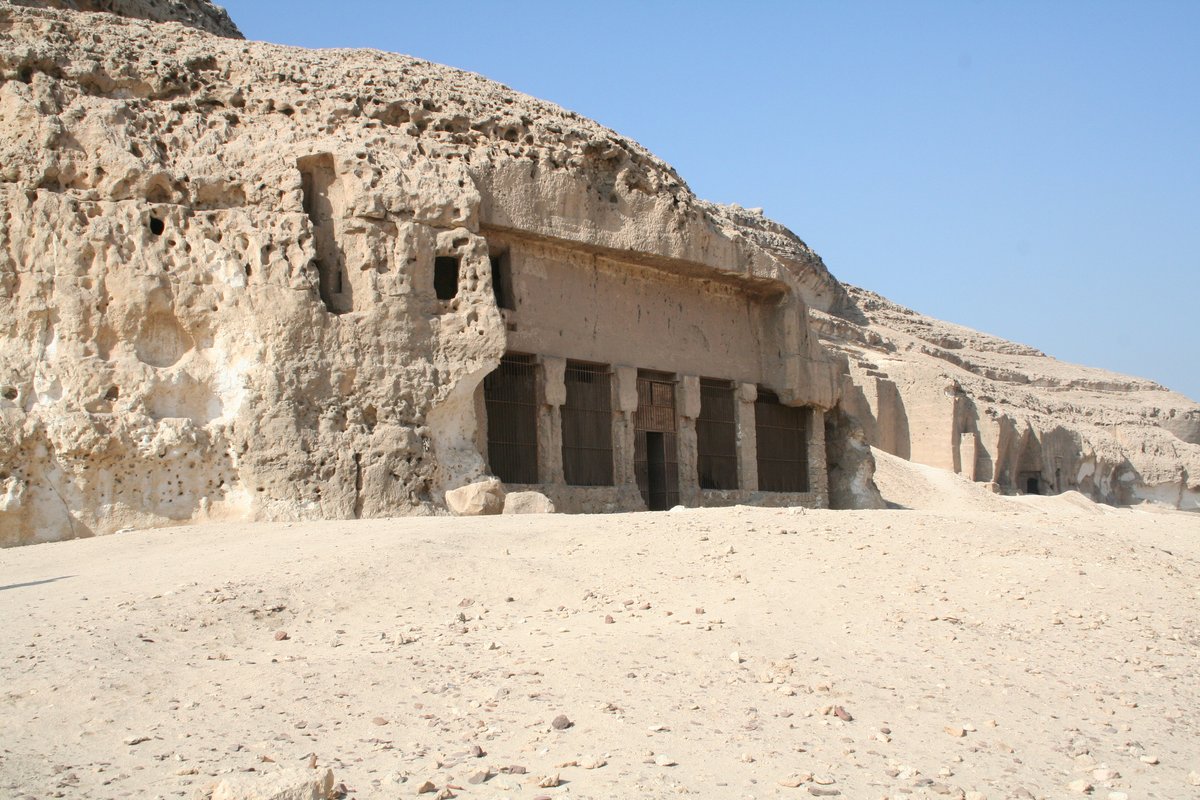
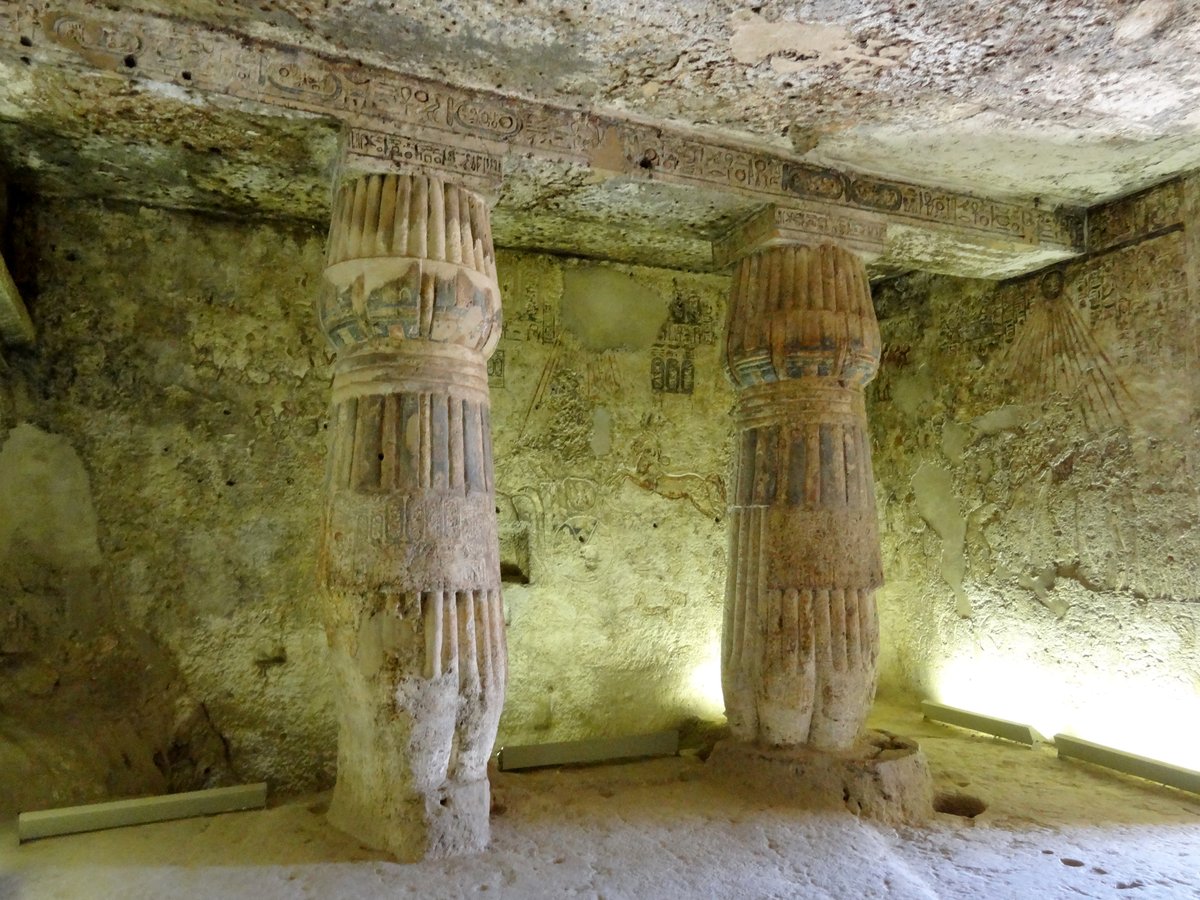
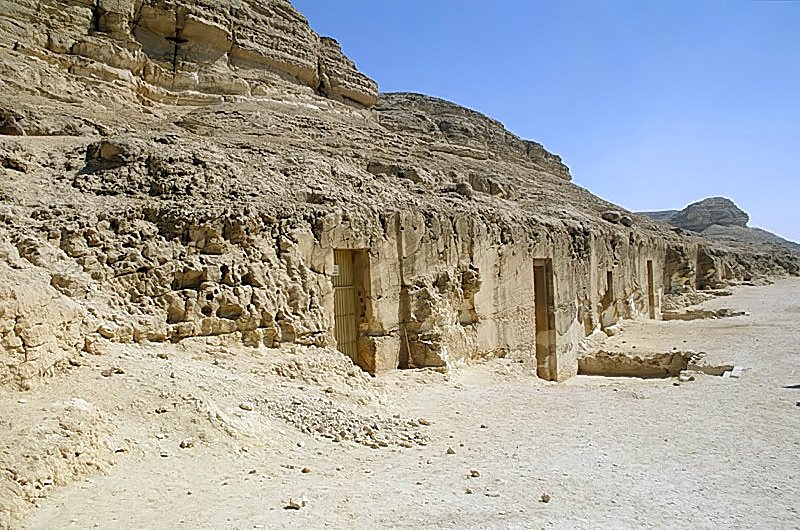
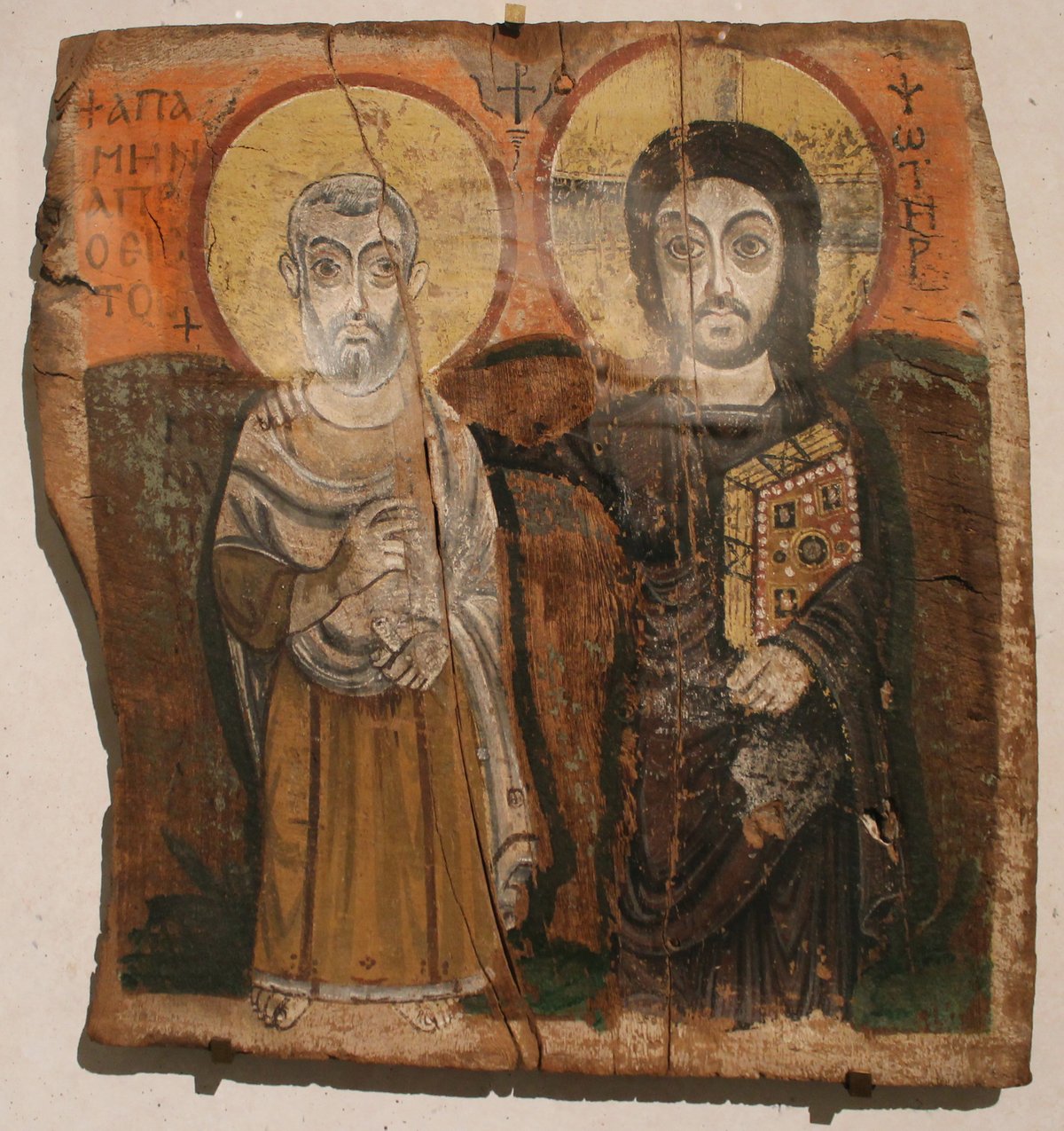
Beyond the city limits, the river served as a dividing line for the dead. The inhabitants used the grottos of Beni Hasan as common cemeteries, as it was easier to ferry the deceased across the water than to transport them by land to the western hills. The city remained a significant center through the Roman period and became an early Christian center from the third century.
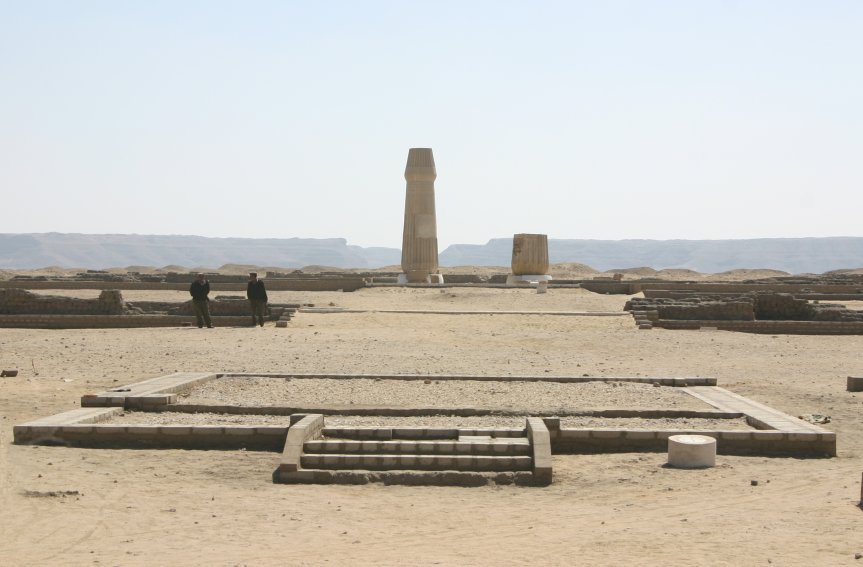
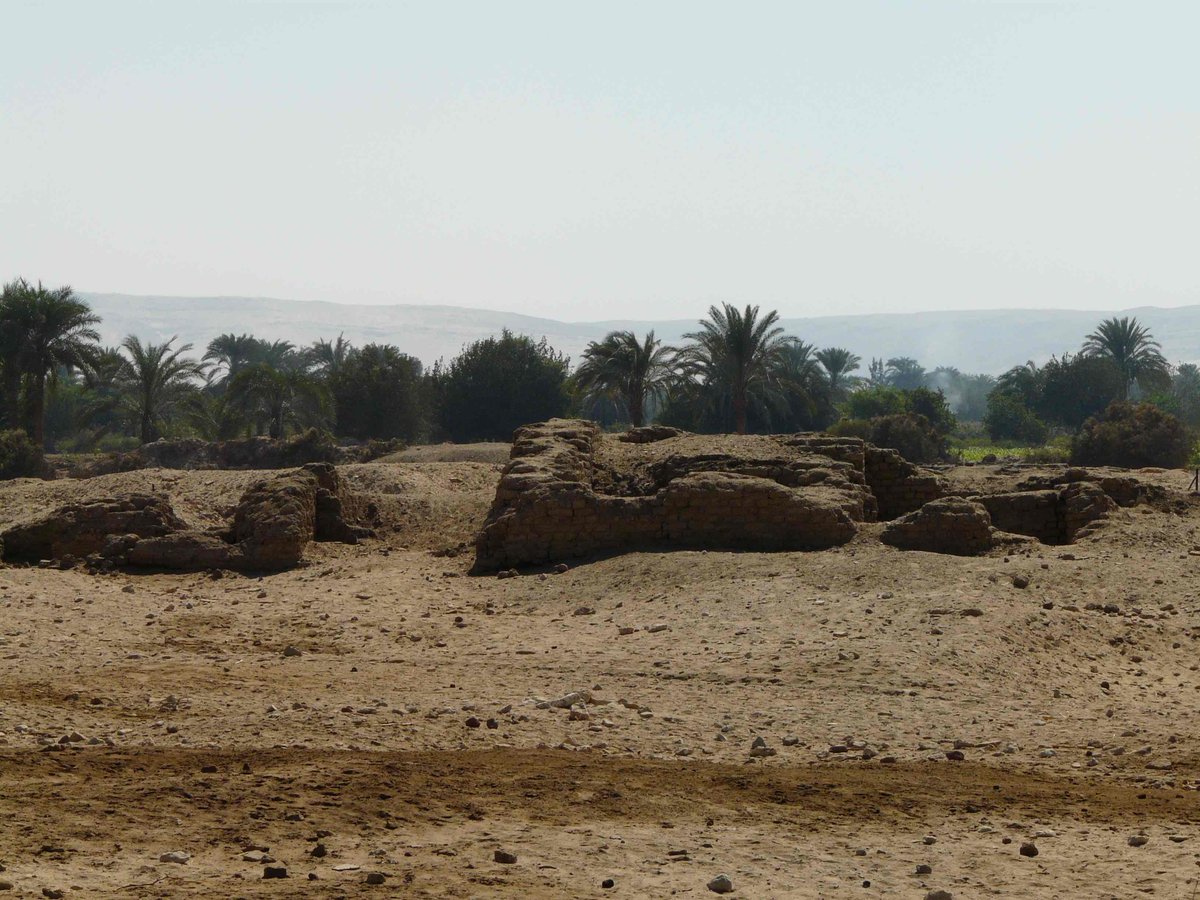
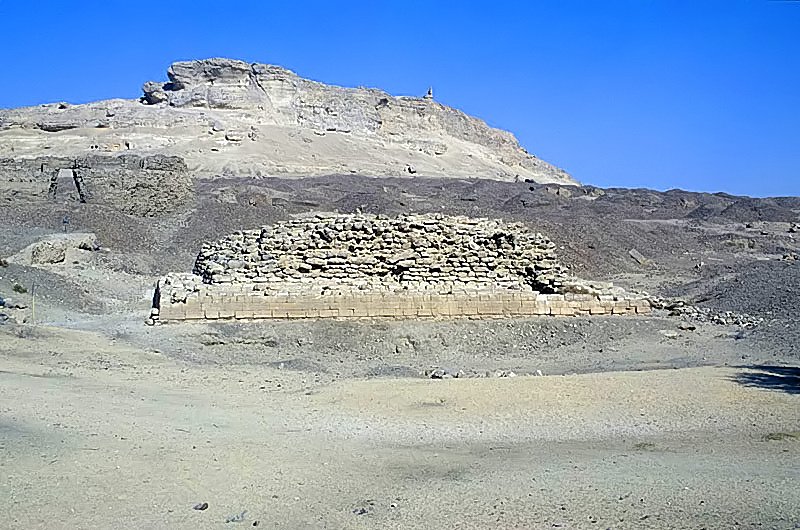
Today, the remains of the city are located near the modern town of el-Ashmunein in the Minya Governorate of Egypt. The city faded under the Muslim conquest but remains a titular see for both the Latin Catholic and Coptic Orthodox churches.
Sources: Wikipedia, OpenStreetMap, Wikidata, Wikimedia Commons
Written by Mutabor
Discuss this with the author and others
No comments yet. Be the first to start the conversation.