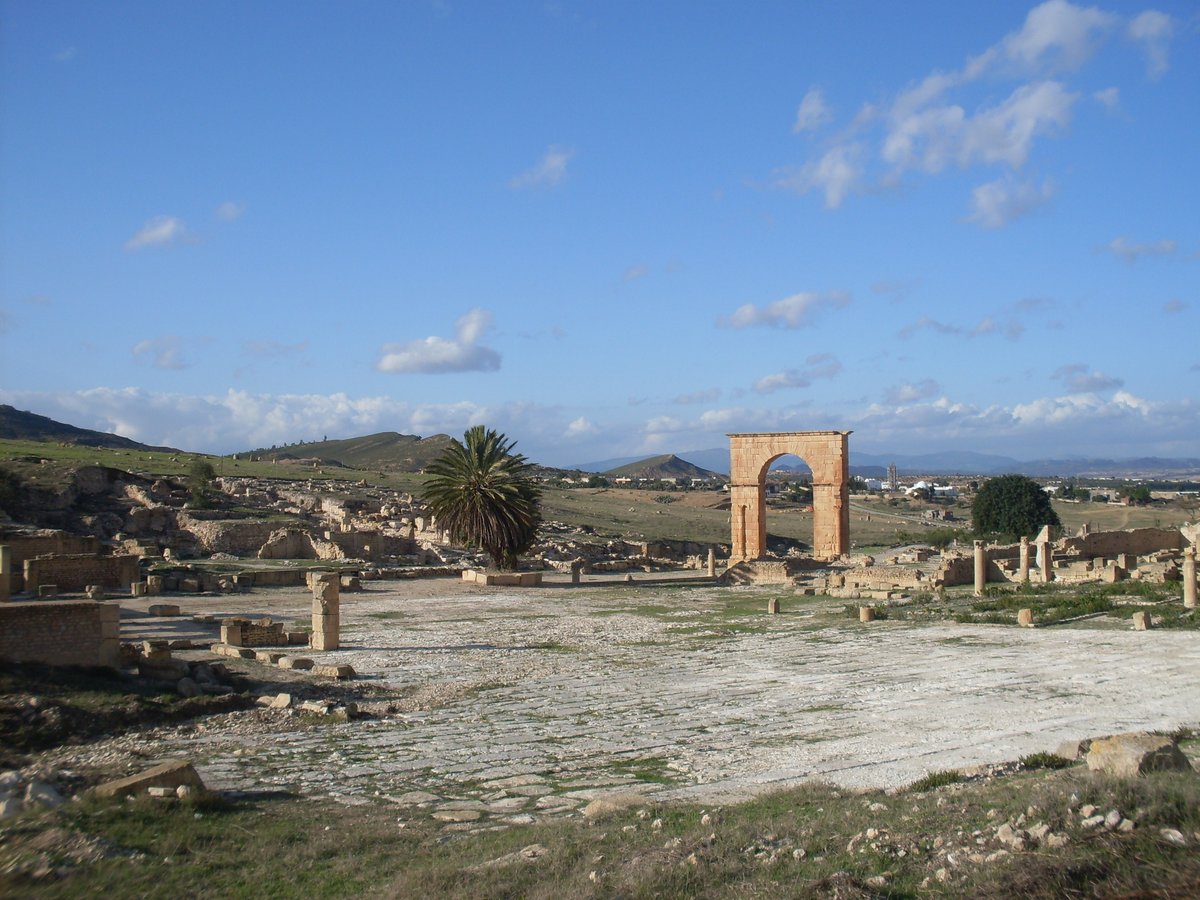

Pheradi Majus is an archaeological site in Tunisia located near the modern town of Sidi Khalifa in the Sousse Governorate. During the Roman Empire, it was a civitas of the Roman province of Byzacena. Its existence dates back at least to the third century BC. The city became a municipality under Marcus Aurelius and a Roman colony before being abandoned towards the 12th century. The name of the city was identified thanks to a Latin text of a dedication to Neptune Augustus for the salvation of the Roman emperor Antoninus Pius, signed by a local notable named Marcus Barigbalus Pheraditanus Majus.
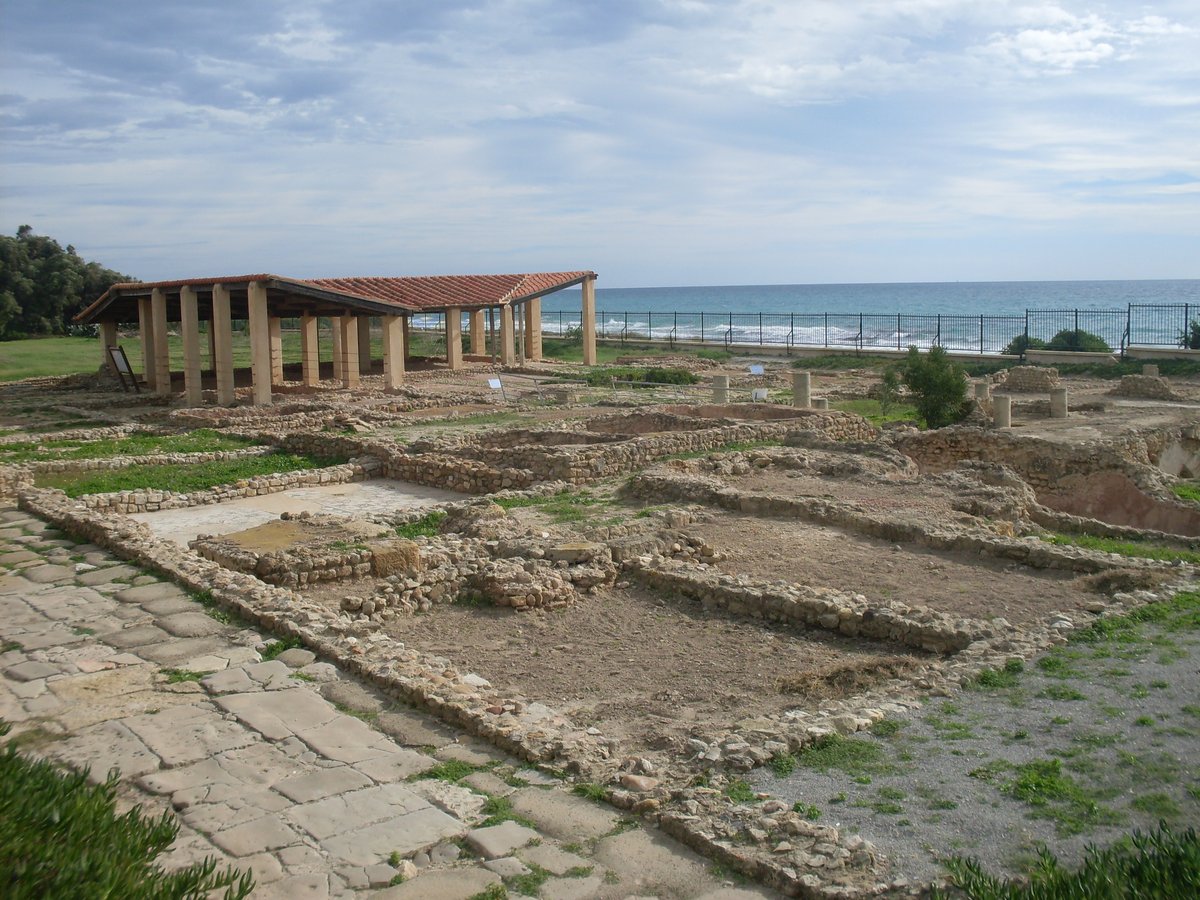
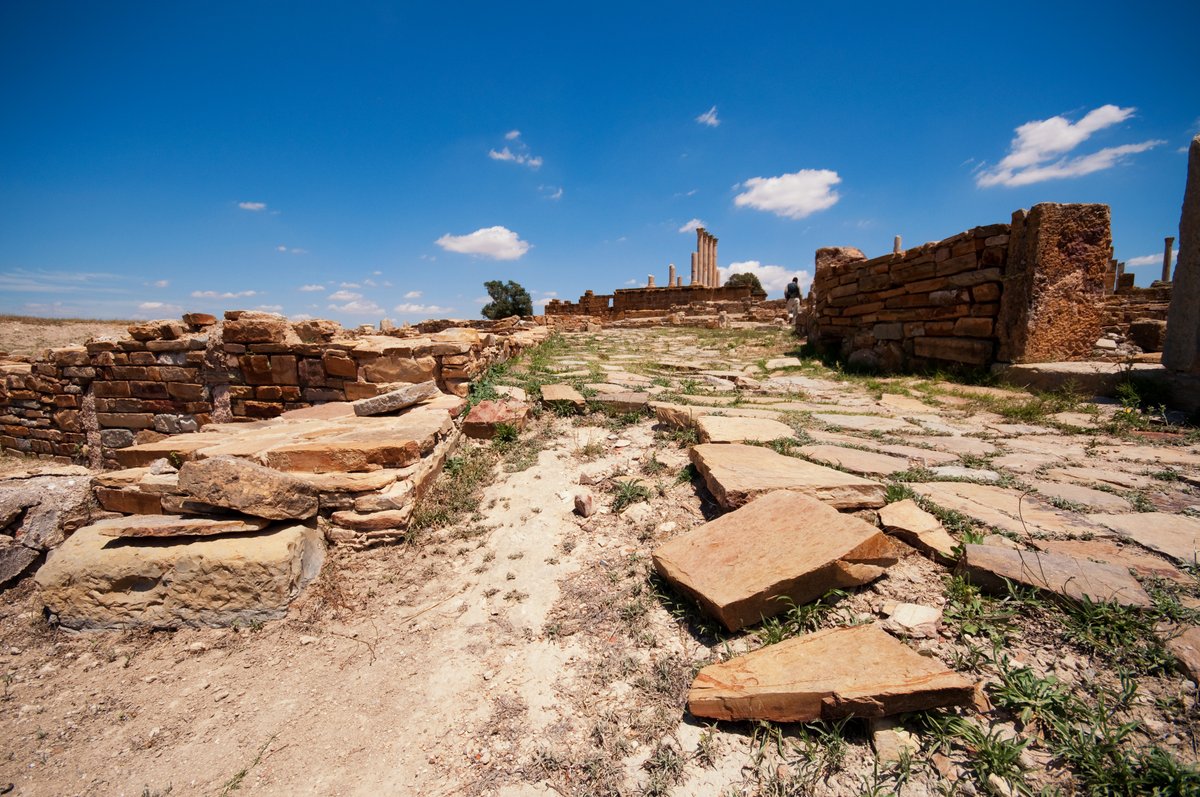
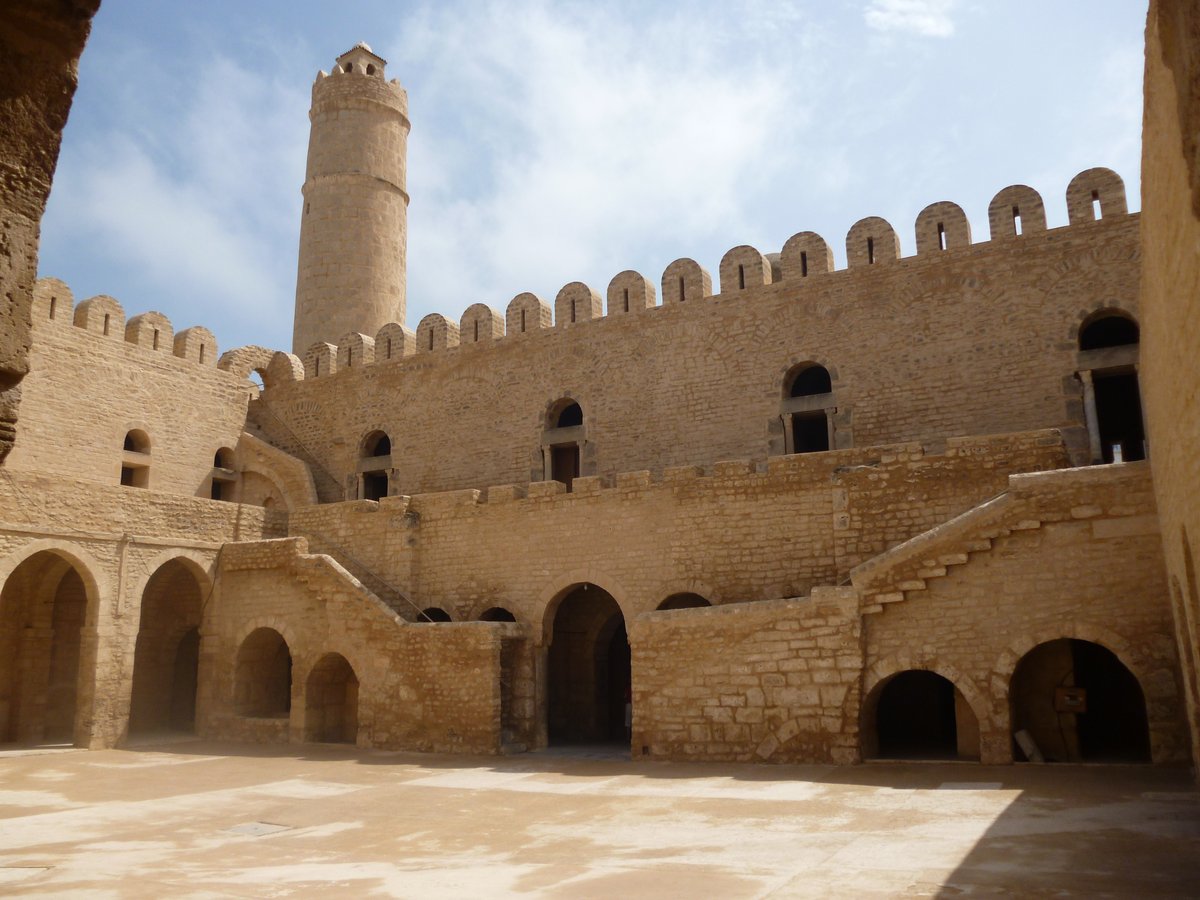
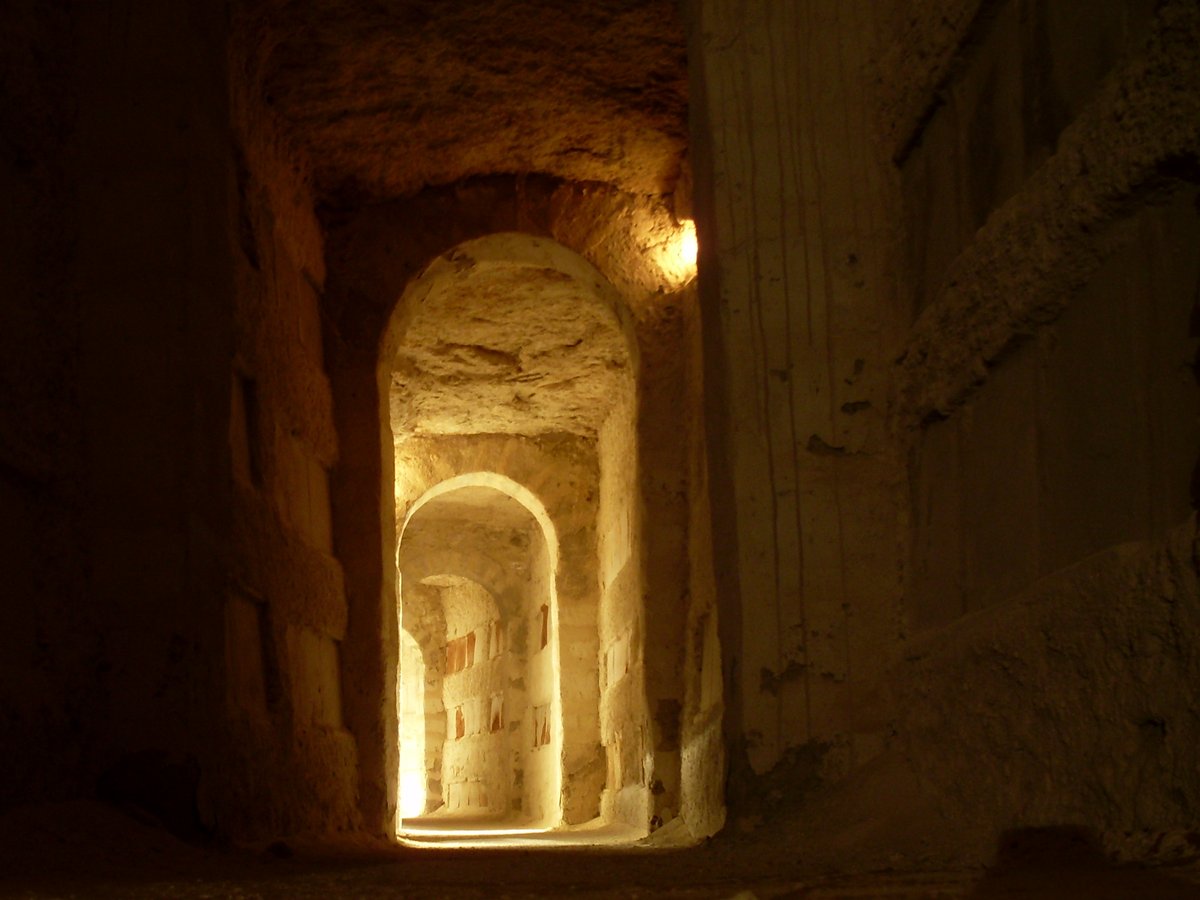
The ruins at Pheradi Majus include a forum, a triumphal arch, and church buildings. The forum is surrounded by porticos on three sides. The door of the forum is an arch that rests on two foot-rights flanked by two niches that can shelter statues of divinities. The market can be described roughly as an irregular rectangle with a courtyard surrounded by a paved portico. The site includes a religious complex on a hill consisting of several temples built with large blocks of stones, where only the basement with two floors of rooms and vaults remains. Only two documented bishops of Feradi Maggiore are known.
Vincentian, a Catholic Bishop from Feradi, attended the Council of Carthage in 411. Aurelius, another Catholic Bishop from Feradi, took part in the synod called in Carthage by the Vandal king Huneric in 484, after which he was exiled. Today, Feradi Major survives as a titular bishopric with the current bishop being Estevam Santos Silva Filho of San Salvador.
Sources: Wikipedia, OpenStreetMap, Wikidata, Wikimedia Commons
Written by Mutabor
Discuss this with the author and others
No comments yet. Be the first to start the conversation.