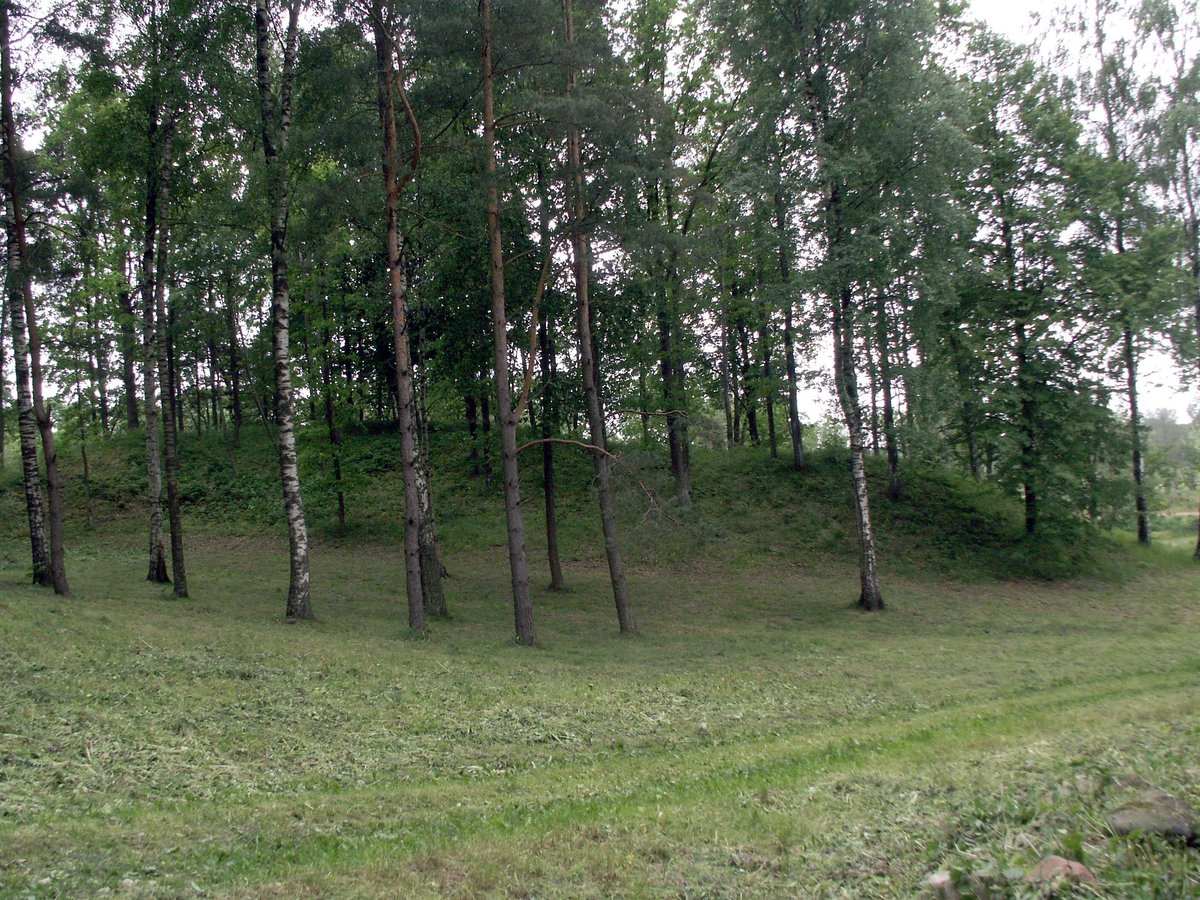

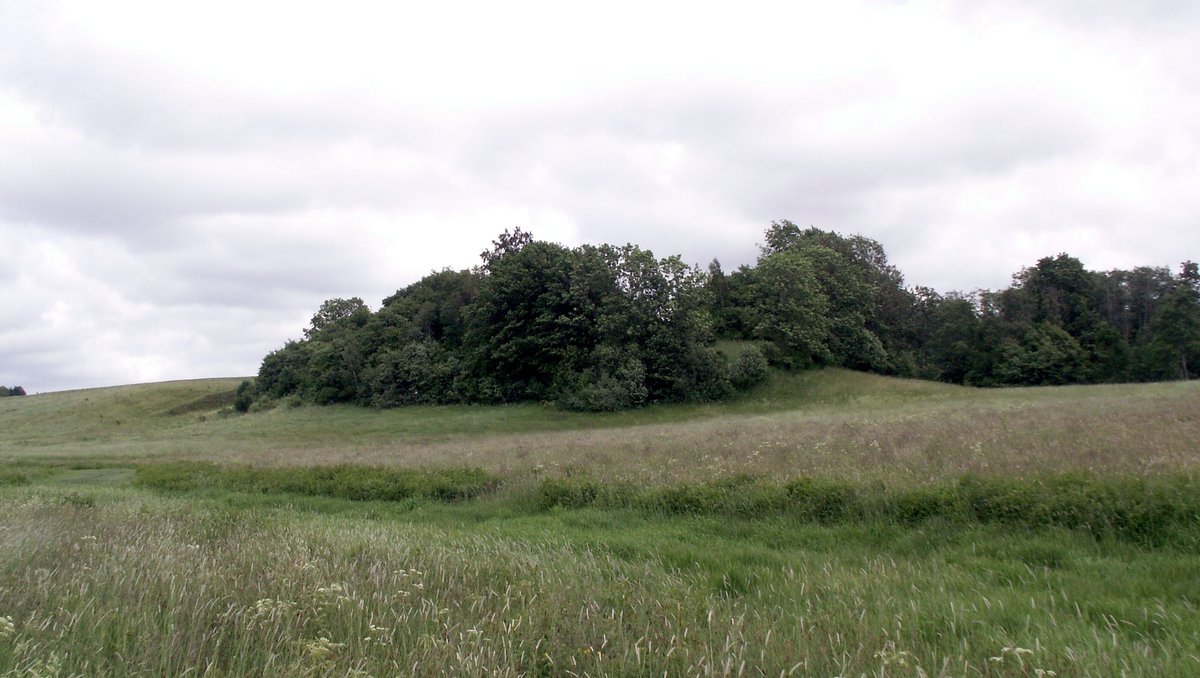
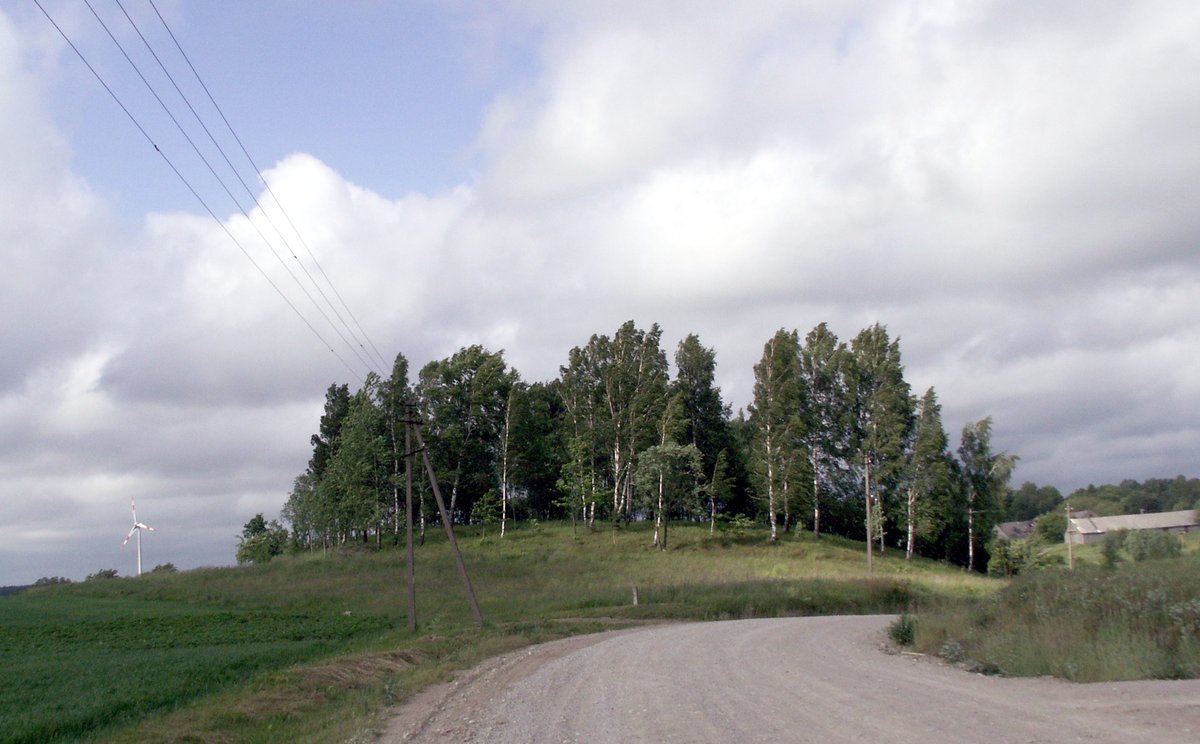
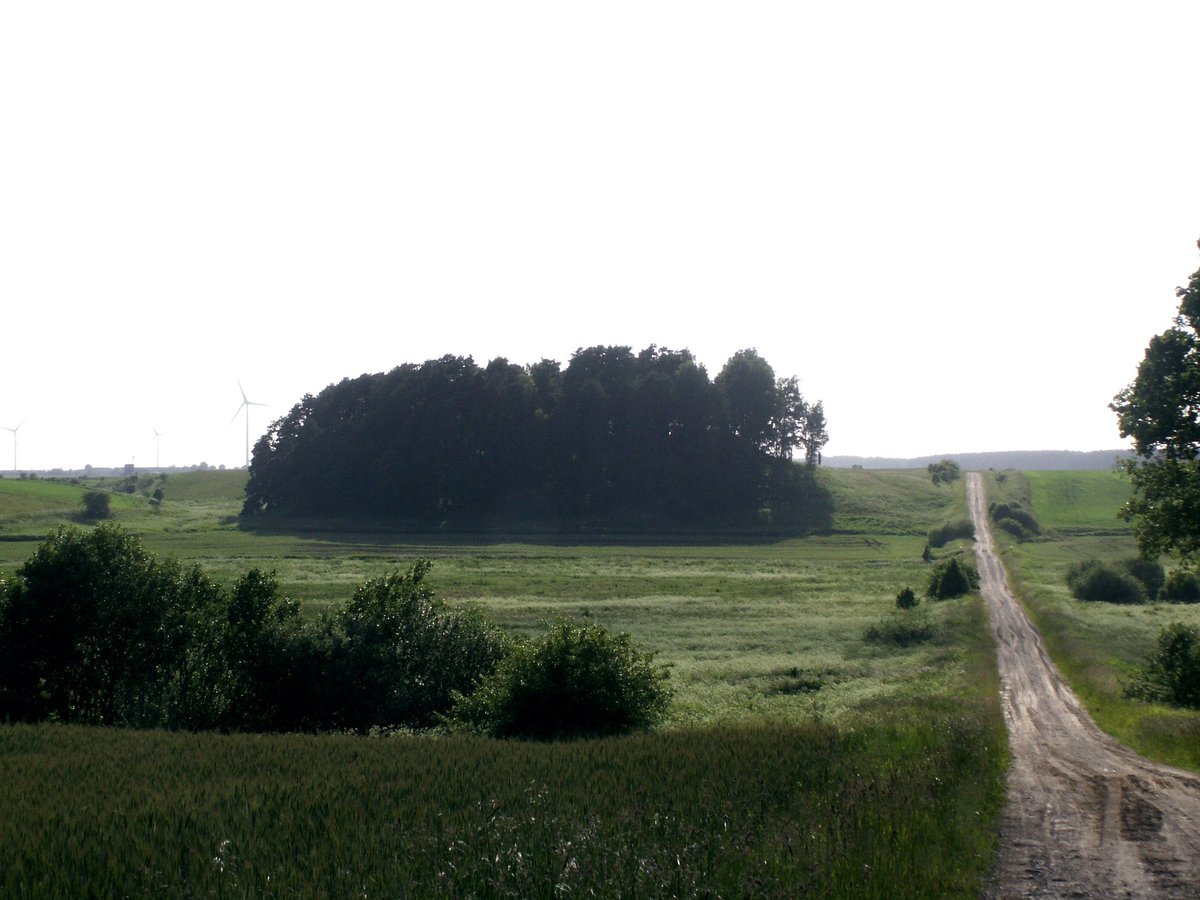
In 1263, during a crusade against the Curonians, crusader forces captured Kretingos pilis. The historical records state that the crusaders killed all the defenders and residents, including women and children, without mercy. After destroying the property and burning the castle, the knights returned to Klaipėda. The site, known today as Andulių piliakalnis, is also referred to by the local names Švedkalnis, Švedų pylimas, and Piltis.
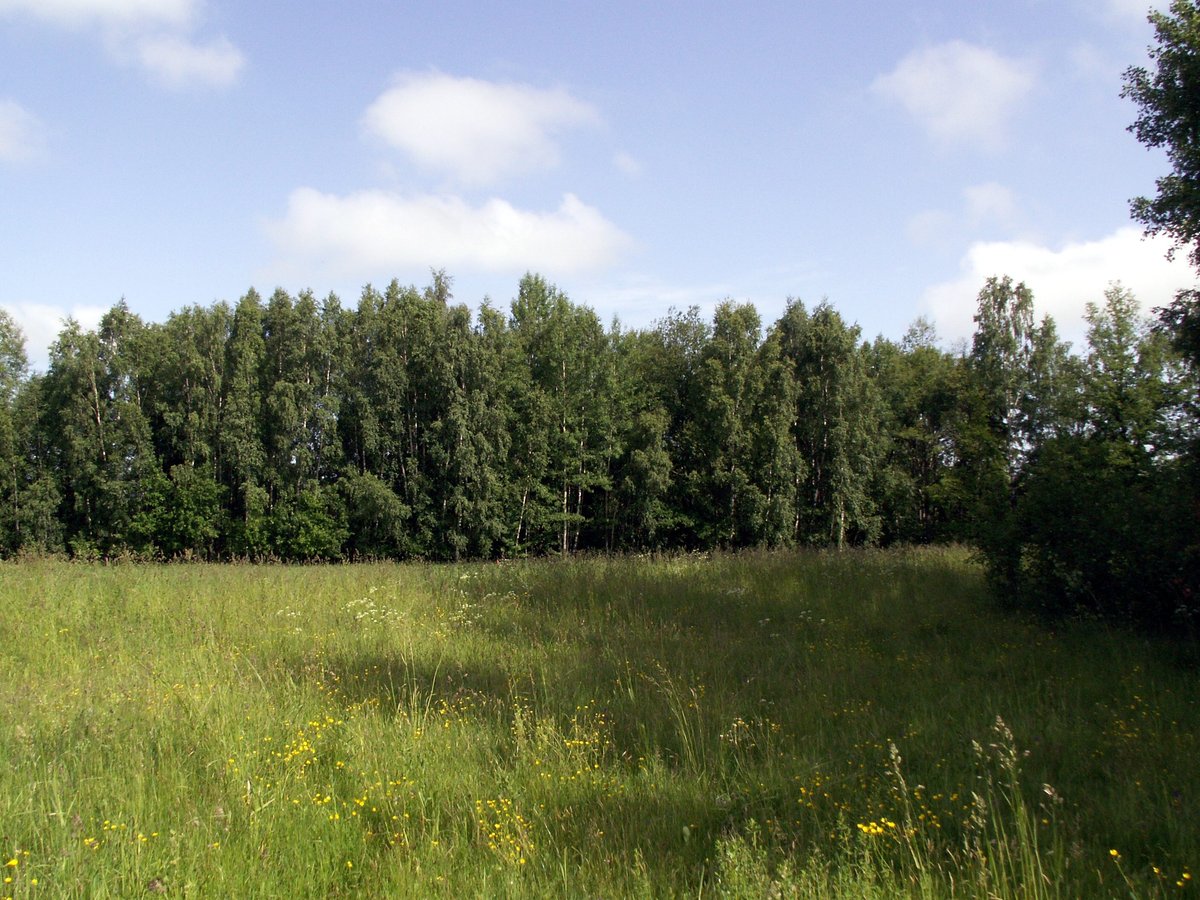
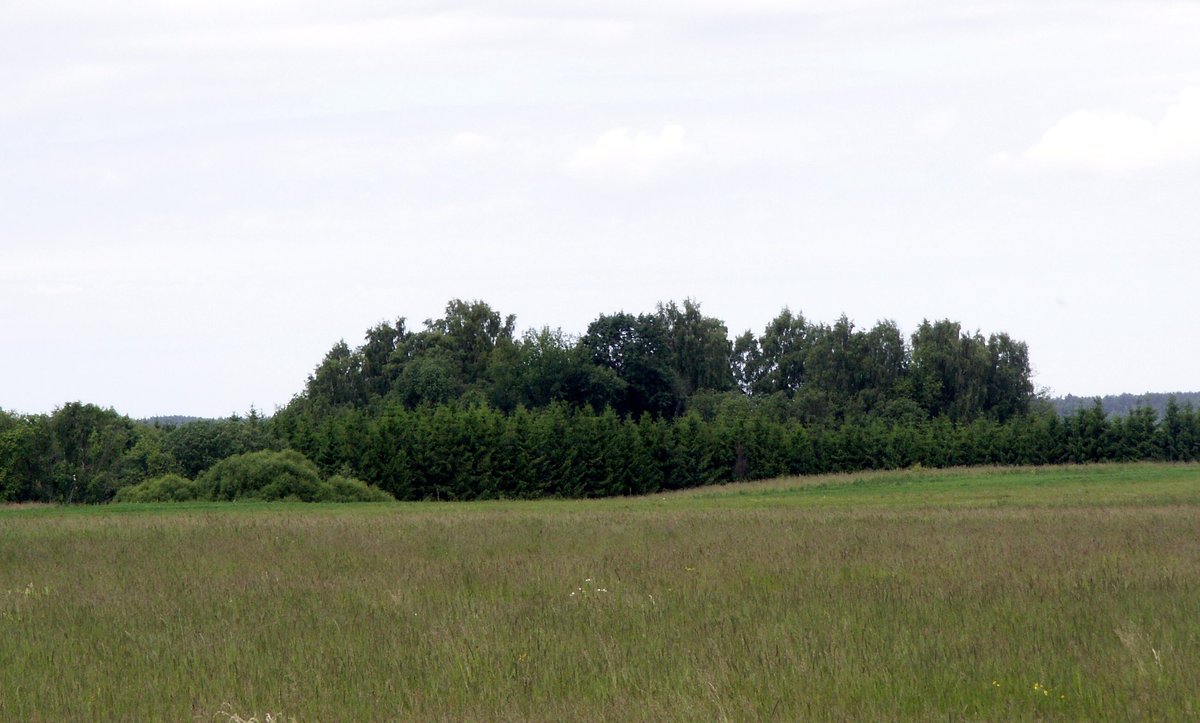
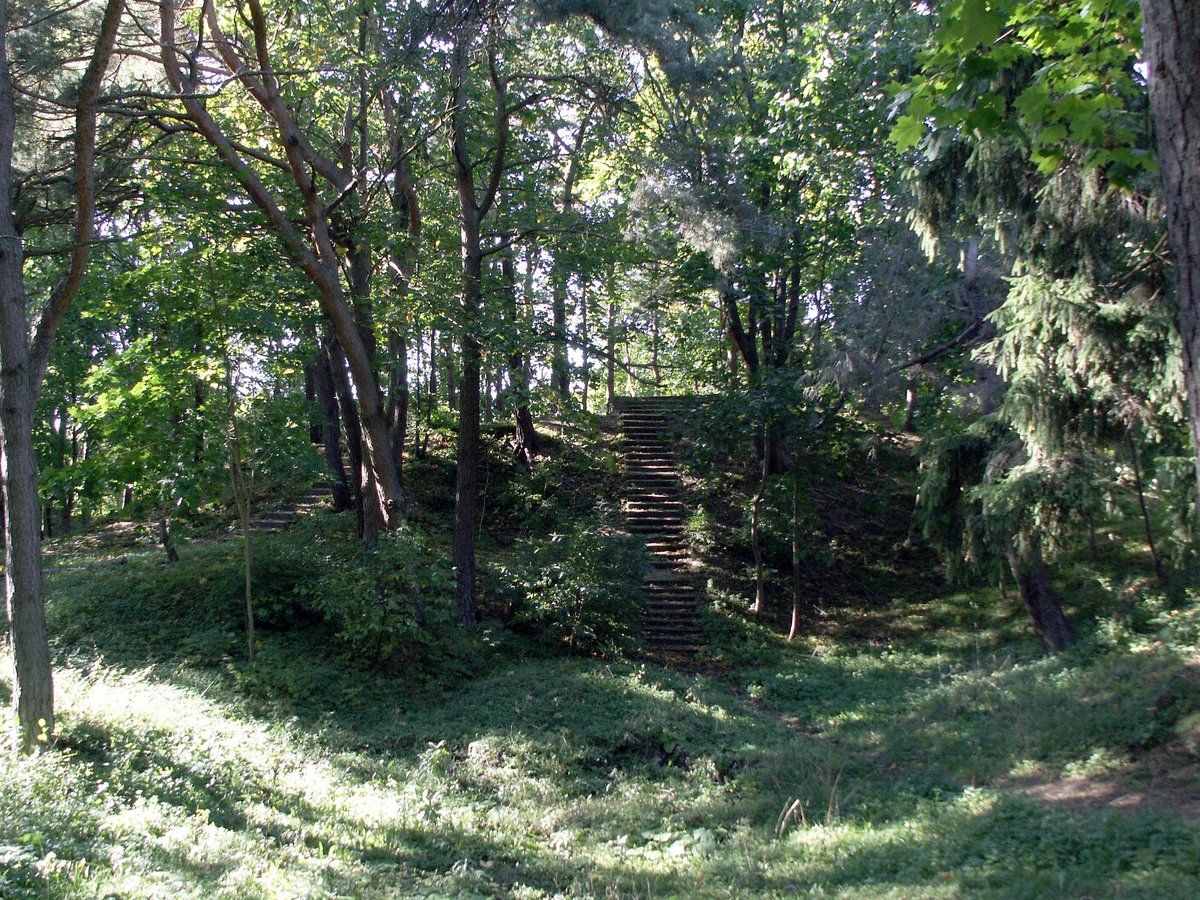
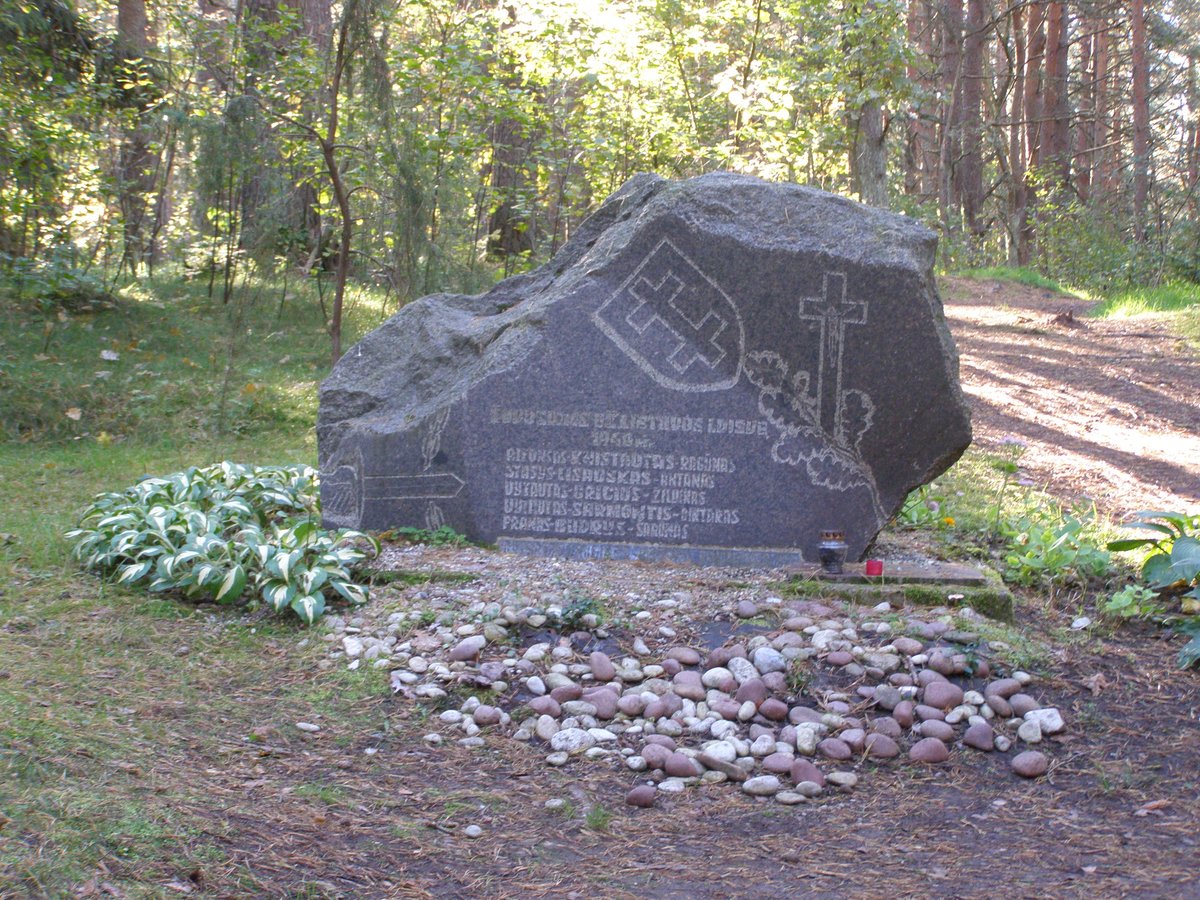
The hillfort is situated on a ridge between the Danės and Šaltupis rivers. It features an oval clearing measuring 60 by 40 metres, oriented north-south. A 70-metre-long bank, originally 1.5 metres high, was raised to 3.5 metres after it was burned. To the north-northwest, there is a 36-metre-long ridge known as Perkūnkalnis, which may have served as an altar site because it contains a large stone with a basin-shaped depression.
Archaeological excavations have been conducted at the site since 1963 to study the various cultural layers. Researchers have found a thin cultural layer from the start of the 2nd millennium, including bronze jewelry and pottery. The 13th-century layers show evidence of two distinct burning events. The site is a protected cultural monument, recognized for its archaeological significance as a complex consisting of both a hillfort and a surrounding ditch.
Sources: Wikipedia, OpenStreetMap, Wikidata, Wikimedia Commons


Written by Nicolo Ciampini
Discuss this with the author and others
No comments yet. Be the first to start the conversation.