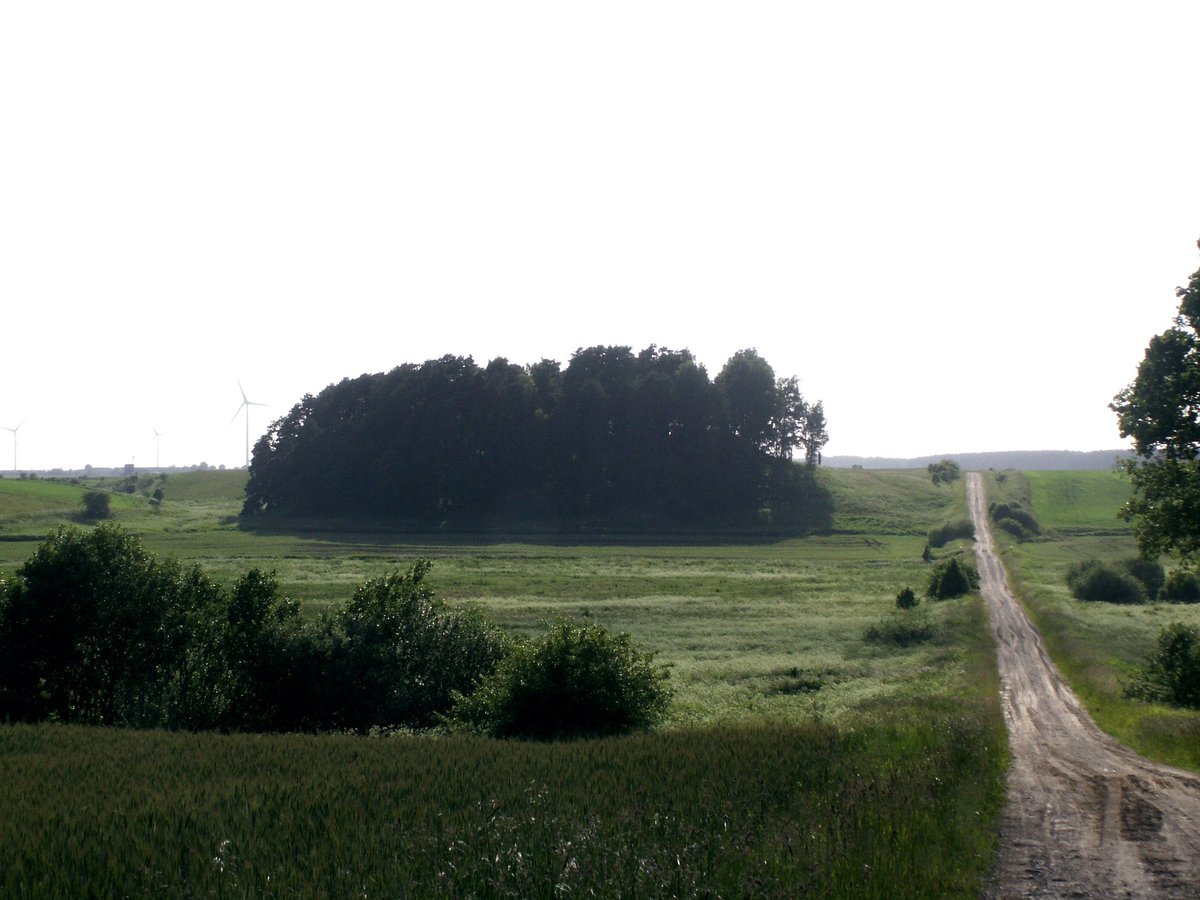

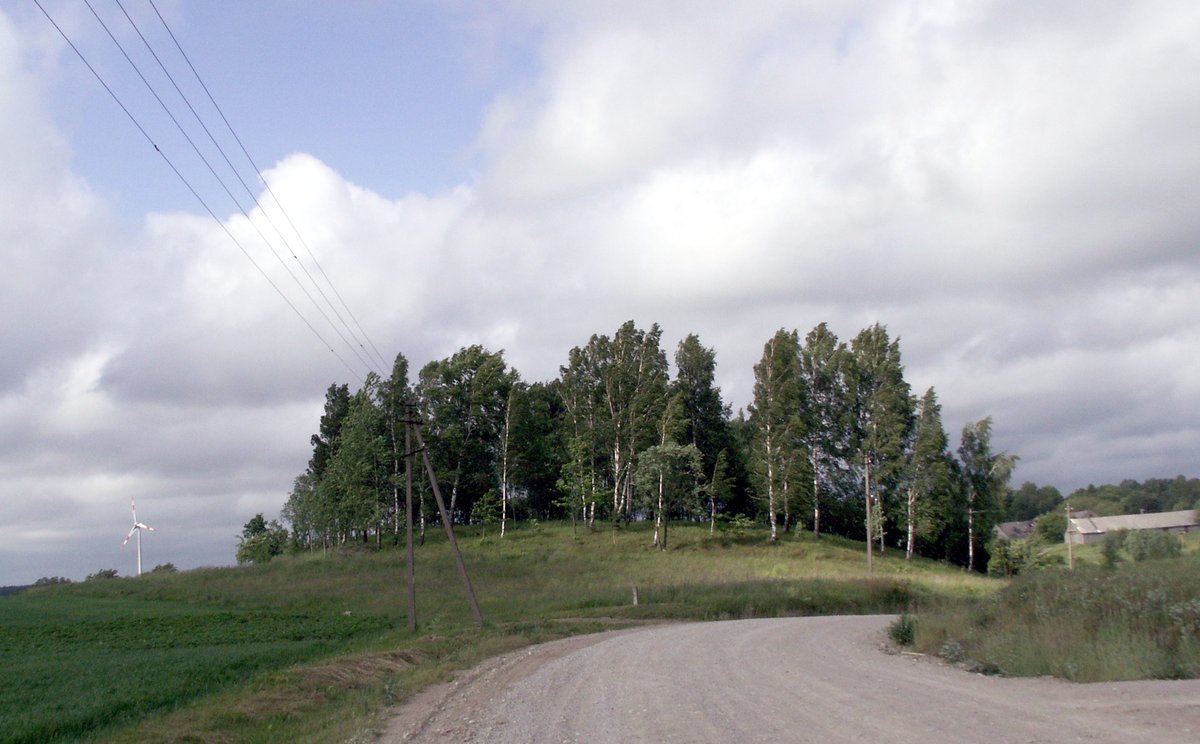
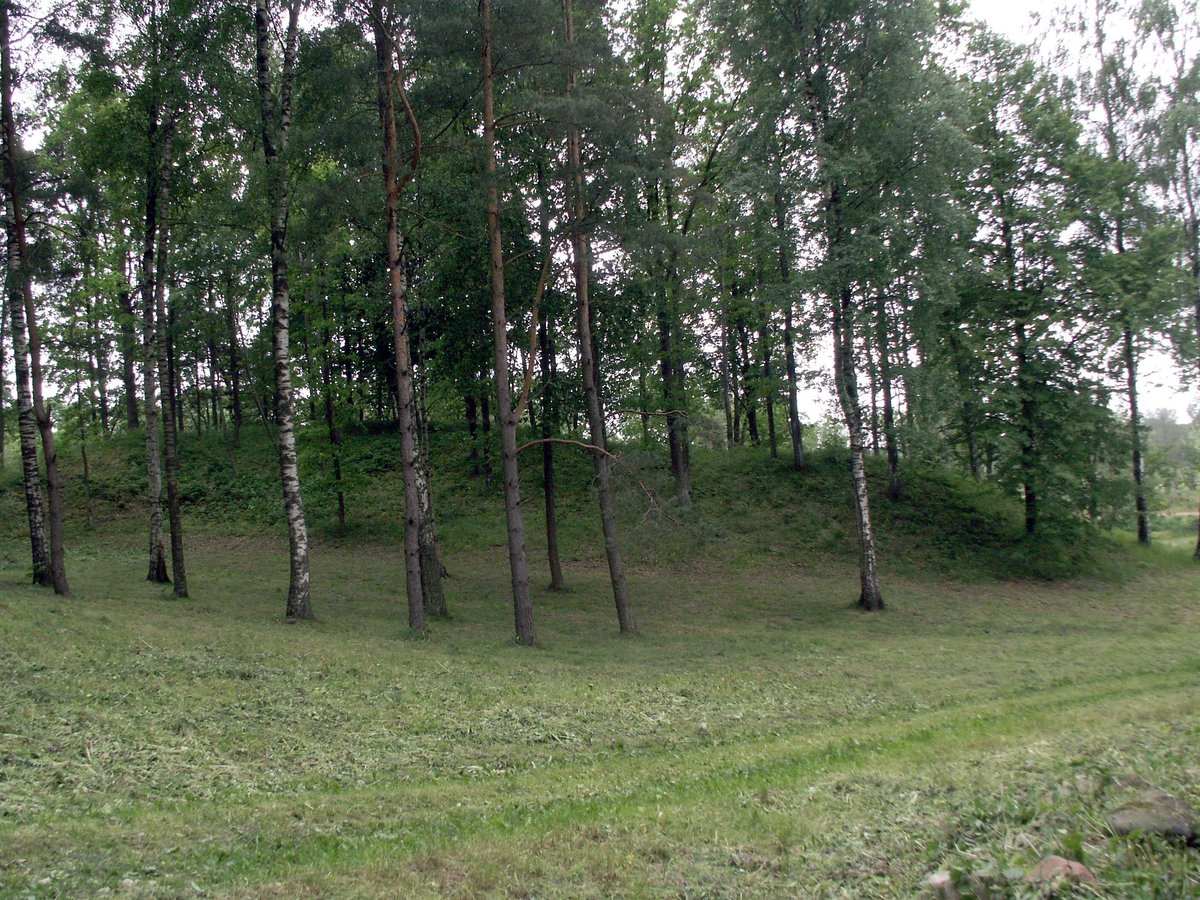
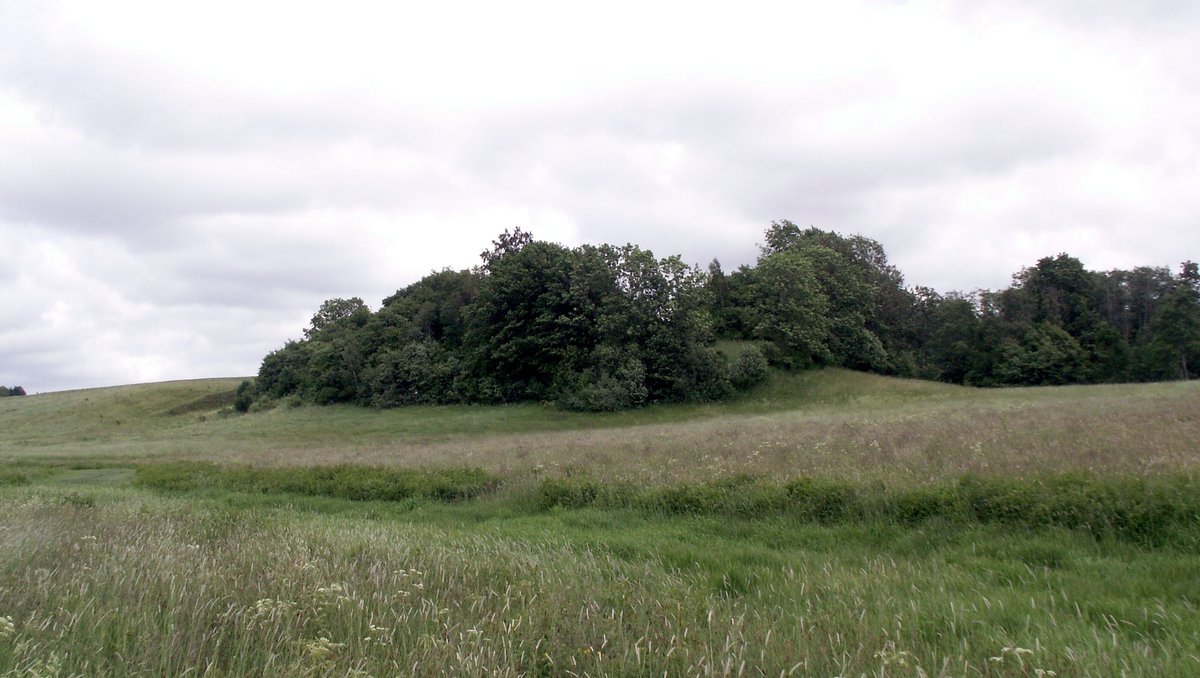
Negarbos piliakalnis, also known as Nagarbos kalnas or Bliūdkalnis, is a hillfort with an adjacent settlement located in the village of Negarba within the Kretinga district. The site is situated on the left bank of the Tenžės river. The hillfort is situated on a high point with a diameter of 47–50 m, surrounded by a 140 m long embankment. The eastern part of the plateau is spring-fed and is believed to have contained a pond to provide water for the fortress inhabitants.
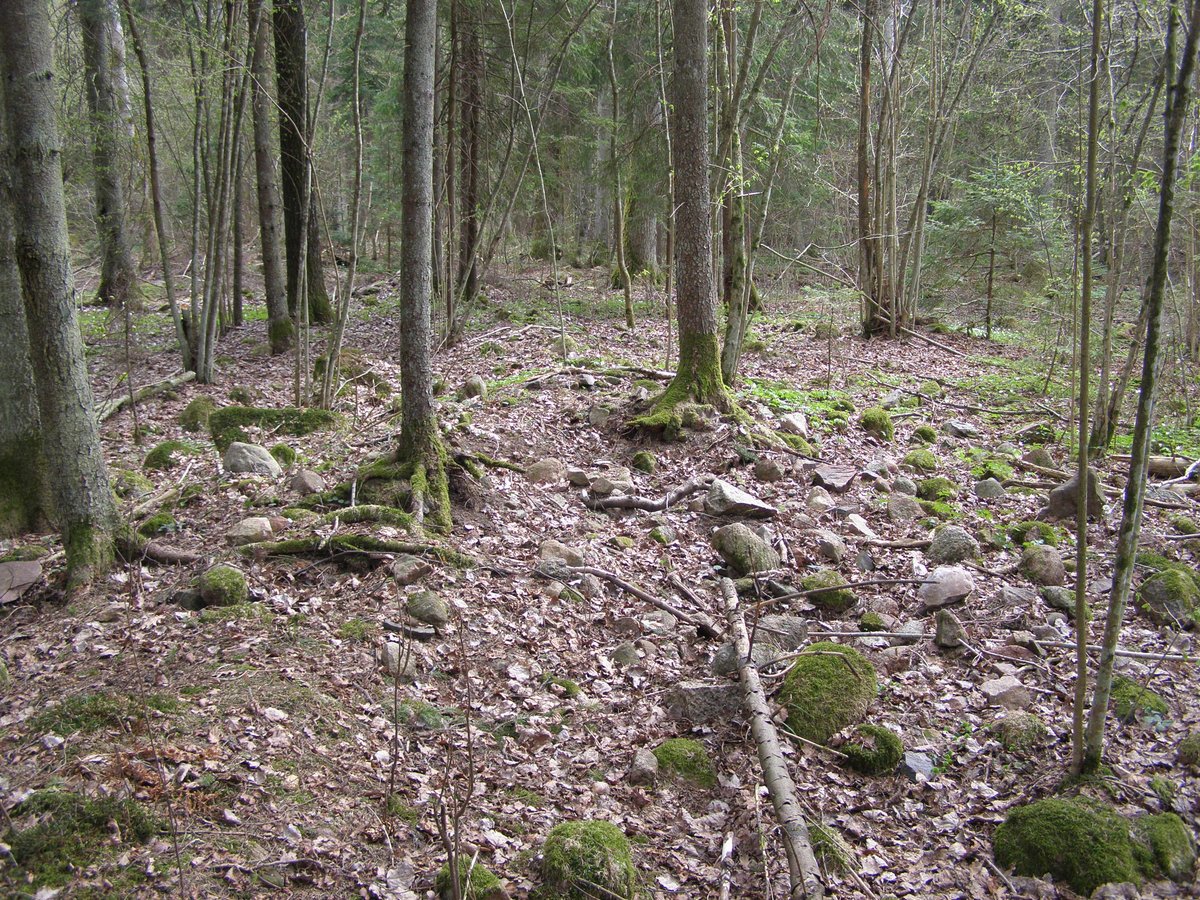
Archaeological investigations of the site began in 1923 and have continued through various expeditions and researchers, including Vladas Nagevičius, Juozas Mickevičius, and Adolfas Tautavičius. In 2003, archaeologist Julius Kanarskas investigated the settlement area, where he identified a cultural layer from the X–XIII centuries. His findings included the remains of a hearth, as well as glazed and striated ceramics and a flint table.
Historically, the site was first mentioned in the book "Žemaičių vyskupystė" by Bishop Motiejus Valančius in 1848. There is a mention in the writings of Bishop Henrik of Courland in 1253 regarding a castle in Nagarba. Local folklore provides a legend about a manor on the hill that was destroyed by deities after the owners refused to help the people, leaving a bush on the summit.
Sources: Wikipedia, OpenStreetMap, Wikidata, Wikimedia Commons



Written by Nicolo Ciampini
Discuss this with the author and others
No comments yet. Be the first to start the conversation.