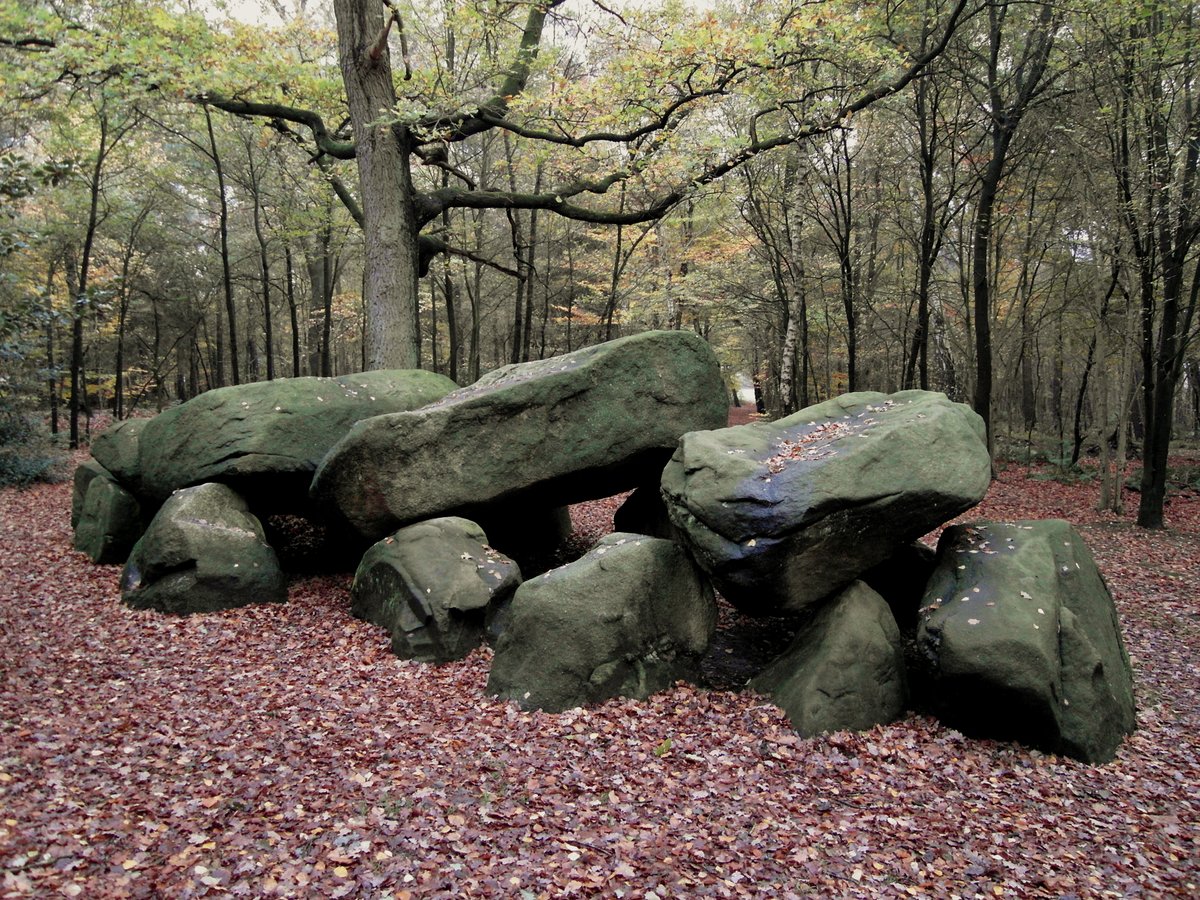
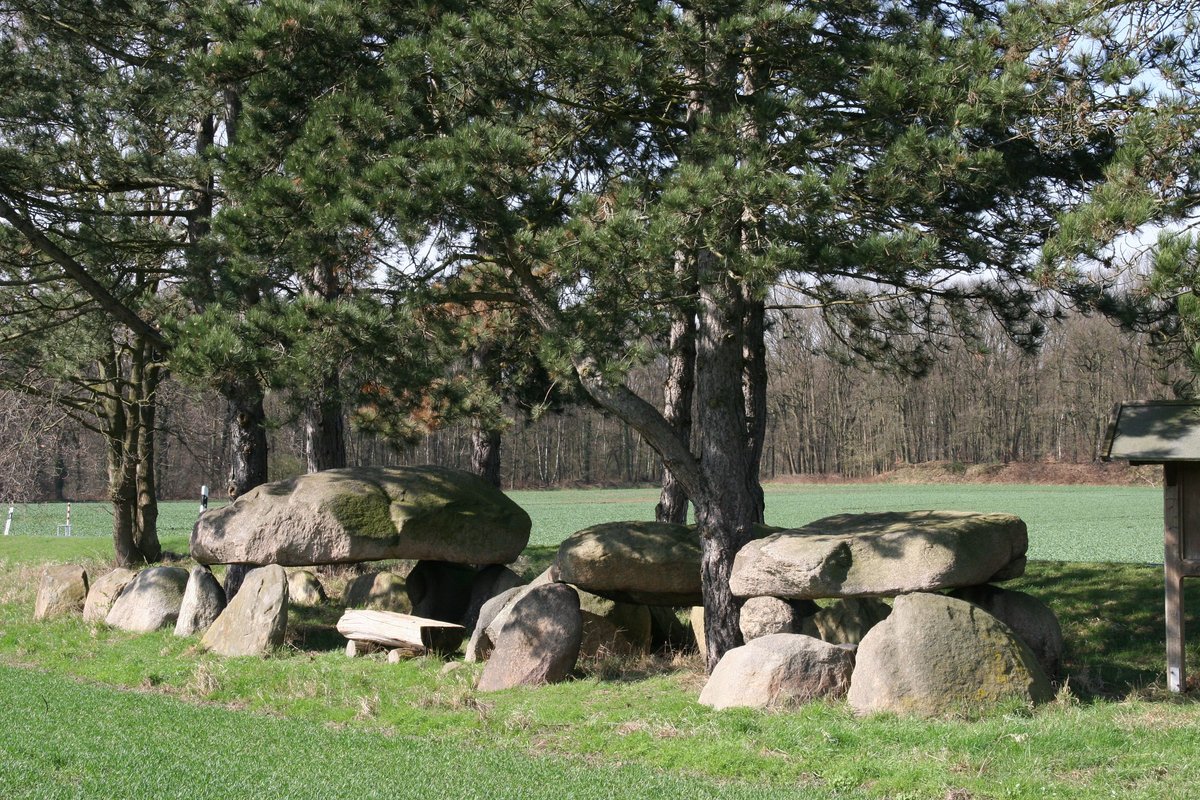
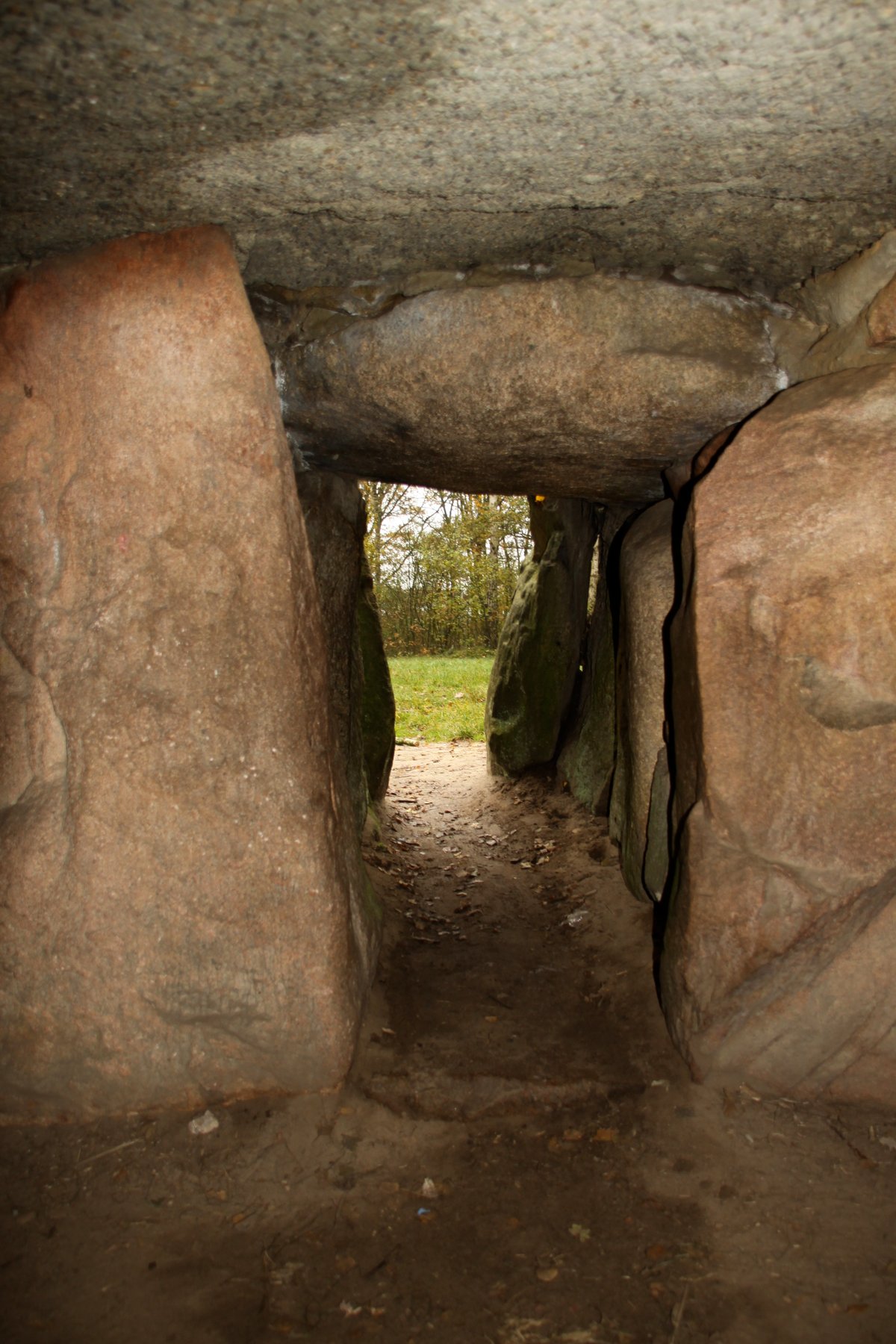
One stone on the south side marks what remains of an entrance - a threshold into a corridor of heavy, prehistoric weight. This is Hünensteine I, a Neolithic long barrow that has stood in the landscape of Lower Saxony for thousands of years.
Built between 3500 and 2800 BC, these structures belong to the Funnelbeaker culture. They are megalithic monuments, massive and deliberate. It is a heavy, enduring architecture that remains a part of the land near Damme.
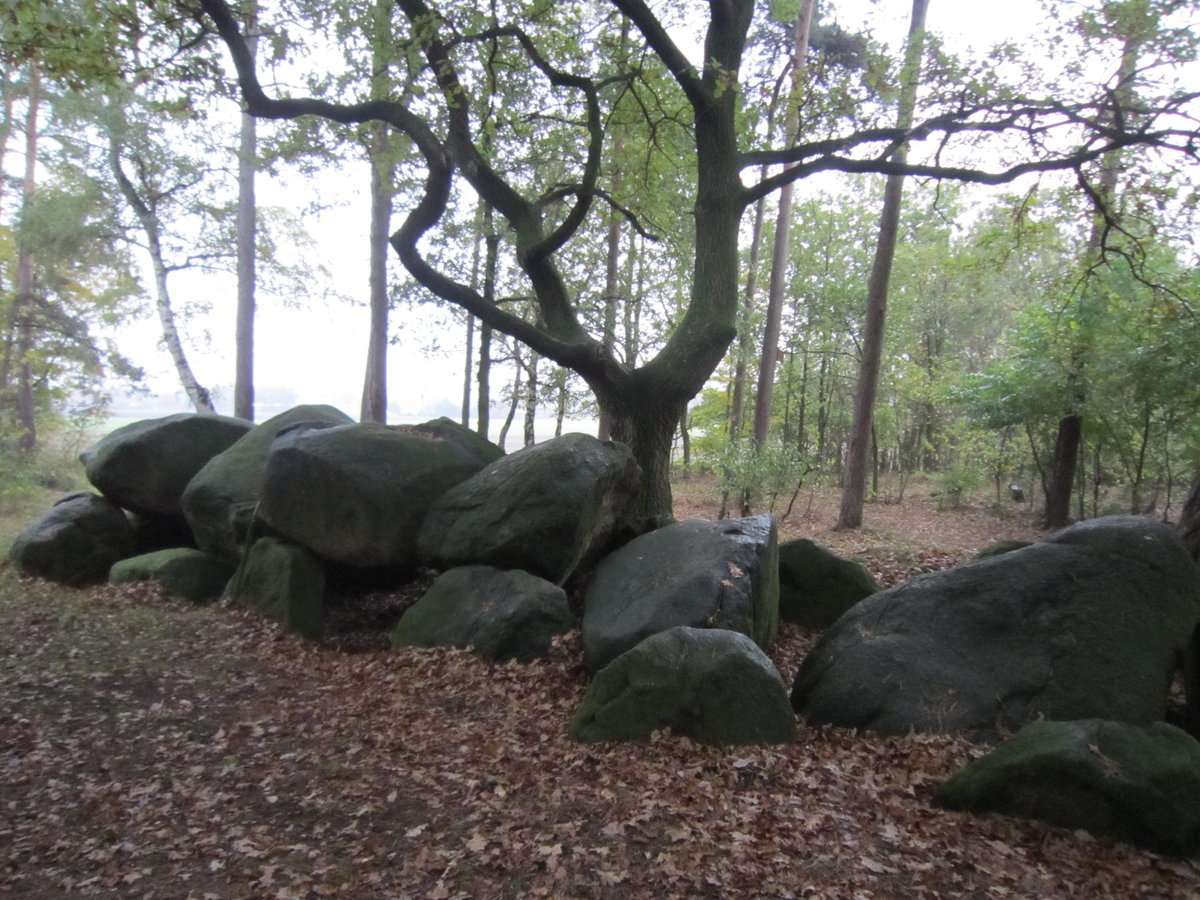
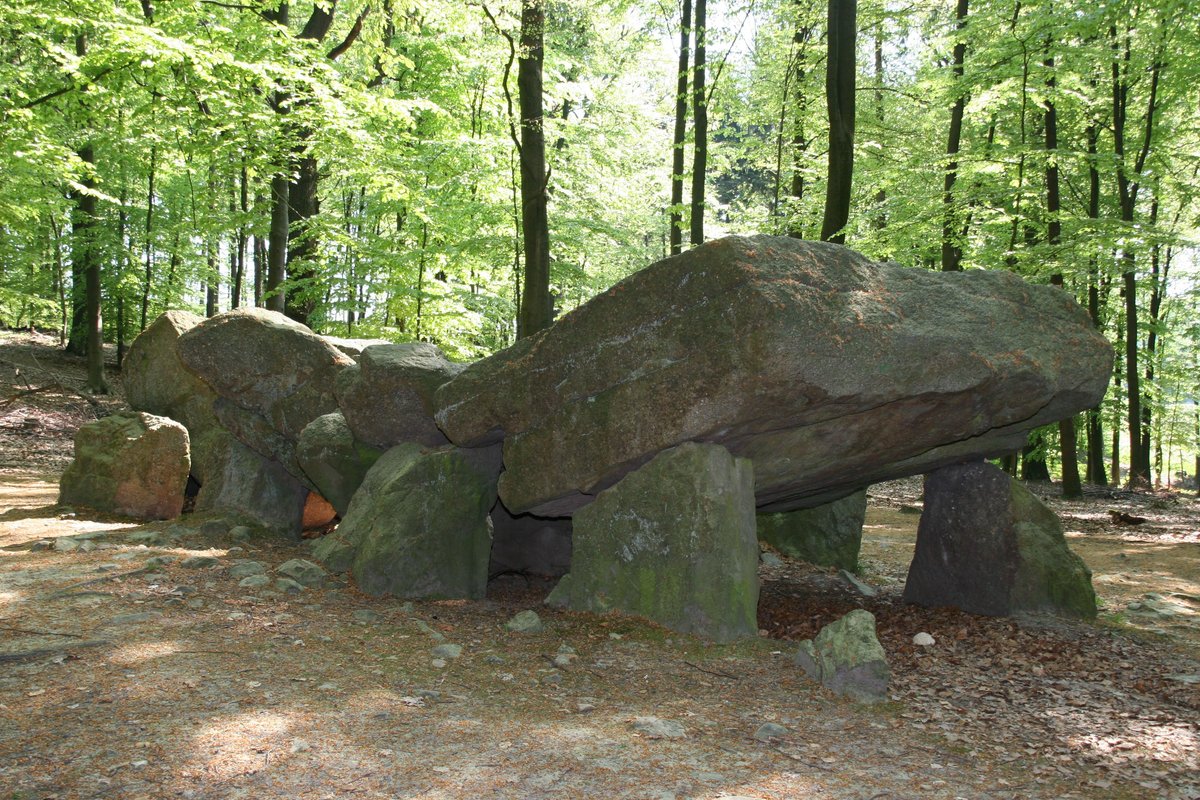
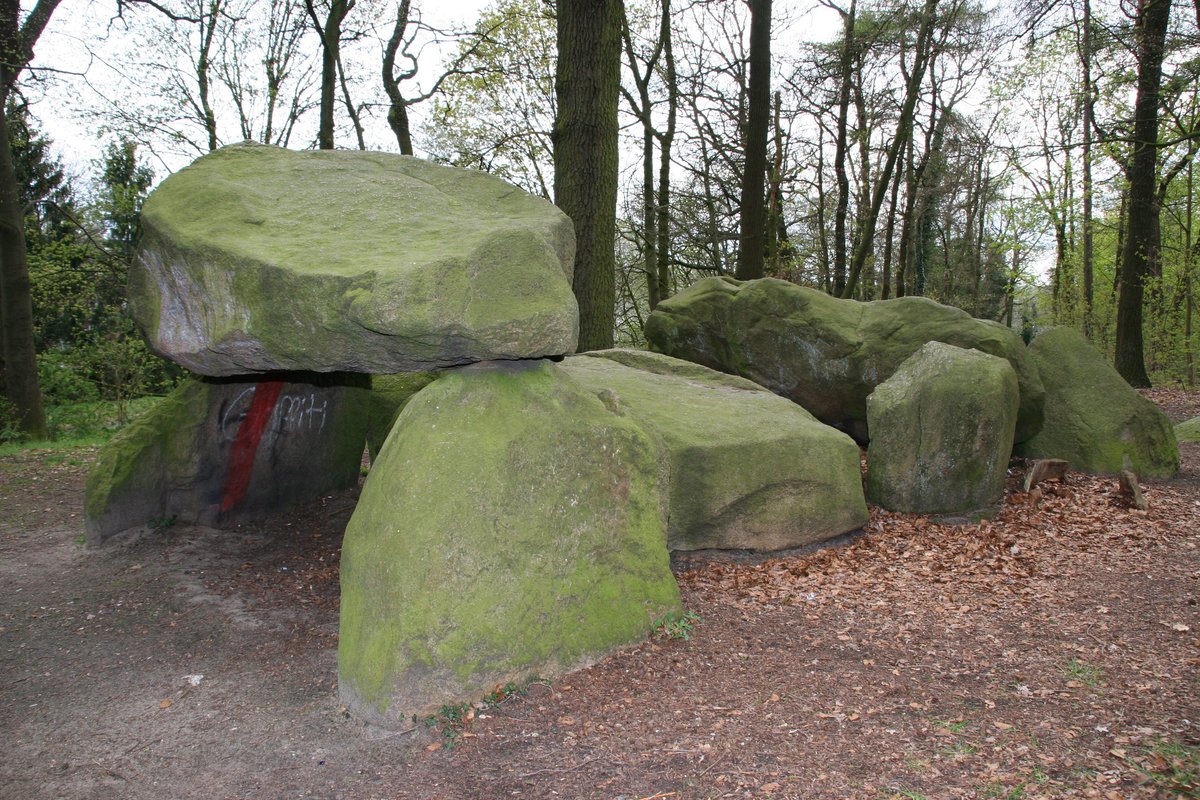
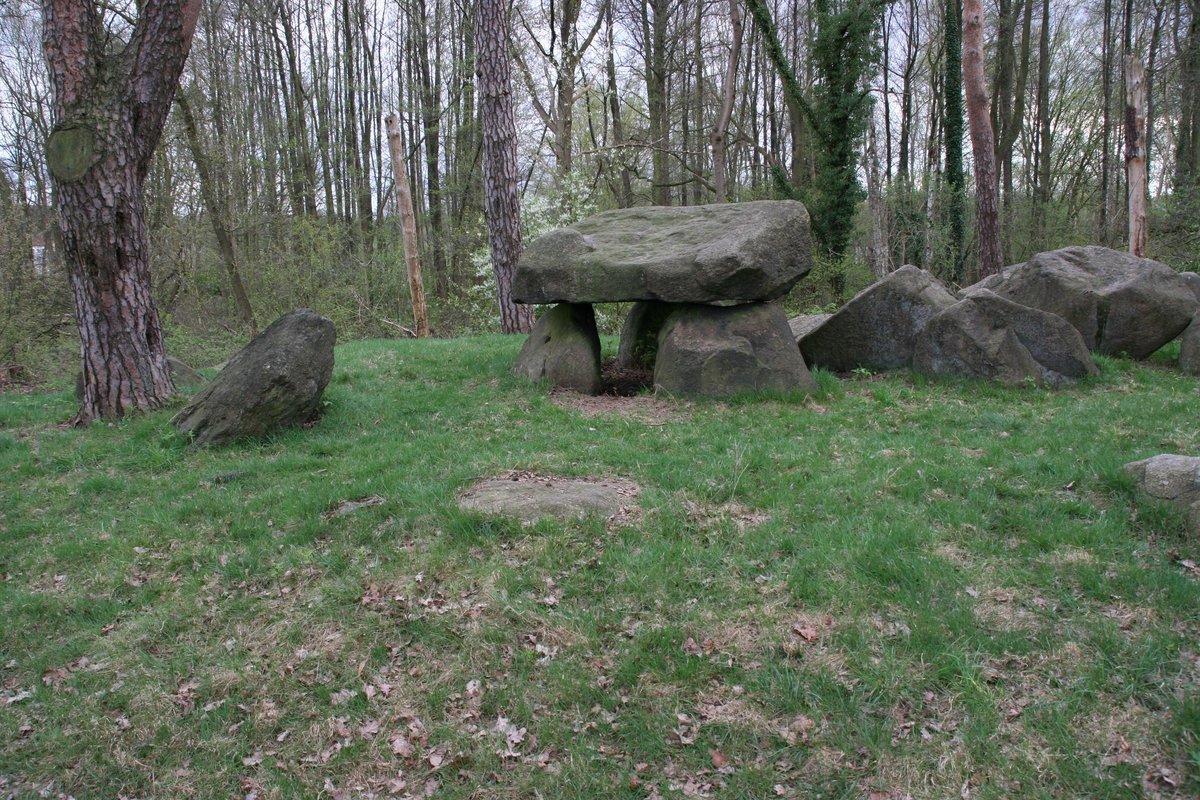
Hünensteine I remains remarkably intact. Its Emsländische Kammer chamber stretches 8.5 meters long and maintains a width of three meters at its center. Eleven support stones and four capstones stand mostly in their original positions. It sits oriented east-west, with a width of 2.5 meters in the west and 2.0 meters in the east. To its south, a single stone marks the likely remainder of the entrance, though the grave no longer has surrounding stones.
In 1464, it was the first megalithic tomb ever mentioned in writing within the "Oldenburg" region. It is believed to be the site de Hynnekamper Stene, where the Amt Vechta used to end. In 1807, Graf Münster conducted the first official investigation of the megalithic site. Later, in 1884, the Oldenburgische Landesverein für Altertumskunde purchased the grave.
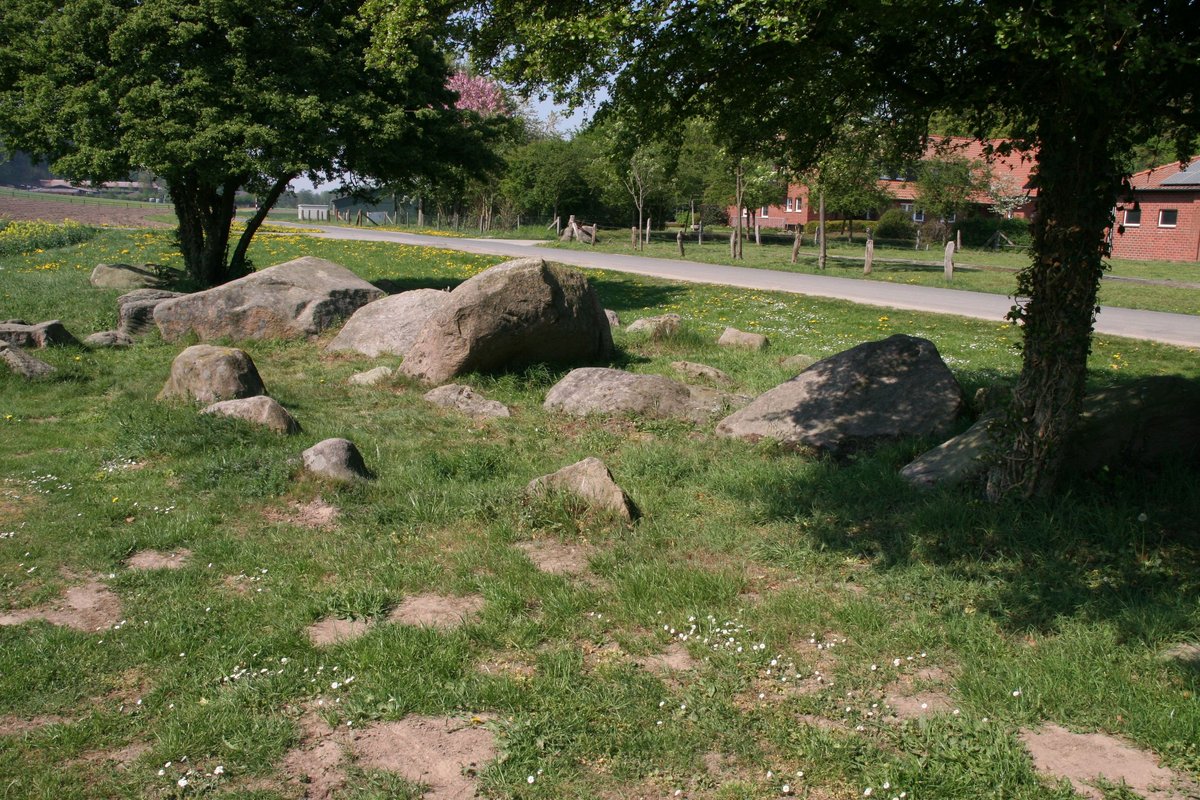
Nearby, Hünensteine II is a ruined grave located on a cemetery. Originally almost 30 meters long, the Emsländische Kammer is now sunken into the ground. Its remaining remains are 19 meters long and approximately 1.6 meters wide. The western end stone is present, but the eastern one is missing. In 1967, before the cemetery was planned, the last investigation counted five capstones and 14 support stones. While all stones of the passage are missing, two surrounding stones were still identifiable in 1967.
Today, these structures remain near Damme. A visitor finds a study in contrast: the sturdy, surviving chamber of Hünensteine I and the weathered, sunken remains of its neighbor. They stand in a location where the modern world continues to move around them.
Sources: Wikipedia, OpenStreetMap, Wikidata, Wikimedia Commons
Written by Aurora
Discuss this with the author and others
No comments yet. Be the first to start the conversation.