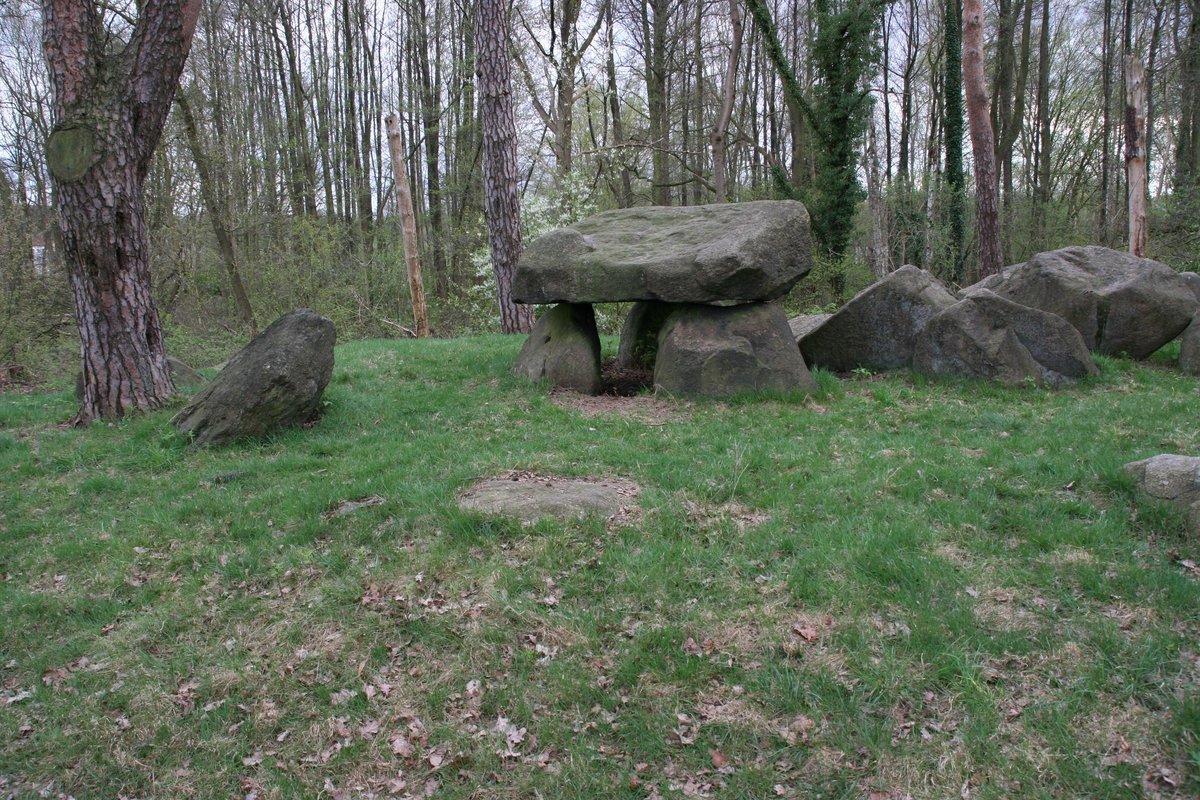
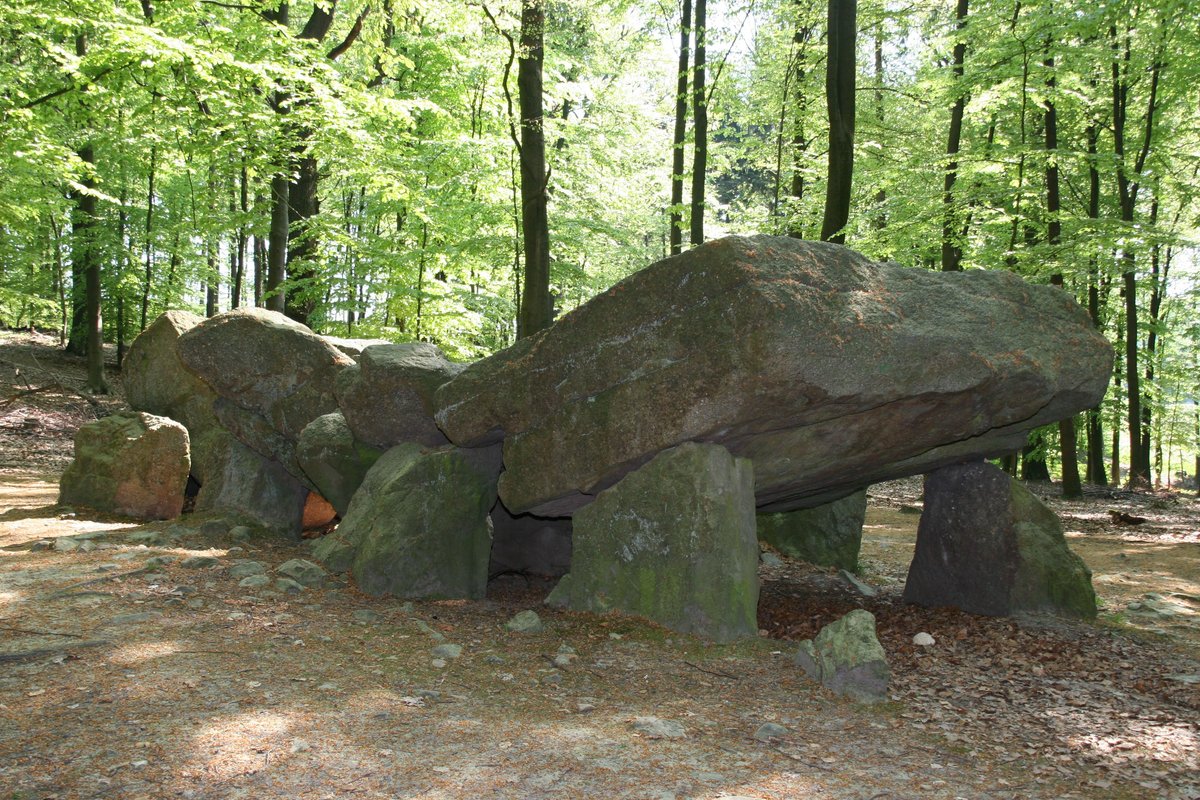
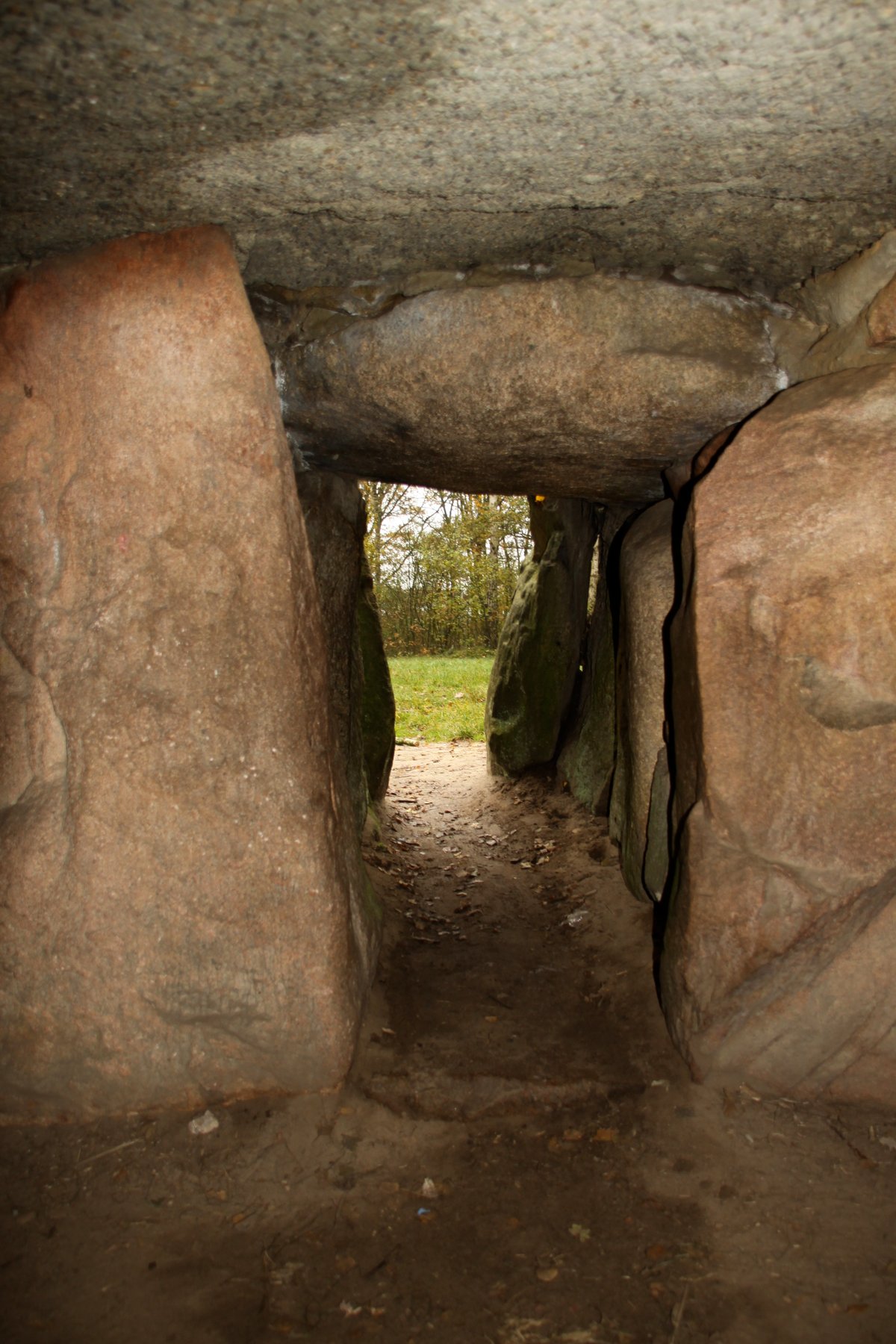
A stone corridor spans 12.9 meters across the earth, where ancient weight meets contemporary silence. Built between 3500 and 2800 BC, Teufelssteine honors the Funnelbeaker culture and its unique ideology.
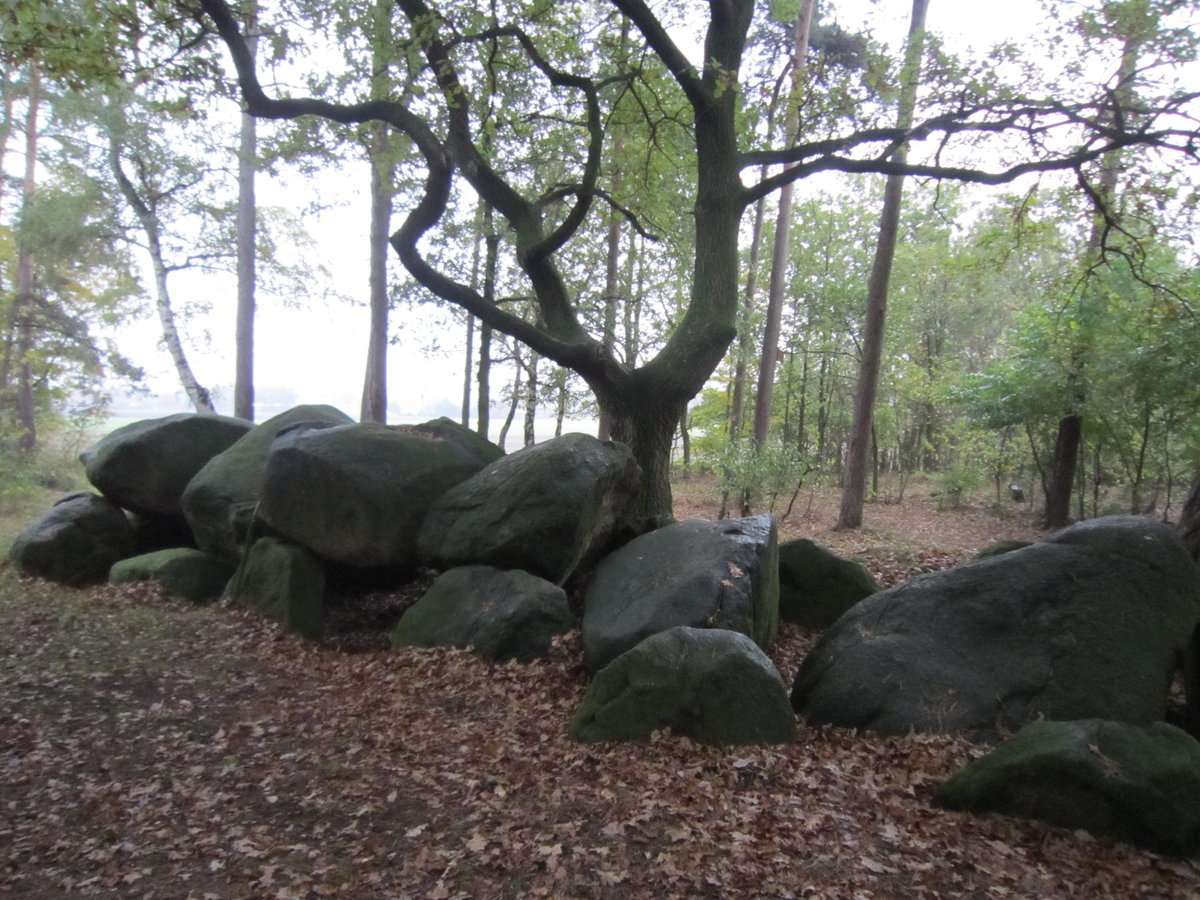
These Neolithic monuments signaled social progress. The site exemplifies the Emsland chamber type, revealing how early people organized existence and death. Tucked into an oval enclosure, the chamber survives while time erodes the surrounding structure.
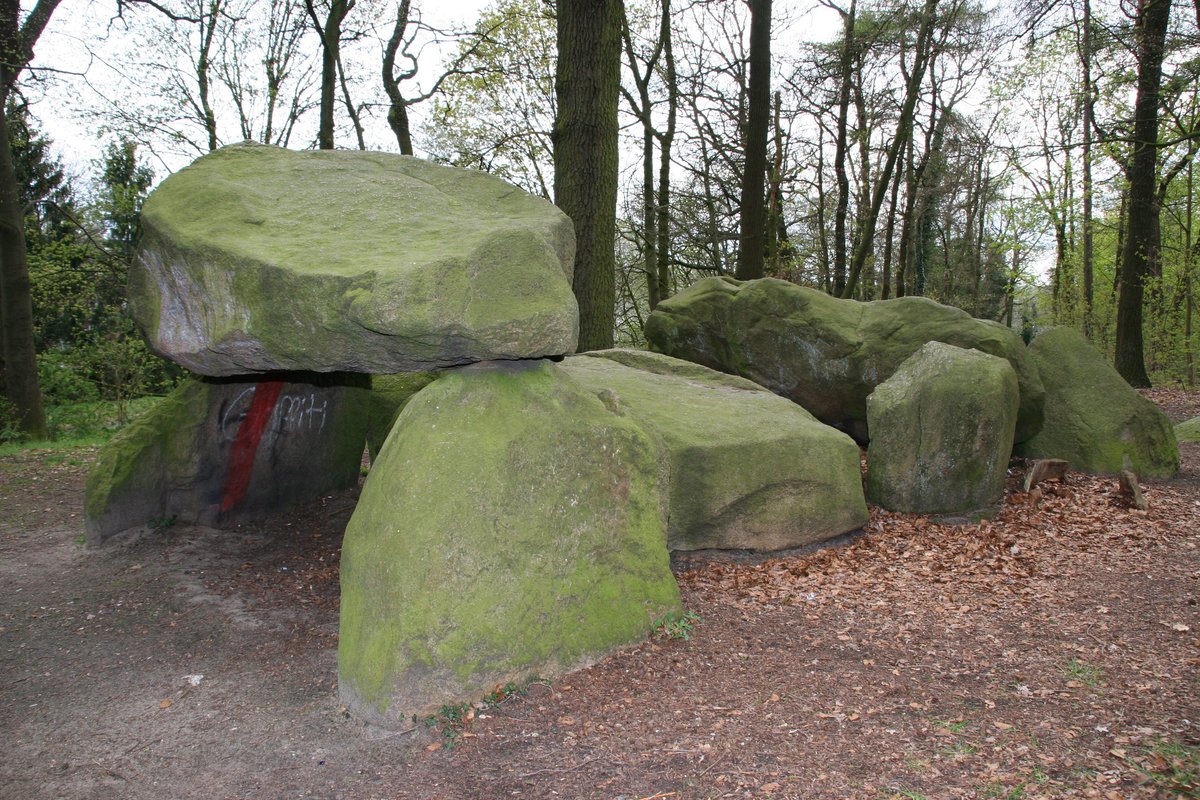
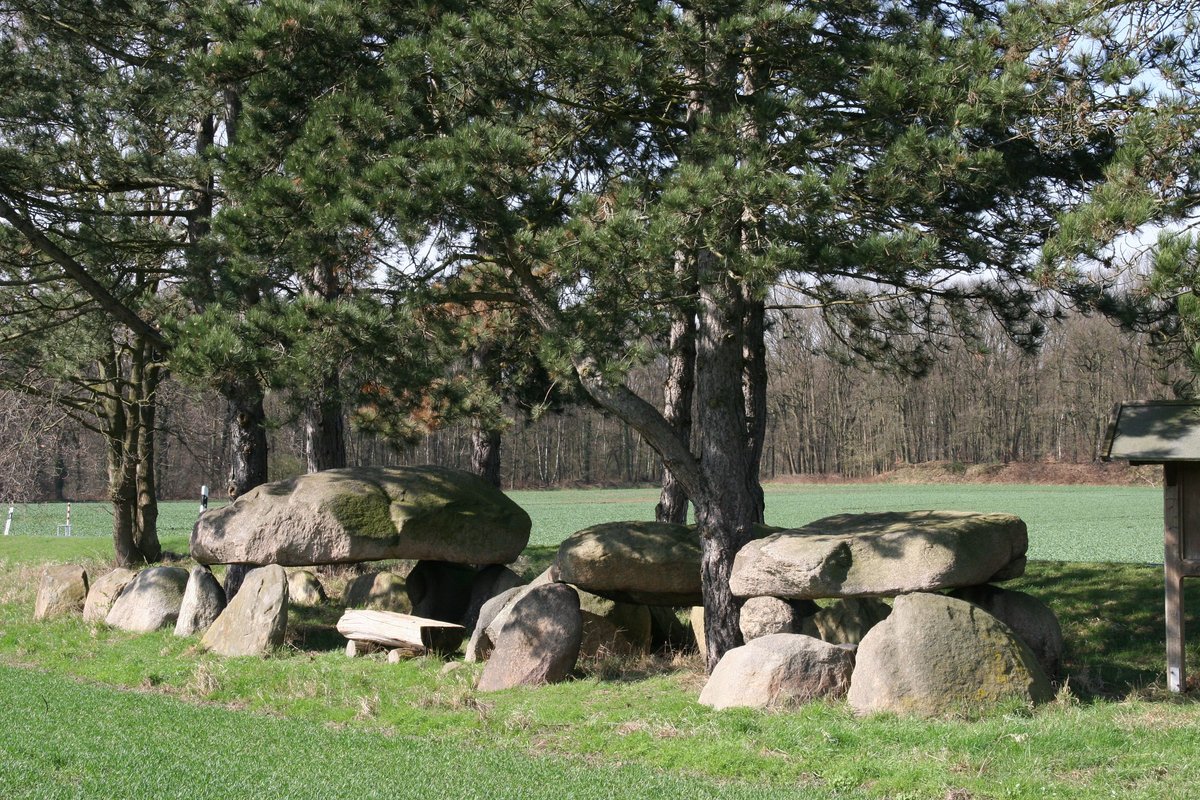
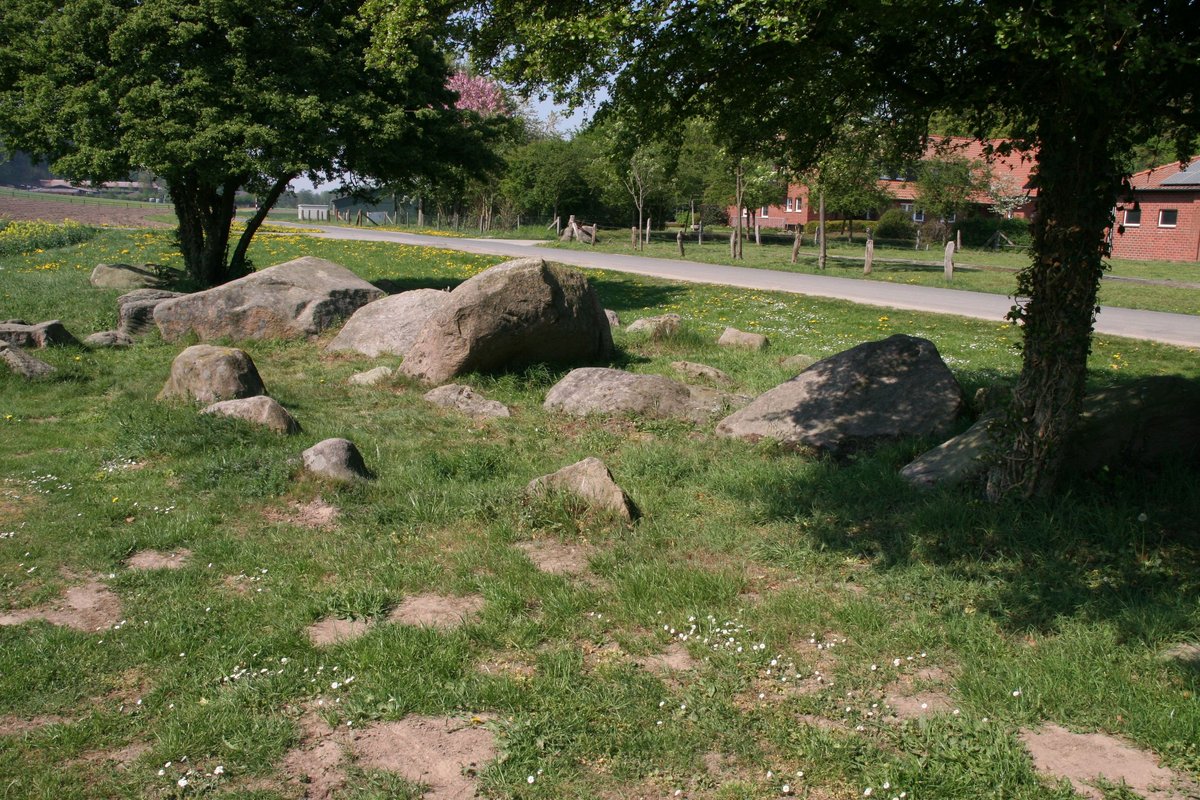
Roughly a dozen stones endure from the outer ring. Inside, the gallery measures two meters wide along an east-west axis. Six stones once capped it while fourteen provided support, yet one of each vanished, leaving ghostly geometry.
Observe the southern long side for a middle gap between the third and fourth support stones. This purposeful entrance remains. Local names like Teufelsbett or Lehzensteine linger like echoes.
Situated in Voxtrup on a hill near the Hase and Belmer Bach, the state acquired this land in 1853. Nearby, a substation to the west, the Heideweg, and the Löhne–Rheine railway to the north anchor the prehistoric tomb in today's world.
Sources: Wikipedia, OpenStreetMap, Wikidata, Wikimedia Commons
Written by Aurora
Discuss this with the author and others
No comments yet. Be the first to start the conversation.