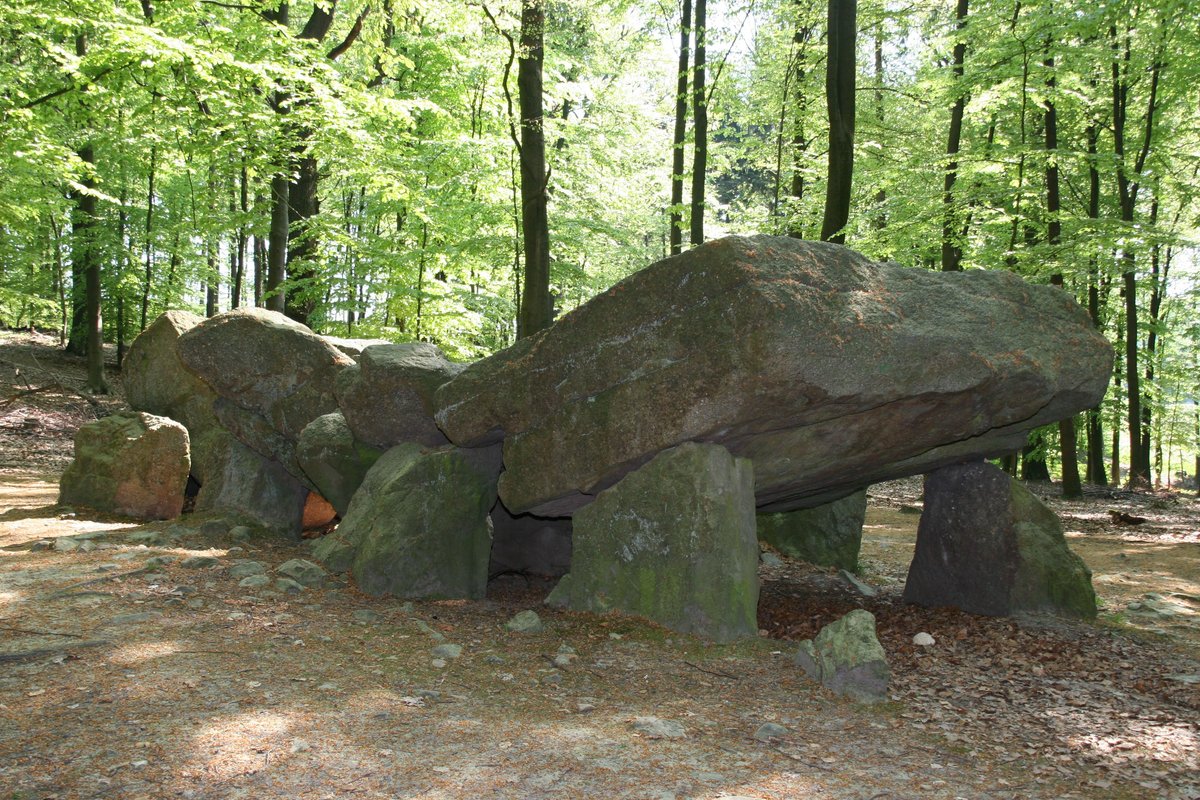
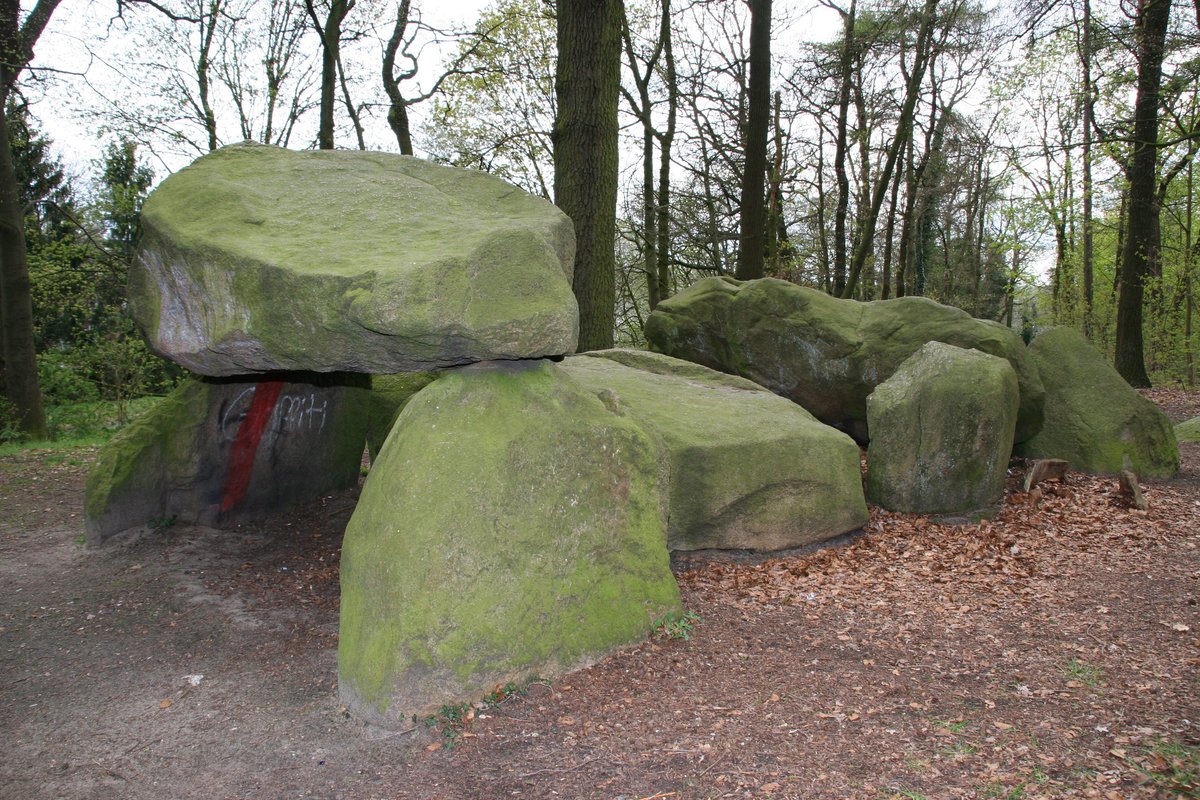
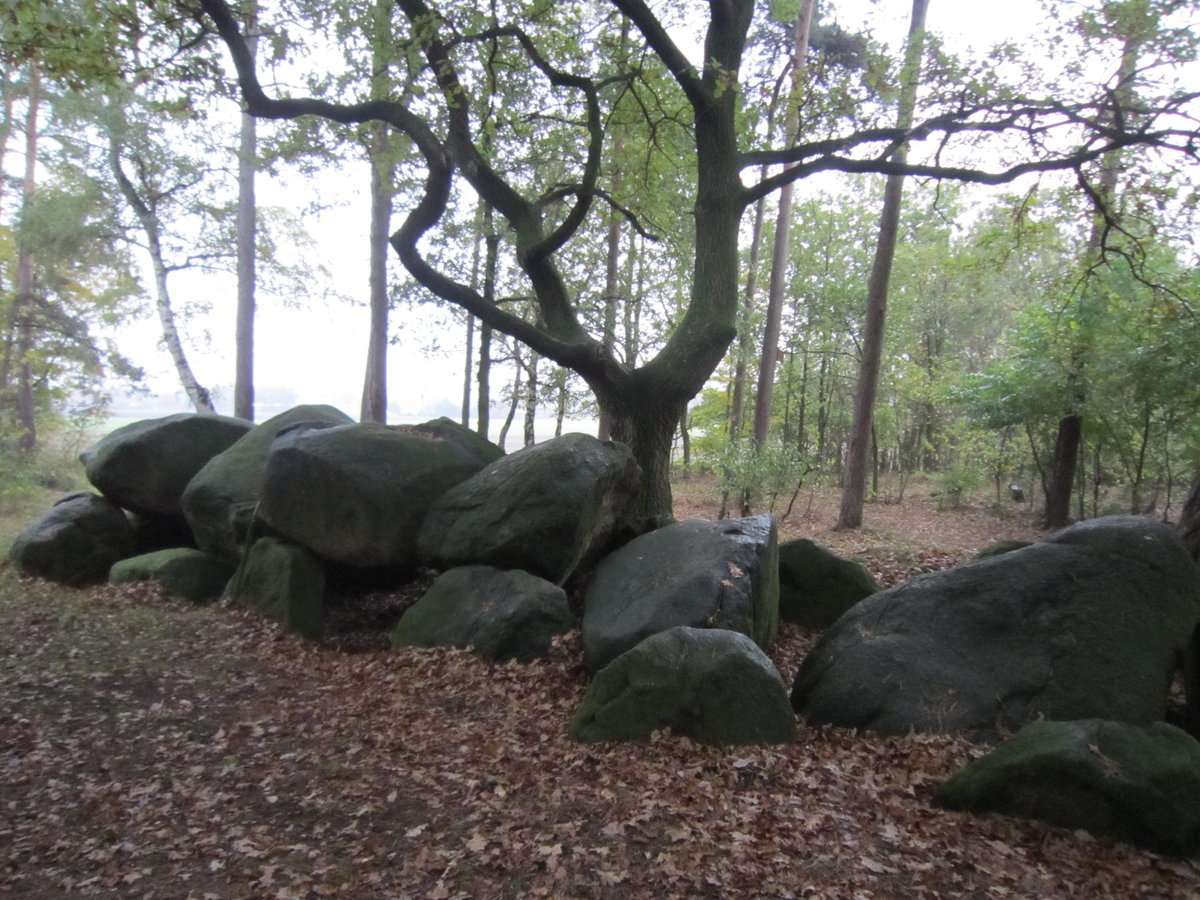
The Karlsteine lie on a modest rise called the Hone. It is a place of heavy stone and quiet shadows, a passage grave built nearly five thousand years ago. Here, the earth yields to the weight of the Neolithic era, standing as a megalithic structure of the Funnelbeaker culture.
Constructed between 3500 and 2800 BCE, the site is known also as Schluppstein. The builders moved massive plates of Piesberger Sandstone from a nearby quarry to assemble this grave. The stone is a conglomerate, a mixture of minerals and grit that gives the site its rugged, ancient texture. It is a deliberate monument, carved from the local geology to endure the passing of millennia.
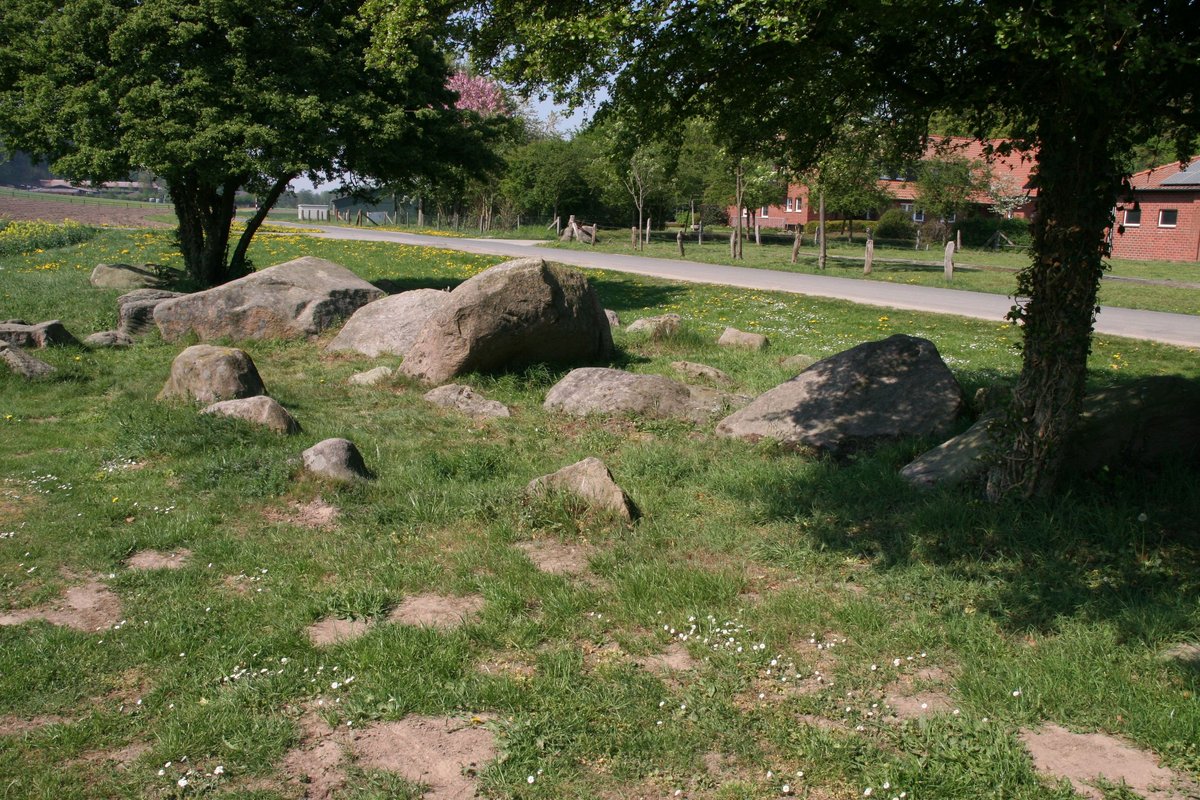
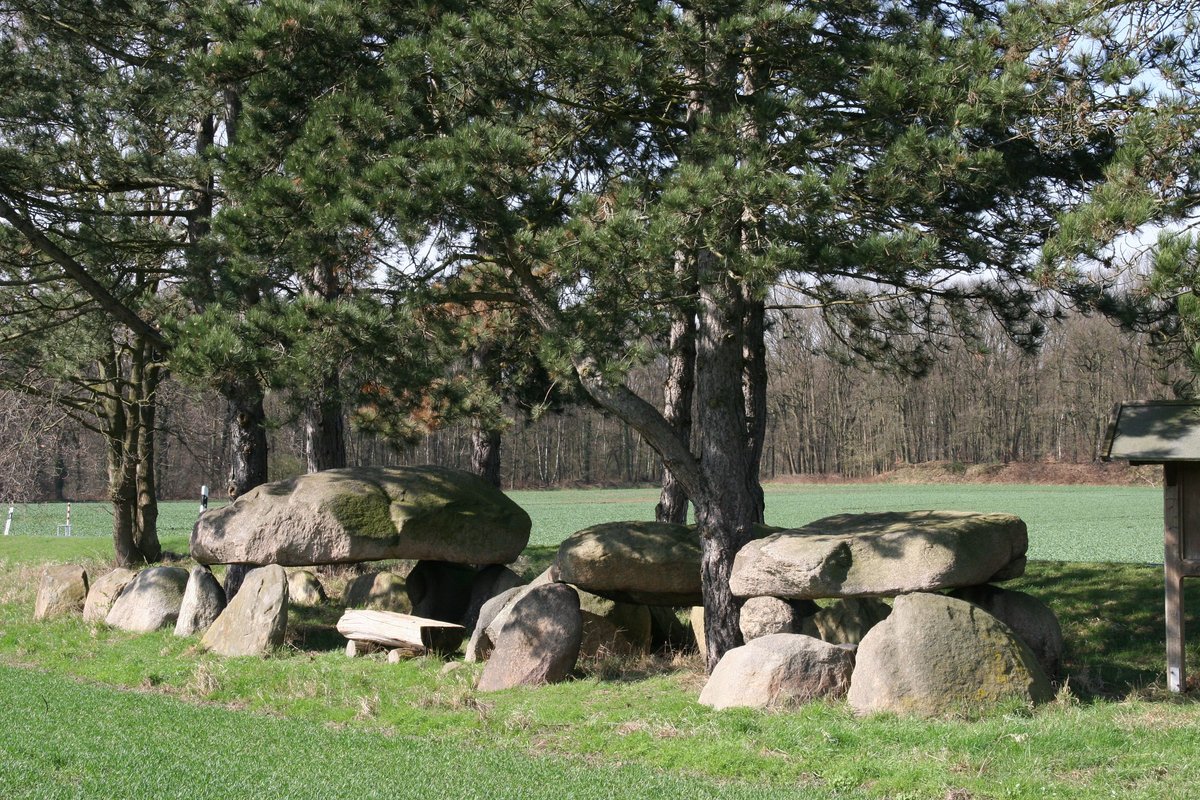
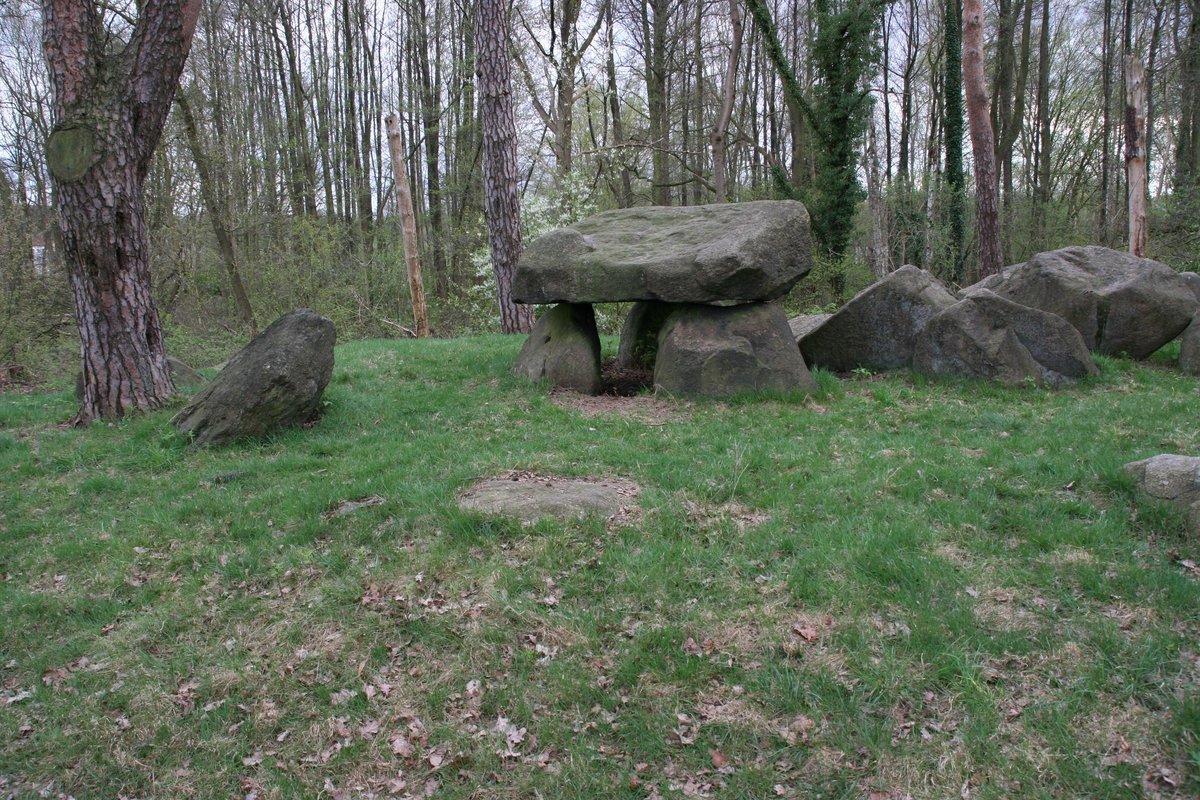
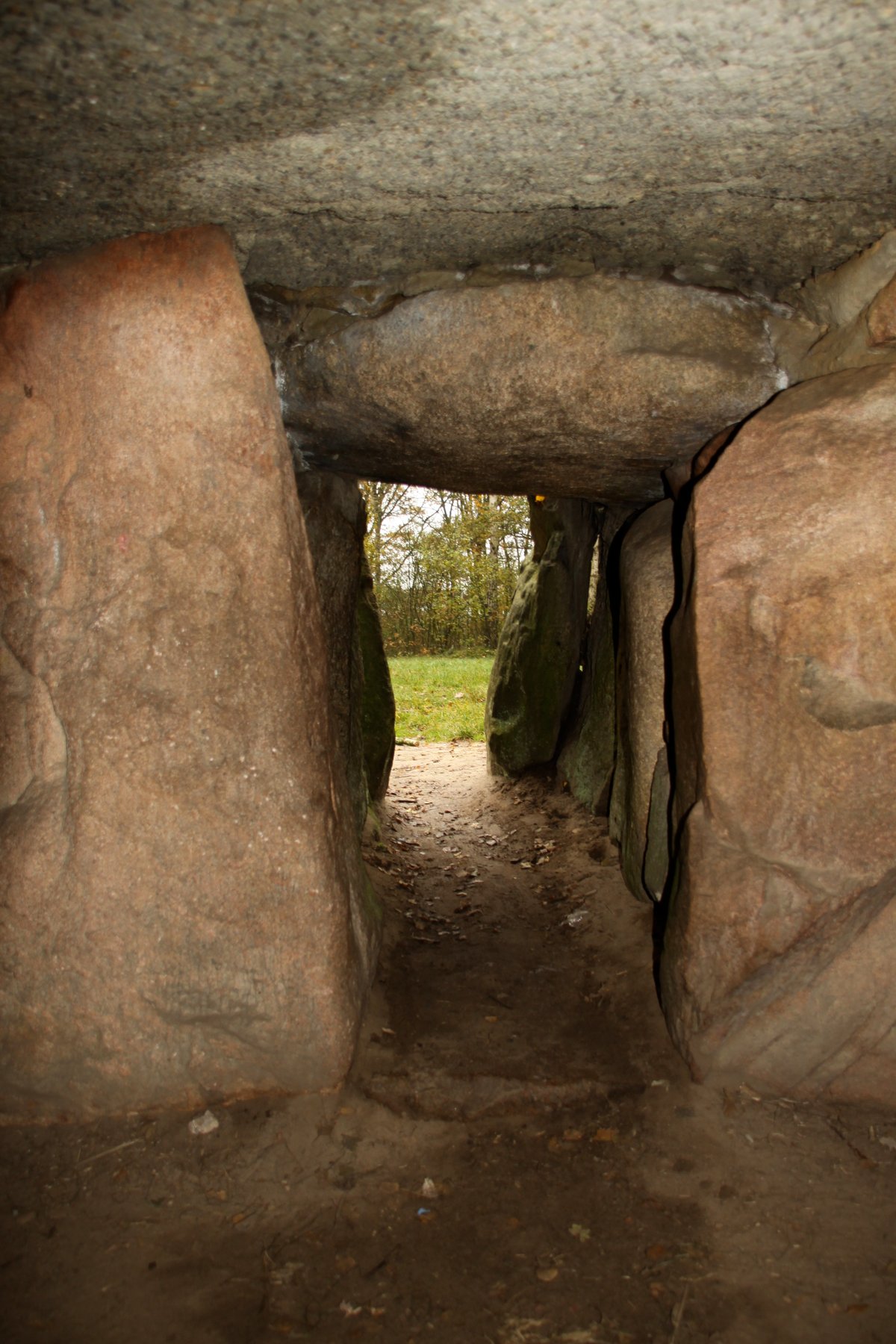
The layout is a weakly trapezoidal chamber, measuring 8.5 meters in length. It is wider at the eastern end, where it reaches 3 meters, tapering to 2.3 meters in the west. This single chamber is a rare survivor; all 13 support stones and four capstones remain present. While the capstones no longer sit in their original positions, the sheer volume of stone still defines the space. Small stones scattered nearby suggest the gradual crumbling of the intermediate wallwork over centuries of exposure.
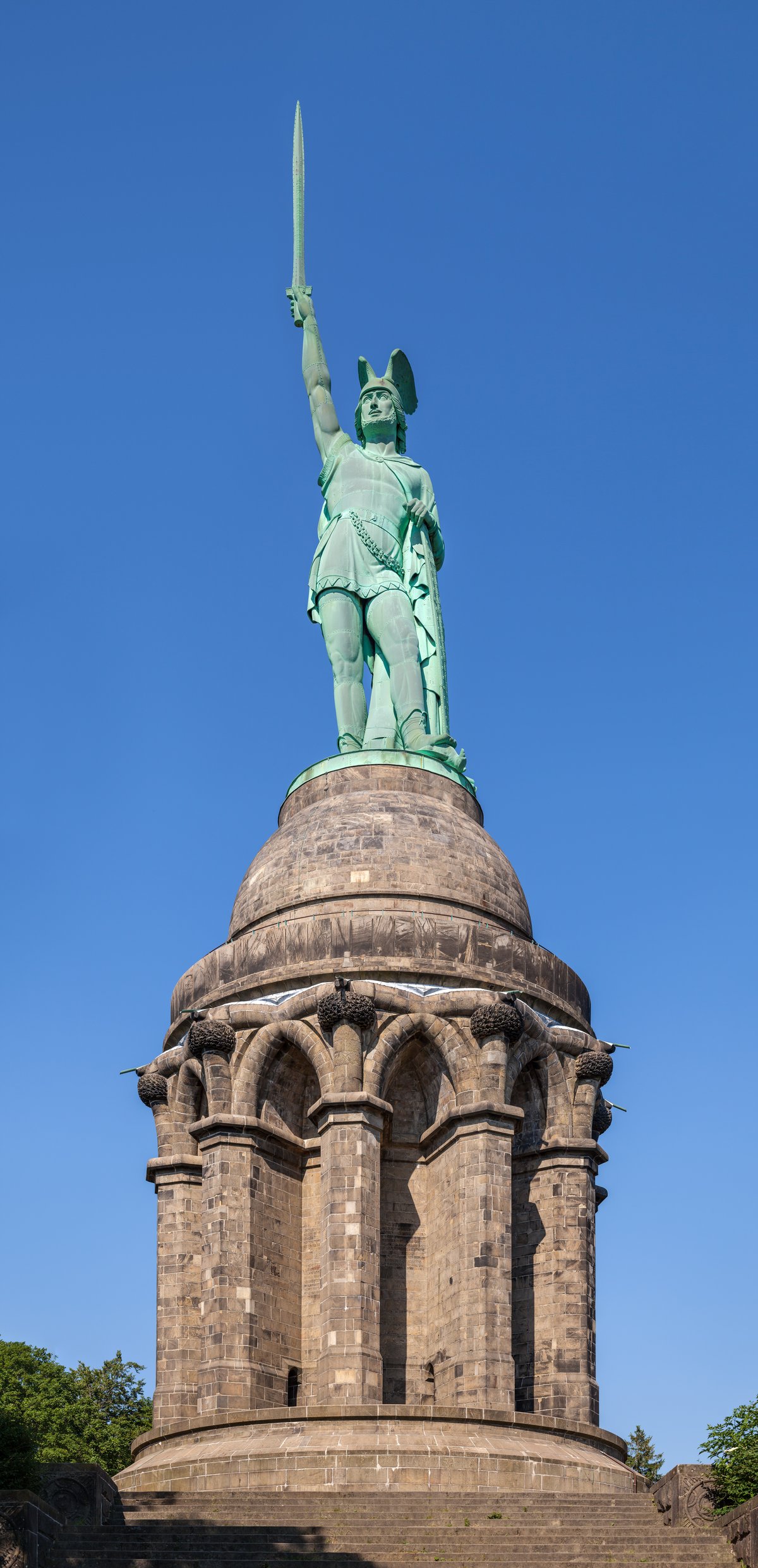
Local lore weaves a more violent thread into the silence of the stones. Legend tells of a confrontation between the Saxon leader Widukind and Charlemagne. When Widukind supposedly requested a divine sign from the heavens, the Emperor is said to have taken a whip and smashed the grave's capstone. This story transforms a Neolithic tomb into a stage for legend, layering a tale of imperial power over a site of prehistoric mourning.
Nearby, the ground drops slightly to the Kreuz im Hone. This cross, also known as the Teggenbökenkreuz, marks the site of the first mass read in the area. It was once shielded by ten beeches, though only three remain today. The others were meant to honor seven brothers who served in the Emperor's army. A grove of trees and a graveyard of stones, the Hone holds a dense layering of memories, from the first Neolithic farmers to the soldiers of the Emperor's army.
Sources: Wikipedia, OpenStreetMap, Wikidata, Wikimedia Commons

Written by Aurora
Discuss this with the author and others
No comments yet. Be the first to start the conversation.