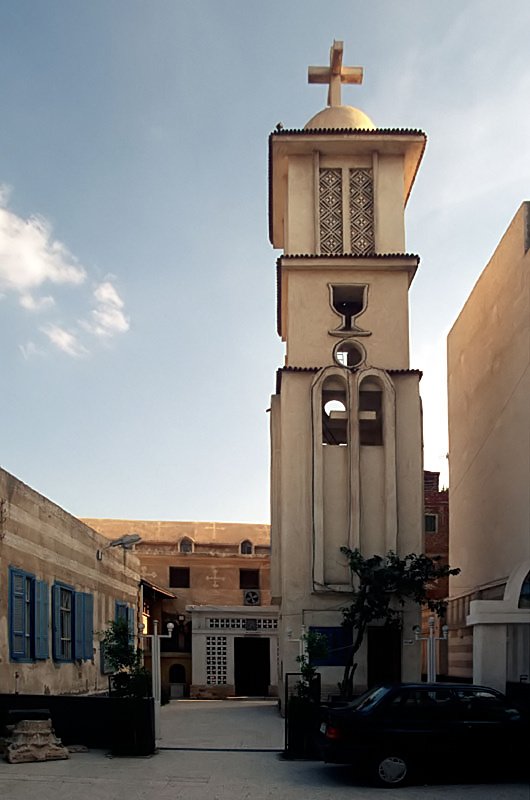

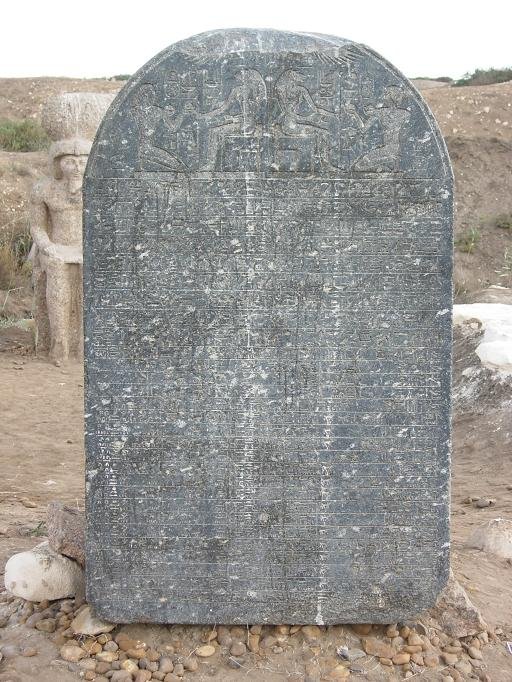
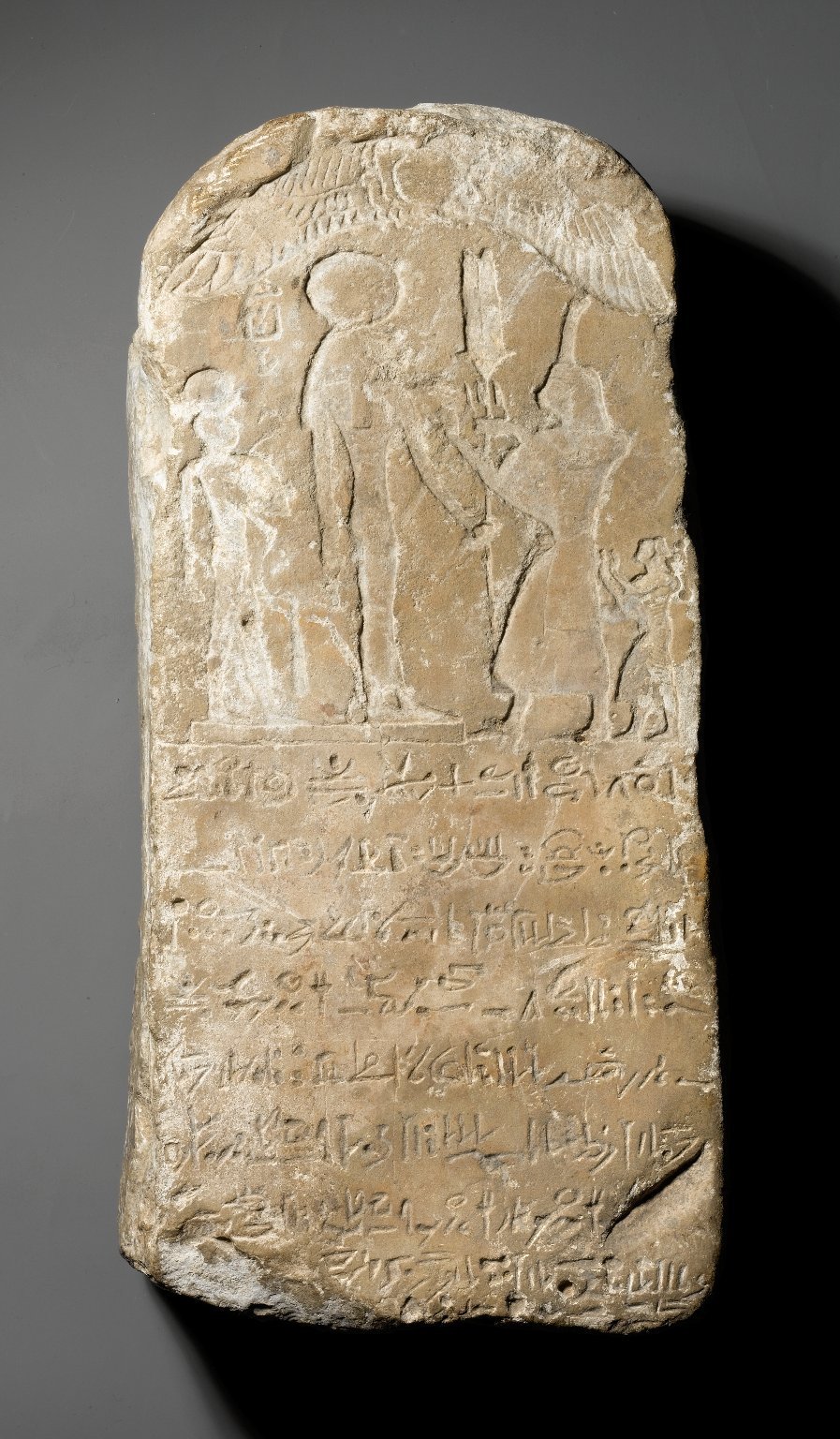
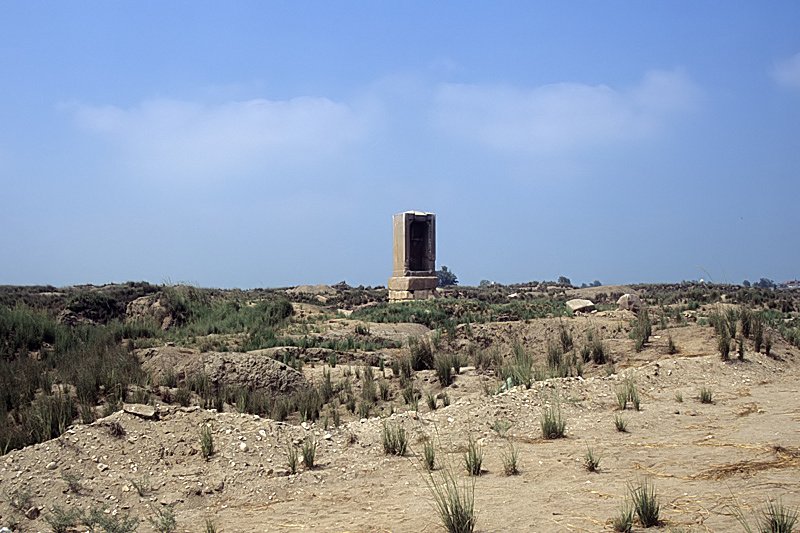
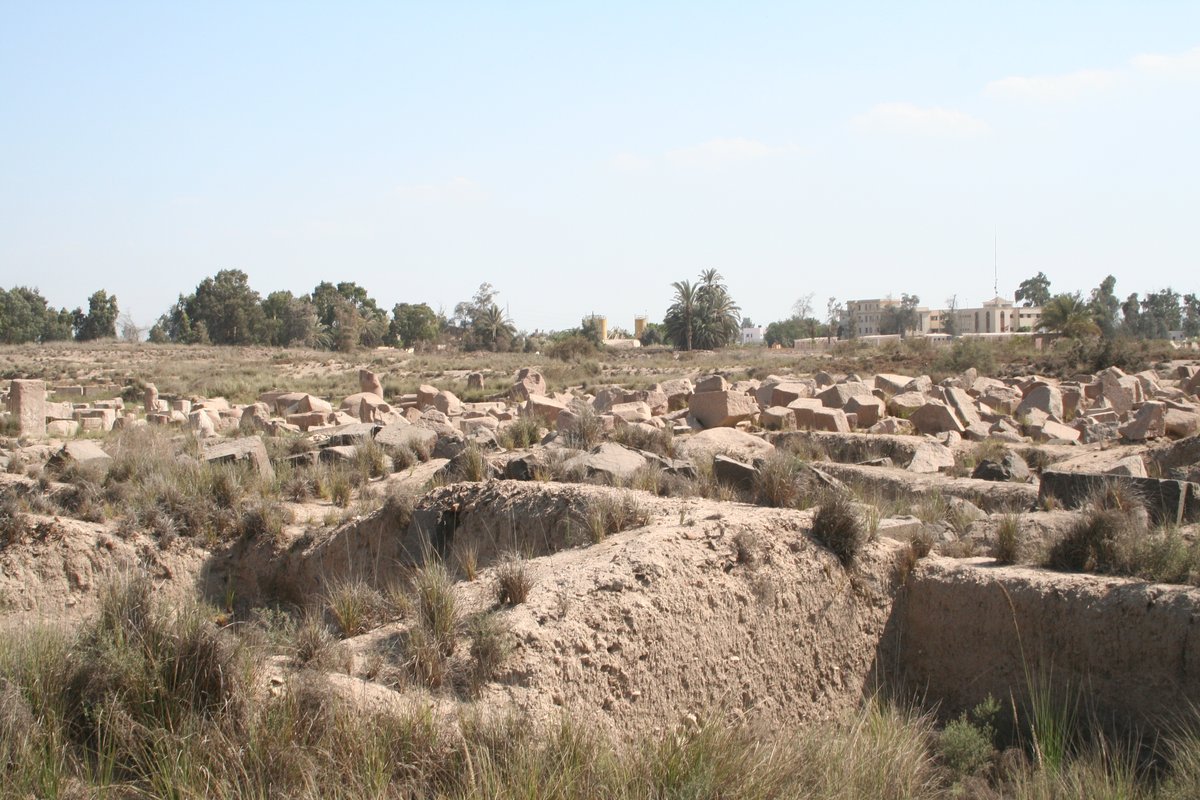
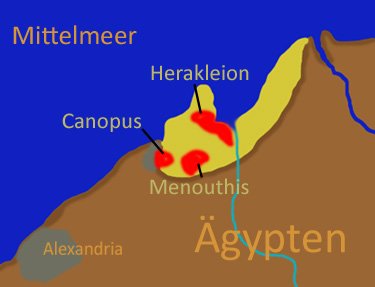
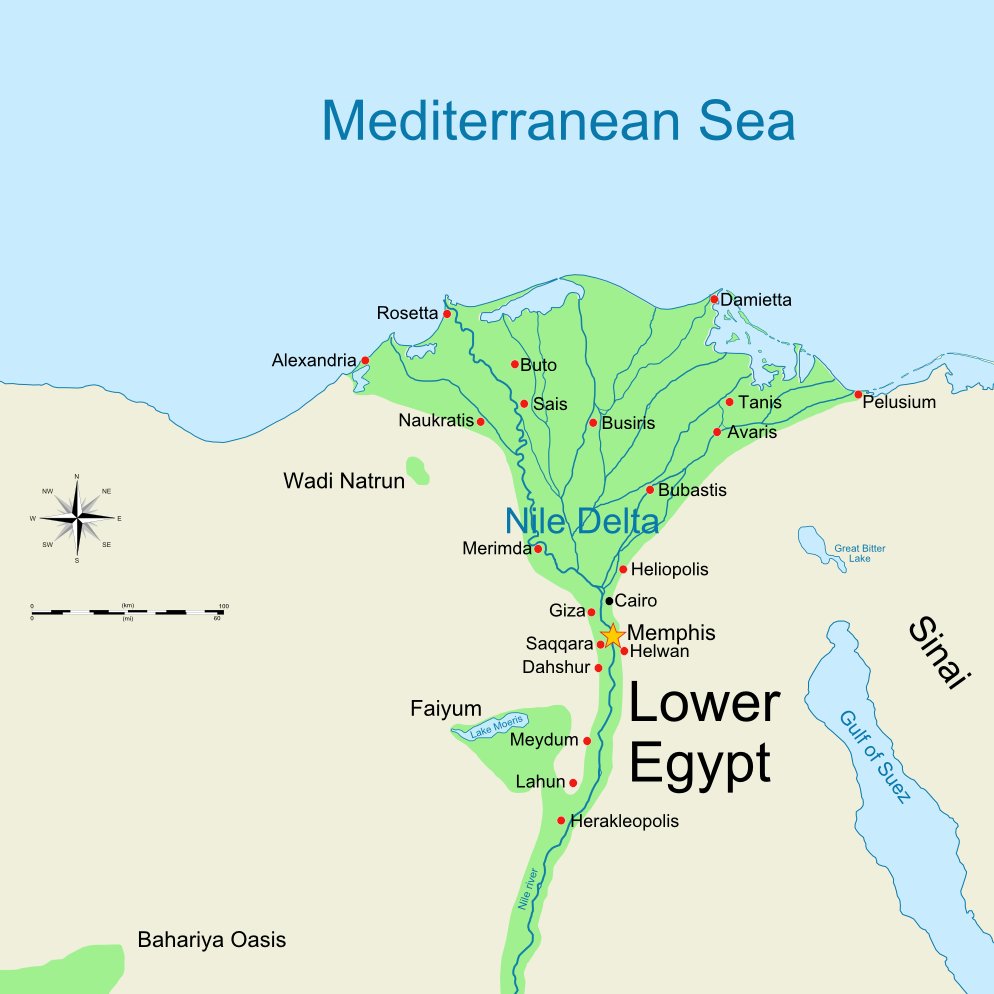
Where the Sebennytic and Phatnitic branches of the Nile entwine, they formed an island. This land was Xois, an ancient Egyptian city identified as Ḫꜣsww(t). It belonged to the Sebennytic Nome and later became the capital of its own nome, the Xoite nome.
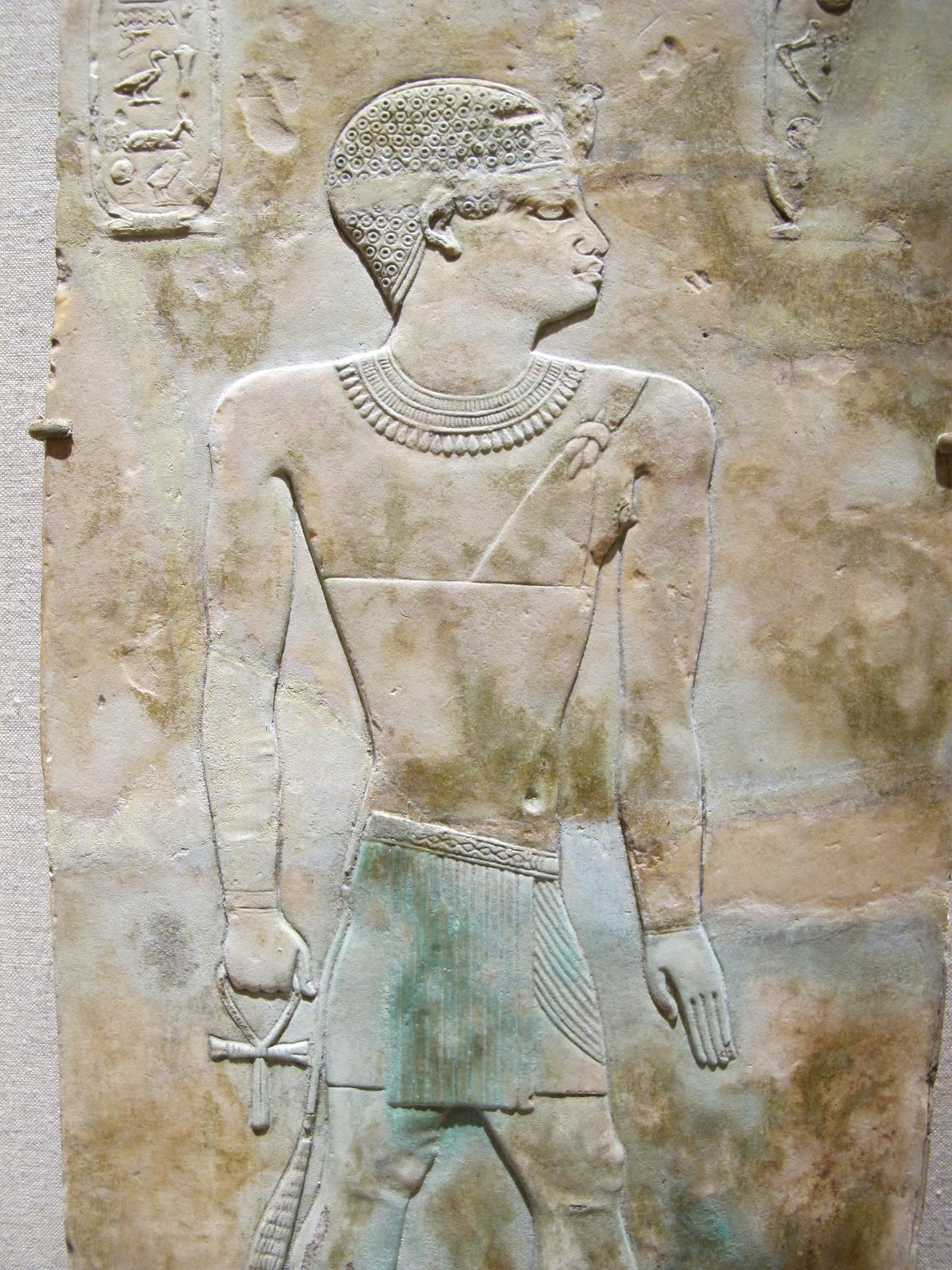
According to Manetho, the Fourteenth Dynasty of Egypt consisted of 76 Xoite kings. Because of Xois's position among the marshes of the Nile Delta, some suggest it may have held out against the Hyksos during the Second Intermediate Period, though many Egyptologists believe the dynasty was based in Avaris. The road from Tamiathis to Memphis once passed through the city.
Through the Roman and Byzantine era, Xois served as the center of a Christian diocese, which remained active until at least the year 700. By the 1200s, the area was known as Sakha and served as the capital of the province of Gharbia. By the time of the 1885 Census of Egypt, the population of the town was 950 (480 men and 470 women).
Christian tradition holds that Sakha was one of the places visited by the family of Jesus during their Flight into Egypt. In 1984, a stone said to bear the footprint of Jesus was found, having been buried in medieval times. The stone was authorized by Coptic Pope Shenouda III, and several miracles have been attributed to it.
Sources: Wikipedia, OpenStreetMap, Wikidata, Wikimedia Commons
Written by Mutabor
Discuss this with the author and others
No comments yet. Be the first to start the conversation.