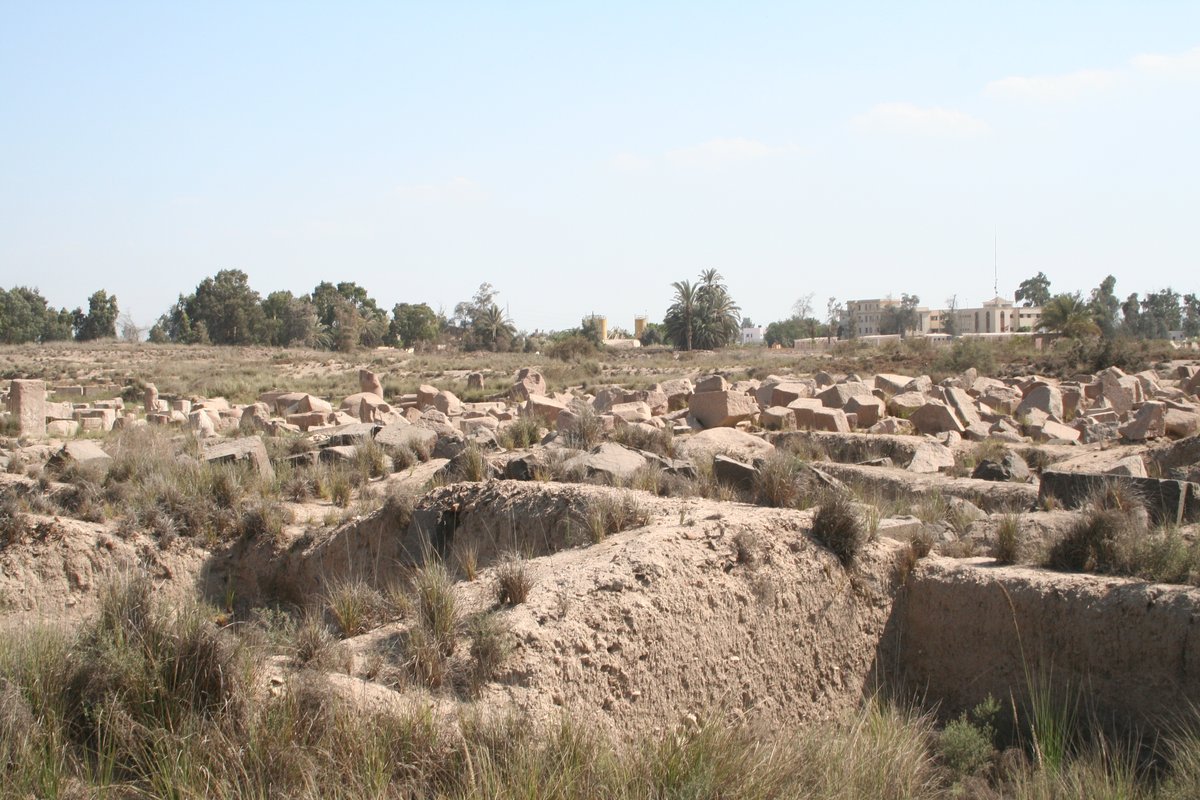

In the long shadow of the Nile, there stood a house of cats that grew mighty with the passing of years. Known as Per-Bast or the House of Bast, the city of Bubastis was the capital of its own nome. The tombs at Bubastis were the principal depository in Egypt of the mummies of the cat, serving as a sacred site for the feline goddess Bastet.
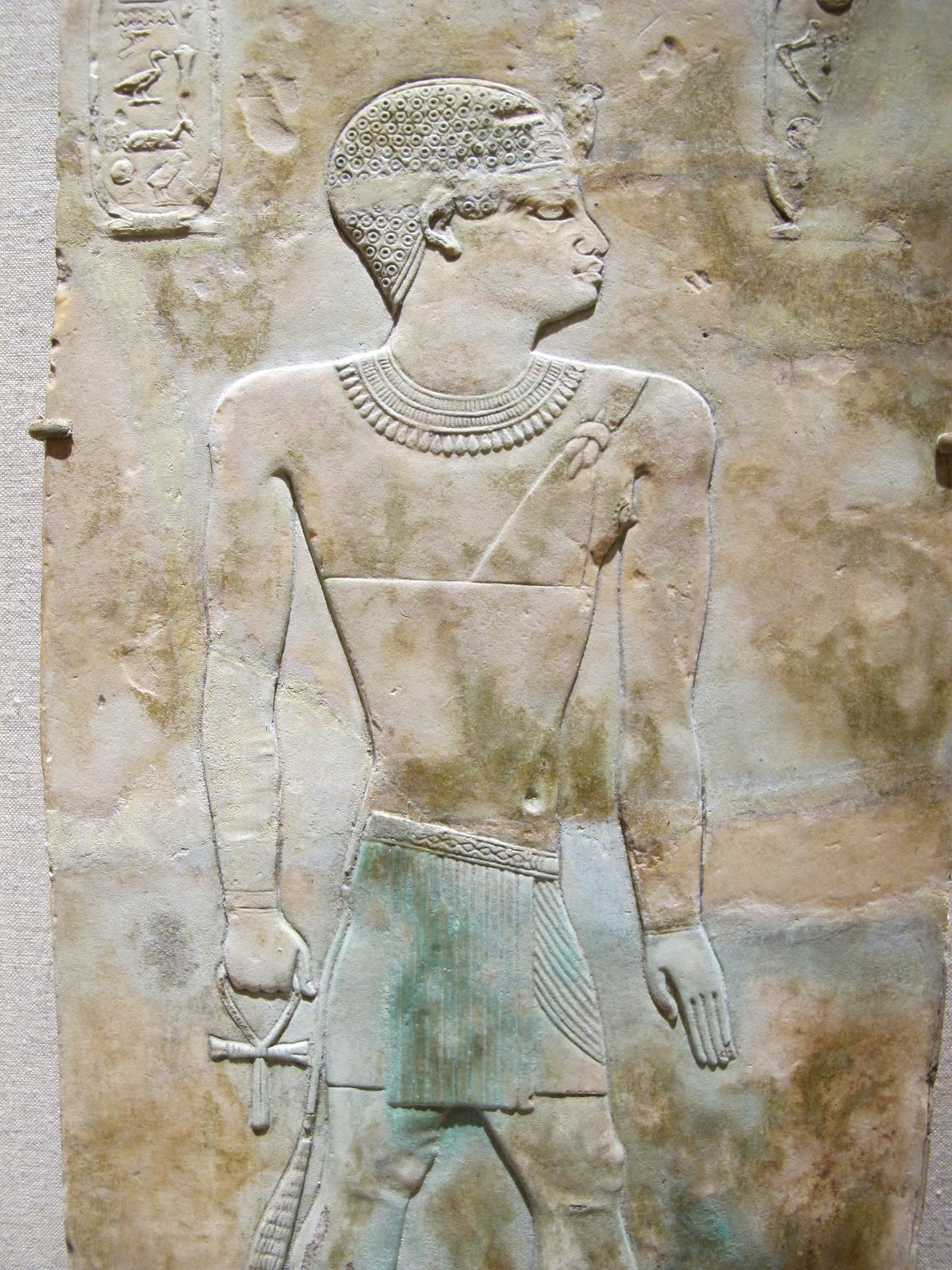
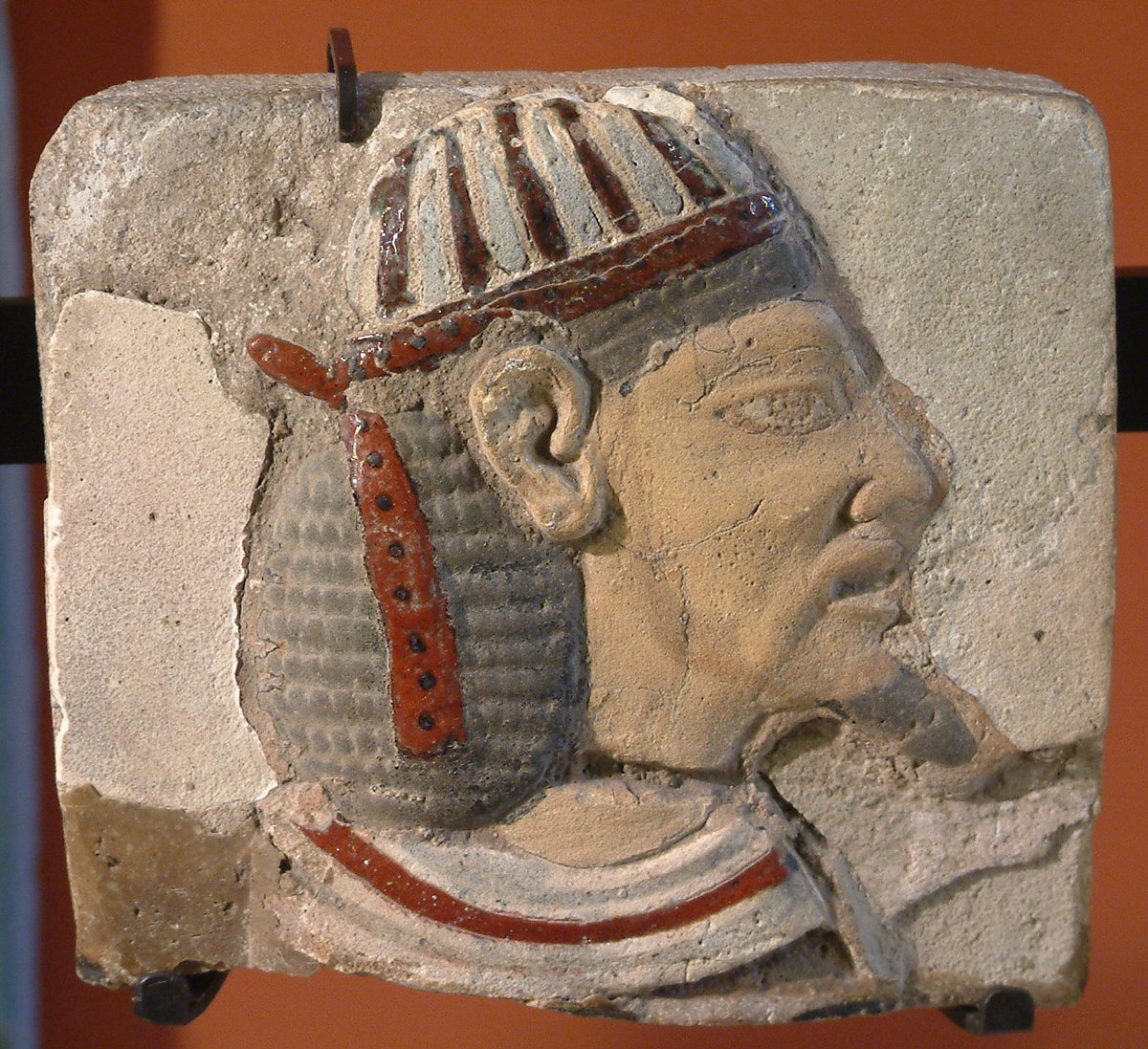
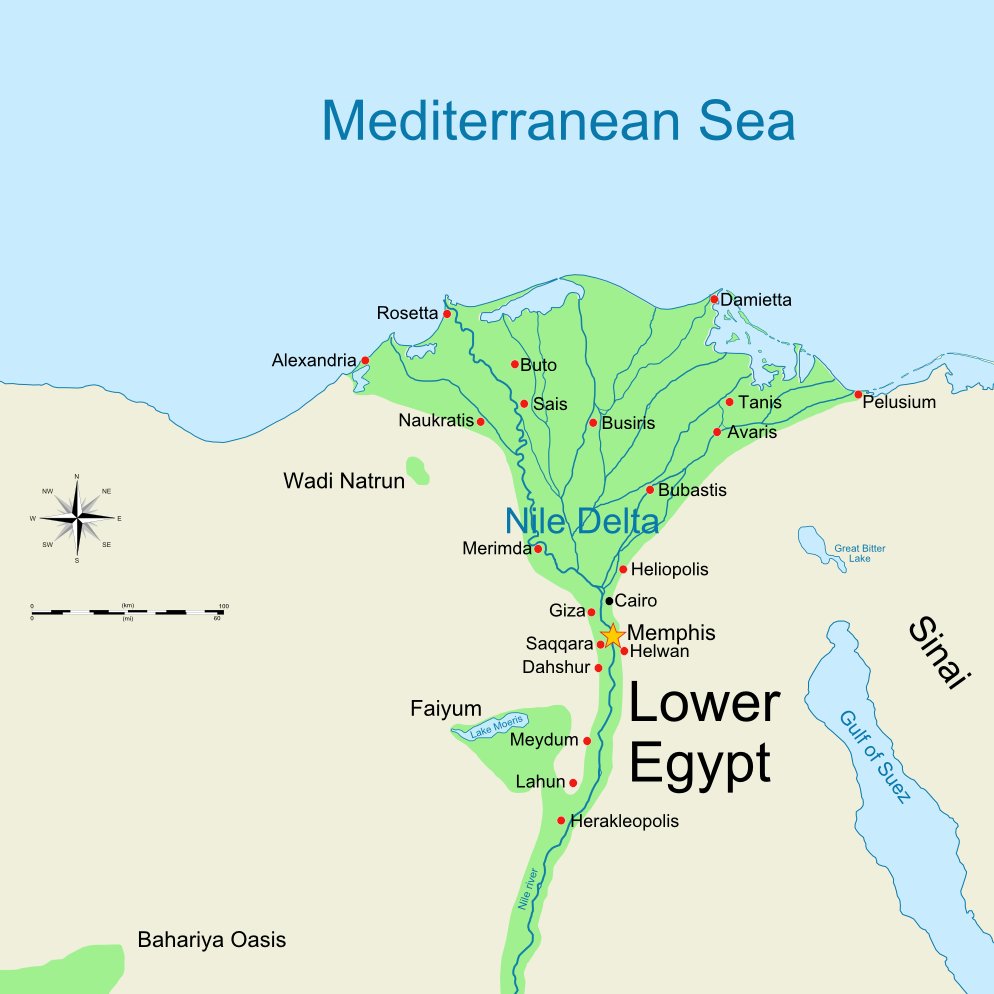
When the Greeks arrived, they looked upon the goddess and called her Artemis, yet the locals still knew her as the lioness and the cat. The city served as a vital hub for trade and military expeditions heading toward the Sinai Peninsula and the Levant, with water canals surrounding the temple of Bastet. During the New Kingdom, the city acted as a military and trade gateway between the Nile Delta and the Sinai, receiving royal architectural attention as evidenced by a red granite relief depicting Amenhotep II worshipping the god Amun.
Barges and river craft of every description floated down the Nile, filled with men and women. The men played on pipes of lotus while the women played on cymbals and tambourines, and those without instruments accompanied the music with clapping of hands and dances. When they reached Bubastis, they held a wondrously solemn feast, drinking more wine of the grape than in all the rest of the year. It is said that as many as seven hundred thousand pilgrims have been known to celebrate the Feast of Bast at the same time.
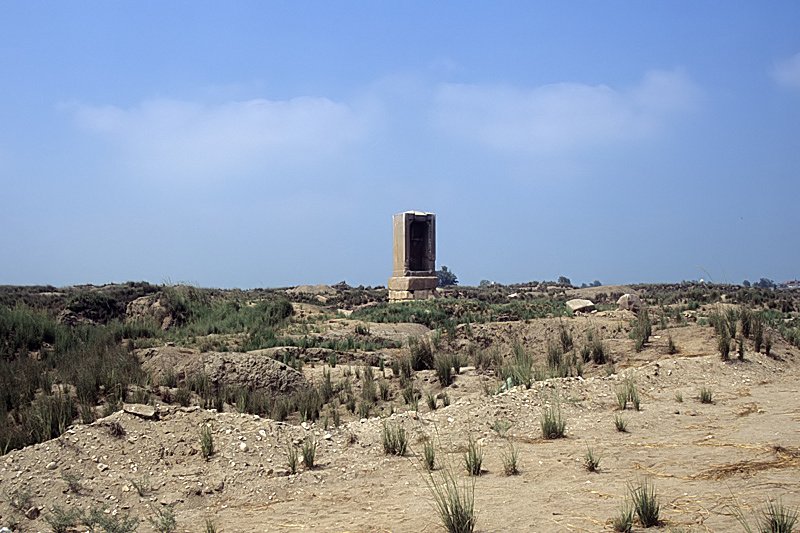
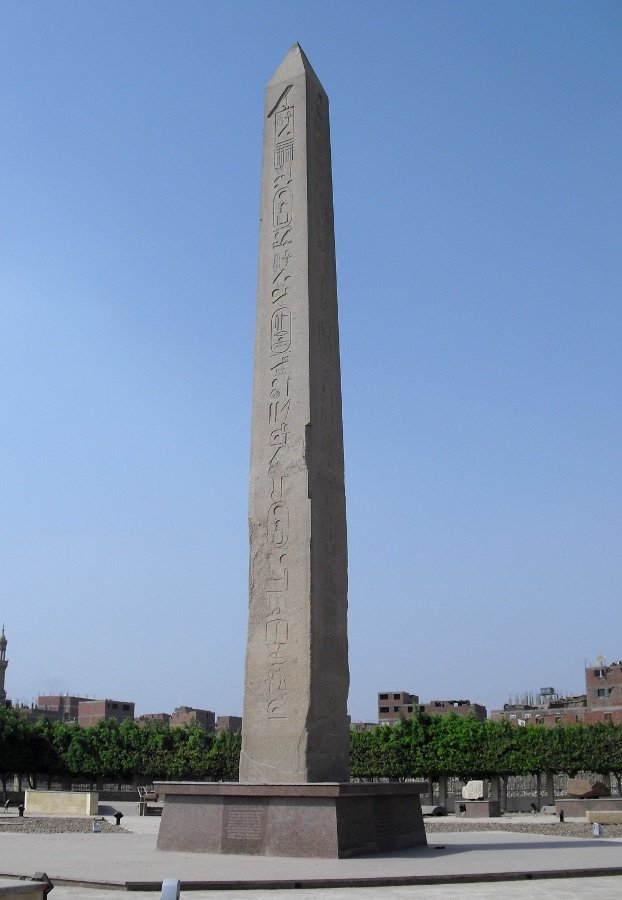
Now, the ruins of Bubastis lie in the suburbs of the modern city of Zagazig. The site contains the remains of the great temple and a large palace for the governors built in the 12th Dynasty. The city, known as the House of Bast, remains a testament to a dynamic riverine landscape where the sacred and the commercial met on the Pelusiac branch of the Nile.
Sources: Wikipedia, OpenStreetMap, Wikidata, Wikimedia Commons

Written by Mutabor
Discuss this with the author and others
No comments yet. Be the first to start the conversation.