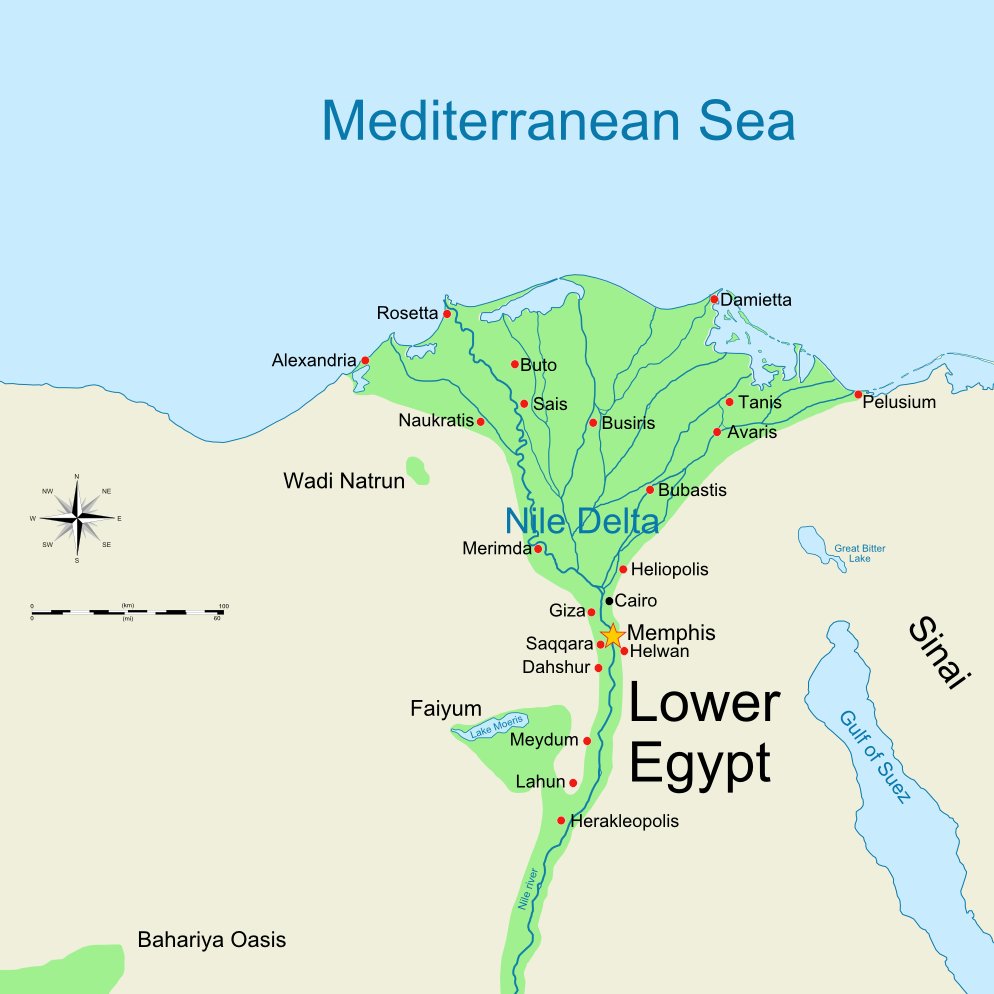

Avaris, known in the Egyptian language of the 2nd millennium BC as Hutwaret, was the capital of the Hyksos located at the modern site of Tell el-Dab'a in the northeastern region of the Nile Delta. Founded by Amenemhat I on the eastern branch of the Nile, the settlement grew into a popular town for Asiatic immigrants who retained many aspects of their own culture while using Egyptian pottery. By 1800 BC, it had become a large trade colony under Egyptian control.
In the 18th century BC, the Hyksos conquered Lower Egypt and established Avaris as their capital. The city became a major center of commerce with a busy harbor that could cater to over 300 ships during a trading season. Goods from all over the Aegean world were found in a temple erected during the Hyksos period, which even featured Minoan-like wall paintings similar to those at the Palace of Knossos on Crete. It is believed that Avaris was the largest city in the world from 1670 to 1557 BC.
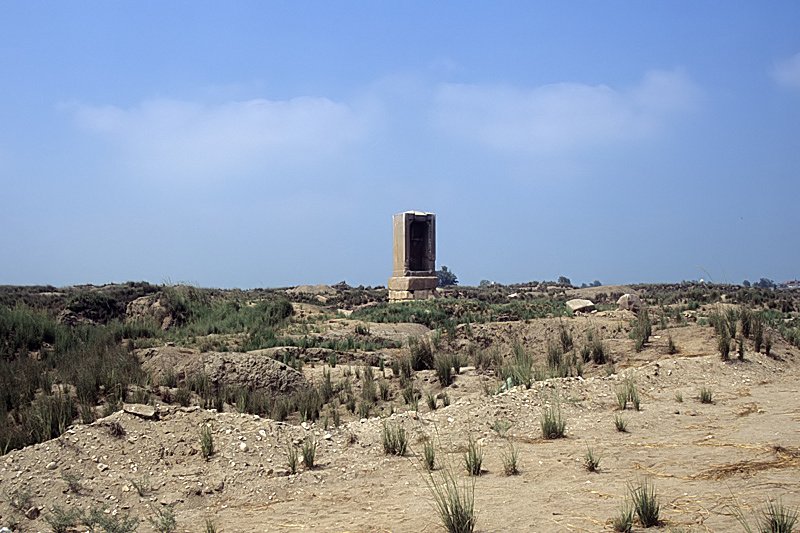
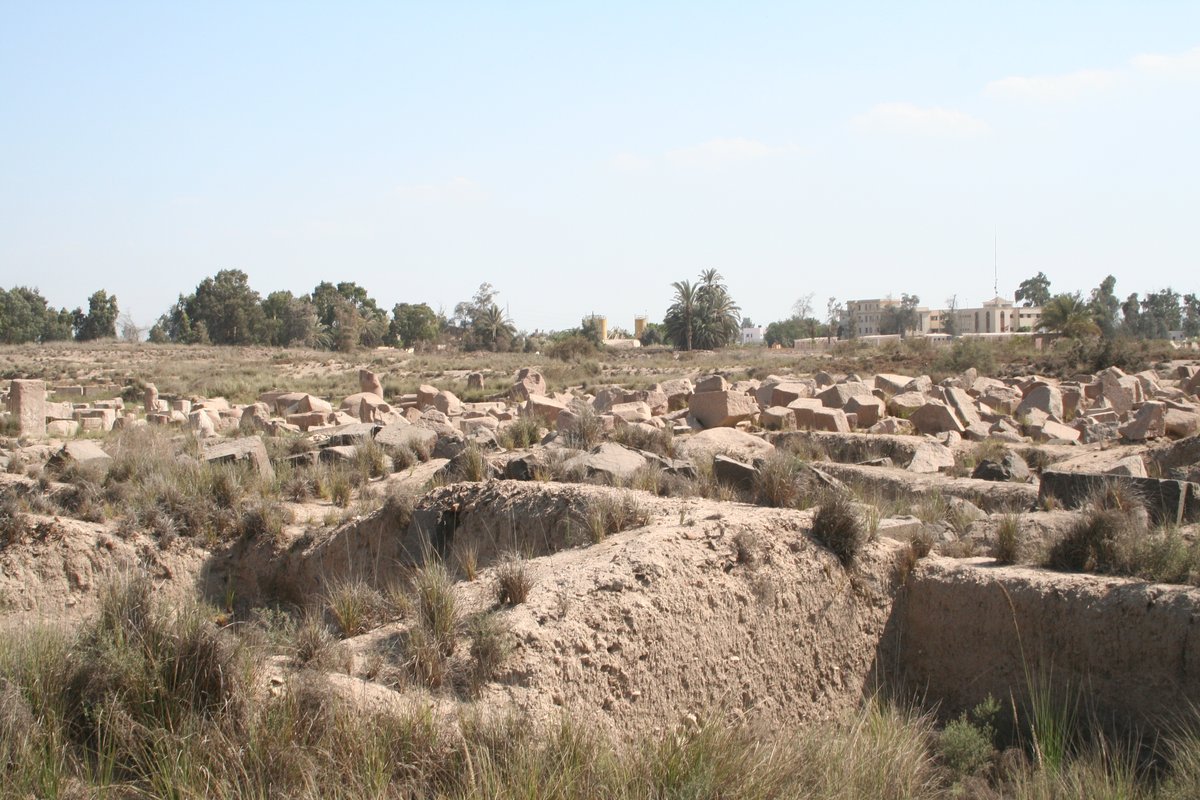
After being captured by Ahmose I, the city saw continued occupation by a large Semitic population. Later, after Ramesses II constructed the city of Pi-Ramesses to the north, Avaris was superseded as a political center, though its harbor continued to be used. Today, radar imaging and excavations reveal a well-developed urban layout of streets, houses, and a port, continuing to provide insight into its role as a cosmopolitan hub of the ancient world.
Sources: Wikipedia, OpenStreetMap, Wikidata, Wikimedia Commons
Written by Mutabor
Discuss this with the author and others
No comments yet. Be the first to start the conversation.