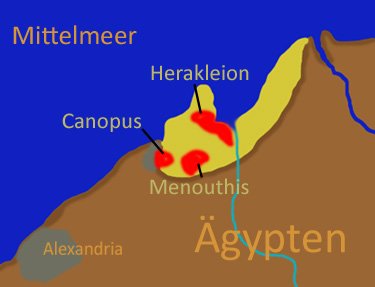

The soil beneath the islands grew weary and treacherous, melting from firm clay into a shivering liquid. Around 101 BC, probably after a severe flood, the ground on which the central island of Heracleion was built succumbed to soil liquefaction. While the nearby city of Alexandria ascended to glory, Thonis-Heracleion began its long descent into the mire of the Nile Delta.
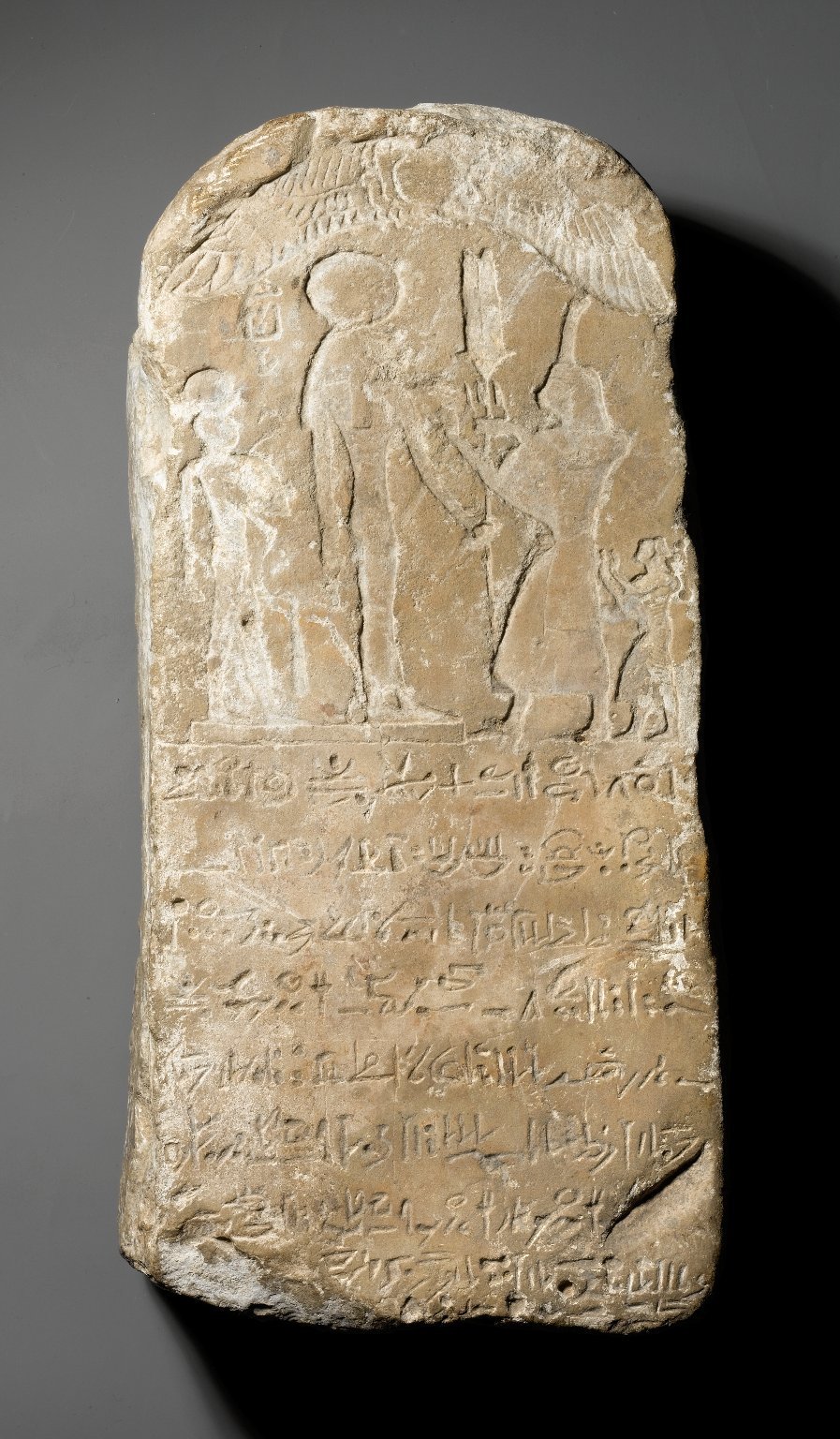
Originally built on adjoining islands in the Nile Delta, the city was an emporion and served as Egypt's main port for international trade by the Late Period. It was intersected by canals with a number of harbors and anchorages, where goods were transferred inland via nearby Naucratis. During the sixth and fourth centuries BC, the city flourished, housing a large temple of Amun-Gereb in its center. Archaeologists have found evidence of the annual "Mysteries of Osiris," where the god in his ceremonial boat was brought in procession from the temple of Amun to his shrine in Canopus.
But the tides were hungry, and by the eighth century AD, the city had been swallowed entirely by the waves. For twelve hundred years, the sea held the ruins in a cold, airless embrace. Sand and other debris covered the remains of the city, making accidental discovery unlikely and keeping the site preserved. This layer of sediment ensured that looters and unsuspecting humans and animals did not have the chance to tarnish the city's remains.
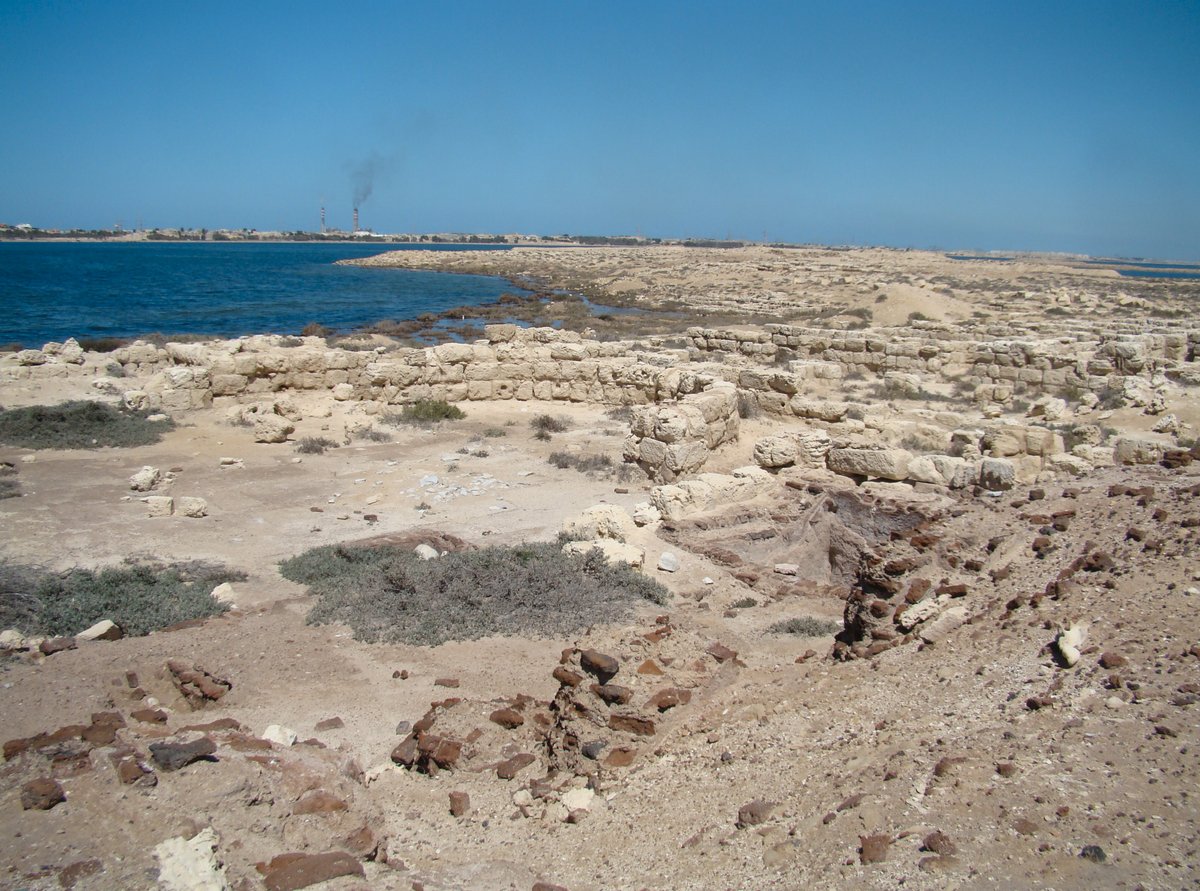
Now, the city remains a ghost beneath the waters of Abu Qir Bay. Located approximately 7 km off the coast and about 5.8 m underwater, the remains of Thonis-Heracleion were kept relatively undisturbed for over a millennium. This preserved state ensured that the city's ruins were shielded from both the elements and the reach of looters.
Sources: Wikipedia, OpenStreetMap, Wikidata, Wikimedia Commons

Written by Mutabor
Discuss this with the author and others
No comments yet. Be the first to start the conversation.