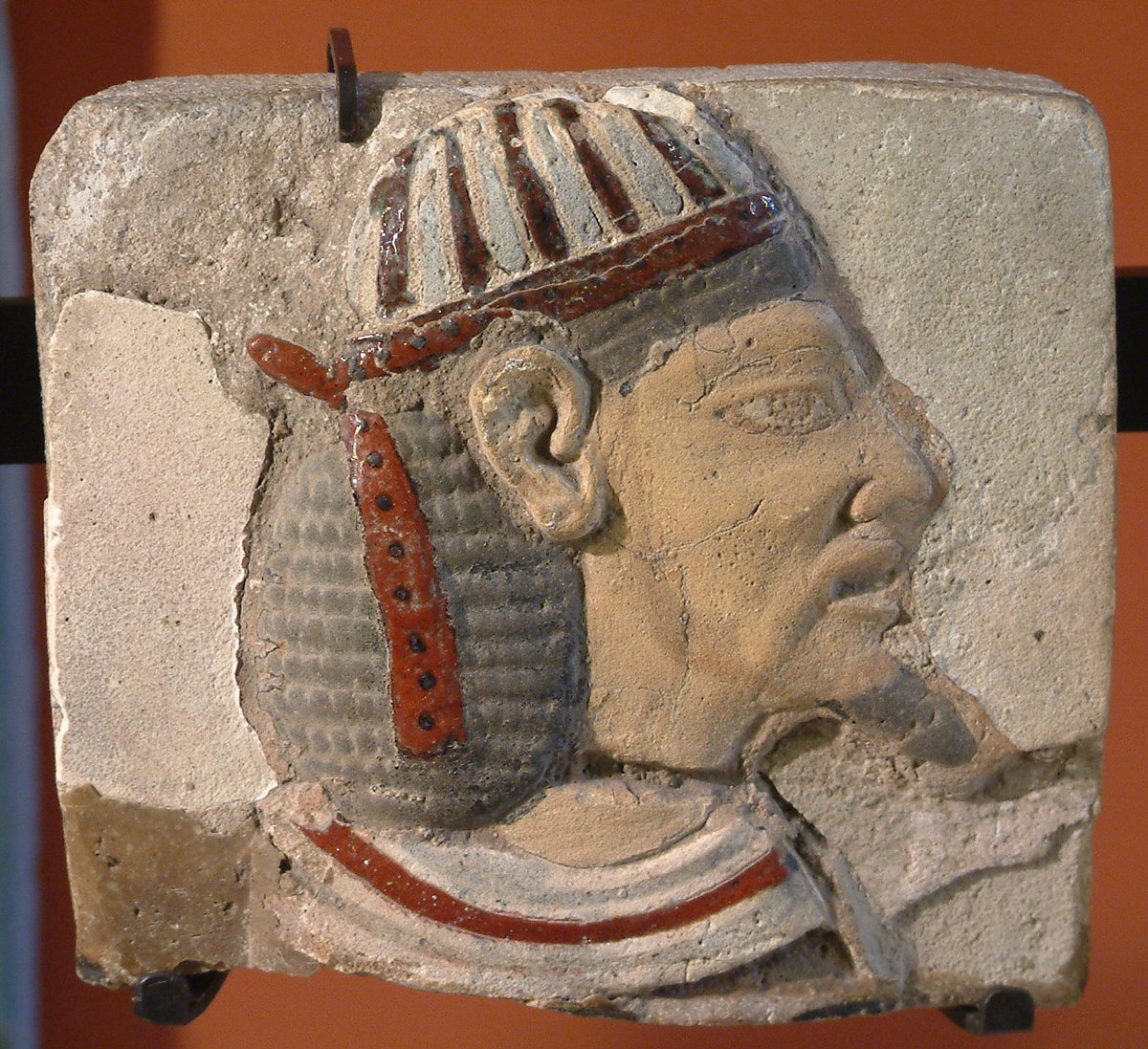

Leontopolis is the Koine Greek name for an ancient city in the 13th nome of Lower Egypt, located on the Pelusiac branch of the Nile. The site, which may correspond to the modern area of Tell el-Yahudiya, is known for its distinctive pottery and its association with the Land of Onias. It served as a home for a Jewish population that flourished there for more than three centuries.
During the reign of Ptolemy VI Philometor (180–145 BC), a temple modeled after the Temple in Jerusalem was founded by an exiled High Priest of Israel, often identified as Onias IV. The temple was built on the site of a pagan temple dedicated to Bubastis-of-the-fields. The Hebrew colony grew as refugees from the oppressions of the Seleucid kings in Judea sought to establish their national worship at Leontopolis. Josephus records that the temple was a tower of large stones, 60 cubits high, surrounded by a wall of burnt brick with stone gates.
In the aftermath of the First Jewish–Roman War, around 73 or 74 CE, Vespasian destroyed the Leontopilite temple for fear of another revolt. While identification of the site remains a subject of debate among scholars due to distances from Memphis and the size of the mound, the area is historically significant for its architectural remains, including massive rectangular earthwork enclosures likely built for defense.
Sources: Wikipedia, OpenStreetMap, Wikidata, Wikimedia Commons





Written by Mutabor
Discuss this with the author and others
No comments yet. Be the first to start the conversation.