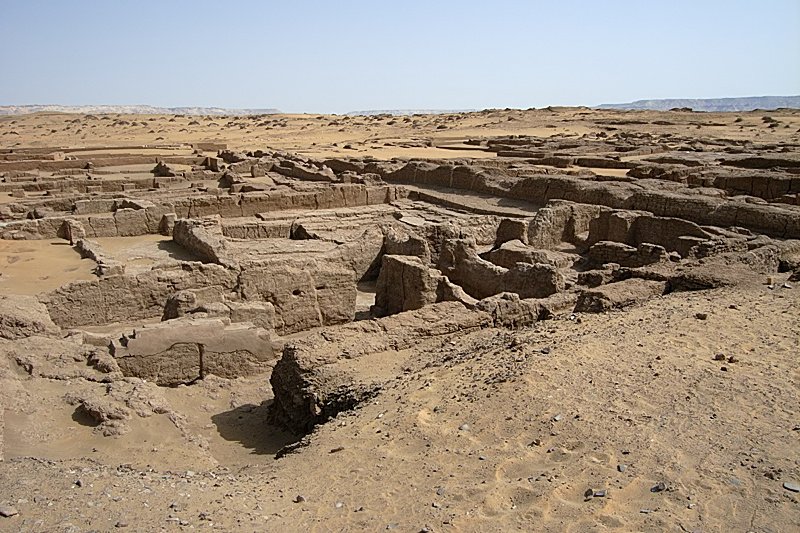

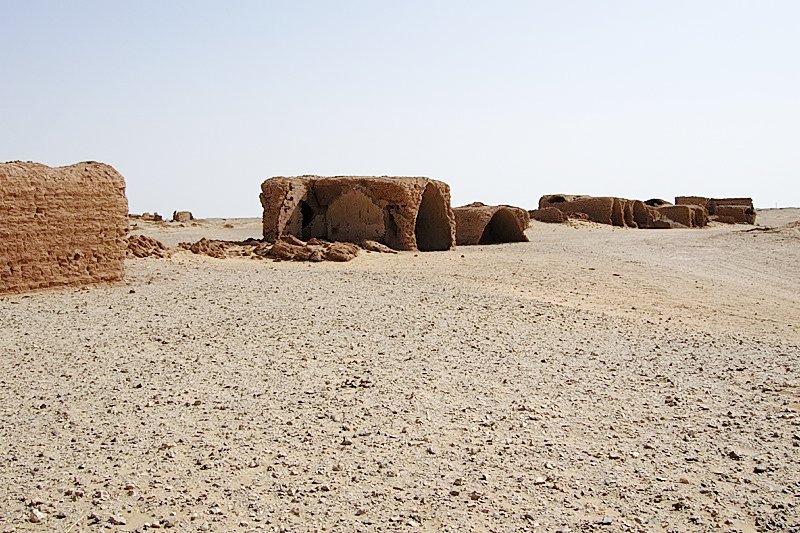
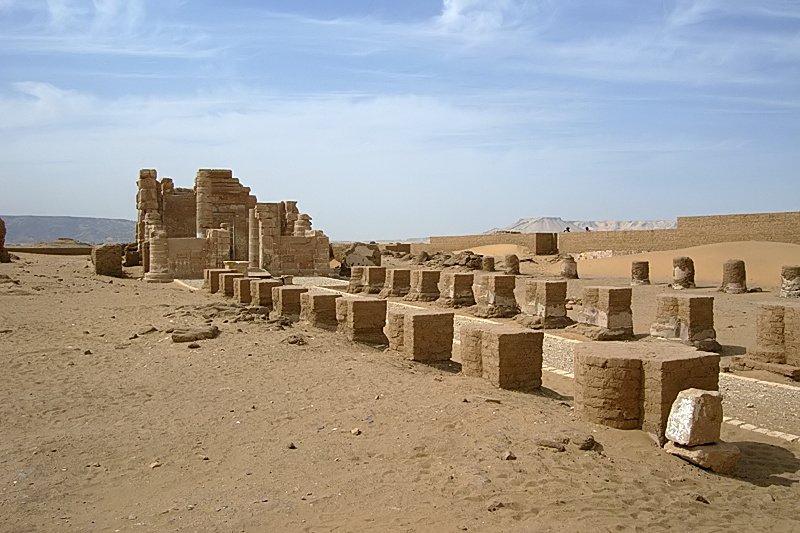
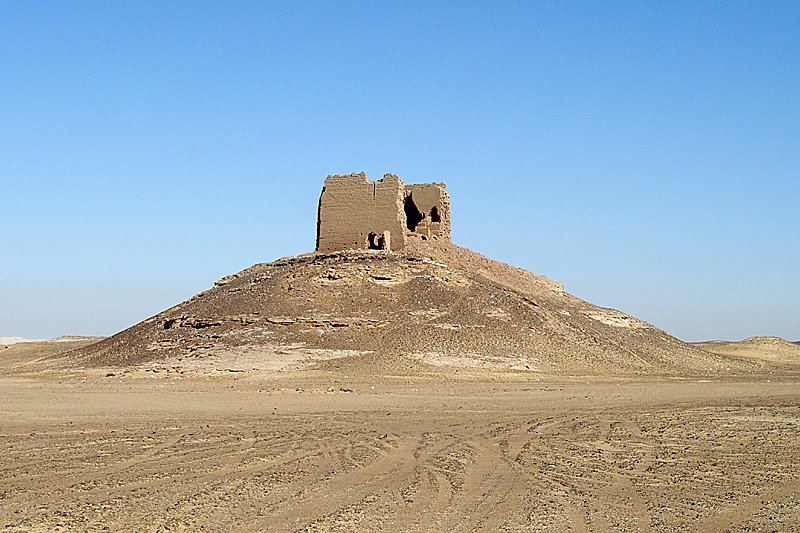
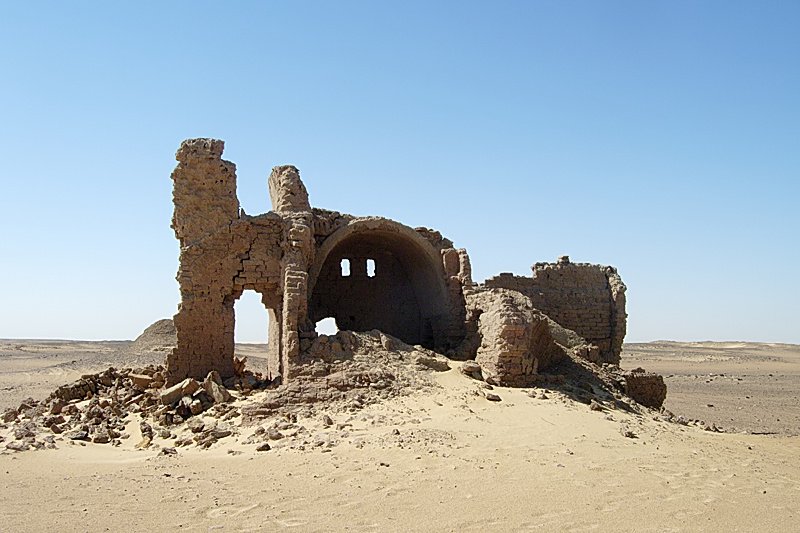
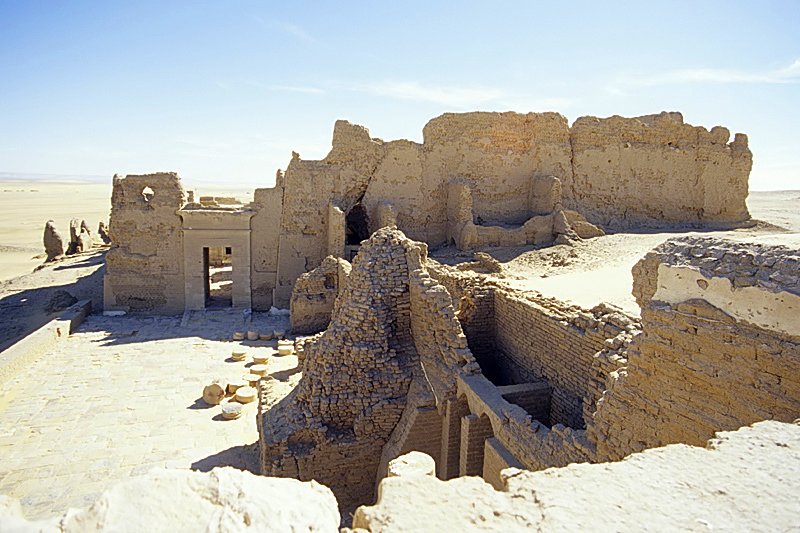
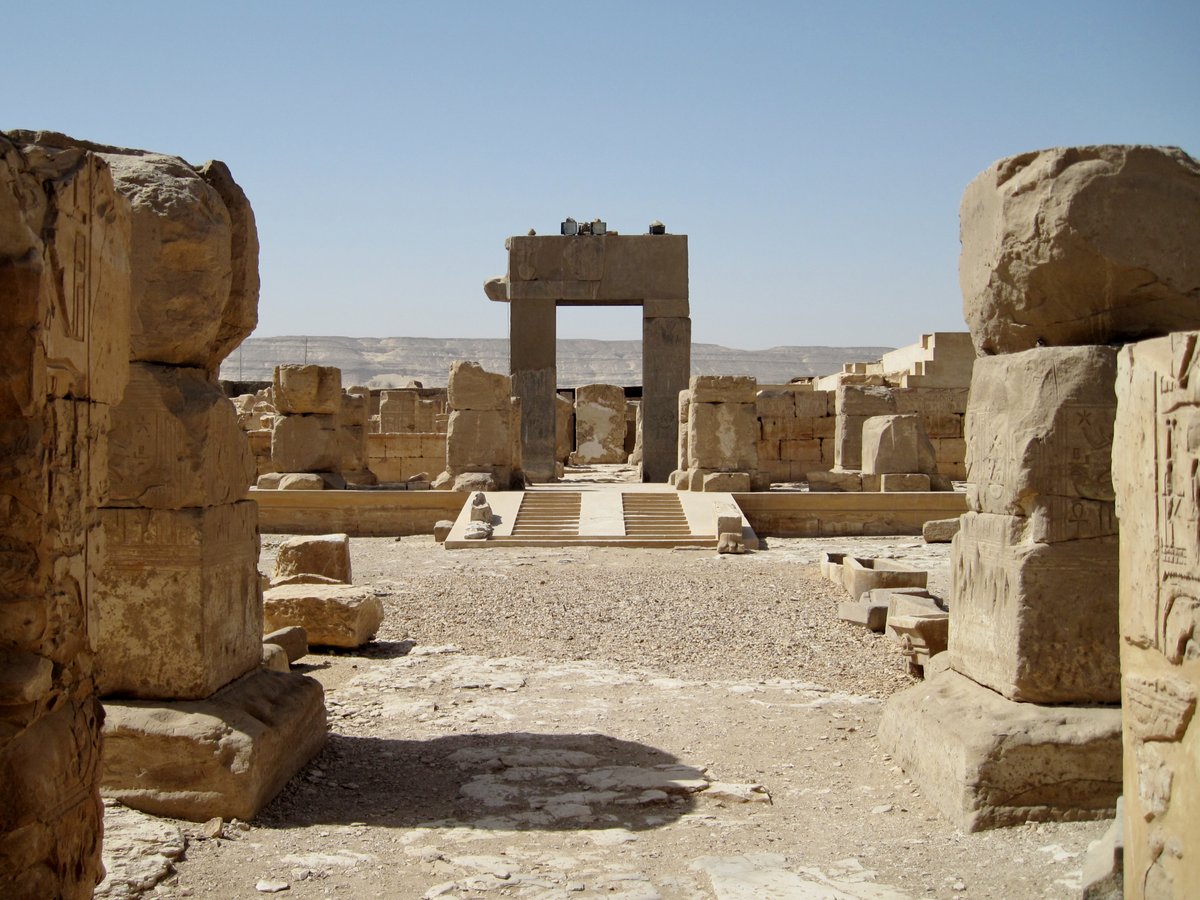
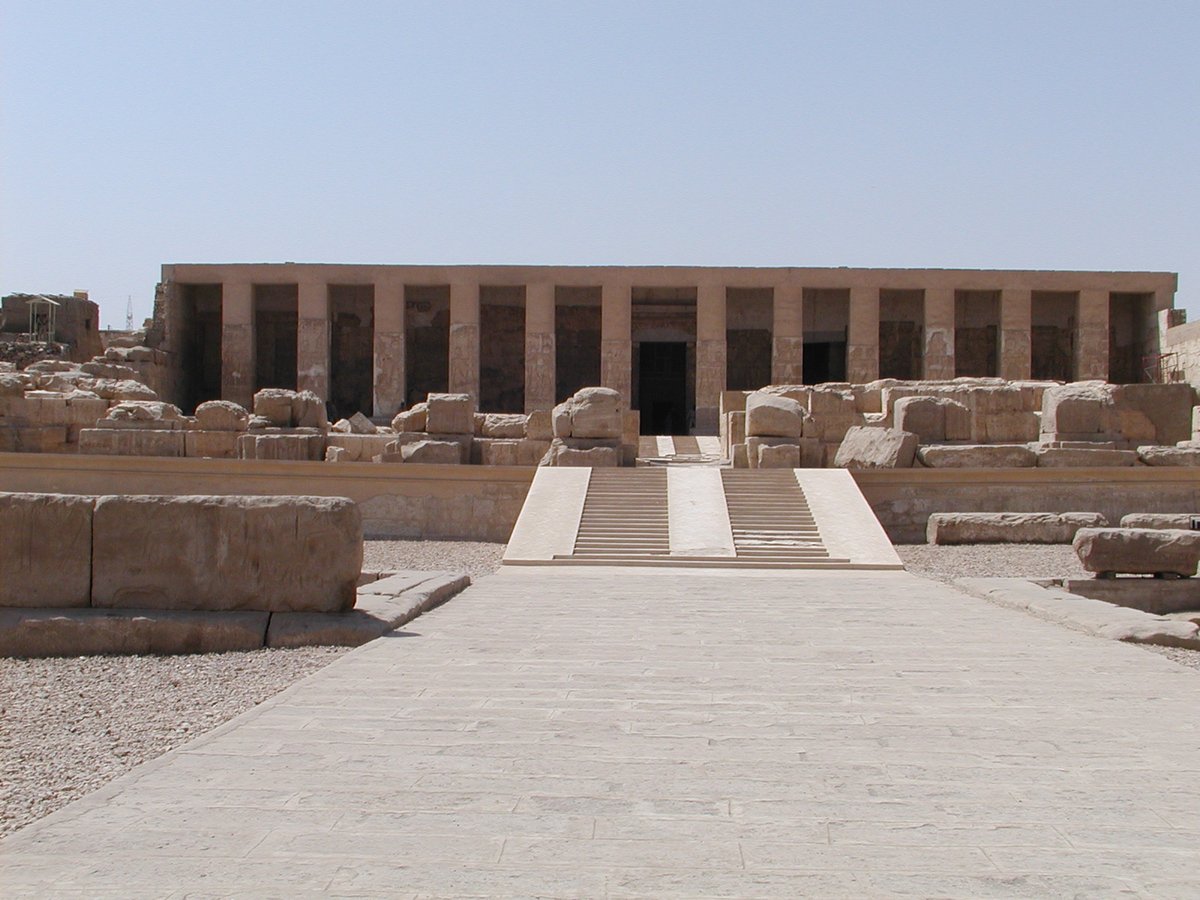
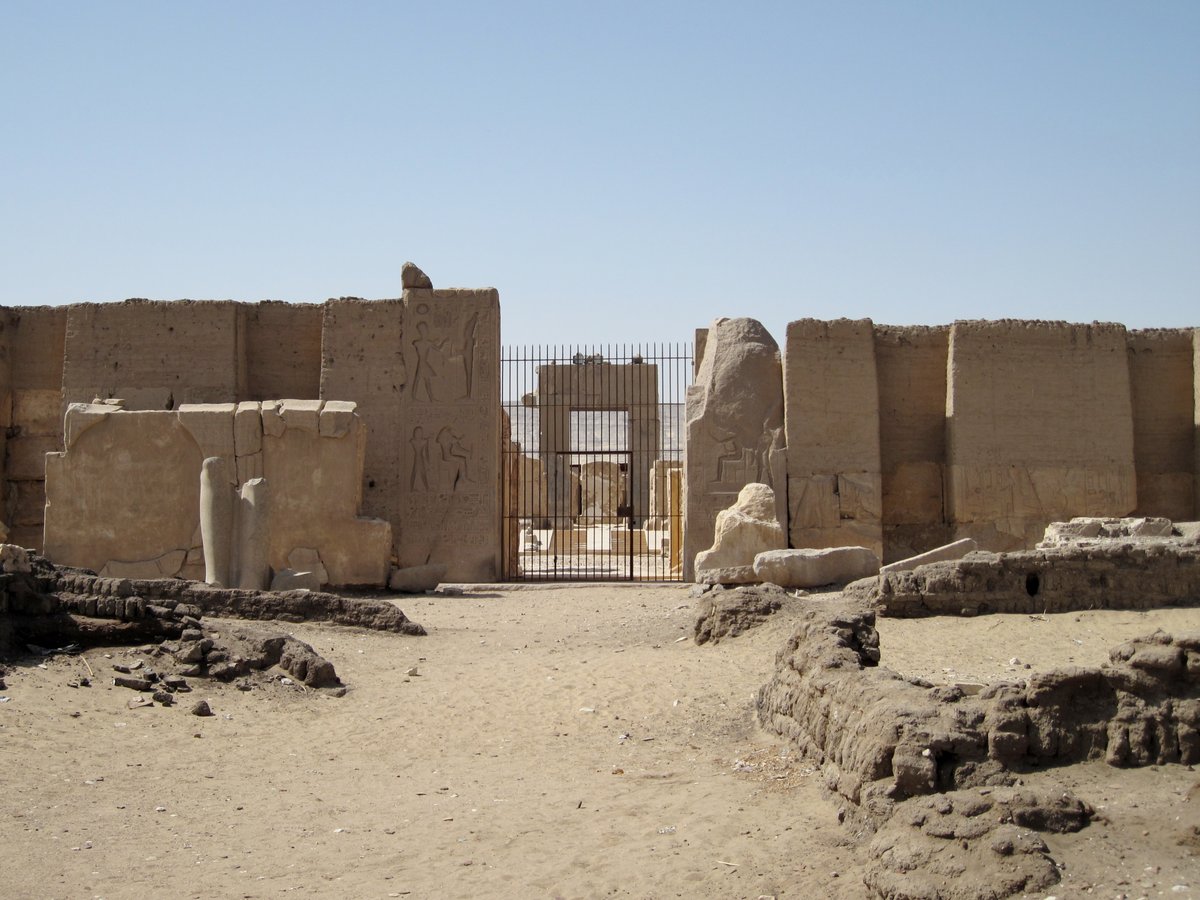
Located in the ancient city of Balatat in the Dakhla Oasis, Ain Asil is an archaeological site featuring a palace and settlement built by a local ruler during the Sixth Dynasty. The site's remains provide evidence of Balatat as an important administrative center during the Old Kingdom. A settlement cemetery is located about one kilometer to the west in Qal'at al-Dab'ab.
The site was discovered by a sandstorm in January 1947. The first excavations were conducted by archaeologist Ahmed Fakhry in October 1968, who uncovered mud-brick walls, pottery, engraved stone blocks, and a tomb bearing the name of a king or throne, Nefere-Ka-Re (Pepi II). Work paused upon Fakhry's death but resumed in 1978 by the French Institute of Oriental Archaeology in Cairo under the supervision of archaeologist Jean Vercoutter. Excavations in Qal'at al-Dab'ab and Ain Asil are currently managed by archaeologist George Squijsian.
Ain Asil is notable as a large and prosperous settlement situated far from the Nile Valley. The city existed between the late Fifth Dynasty or early Sixth Dynasty and the Second Intermediate Period. It originally served as an administrative center for Dakhla during the reigns of Pepi I and Pepi II. Among its finds are rare inscribed clay tablets from the Sixth Dynasty, which provide the oldest evidence that the Dakhla Oasis was connected to the Nile Valley during this period. These tablets contain the names of oasis rulers, their families, and lists of goods distributed to the palace.
Sources: Wikipedia, OpenStreetMap, Wikidata, Wikimedia Commons
Written by Friendly Jane
Discuss this with the author and others
No comments yet. Be the first to start the conversation.