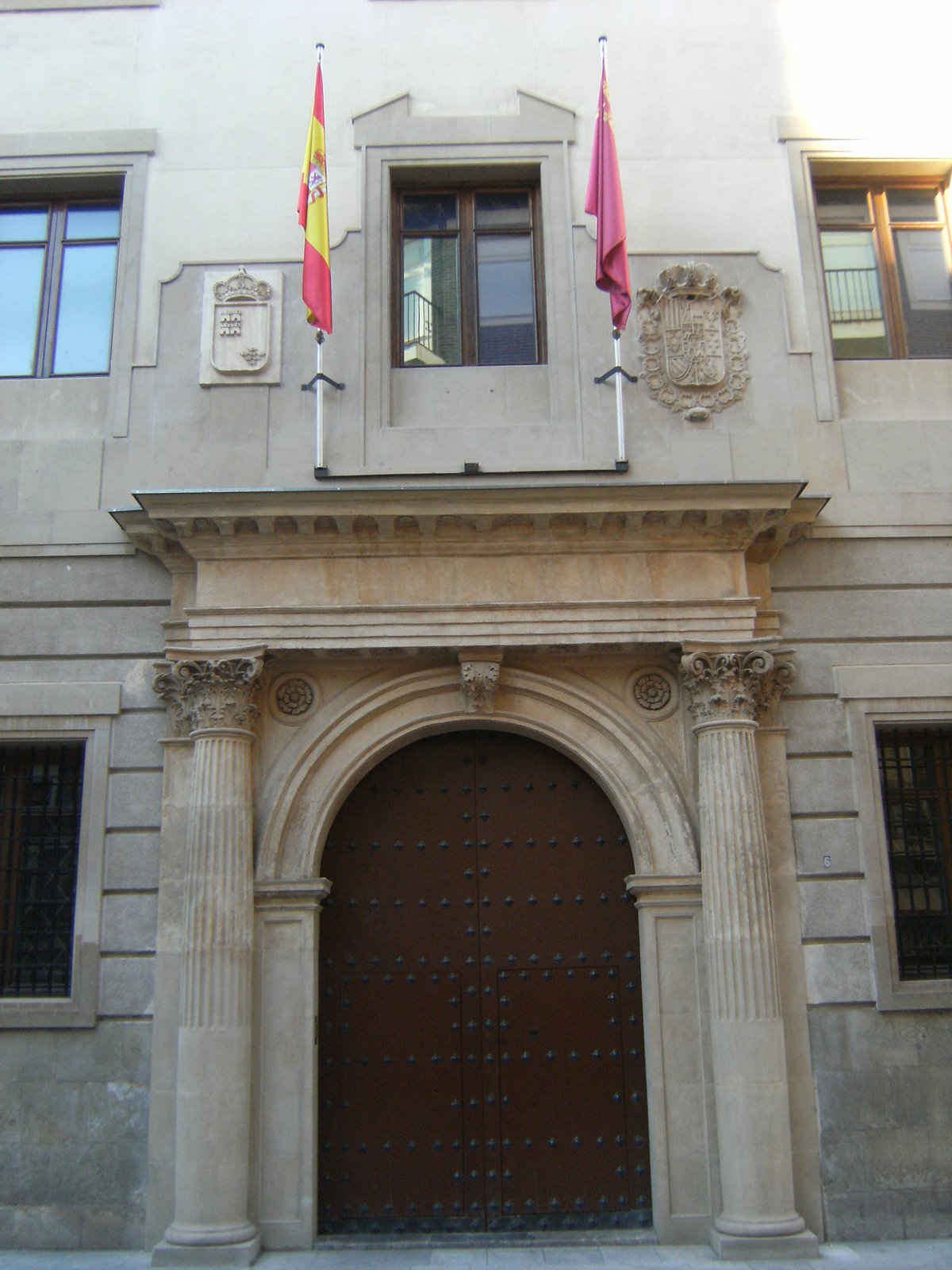

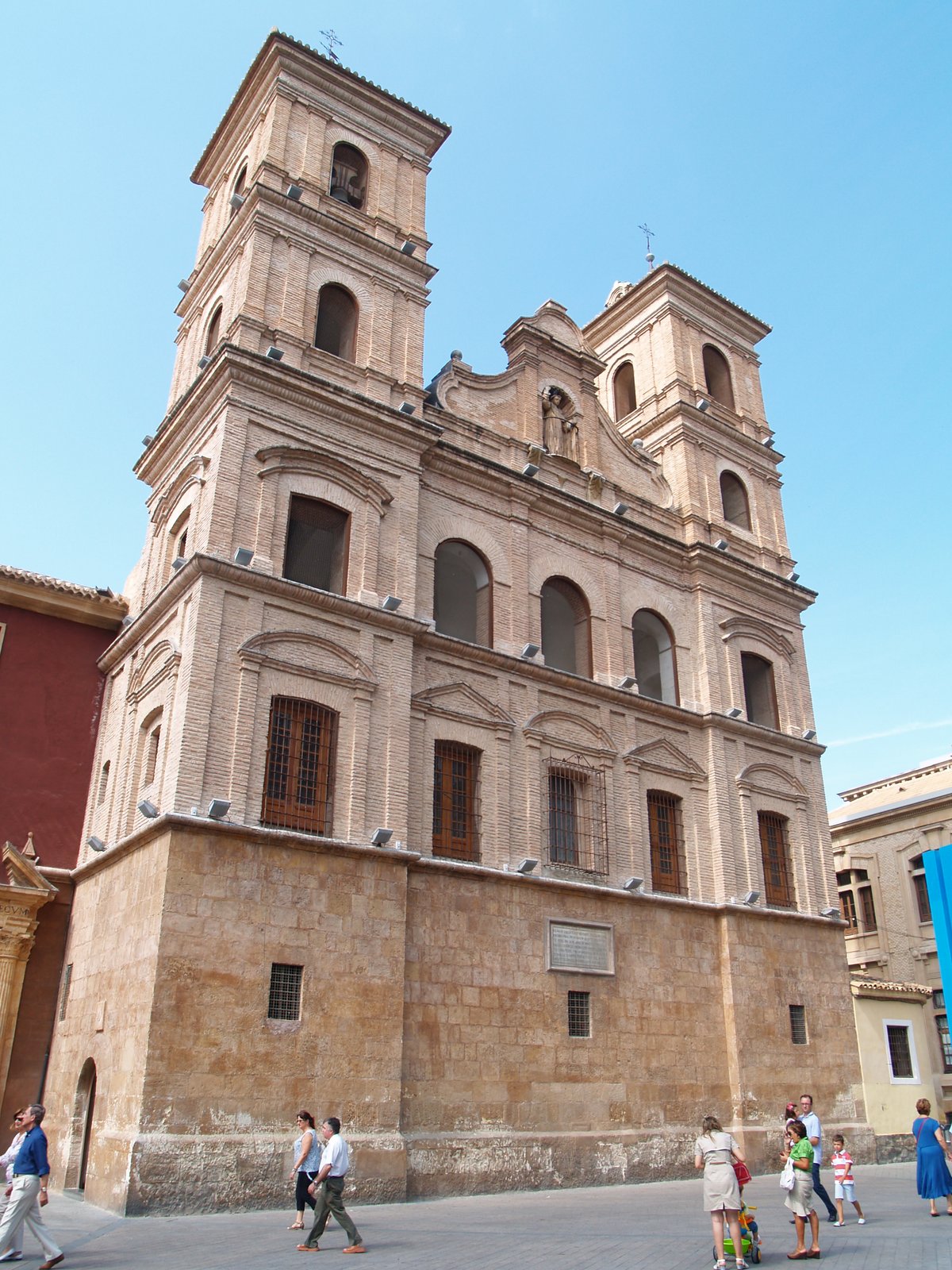
The history of the Palacio de San Esteban began in 1555 when one of the first colleges of the Company of Jesus was founded in Murcia, thanks to the economic help and personal initiative of the bishop of the Diocese of Cartagena. Very soon, it became a place of reference for inquiries into not only religious but also scientific and humanistic matters. During two centuries, it formed many notable men of letters, such as Francisco Cascales and Francisco Salzillo, while hosting esteemed rectors like Juan Bautista de Barma and Pedro Doménech.
Following the expulsion of the Jesuits in 1767, the college facilities served as a barracks for a company of Dragones de la Reina. In 1777, the Casa de Misericordia was established in the building, and a provincial asylum was later built as an annex. The site was eventually declared a Monumento Nacional in 1931. In 1972, demolition was proposed due to the building's calamitous state of ruin, but in 1984 it was decided to convert the site into the seat of the Presidency of the Region of Murcia and the Government Council.
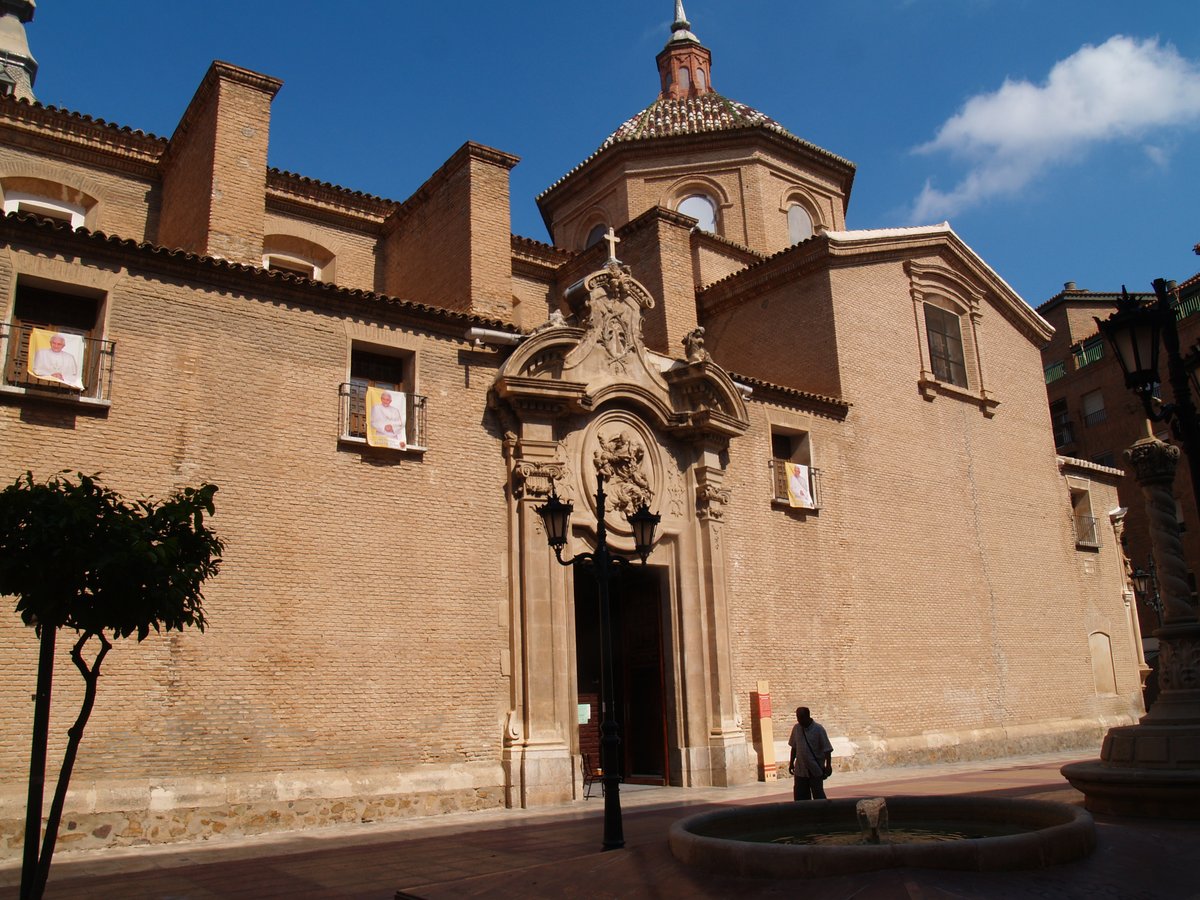
Today, the building is known as the Palacio de San Esteban. The church has been converted into the Sala de San Esteban, a space for temporary exhibitions, while the former gardens of the Company and the site of the old provincial asylum have become the public garden of San Esteban. The site also contains a significant archaeological complex of a neighborhood discovered in 2009, which was approved as a site of cultural interest in 2010.
Sources: Wikipedia, OpenStreetMap, Wikidata, Wikimedia Commons
Written by Nicolo Ciampini
Discuss this with the author and others
No comments yet. Be the first to start the conversation.