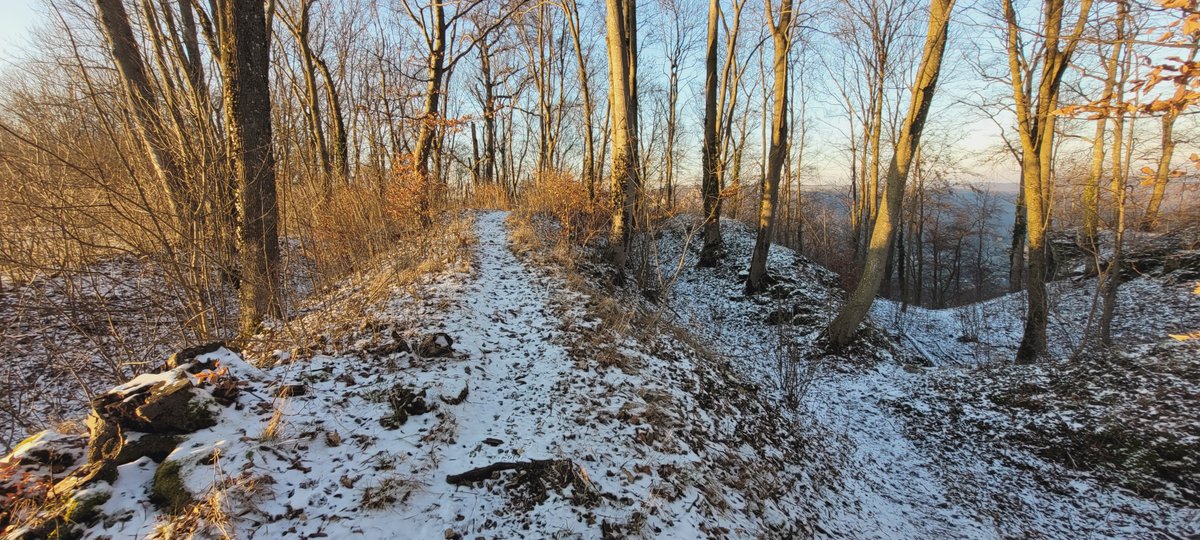
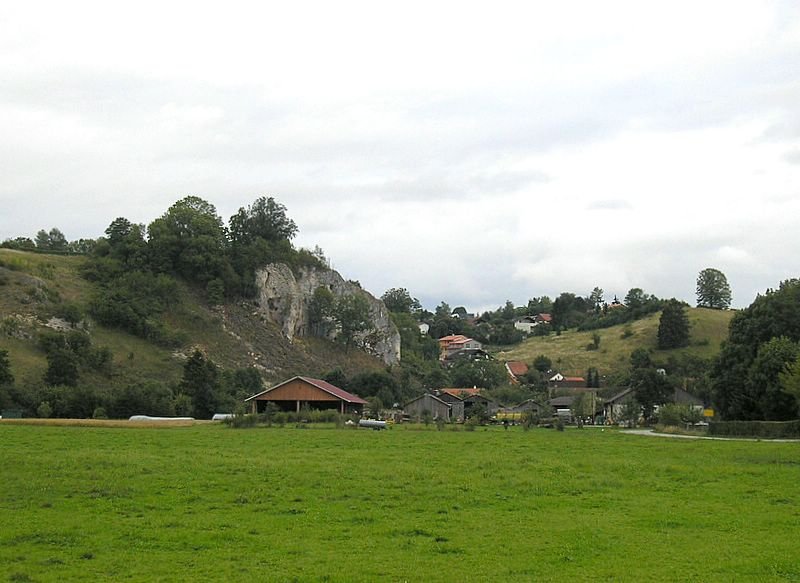
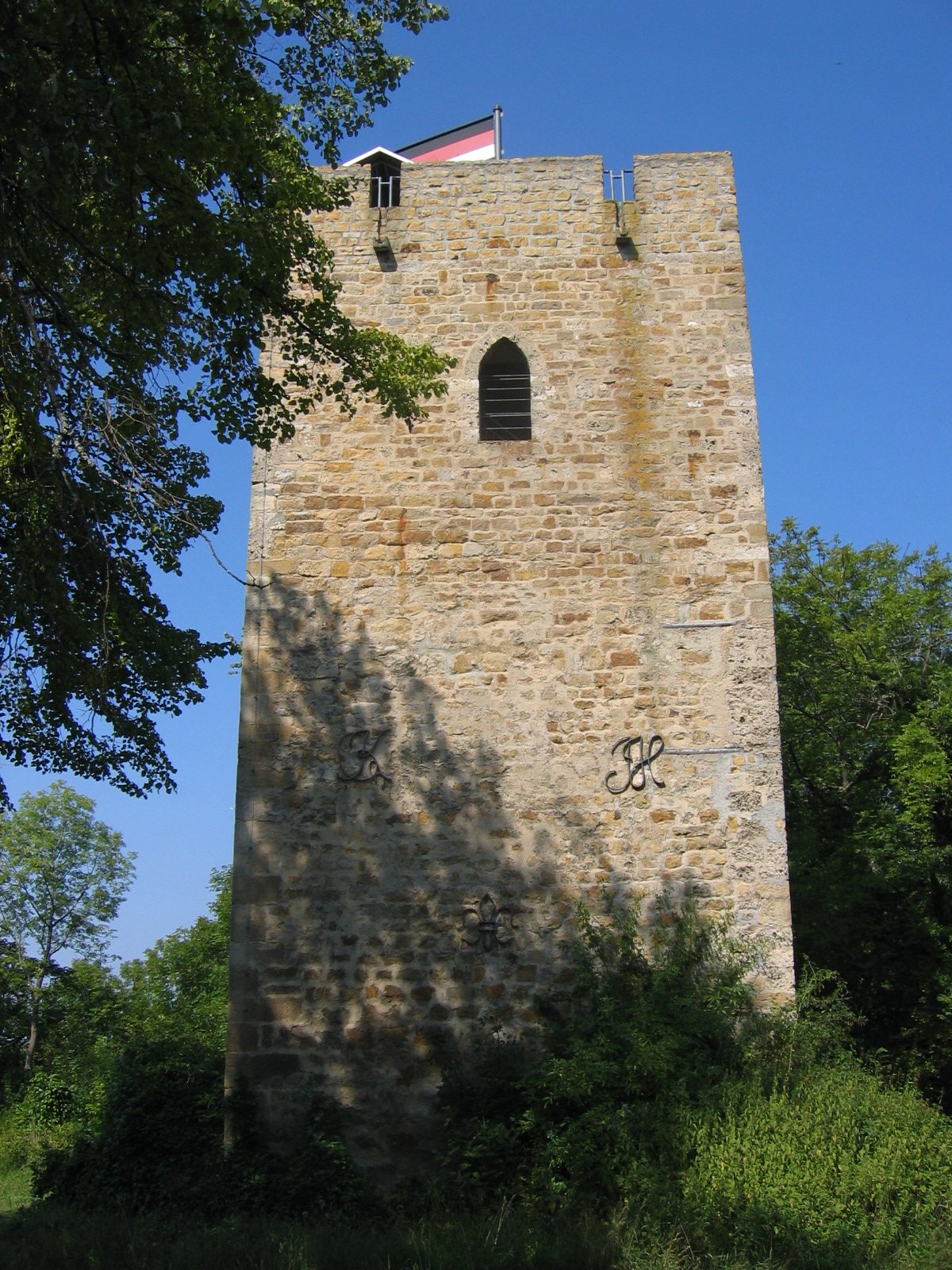
Earth rises in a stony spine toward heaven. On a rock spur 701 metres above the confluence of the Rötelbach and the Fils, Burg Bühringen holds the remnants of a defensive spur castle. Located near the town of Bad Überkingen, the site sits high above the valley, secured toward the water by deep sheer walls.
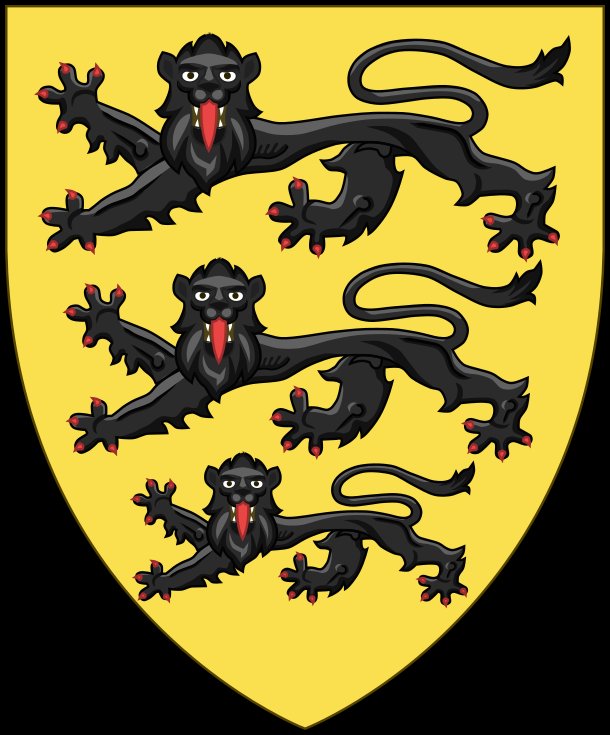
Construction began around the year 1250 by the Counts of Helfenstein as a seat for their ministerial. Records from 1258 mention the knights Albrecht, Ulrich, and Heinrich von Überkingen. In 1363, Hans von Obenhausen sold the castle to Count Ulrich von Helfenstein. It later served as the residence for Countess Maria von Helfenstein, Duchess of Bosnia, who was the widow of Count Ulrich. Following her death, the castle was sold to the Imperial City of Ulm in 1403, which occupied the site with a Vogt.
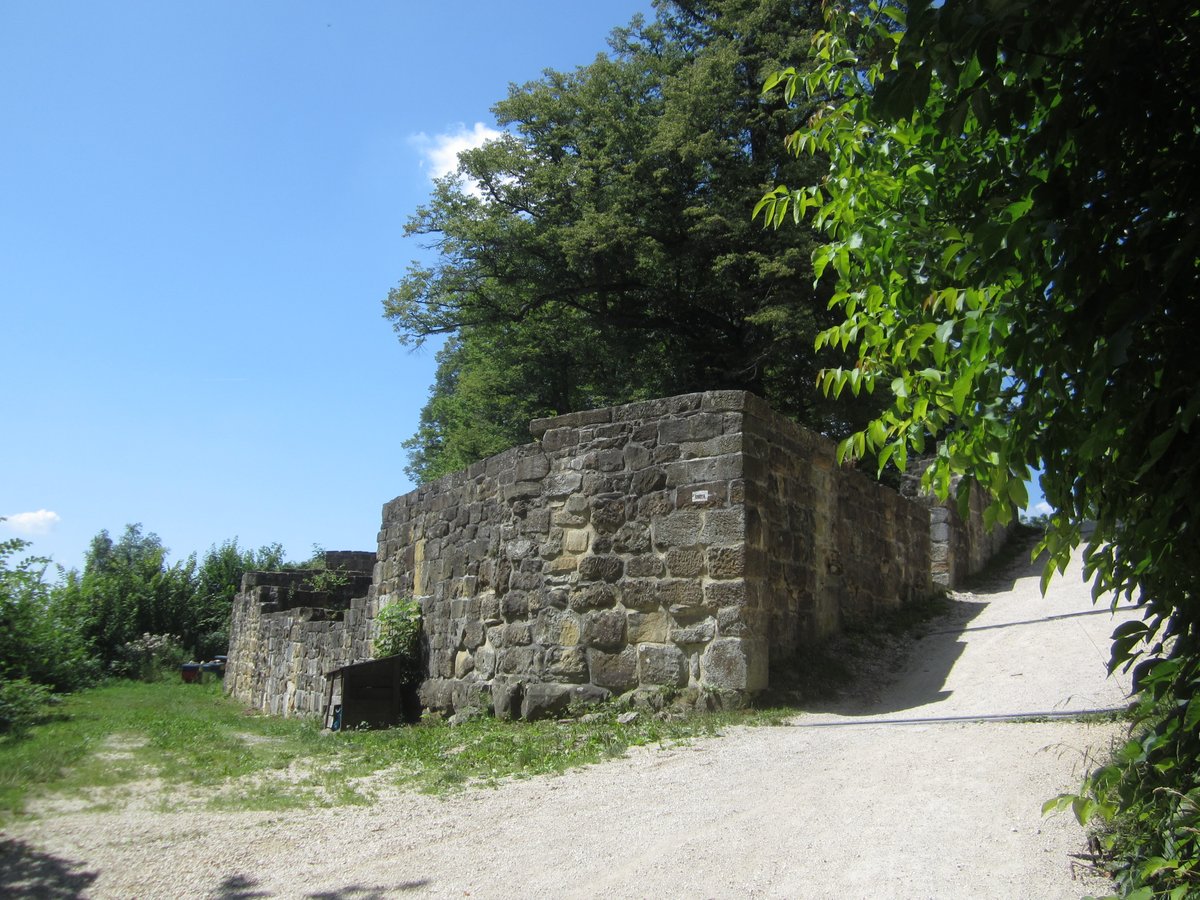
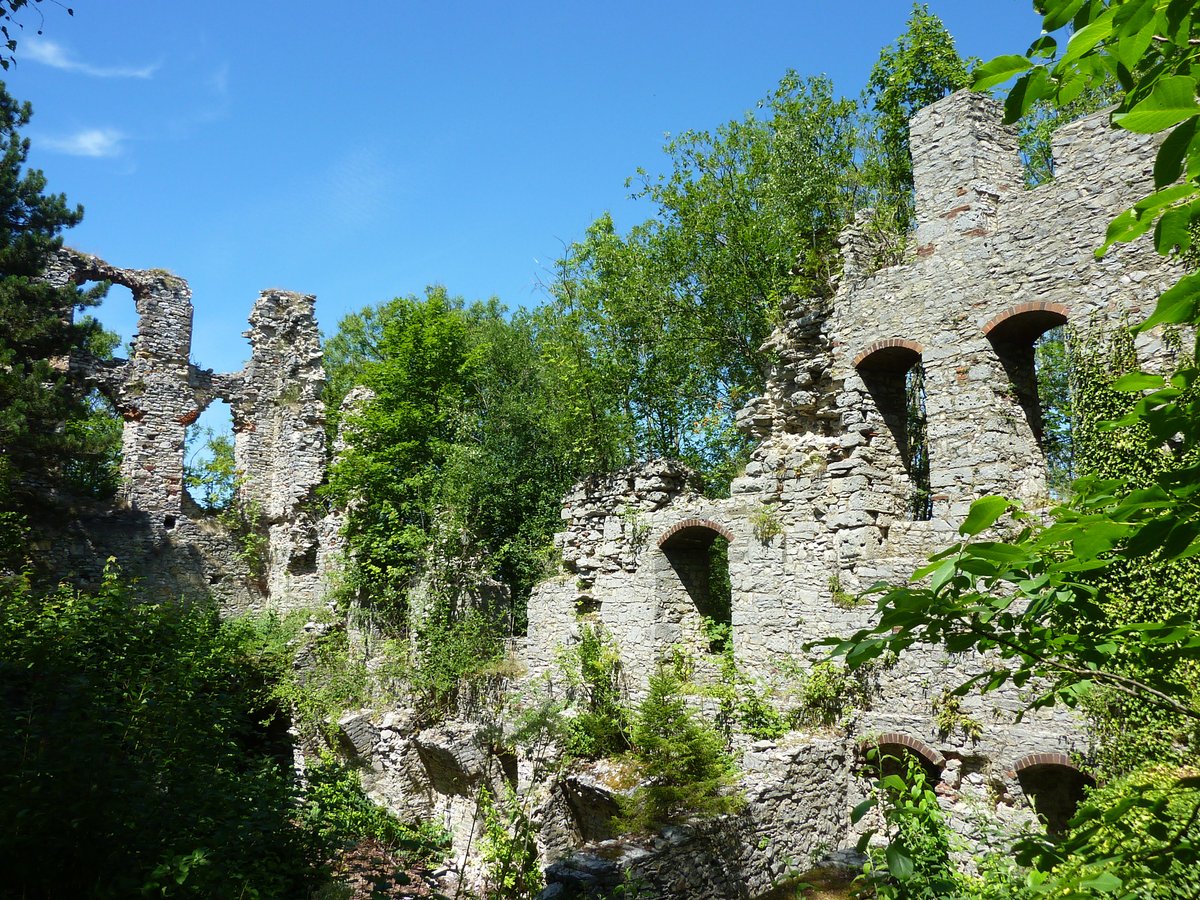
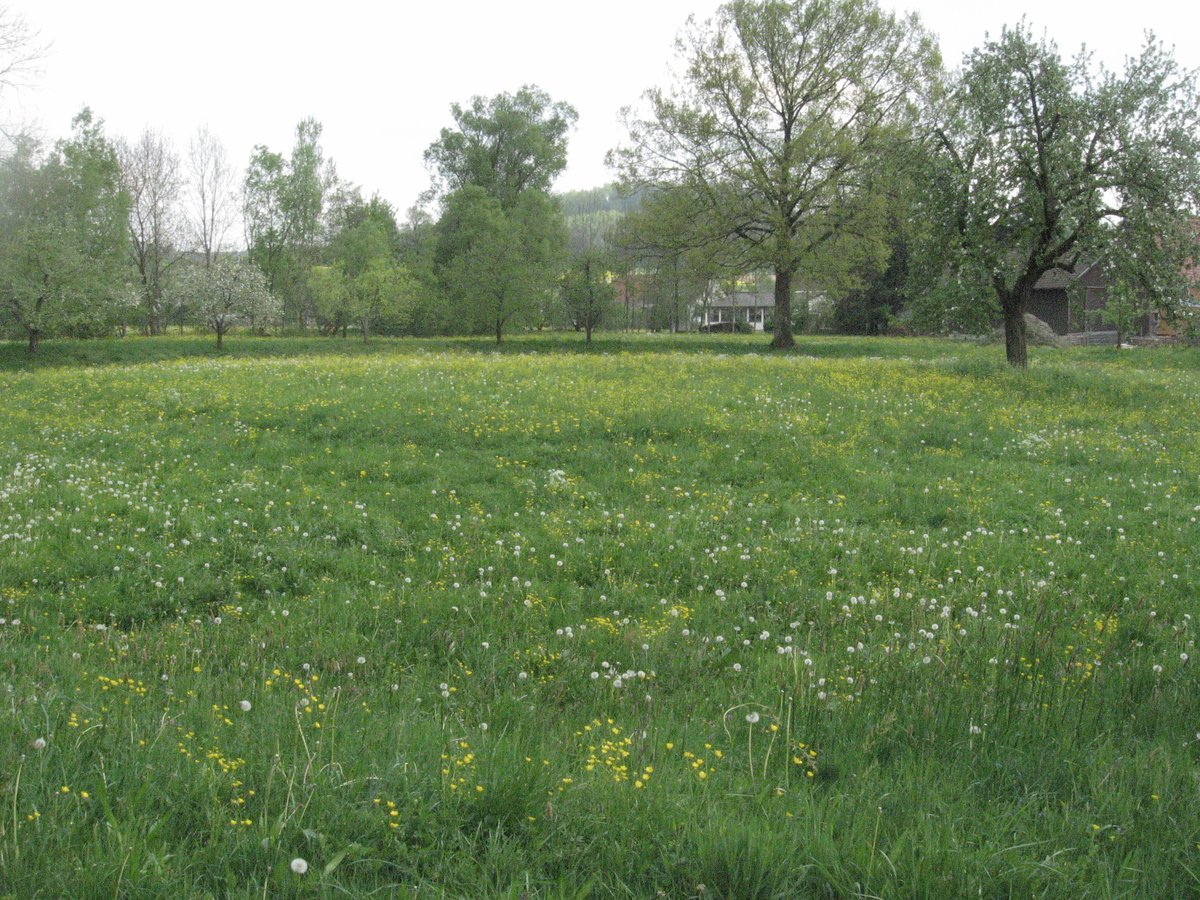
The stronghold was burned down in 1525 during the Peasants' War. Following the fire, citizens of Türkheim almost completely dismantled the castle. Today, the site still features three ditches and two ramparts facing the plateau. The neck ditch reveals the foundations of the outer defensive walls.
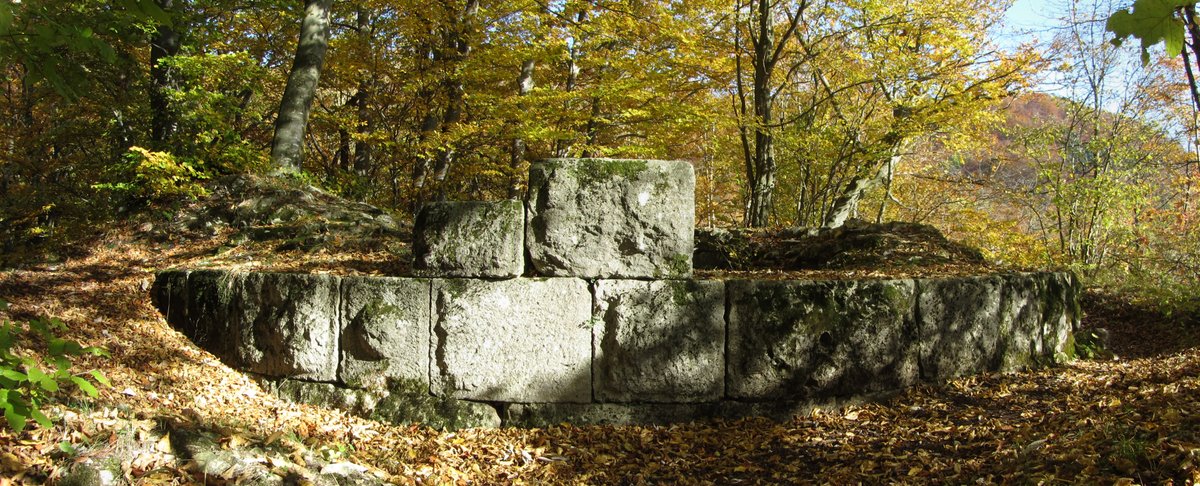
Evidence suggests that two buildings likely existed on the site. A keep may have also existed on a small spur, separated by a ditch. What remains today is a geography of earthworks and defensive markings carved into the rock.
Sources: Wikipedia, OpenStreetMap, Wikidata, Wikimedia Commons
Written by Aurora
Discuss this with the author and others
No comments yet. Be the first to start the conversation.