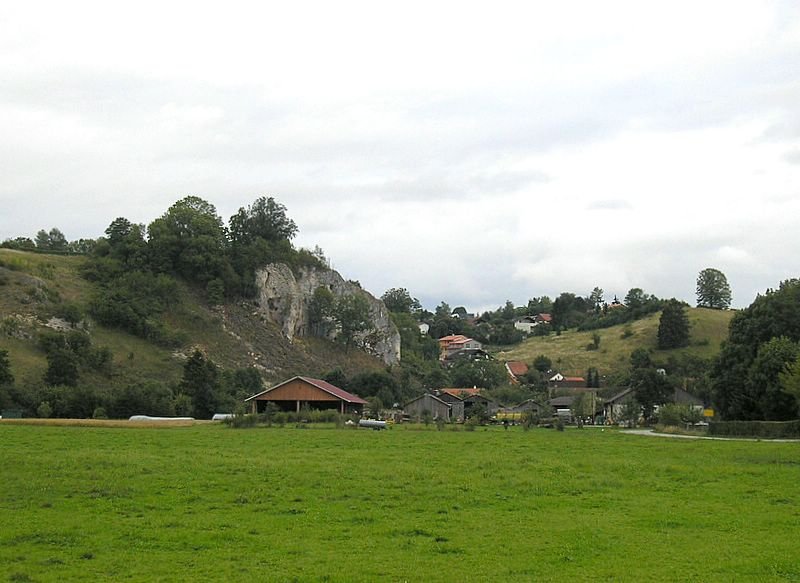
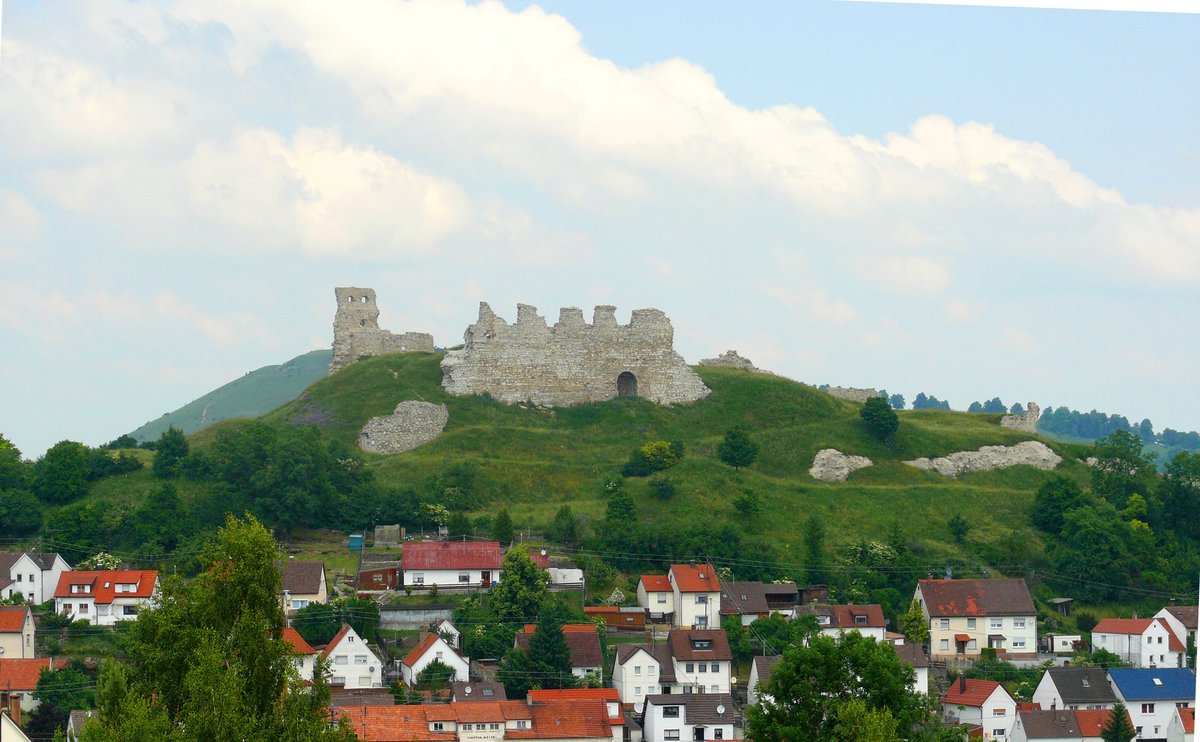
A rectangular keep of rough stones once sat perched on a precipice, 50 metres above the valley floor in Herbrechtingen. It was a place of height and heavy stone, where the keep reached out over a steep rock cliff 521 metres above the sea. To its other side, a semi-circular trench served as a secondary shield against the world below.
Constructed around 1200, the castle served as a home for ministeriales. These were unfree knights, men who held land and status but lacked the full freedom of the high nobility. They served the Graf or Baron von Dillingen, and it is likely they built their home upon the foundations of an even older, forgotten fortress. In 1244, a knight named Gerwig von Eselsburg was already noted in a document.
In 1270, Rudolf von Eselsburg served Graf Ulrich II von Helfenstein, and by 1284, another Gerwig was in the service of the Bishop of Augsburg. This was a seat of local power until 1343, when the Eselsburger family sold the property. The land then began a long migration of ownership, passing to Wilhelm von Riedheim in 1385, then to Heinrich von Bopfingen in 1414. In 1441, the site achieved a higher status as an Imperial fief.
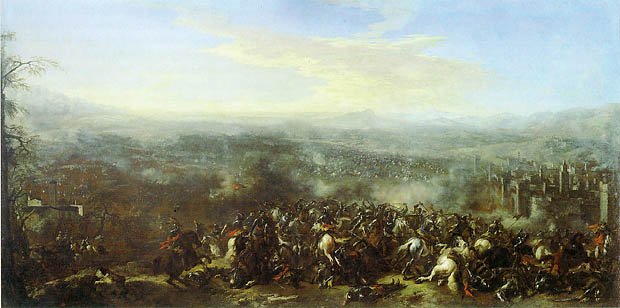
In 1444, Rudolf von Bopfingen sold half of his rights to Heinrich Krafft from Ulm, and Krafft secured the remainder just one year later from Sigmund von Eselsburg. The Imperial connection was short-lived; in 1453, the Emperor released the castle from his ownership, ending its time as a fief of the realm. The castle remained a prize until 1462, when Bavarian troops arrived during a Reichskrieg against the Duchy of Bavaria and set the structure ablaze.
Eitelhans von Knöringen took ownership in 1479, followed by the Lords von Eben in 1503. Christoph Friedrich von Eben eventually sold the estate to his brother-in-law, Ulrich von Rechberg zu Falkenstein, in 1562. The final transition occurred in 1593 when the property was divested to the House of Württemberg. The castle was emptied and began to decay.
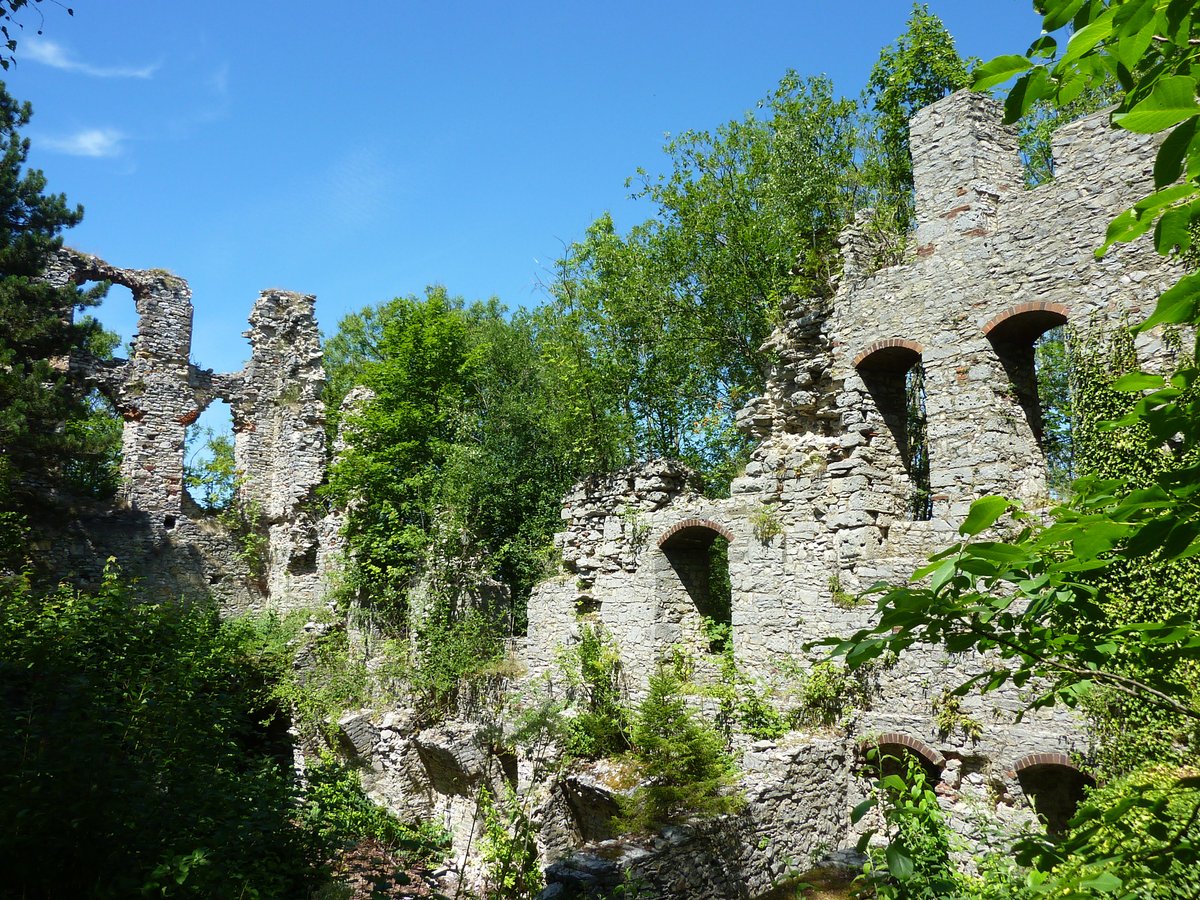
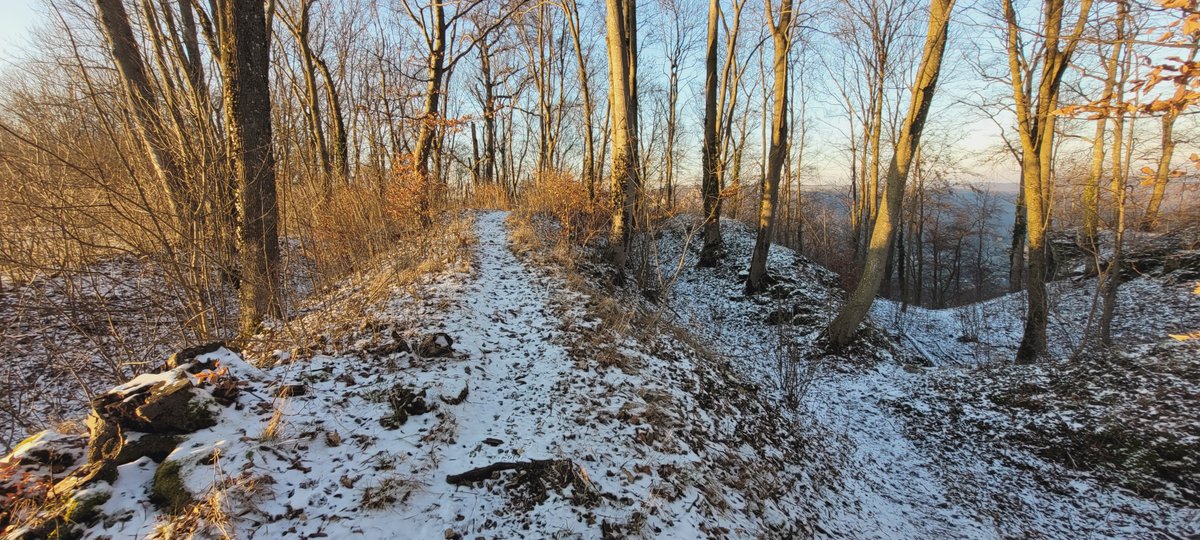
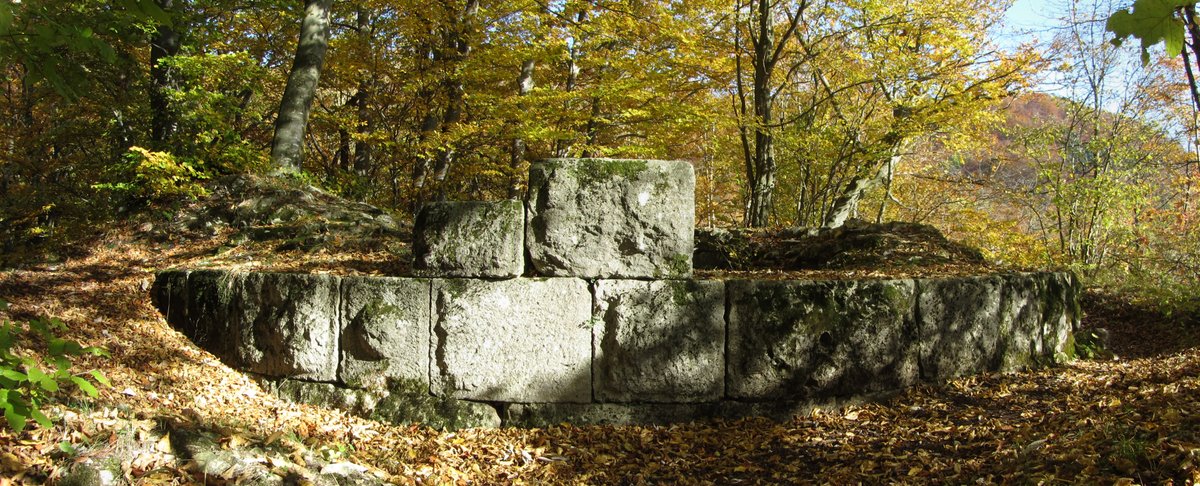
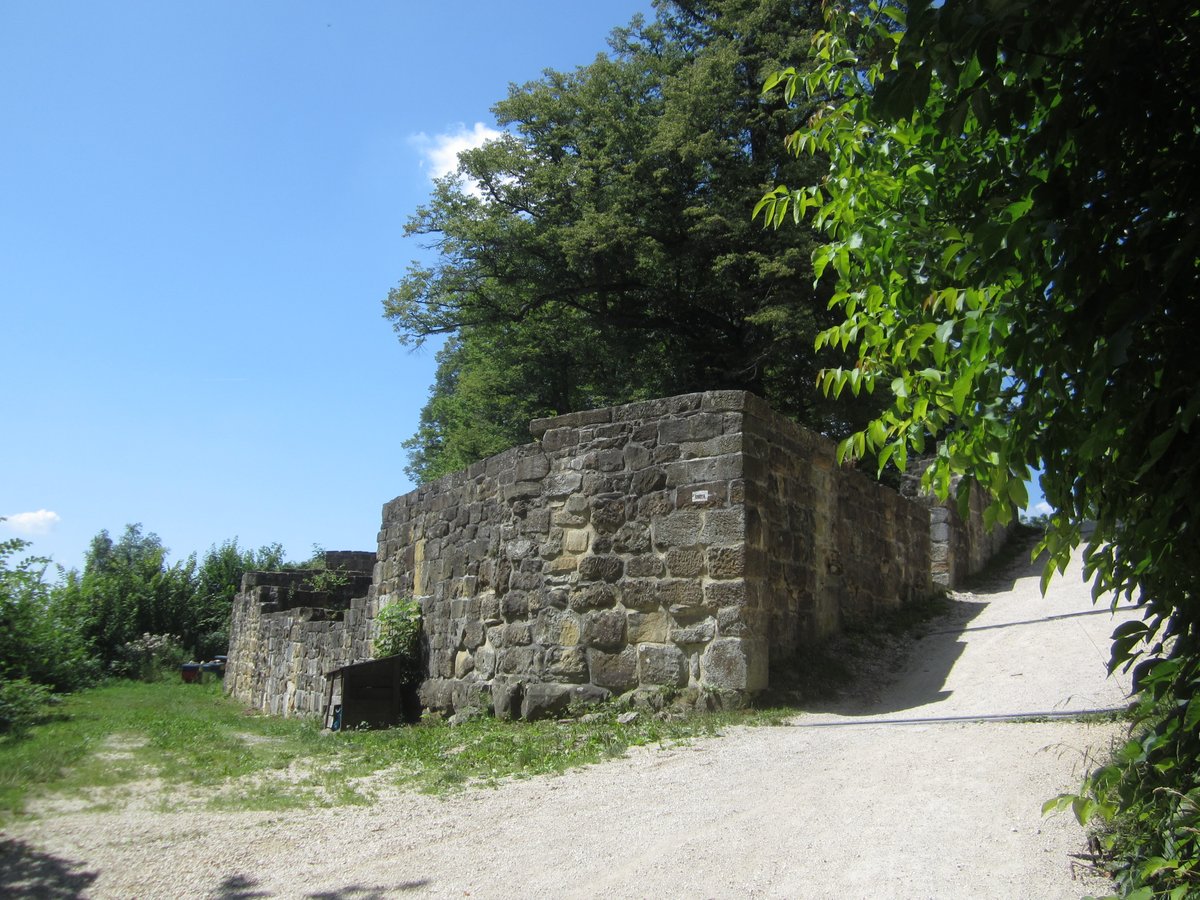
By 1690, the local records described the site as abandoned and totally overgrown. Today, the high medieval architecture has mostly returned to the earth. A visitor will find a ditch cut directly from the rock, about 5 metres deep and 4 to 5 m wide. A few fragments of wall remain, showing the use of buckel stones - square stones with a rounded outer edge. These fragments are the last echoes of the fortified houses and the helmet-topped tower that once commanded the valley view.
Sources: Wikipedia, OpenStreetMap, Wikidata, Wikimedia Commons
Written by Aurora
Discuss this with the author and others
No comments yet. Be the first to start the conversation.