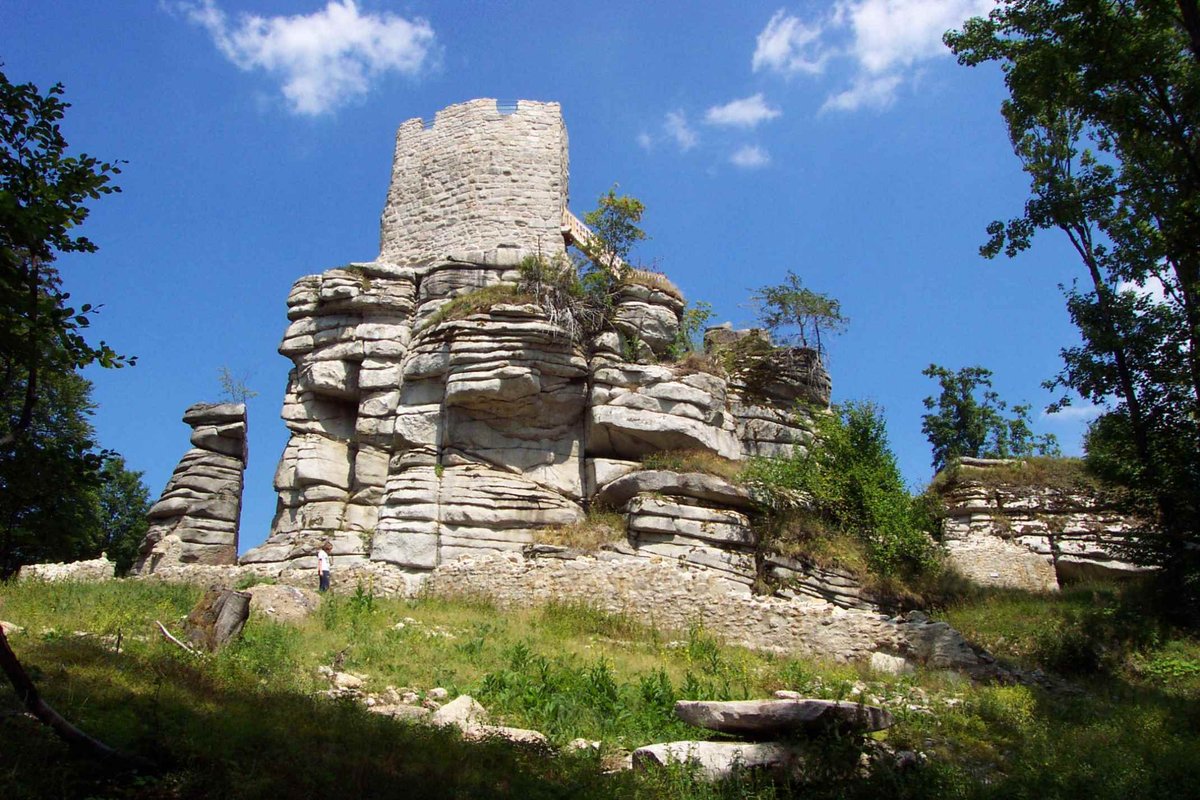
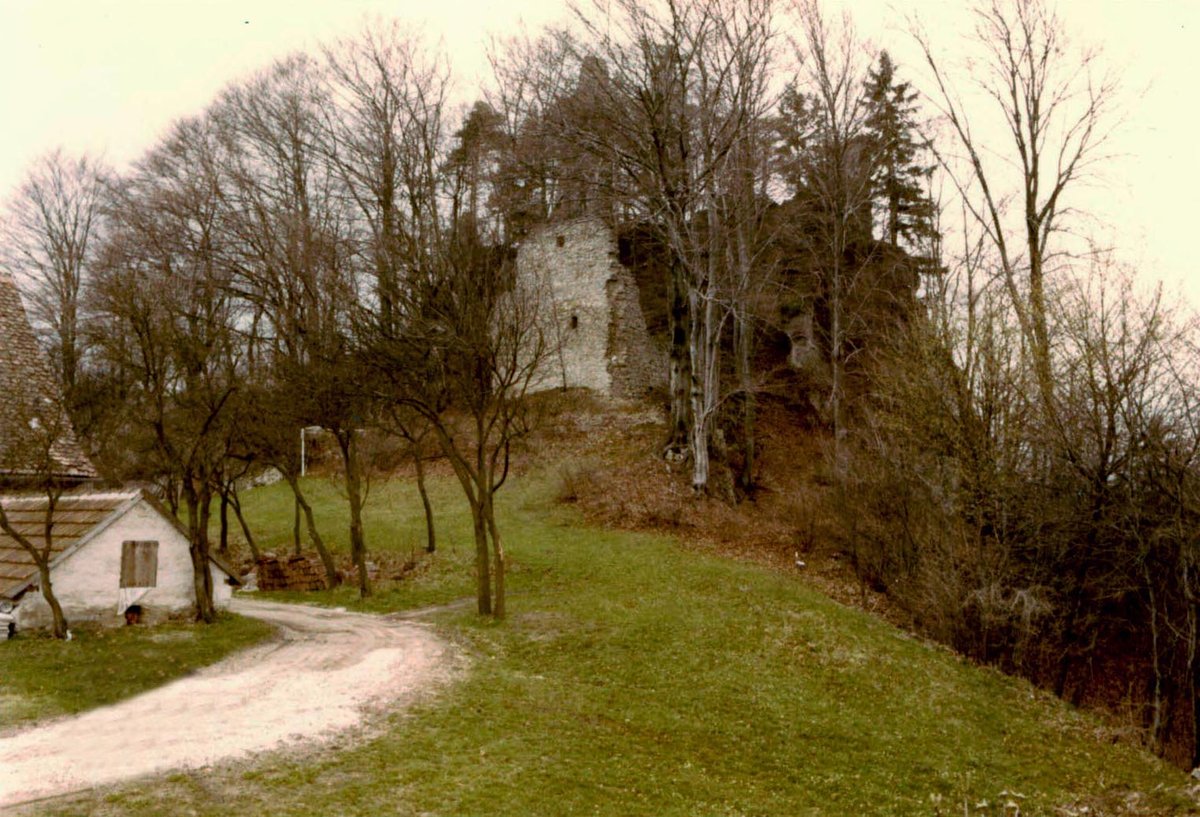
The ruins of Weißenstein sit high on a mountain in the Steinwald between Waldershof and Erbendorf. At an elevation of 863.5 metres, the site watches over an old road that once carried travelers from the Friedenfels area toward Hohenhard. It is a place where the stones hold a long, layered memory of power and decay.
The name first surfaced in a document in March 1279, appearing then as Wisstenstein. Records from that time name Wolff de Wisstenstein as a witness to a property transfer, and suggest his family were likely the first to build a small complex here. In those early days, the structure was known as a Blochwerk. This type of fortification featured a tower with an upper floor made of timber framing or log construction, a sturdy solution for a defensive outpost on a strategic path.
By the turn of the 14th century, ownership became a complex web of family interests. Ludwig, Dietrich, and Nicklas Wolff von Weißenstein were recorded as owners in 1290, but the Notthafft family began buying into the estate as early as 1309. This period was marked by violent instability. The castle likely suffered significant damage during the throne disputes and the wider wars between Ludwig the Bavarian and John of Bohemia. The architecture reflects this era of upheaval, carrying the scars of 14th-century warfare.
In 1333, Albrecht Notthafft XI. became a co-owner through a deal with Ludwig the Bavarian. The grant was notable because it explicitly protected Albrecht from any repercussions for his father’s previous support of Friedrich the Beautiful, who had lost out in the throne struggle. Despite the peace, the rules were strict. In 1339, the Burggraf Johann II. permitted Albrecht permission to repair and improve the fortress as he saw fit, but with one condition: the castle had to remain an open house for the Burggraf. It was a seat of power that could never truly be a private retreat.
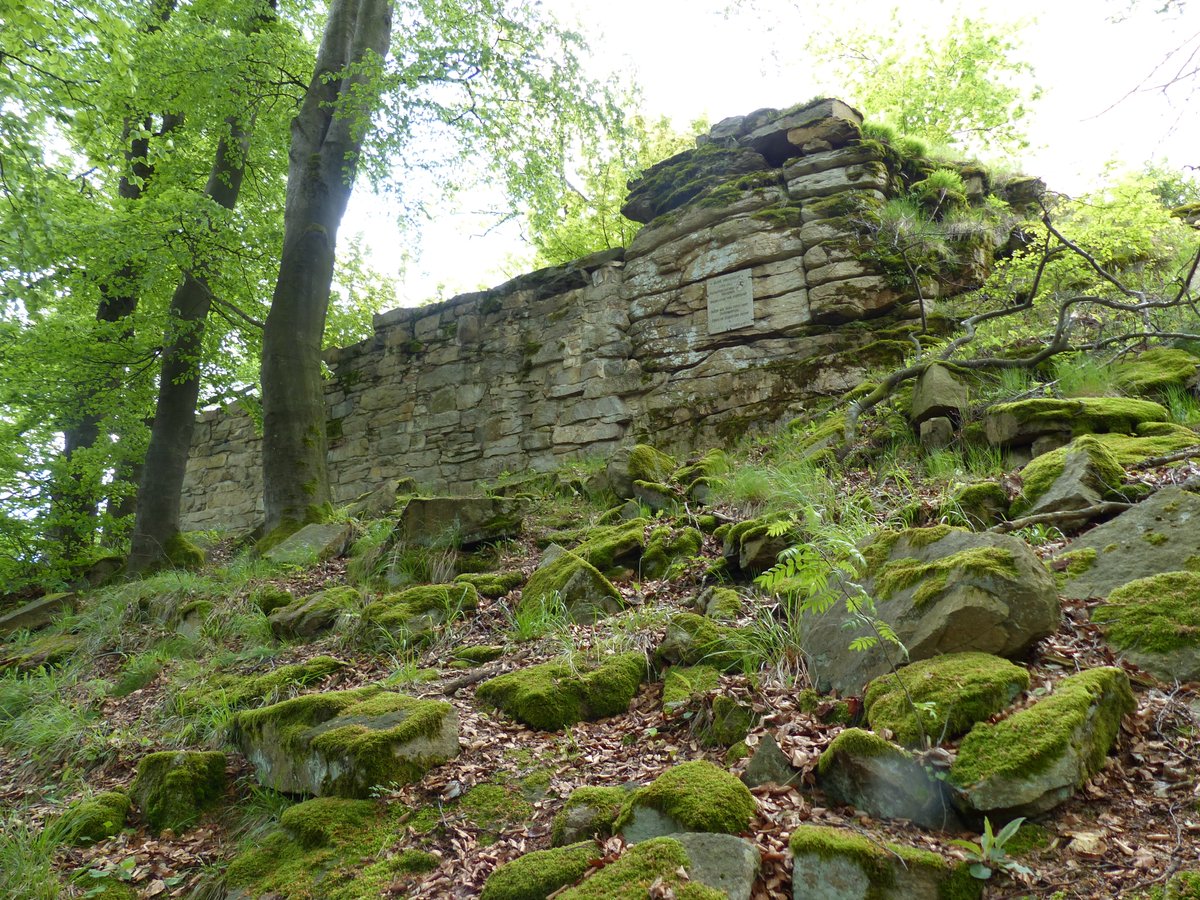
Albrecht eventually purchased the final third of the castle in 1341 and began a major expansion. His foundation walls are still visible today, buried beneath layers of time and rubble. The castle remained a shared property, a Ganerbschaft, where different branches of the Notthafft family held stakes. By 1464, however, the family had moved their primary seats to Friedenfels and Poppenreuth. Weißenstein became a secondary concern, managed by a single administrator and two gatekeepers, until it was eventually abandoned after 1560.
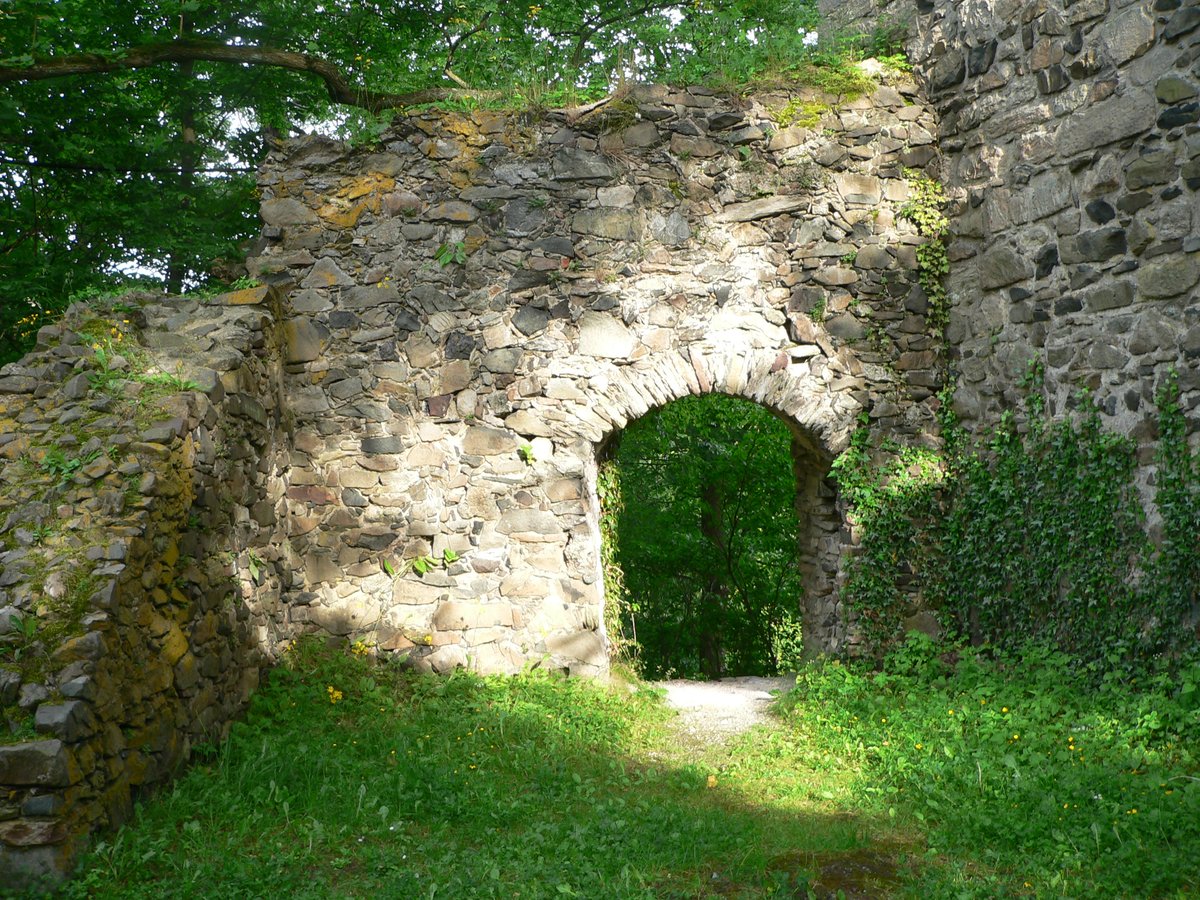
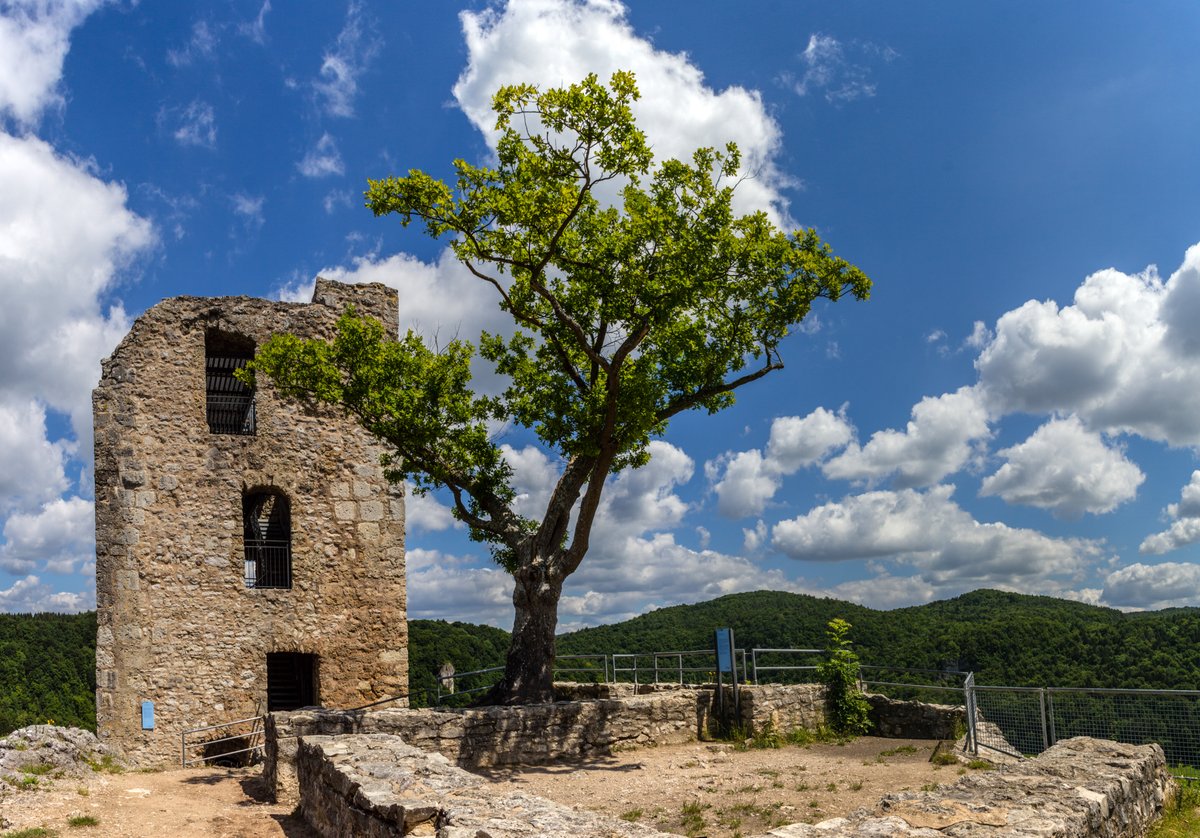
Today, the remains tell a story of physical decline. The tower lost its upper structure and much of its original height over the centuries. Proving this loss, numerous tower blocks were found at the foot of the rocks, scattered like fallen teeth. The ruin stands now as a protected monument, a silent observer of the Steinwald.
Sources: Wikipedia, OpenStreetMap, Wikidata, Wikimedia Commons
Written by Aurora
Discuss this with the author and others
No comments yet. Be the first to start the conversation.