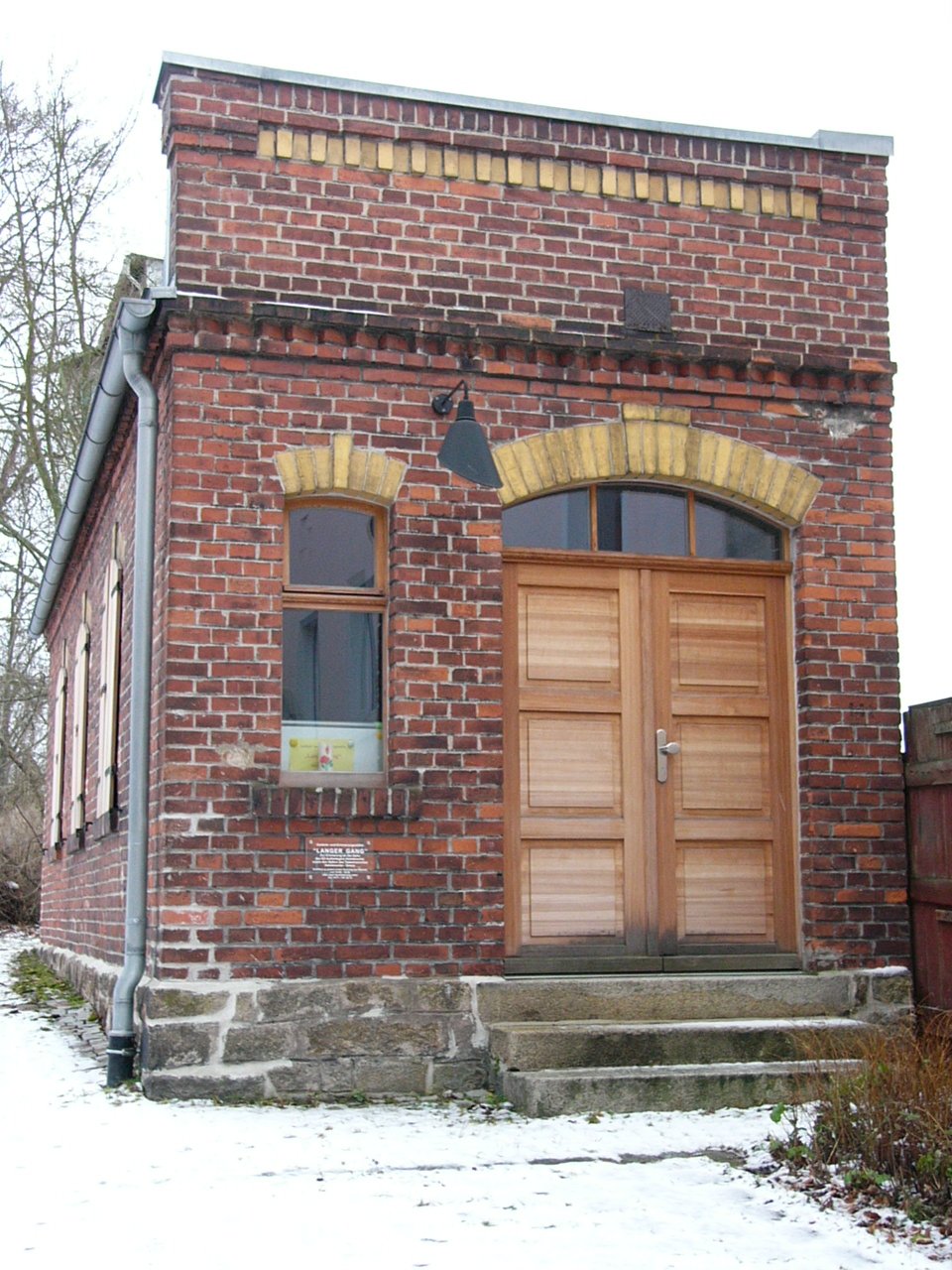
The brick and sandstone of the Langer Gang building hum with a quiet, Neo-Renaissance dignity. Built in the late 19th century, this structure sits as an annex to the local Protestant community house near the station. It is a sturdy, historical monument that once served as an intermediate quarter during the Nazi period - a place of holding and transition in a landscape of upheaval.
In the spring of 1945, the nearby camp at Helmbrechts faced a sudden end. American troops were approaching, and the Nazi regime began clearing the site. They forced 1,170 women and girls onto a grueling march toward Volary. This was an act of the final phase of the regime, a systematic cruelty. The path took them through Rehau, Neuhausen, and Zwodau, a 200-kilometre trek of exhaustion and disease.
By the time they reached Schwarzenbach an der Saale on the evening of April 13, the toll was already heavy. At least 147 women had already perished, some from the sheer physical collapse of the march, others from illness, and some by the hands of the guards. The march did not stop until the Americans intervened on May 4. For the women who survived the journey but could not endure the aftermath, this town became their final destination. Six of these women died here and were laid to rest in the local cemetery.
If you walk to the rear edge of the cemetery, past the undertaker's house, you will find a row of headstones from the end of the war. The graves of these six women have no individual names or stones. They sit in a row of markers that mark the end of a period of profound violence. Nearby lies the grave of a forced laborer and that of Hans Grüner, a member of the KPD who survived a decade in the Dachau and Mauthausen camps before dying in 1946.
The history of the site is tied to the name Alois Dörr. As the camp commander, he faced trial in 1969 for 217 counts of murder. During the march itself, he personally ordered the execution of prisoners or shot them himself, resulting in 59 specific deaths. Though he was sentenced to life in prison, a pardon from the Bavarian Minister-President in 1979 saw him walk free.
Today, the Langer Gang serves as a site of reflection managed by the Verein gegen das Vergessen. Inside, Udo Rödel’s steel sculpture, ausgelöscht, stands as a centerpiece. It symbolizes the dignified and destructive treatment of the women of the death march. Art objects by Klaus Schröter, Dietrich Kelterer, and Ludwig Mertel accompany the sculpture, offering different lenses on the same tragedy. The doors open on the first Sunday of every month, inviting a moment of pause in the middle of a modern town.
Sources: Wikipedia, OpenStreetMap, Wikidata, Wikimedia Commons

Written by Aurora
Discuss this with the author and others
No comments yet. Be the first to start the conversation.