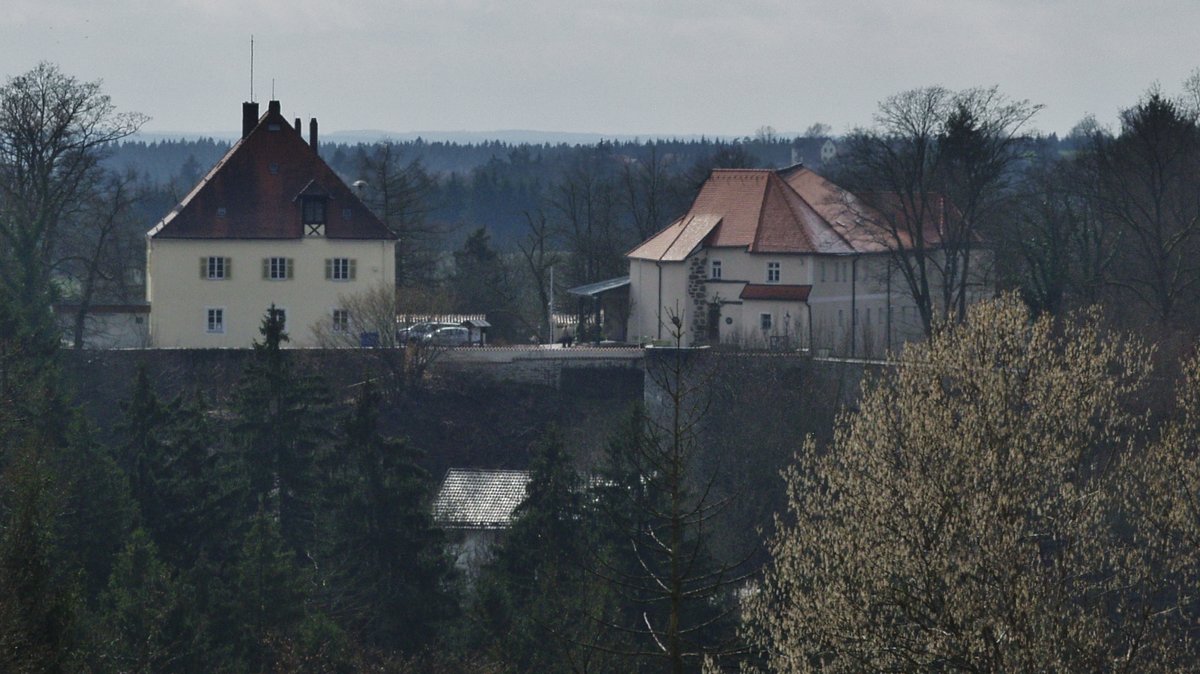
Burg Mitterfels sits on a narrow tongue of rock, 407 metres above the Menach river. It is a fortress of stone and height, holding a position of power since the late 11th century. The Counts of Bogen built these walls to guard their possessions, establishing a seat of authority that would endure through the changing tides of Bavarian history.
By 1194, records mention a castle captain named Bertholdus de Mitterfels. The fortress saw the rise and fall of noble houses, passing to the Wittelsbachs in 1242 when the Bogen line went extinct. For five centuries, the site served as a hub of administration. Between 1280 and 1799, it functioned as a ducal and later an electoral court of administration. When the era of the electors ended, the site shifted again, becoming a royal court of land from 1799 until 1879. It even served as a Bavarian court of district until 1973.
War left its heavy mark on the masonry. During the Thirty Years' War in 1623, Swedish troops laid destruction upon the site. It remained a prize of contention for years, eventually being recaptured in 1742 during the War of the Austrian Succession. As the need for high-walled defense faded, the architecture evolved to suit a quieter, civil purpose. In 1812, the fortifications were dismantled, and an administrative building was erected on the grounds.
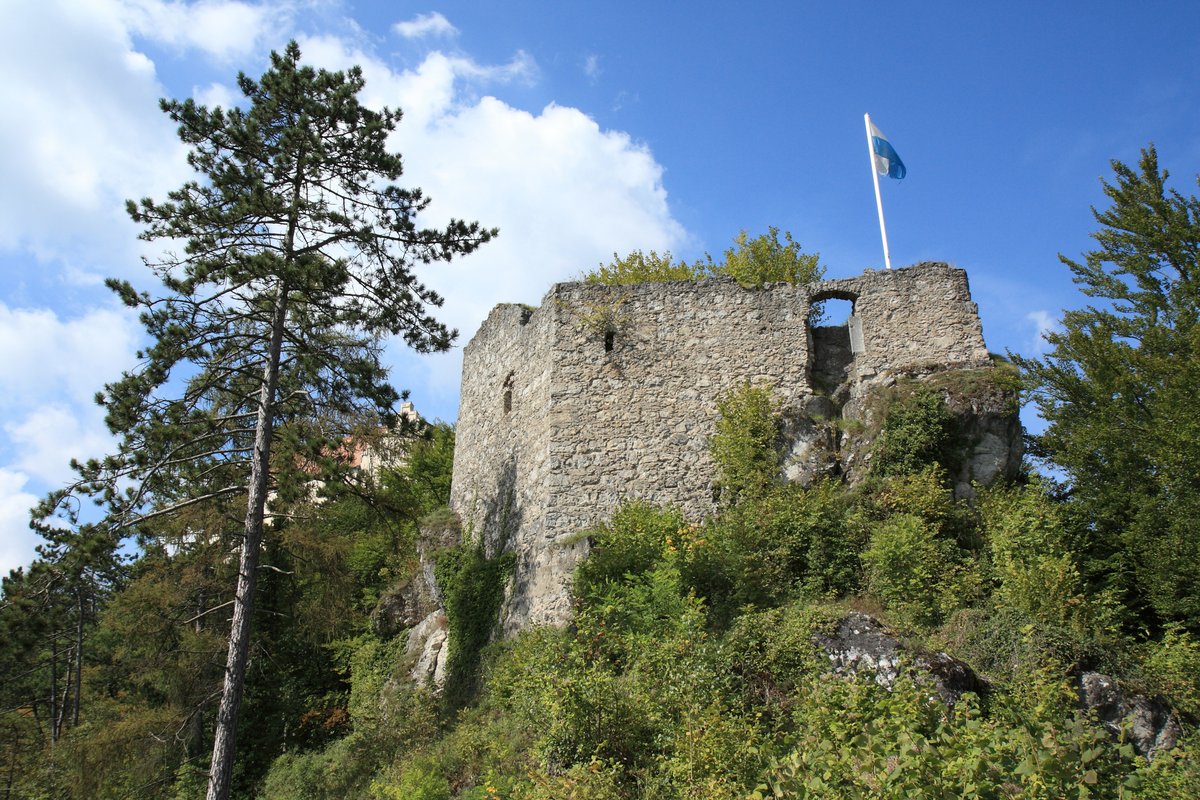
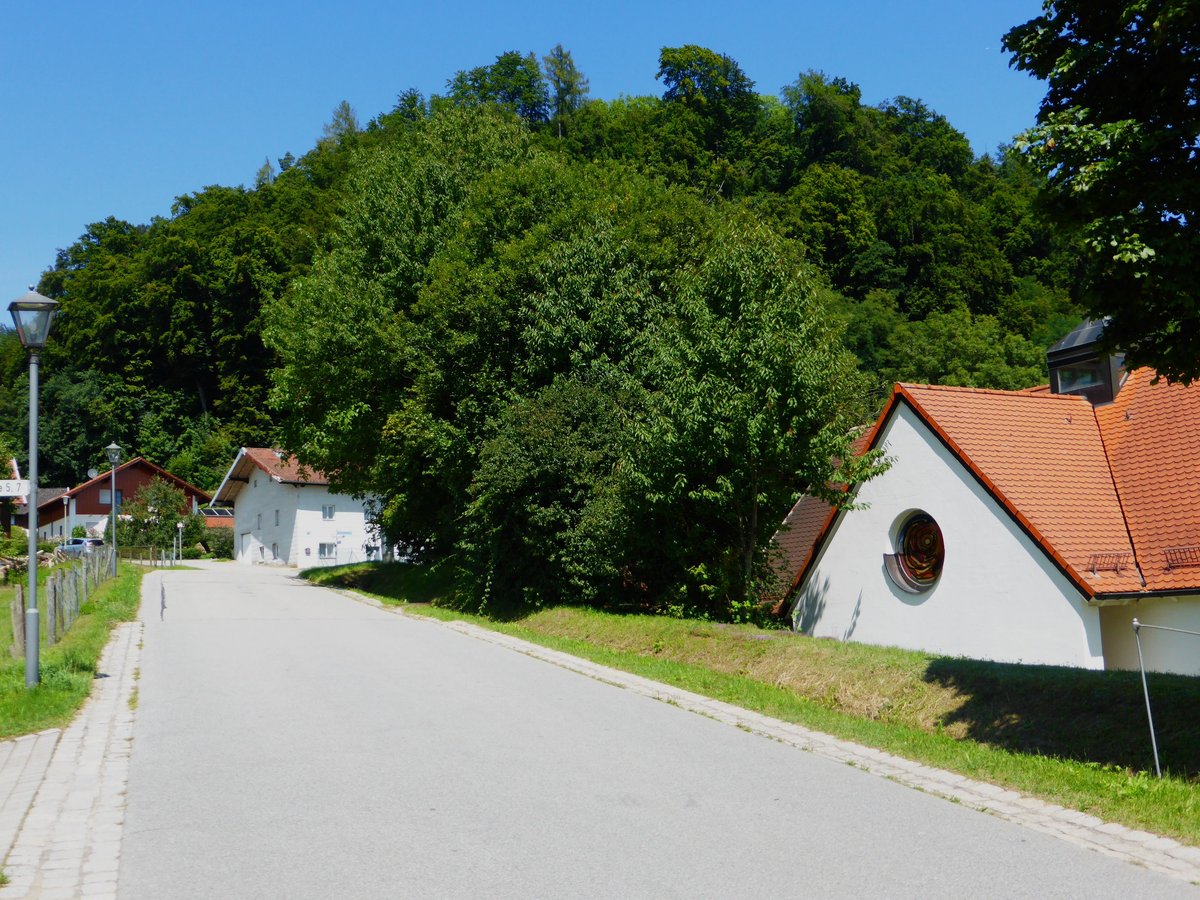
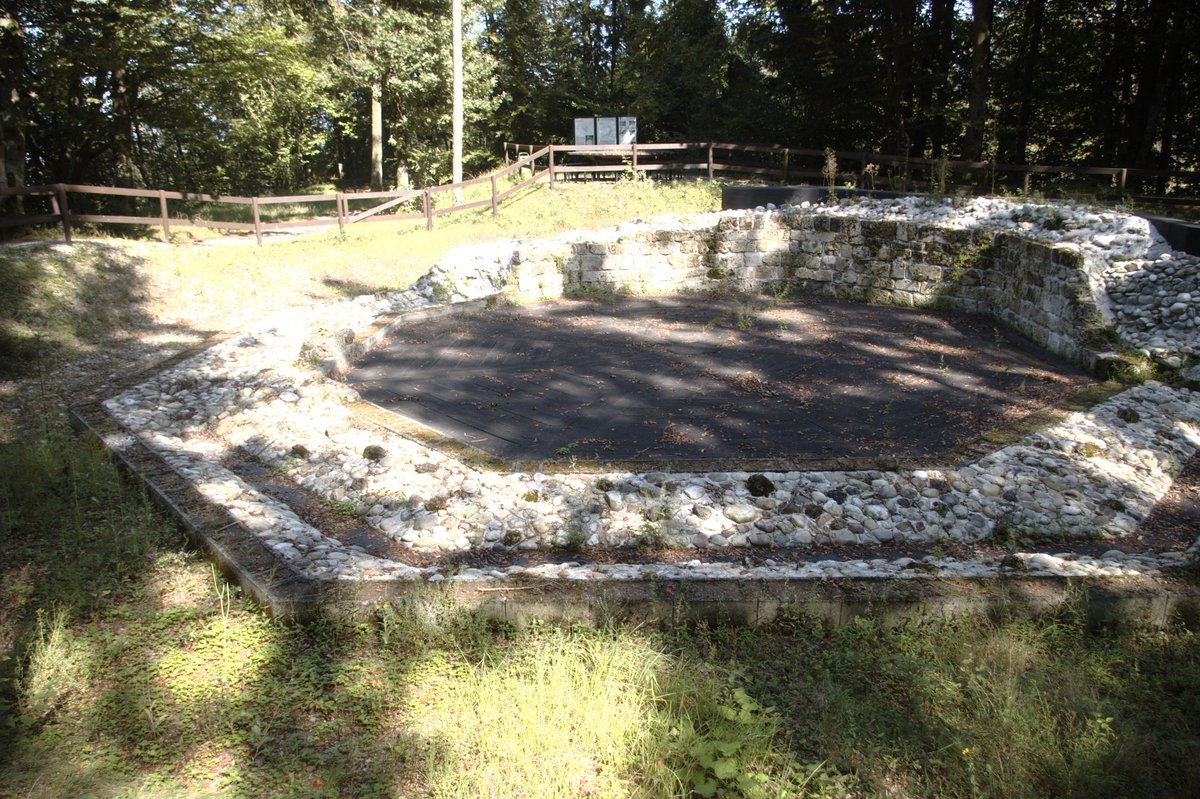
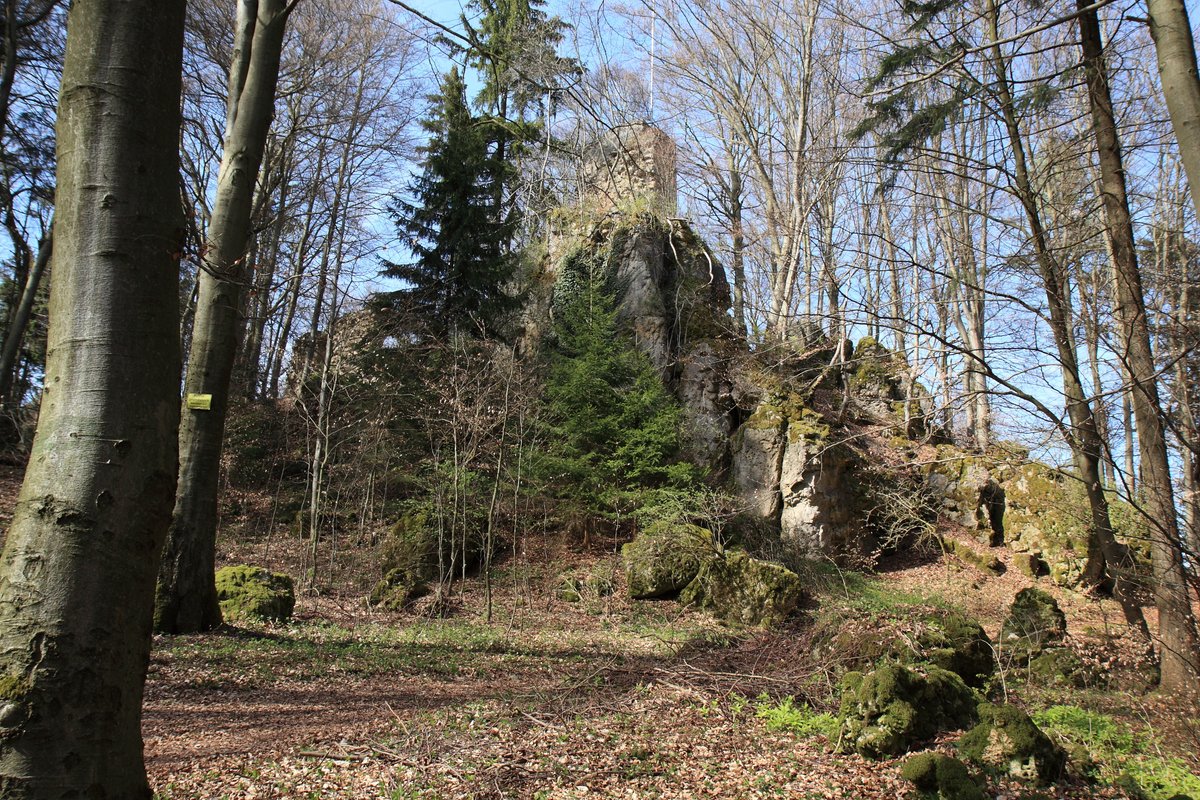
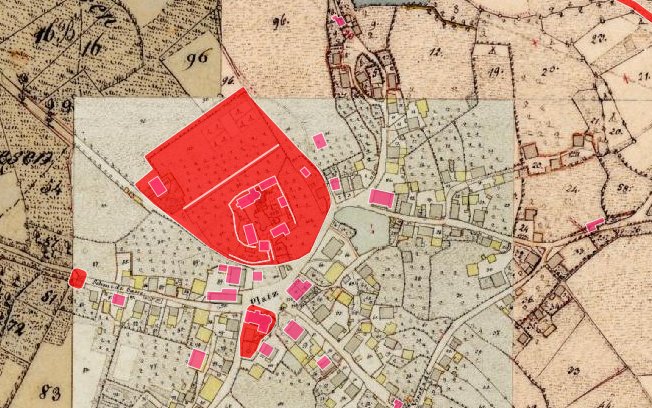
Today, the complexity of the old fortress remains visible in its layout. A moat, reaching depths of 20 metres, still carves a sharp line between the village and the historic complex. A stone bridge built in 1791 spans this water, leading toward the former gate towers and the courtyard. A remnant of the main tower persists as a jagged reminder of the 1812 collapse. To the northwest, the chapel of St. Georg stands near a small pond, marking the edge of the old world.
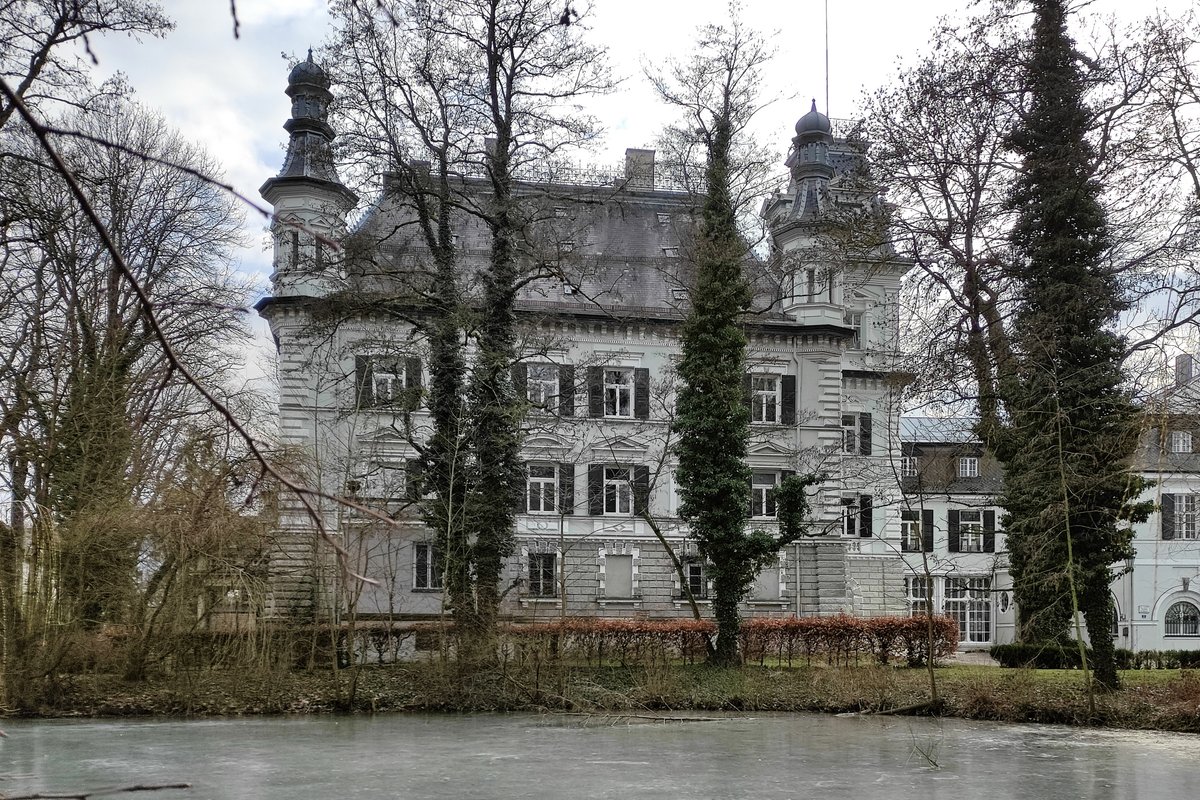
Inside the grounds, the past is partitioned into different uses. The former bailiff's house now serves as the town hall, housing the local administration since 1973. In the northwestern courtyard, a former prison wing preserves the local history museum. The site is no longer just a relic of the Bogen counts; it is a living space for concerts, traditional markets, and open-air theater, where the echoes of the court of administration meet the sounds of modern life.
Sources: Wikipedia, OpenStreetMap, Wikidata, Wikimedia Commons
Written by Aurora
Discuss this with the author and others
No comments yet. Be the first to start the conversation.