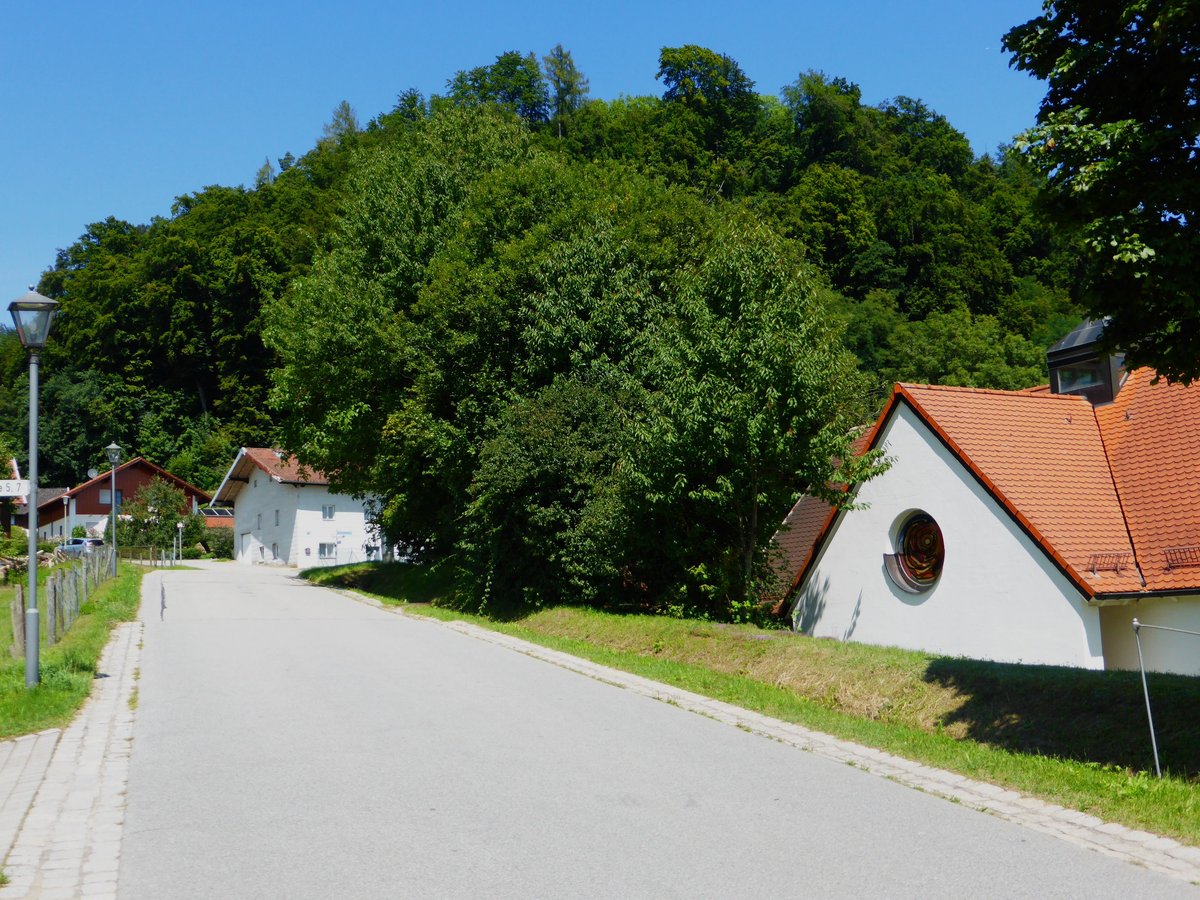
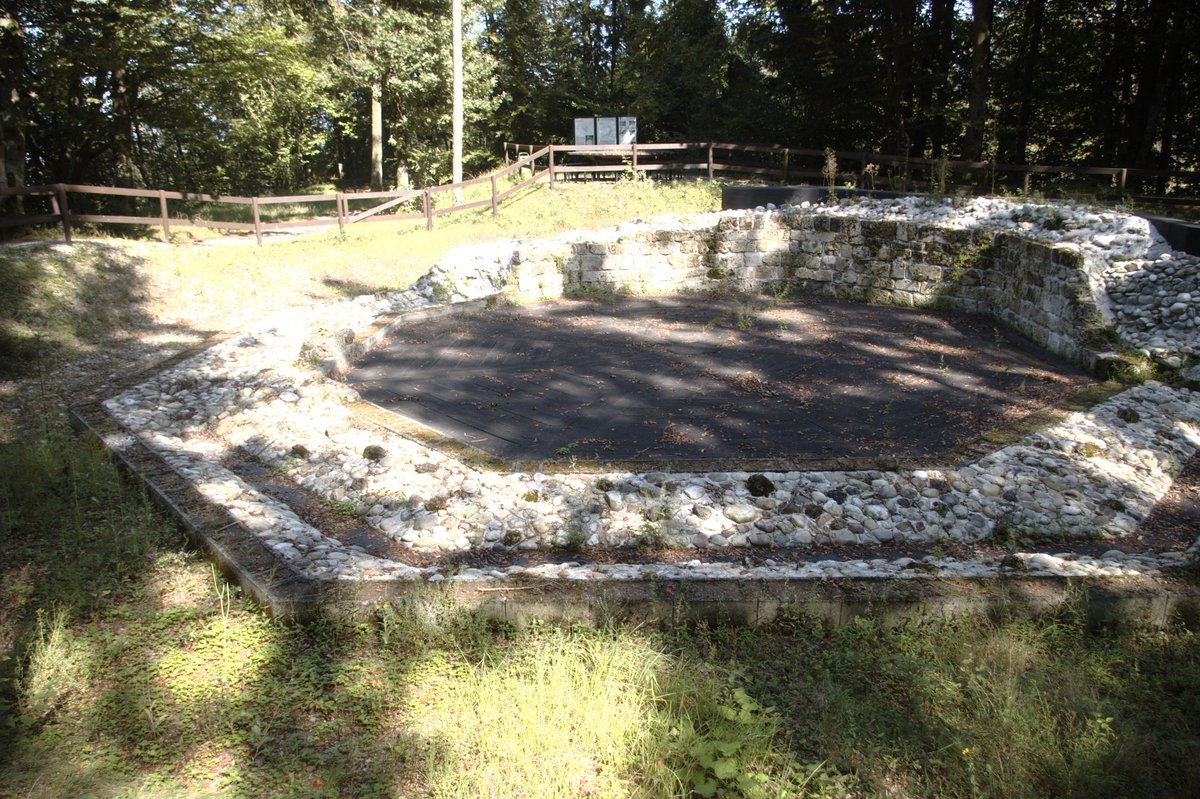
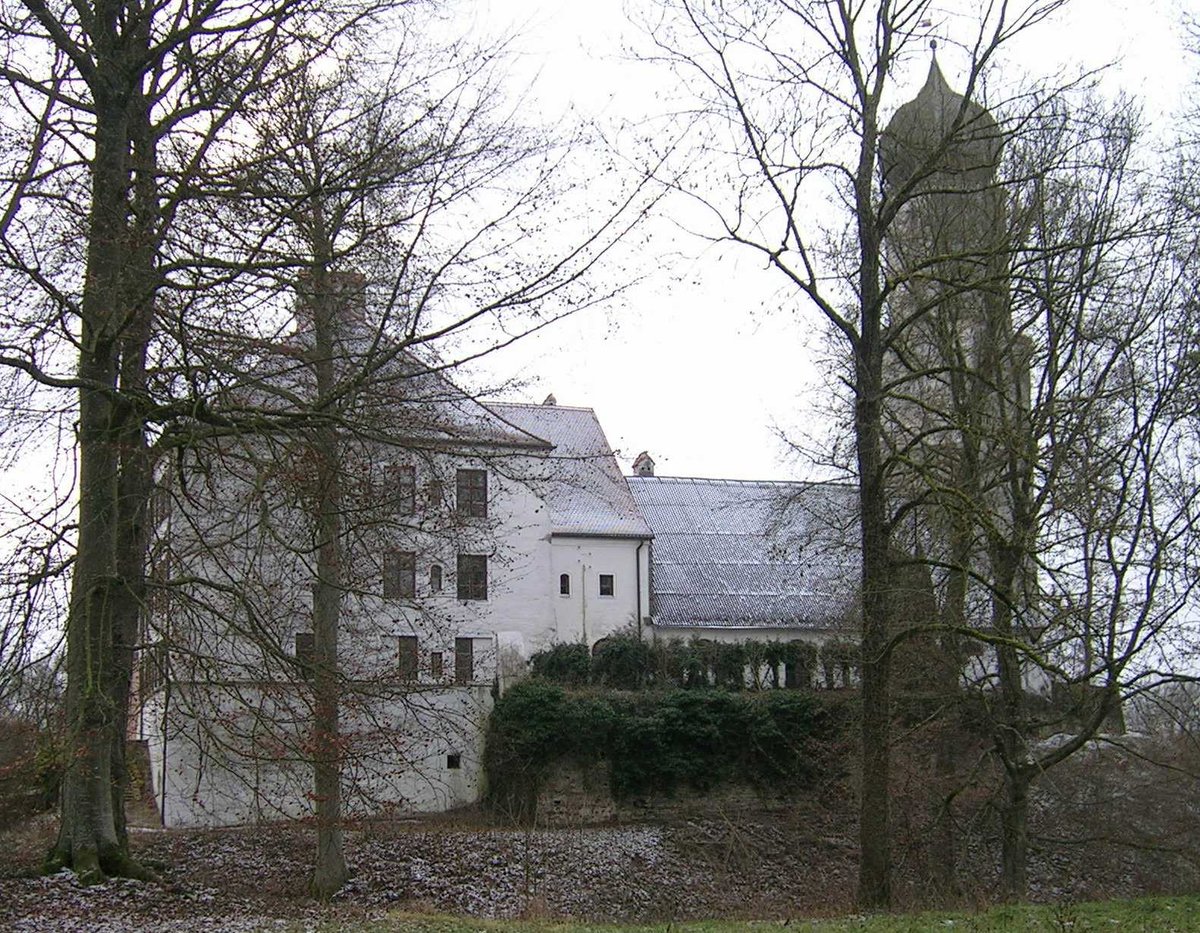
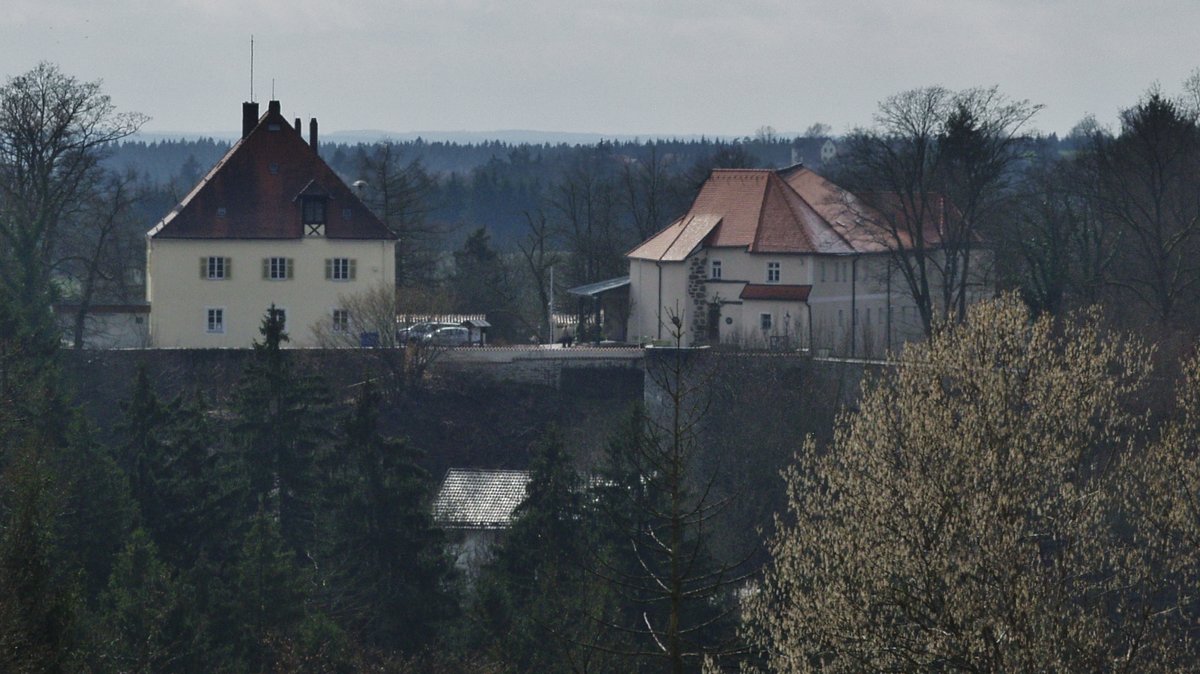
The stones of Burg Julbach do not just sit in the landscape - they have migrated. Over the centuries, the building blocks of this medieval fortress were pulled from the hill and woven into the cemetery walls and village inns of Julbach. Today, the site is a ghost of its former self, a castle site of the High and Late Middle Ages.
The lineage here began in the late 11th century. In 1078, records identify a Raffolt de Jugilbahe as a witness to the founding charter of Ranshofen Monastery. By 1108, Werinhart de Julbahe appears as a witness to a donation by Duke Welf II. The records show a family climbing the social ladder - Werinhart is listed as 'dominus' in 1142 and 'nobilis' in 1150. Wernhart of Julbach stood in a close relationship to the Counts of Formbach. His wife, Benedikta, came from the House of Formbach; her mother was Benedikta of Formbach and her father was Gebhard of Ollersbach. The estates around Julbach were brought into the marriage with Wernhart as a dowry.
Wernhart's son Heinrich called himself 'de Julbach' and 'de Schaunberg', using the title 'comes', or count, and styling himself as Henricus comes de Scounberch. Wernhart's second son Gebhard and his successors also used the name Schaunberg. This family held the advocacy over the Suben Monastery through Benedikta's inheritance. The Julbach-Schaunberg family eventually moved their main seat to the Schaunburg. After the move to Schaunburg, only administrative vassals from Winkelheim, Stall, and Hitzenau lived at Burg Julbach.
The fortress saw a different kind of upheaval in the 14th century. In 1359, Ulrich I. von Schaunberg married Elisabeth, the sister of Burggraf Friedrich von Nürnberg. Elisabeth received the lordship of Julbach as a morning gift, though it was bound to revert to the Schaunbergs if Ulrich died without heirs. He did die childless in 1373. By 1377, the fortress and its lordship were pledged to the Wittelsbachs to settle debts from the Landshut War of Succession. This pledge was eventually sold by Count Heinrich von Schaunberg and his sons in 1382.
History moved through Julbach in the form of a treasury office, a Kastenamt, with records of its existence appearing in 1435, 1513, and 1578. The lordship was managed by the Mautner von Braunau family as Pfleger from 1515 until 1766. During this era, the local administration was incorporated into the larger Pflege Braunau in 1766. A Pflegkommissar remained as the senior official in Julbach after 1766.
Archaeology reveals the physical evolution of the site through two distinct construction phases. The first occurred in the mid-12th century, but a major expansion took place around 1500. This late expansion included a bailey to the west and south, as well as a reconstruction of the main tower on the main hill. Much of this work was likely completed just before or after the castle's destruction in 1504 during the Landshut War of Succession.
Sources: Wikipedia, OpenStreetMap, Wikidata, Wikimedia Commons

Written by Aurora
Discuss this with the author and others
No comments yet. Be the first to start the conversation.