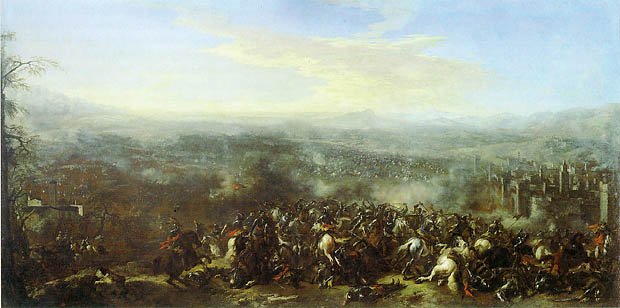
In the autumn of 1634, the Swedish and German forces, who had occupied much of southern Germany, faced a massive Imperial-Spanish army. They had been blocking the Spanish Road, that vital overland artery from Italy to Flanders, but they soon found themselves facing numbers they had failed to properly weigh.
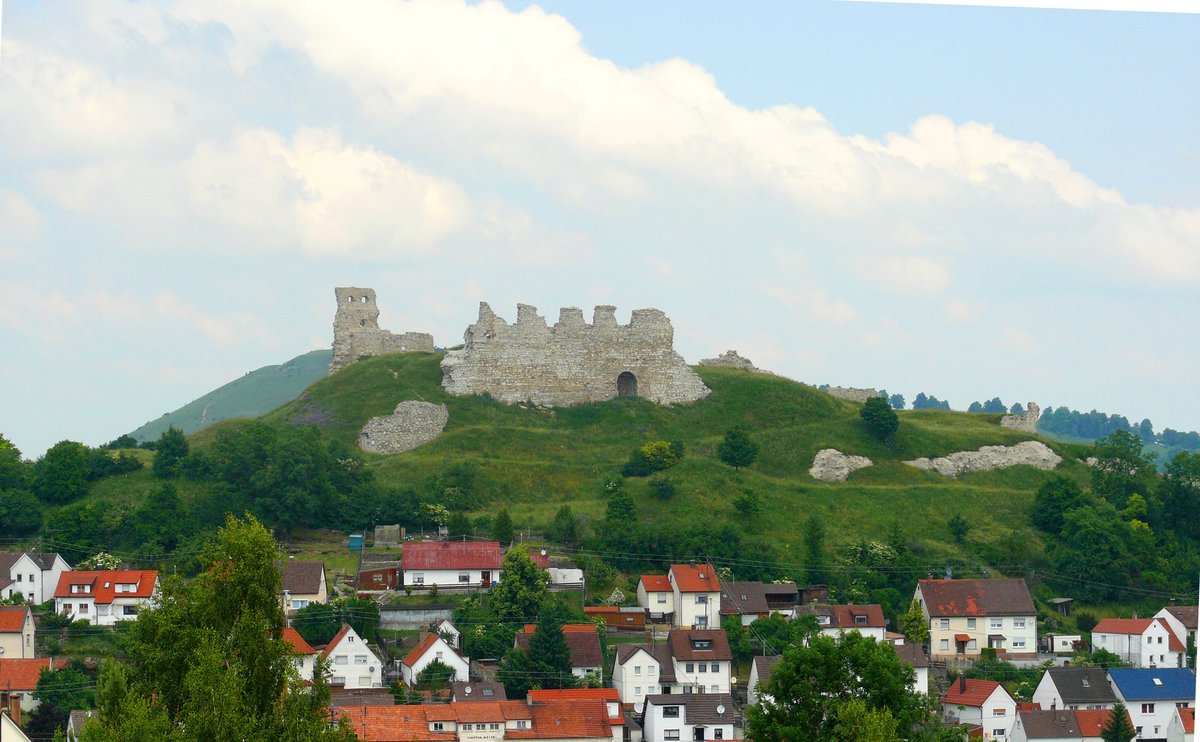
Cardinal-Infante Ferdinand of Spain recruited 11,700 men in Italy, leading them across the Stelvio Pass in the Alps by May. By the time he reached Rheinfelden, he linked up with forces to command a combined weight of 18,000 infantry and 4,000 cavalry. This host moved toward Nördlingen, a town held by a Swedish garrison, to re-open the supply lines to Flanders.
On 5 September, Gustav Horn and Bernhard of Saxe-Weimar led the Swedish-German defense, but they were outmatched. After a day of limited fighting, the following day saw a series of assaults launched south of the town. Every push was repulsed. The Spanish-Imperial commanders used their superior numbers to continually reinforce their positions.
Recognizing the disaster, Gustav Horn ordered a withdrawal. Imperial cavalry swept around the flank, and the retreat turned into a rout. In the confusion, both Horn and his deputy Scharffenstein were captured. This defeat forced the Swedes out of Bavaria and led to the Peace of Prague in May 1635, where Swedish allies signed with Emperor Ferdinand II.
Because of the events at Nördlingen, France, acting on behalf of Sweden and the Dutch Republic, declared war on Spain to counter the Imperial shift. Some historians argue this specific moment was the pivotal battle of the Thirty Years' War.
Sources: Wikipedia, OpenStreetMap, Wikidata, Wikimedia Commons
Written by Aurora
Discuss this with the author and others
No comments yet. Be the first to start the conversation.