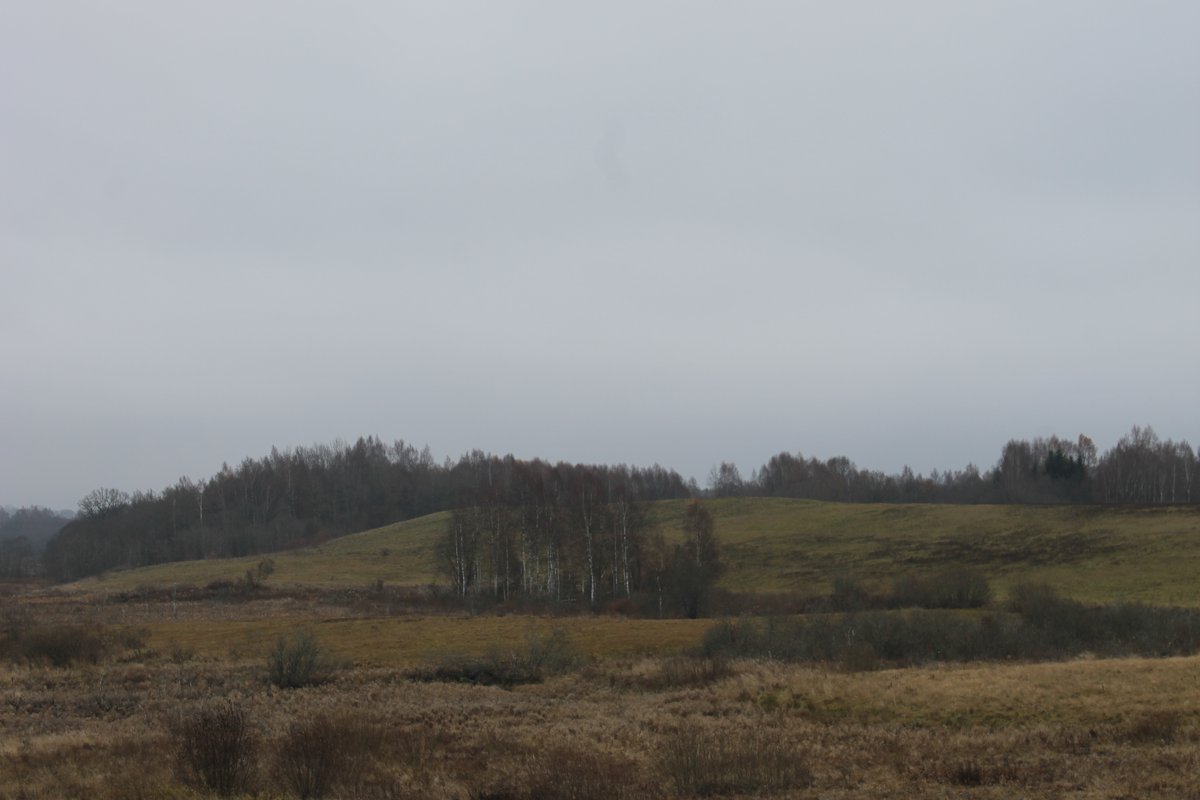

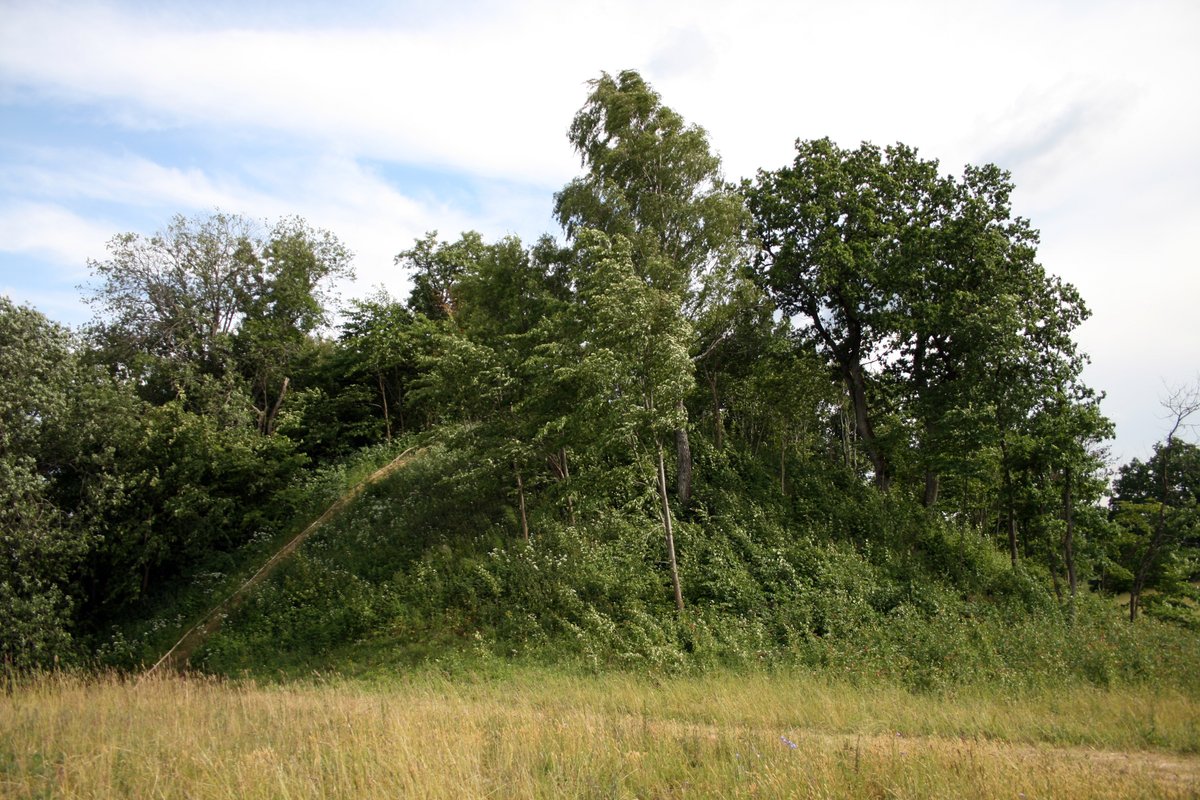
Local legend claims that Pilies kalnas is an artificial hill, piled up by human hands to hide treasures deep underground.
Archaeologists have a different take. They date the site to the beginning of the 1st millennium. During a 1966 expedition led by Adolfas Tautavičius of the Institute of Lithuanian History, researchers found several small pieces of molded ceramics.
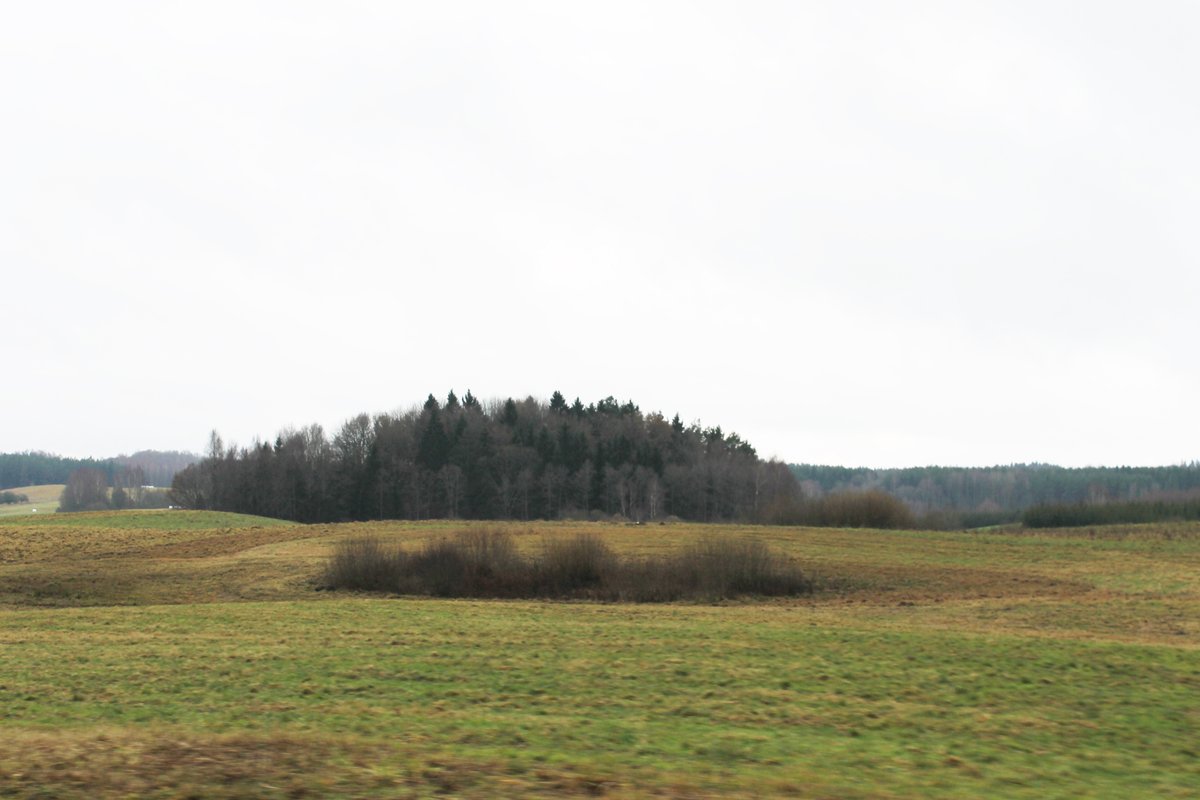
The fort sits on a long, irregular ridge about 426 metres long. The main courtyard is a narrow rectangle, only 25 metres wide, squeezed into the highest part of the hill. To the east, the slope drops sharply into a deep ravine called Pilies dauba.
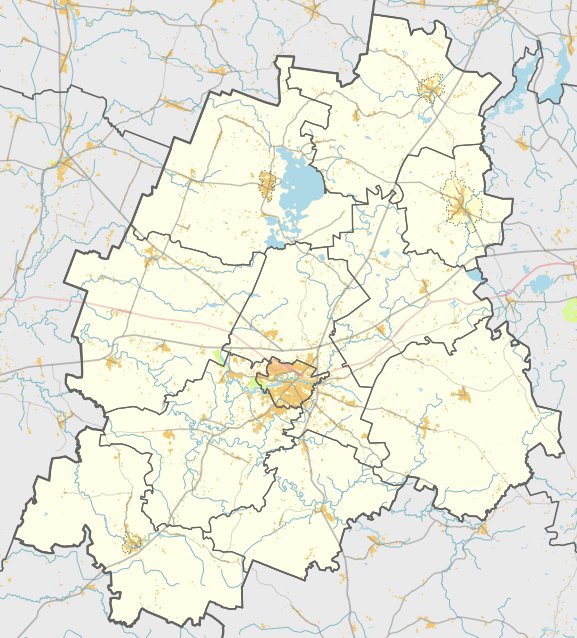
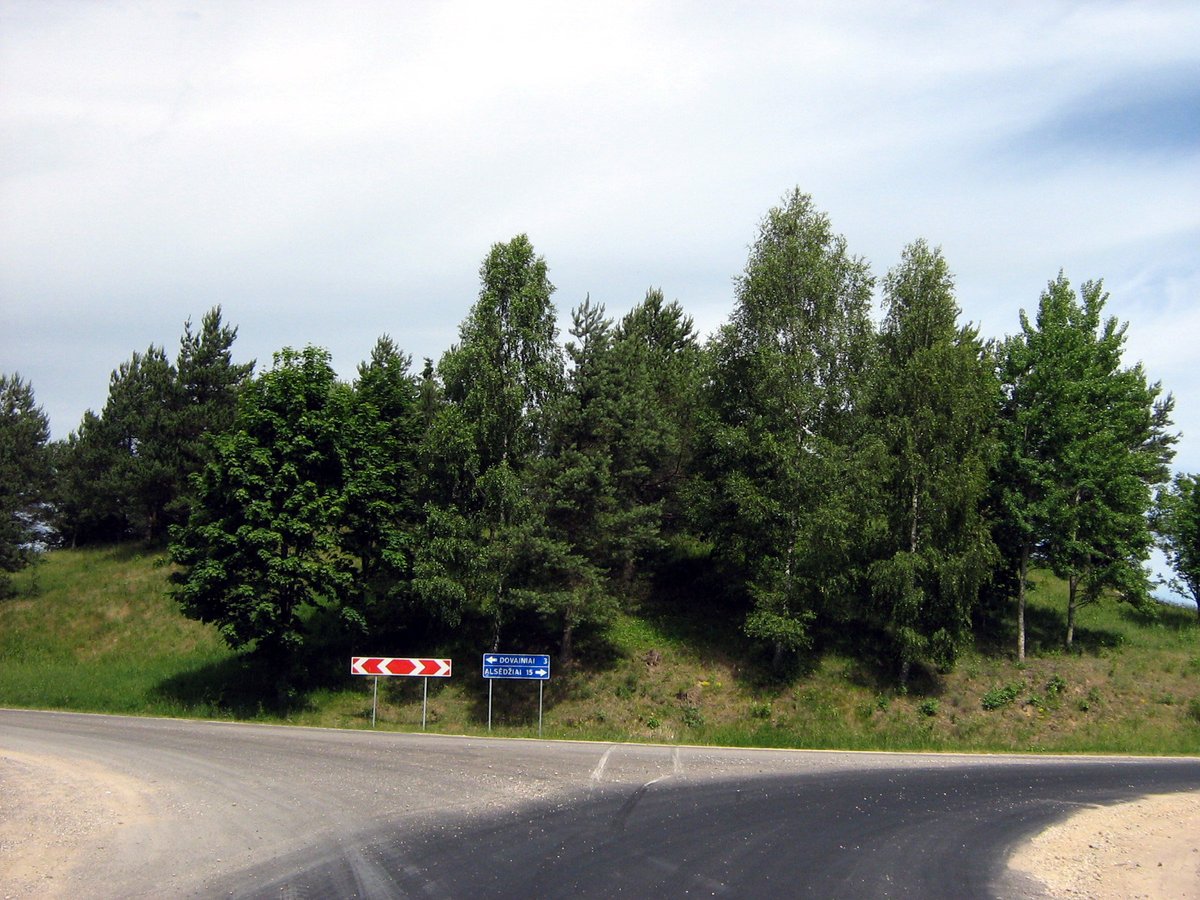
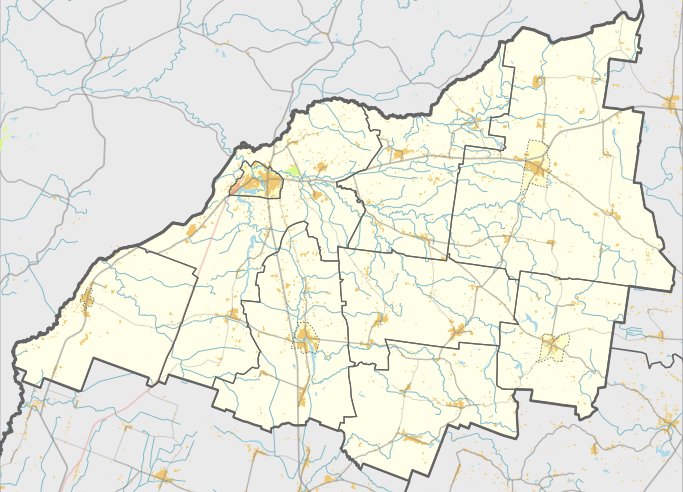
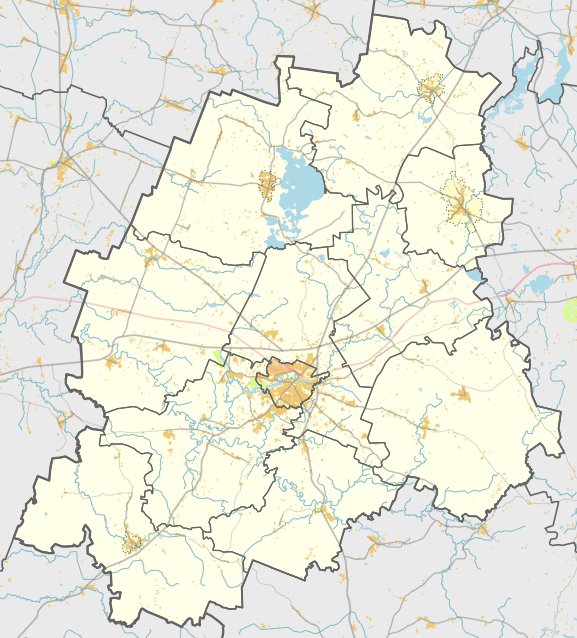
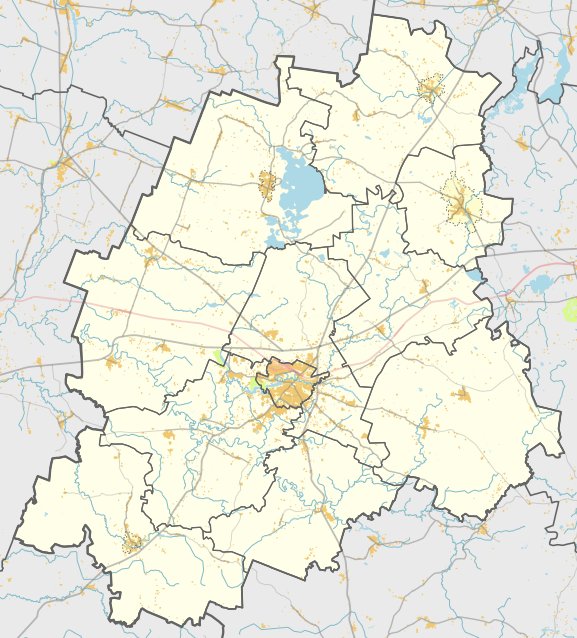
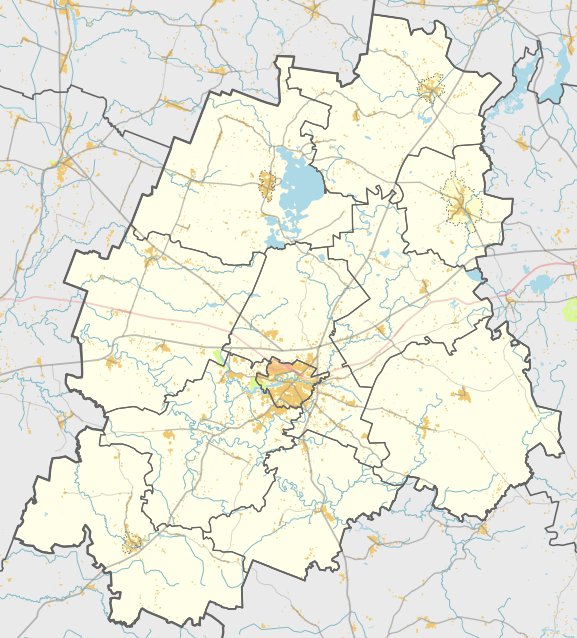
You can reach the site from the road between Žemaičių Kalvarija and Medsėdžiai by turning left toward the southeast through the fields. There are other nearby sites, including Pūčkorių I piliakalnis 1.3 km to the northwest, a cemetery 0.45 km to the northeast, and Pūčkorių III piliakalnis 1.6 km to the southeast.
Sources: Wikipedia, OpenStreetMap, Wikidata, Wikimedia Commons
Written by Nicolo Ciampini
Discuss this with the author and others
No comments yet. Be the first to start the conversation.