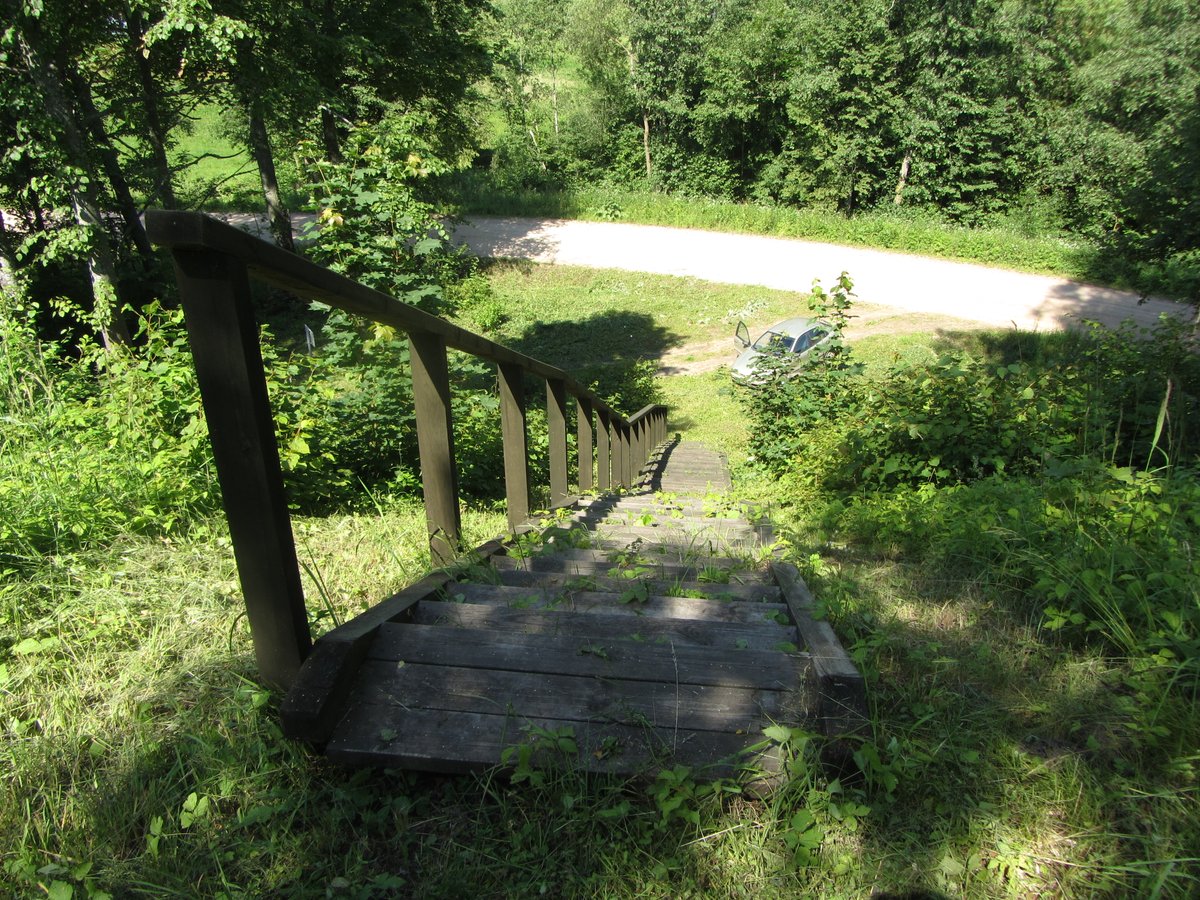

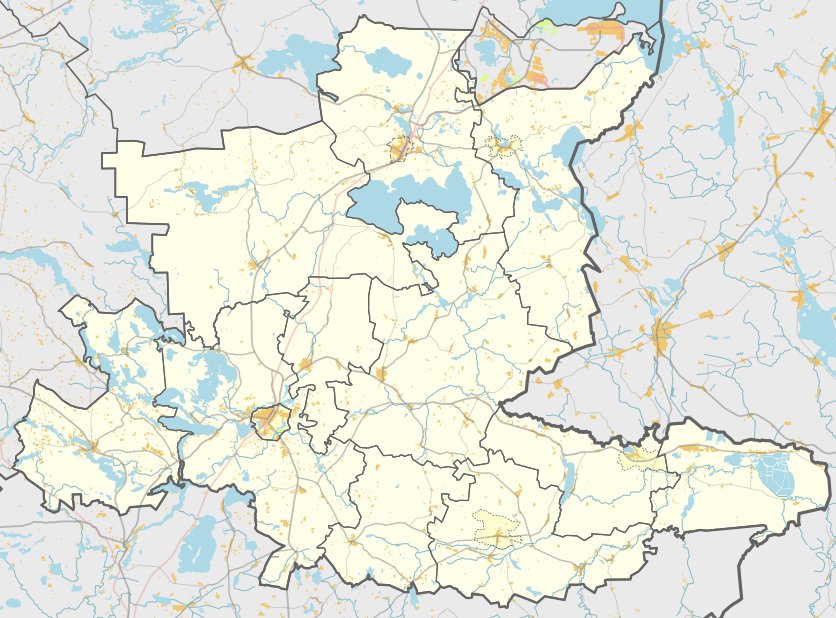
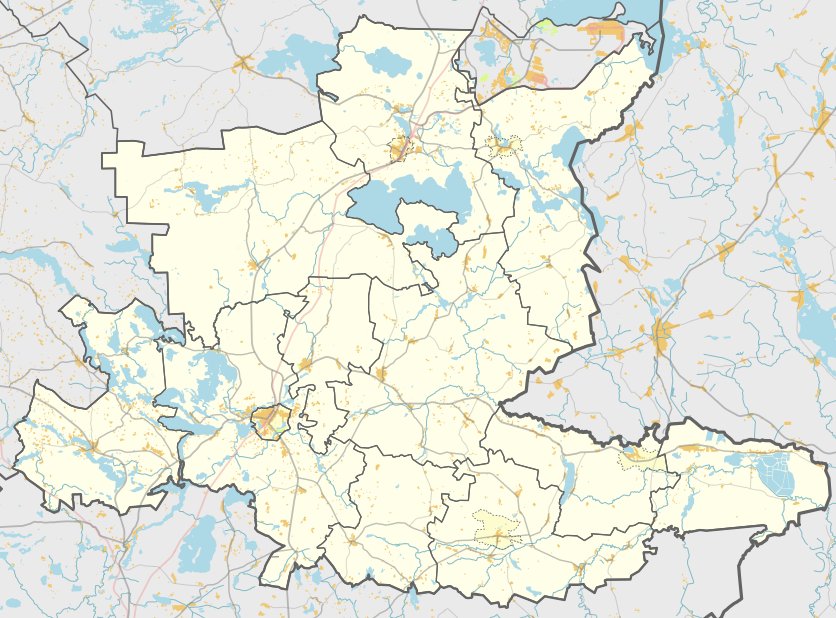
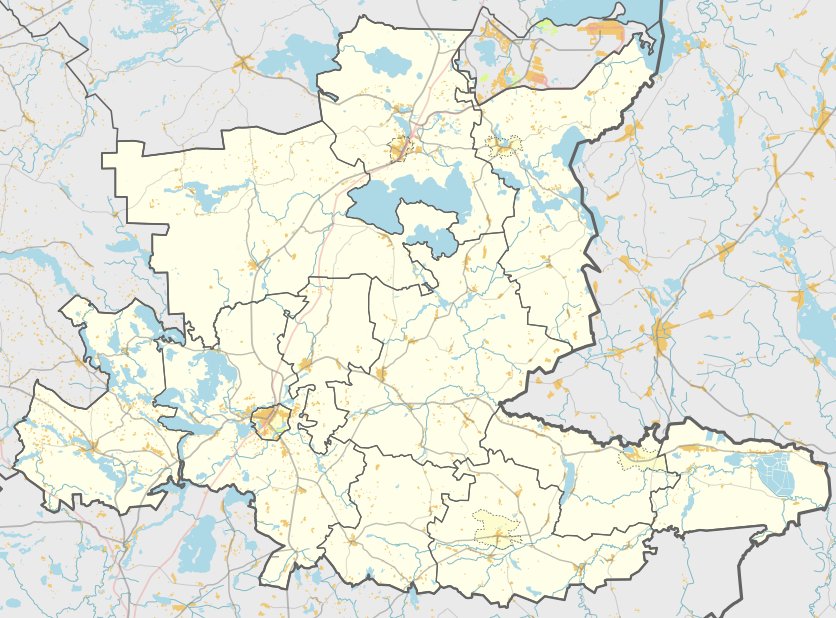
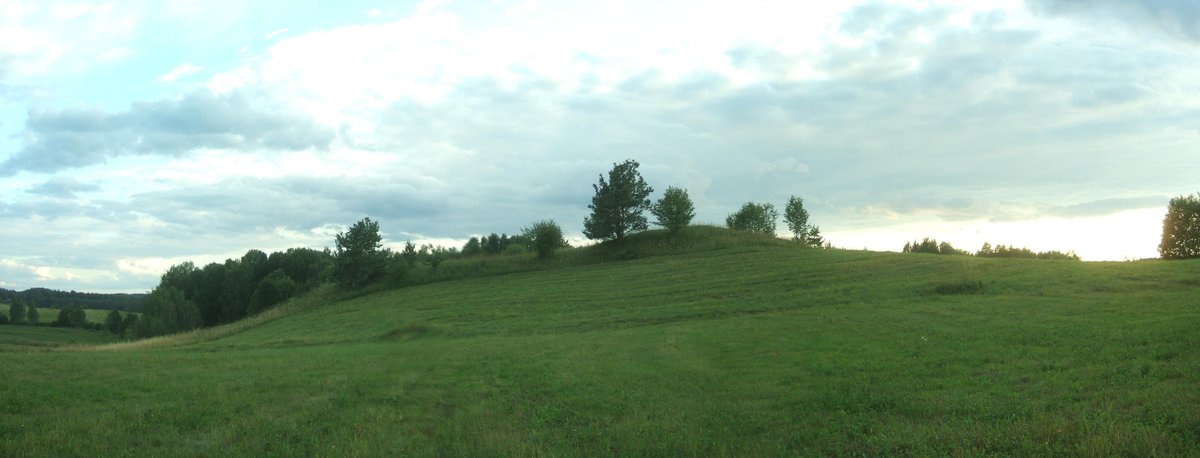
Nestled in Dūkšteliai I, the hillfort presents a peculiar sight, an oval mound stretching 25 meters by 30 meters. Archaeological digs led by Liudvikas Kšivickis, Tadas Daugirdas, and Antanas Žmuidzinavičius, and later excavations by the Institute of History, unearthed artifacts, pottery, and iron nails. The site was used from the first half of the first millennium BC to the beginning of the first millennium BC.
An 8 square meter plot, examined by Vytautas Daugudis, yielded pottery with grooved and rough surfaces, iron nails, charred grains, and burnt stone floors. A surrounding settlement on a 1 hectare plot was also investigated in 1966, revealing grooved, smooth, and rough ceramics in a cultural layer up to 1.1 meters thick.
A 28,000 square meter area surrounding the hillfort has been safeguarded for cultural preservation, with a visual protection zone of 3,502,000 square meters established.
Sources: Wikipedia, OpenStreetMap, Wikidata, Wikimedia Commons
Written by Nicolo Ciampini
Discuss this with the author and others
No comments yet. Be the first to start the conversation.