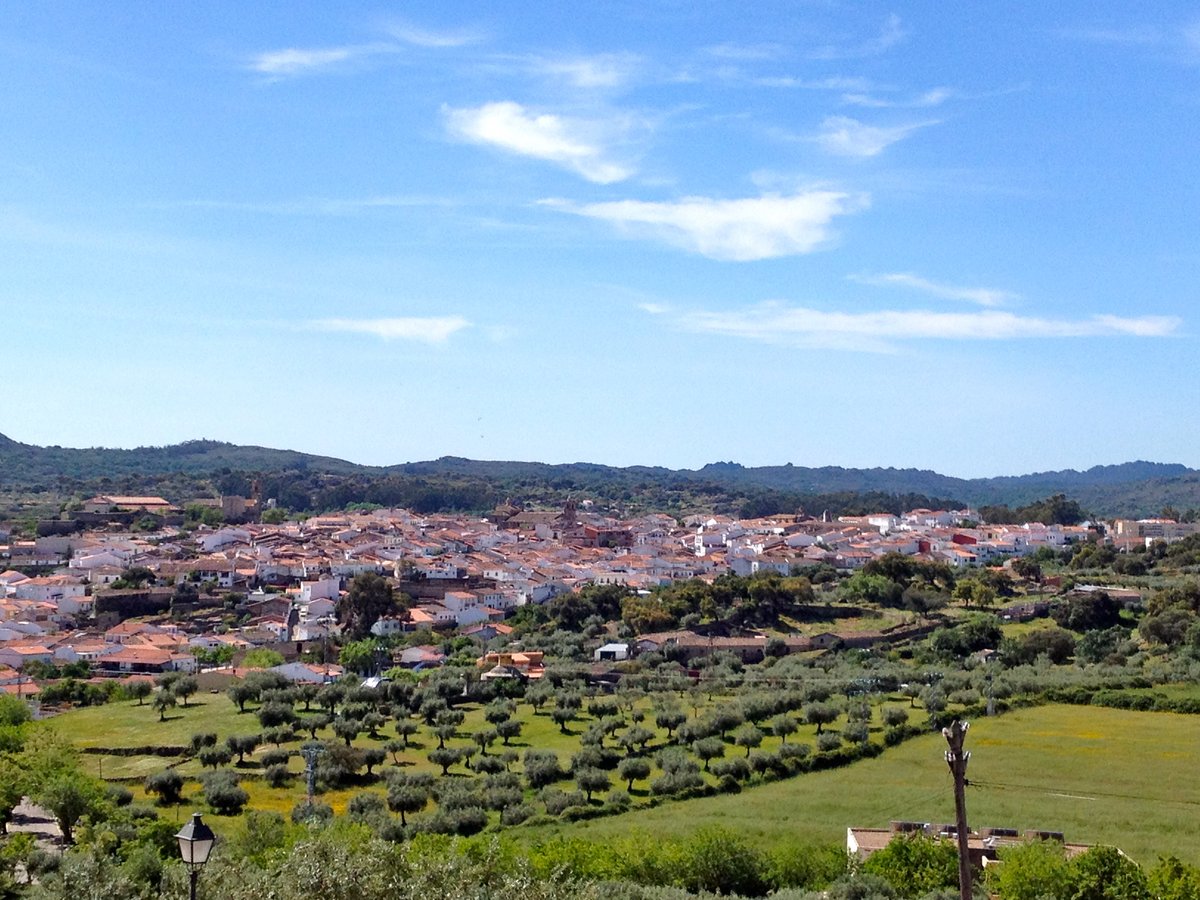

We invite you to examine the Castillo de Valencia de Alcántara as a tangible archive of shifting borders. Its history began in 1220 when García Sánchez secured the fortress. From that moment, it stood as a vital defensive tool in the zone called La Raya, seeing numerous confrontations between the neighboring kingdoms from the 17th to the 18th centuries.
Observe how the architecture shifted by the 16th century into an irregular quadrangle featuring the Torre del Homenaje, Torre de las Barreras, Torre del Corral del Concejo, and Torre Nueva. In the second half of the 18th century, works were carried out to expand the bastions. While these additions in the northwest and southwest flanks improved the fortification for the times, they also resulted in the disappearance of the remaining medieval remains.
The site tells a story of endurance following great damage from armed confrontations between 1641 and 1664. A diary of defense from 1664, preserved in the Biblioteca de Ajuda in Lisbon, refers to the combat of that year and mentions the gates of Santiago, San Francisco, and Juan Durán. These details are confirmed by a plan of the walled enclosure and the castle made by the Portuguese during their occupation from 1664 to 1668.
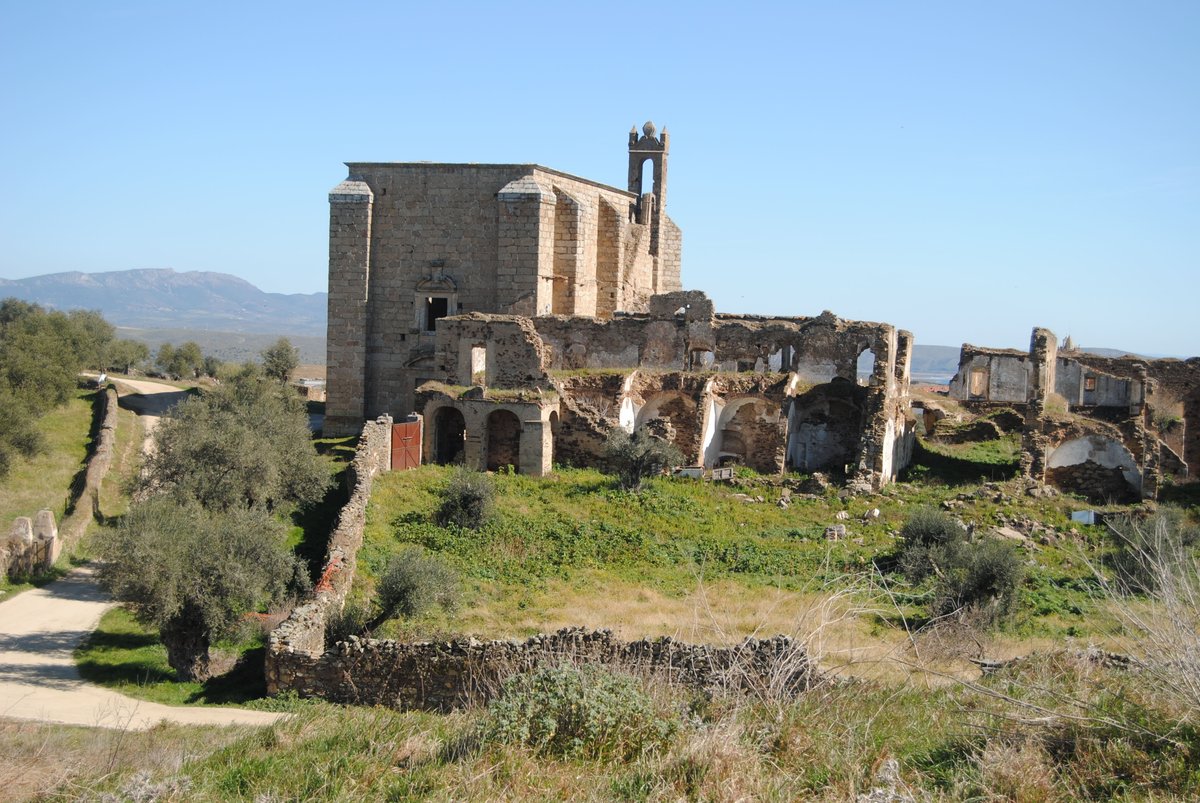
Following this period, many works were carried out during the 18th and 19th centuries. Plans by the engineer Juan de Subreville reflect expansions of the fortress, and notes in those plans indicate the castle was in a bad state due to past wars. The reconstruction was carried out between August 1765 and June 1766 based on the plans of Martín Gabriel, which show the church of Rocamador finally incorporated within the inner walls.
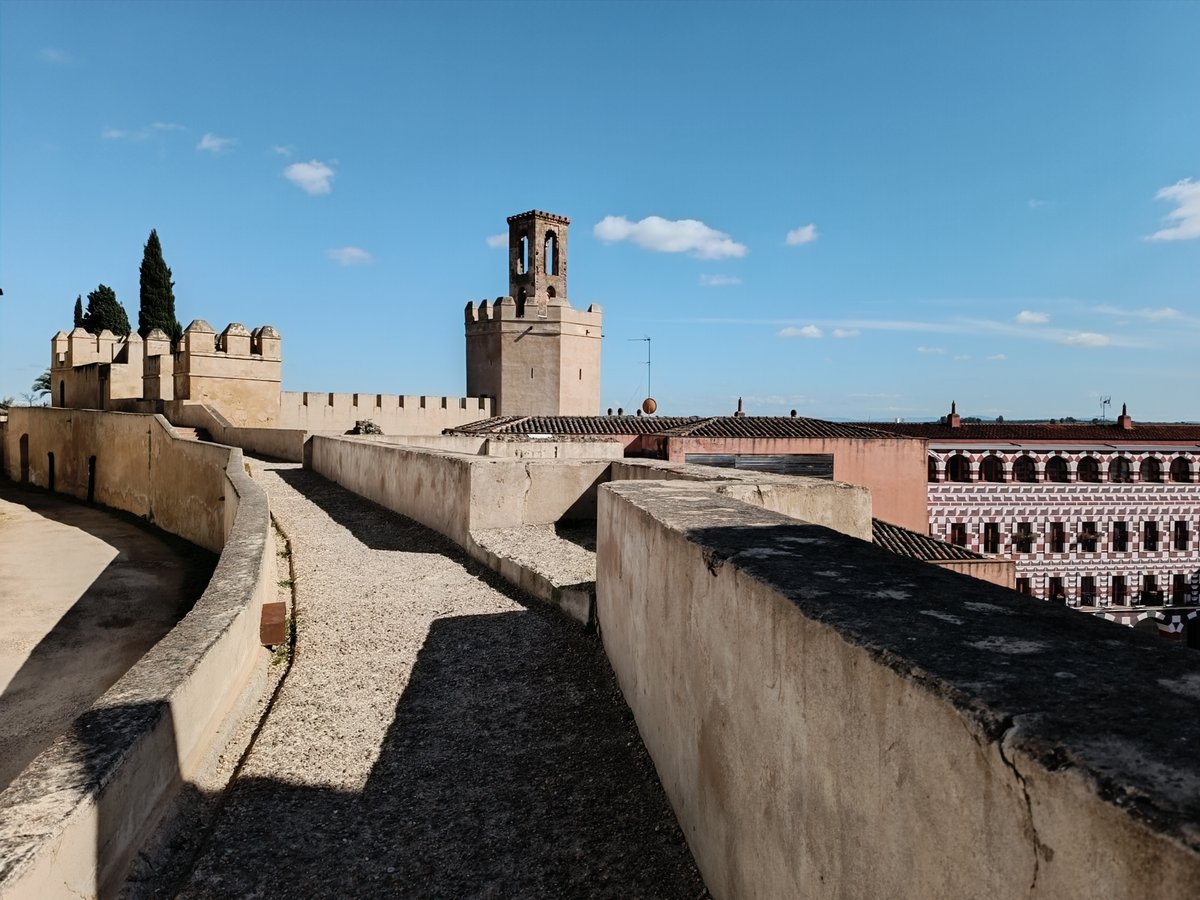
Today, the fortress maintains its position in the high ground of the town. We encourage you to trace the structural layers, such as the Torre del Caracol located near the main gate. The layout remains a permanent record of the era of Carlos III, specifically when the church of Rocamador was finally included inside the walls.
Sources: Wikipedia, OpenStreetMap, Wikidata, Wikimedia Commons

Written by Nik Frost
Discuss this with the author and others
No comments yet. Be the first to start the conversation.