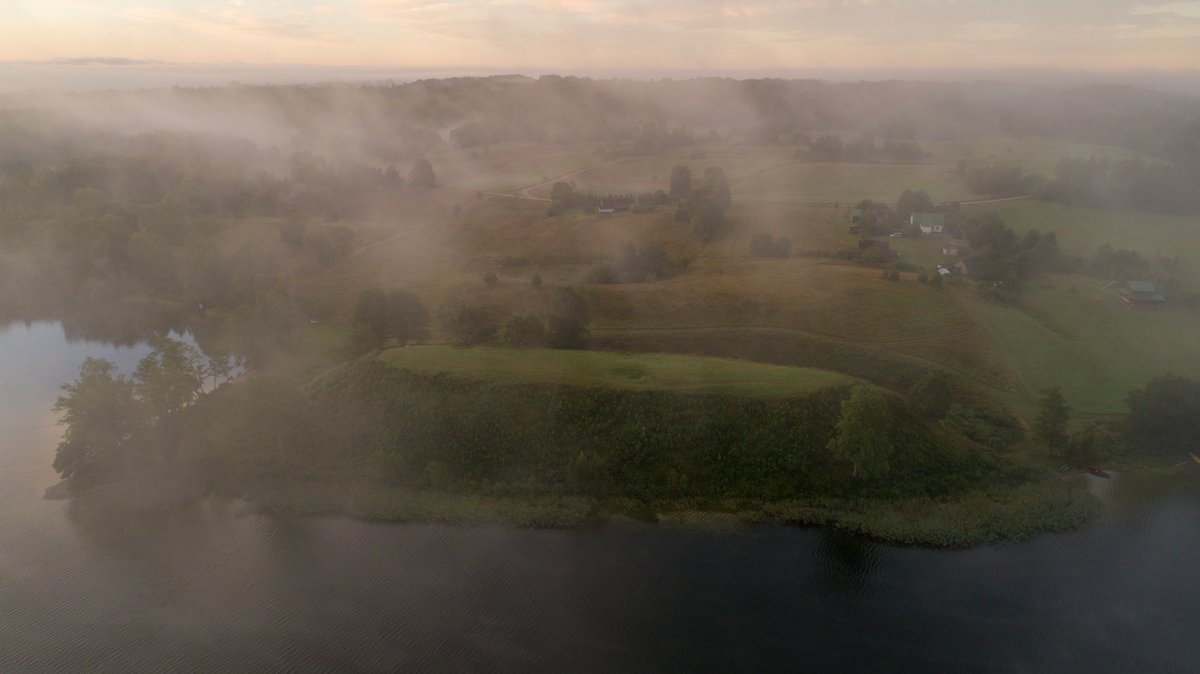

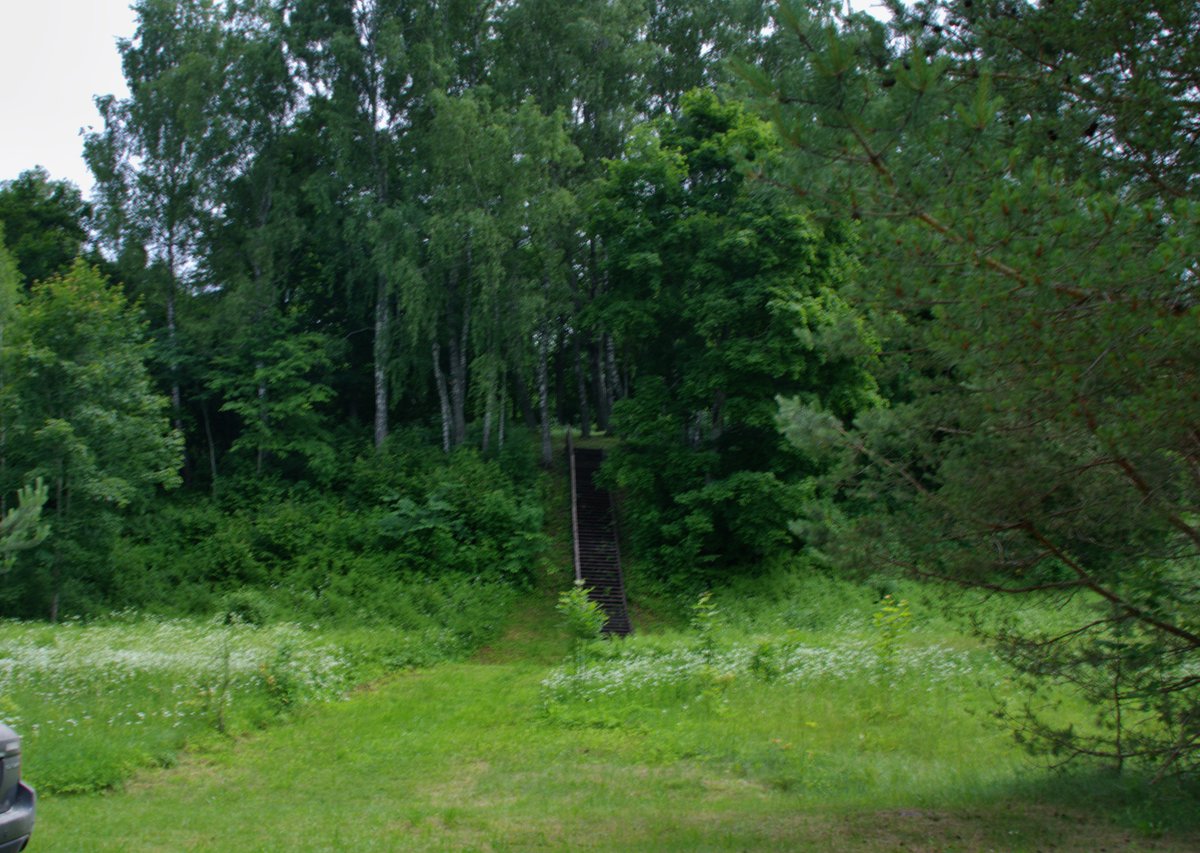
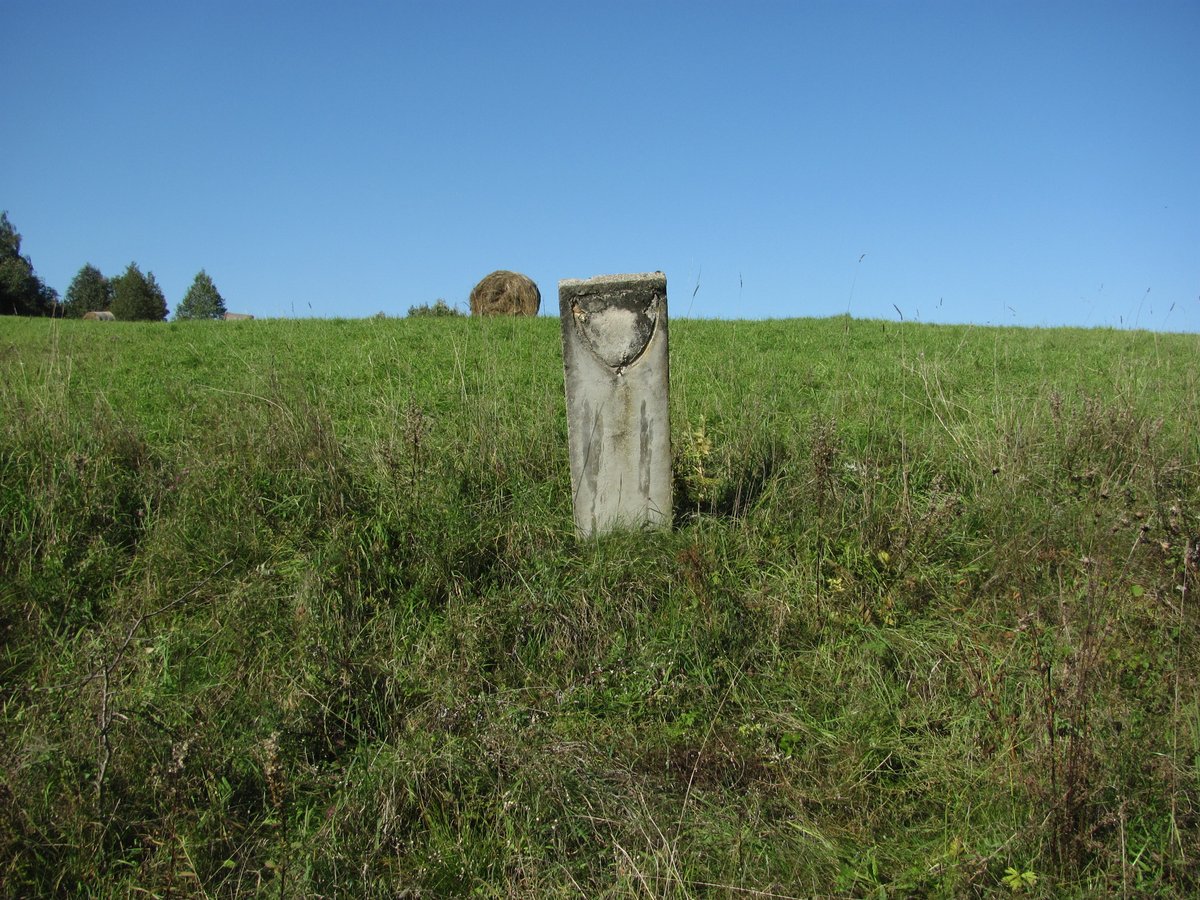
Taurapilio piliakalnis is a fortified hillfort located on the shore of Lake Tauras in the northern part of Taurapilio village. It is surrounded by water on three sides, with defensive structures guarding the fourth. The site features a trapezoid-shaped courtyard measuring 90 meters long, with embankments rising 1 to 6 meters high and slopes reaching 13-14 meters tall. A 220-meter long ditch with a 10-meter wide bottom provides further defense.
Archaeological excavations on the surrounding slopes have revealed a settlement dating from the 1st millennium to the middle of the 15th century. Findings from the site include a clay spindle, as well as pottery of various qualities - coarse, rubbed, smooth, and hard - along with clay mortar and iron rings. The site also contains a 5th-6th century burial mound located 500 meters from the main fort.
Historical records mention Tauragnų pilis in 1373 and again in 1375 and 1387. In the early part of 1433, the castle was burned by the Livonian Order. Today, the site remains a significant archaeological landmark where the history of the inhabitants meets local folklore. According to legend, a large oak once stood on the hill and a church was built in its place before disappearing. Local myth claims that on St. John's Night at midnight, a ruined church with wailing organ pipes appears for one second for those with a good eye to see.
Sources: Wikipedia, OpenStreetMap, Wikidata, Wikimedia Commons
Written by Nicolo Ciampini
Discuss this with the author and others
No comments yet. Be the first to start the conversation.