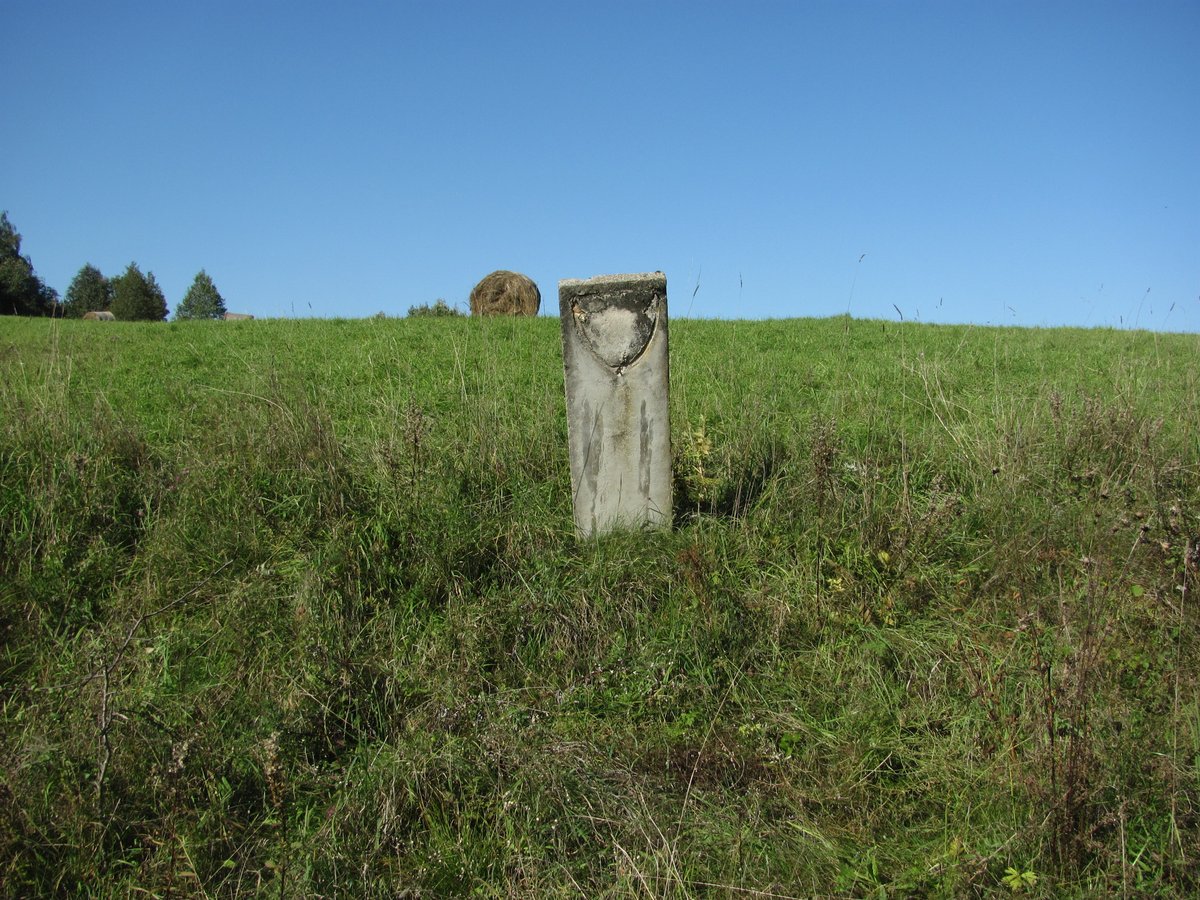
Kalviai hillfort, known locally as Pilalė, sits under the gaze of Utena in Lithuania's Aukštaitija ethnographic region. The hillfort is notable not just for its location on the left bank of the Šventoji River, but also for its unique wooden sculpture. The site's defining feature is a triangular platform, oriented north-south, enclosed by a defensive embankment and a deep ditch. This structure stretches 102 meters and measures 5-8 meters in width. The land, partially damaged by plowing, attests to the ancient Curonian settlement. Registered as a cultural heritage site in 1992 (identification number 3245), excavation was performed in 1970 by the Lithuanian History Institute, with the findings safeguarded by the Lithuanian National Museum.
Sources: Wikipedia, OpenStreetMap, Wikidata, Wikimedia Commons
Written by Nicolo Ciampini
Discuss this with the author and others
No comments yet. Be the first to start the conversation.