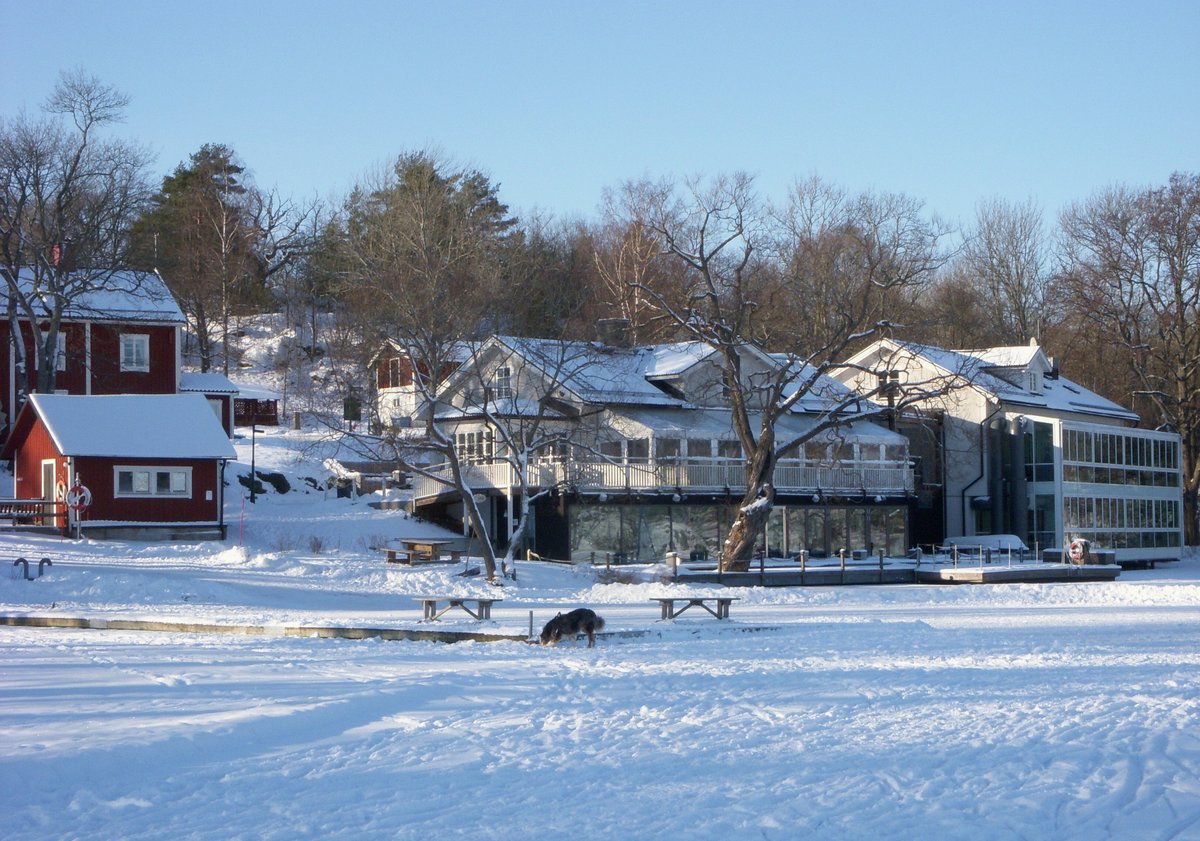

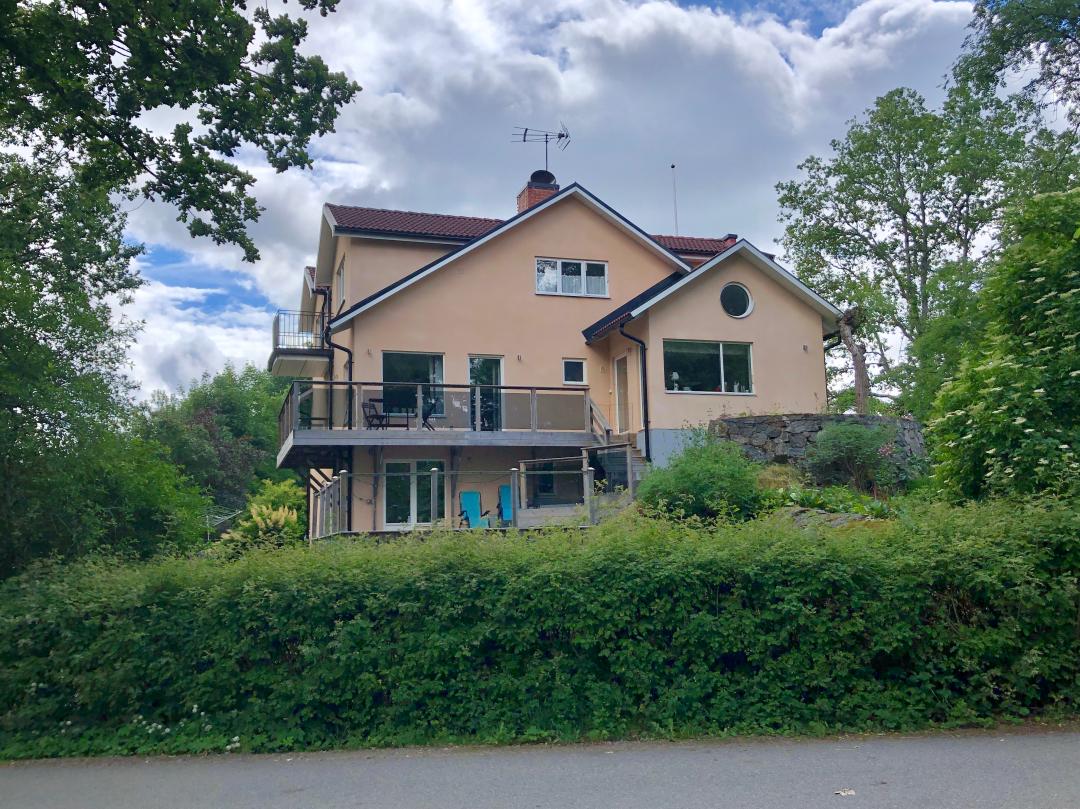
We begin our journey with Sundby gård, a medieval offshoot of the Gladö estate. Its history is rooted deeply in the past, with its name first appearing in records as early as 1331. In the 1600s, it became the new main manor of the estate. This site invites us to consider how a historic manor could gradually transform into a space for the entire community.
The site tells a story of long cycles of ownership and moments of sudden loss. In 1790, a dye manufacturer named Carl Gustaf Hoving gave the main building its final architectural form, a three-story structure with twenty-four rooms. We must look closely at the year 1941, when that grand house burned to the ground on the second day of Christmas. Today, only vague remains of the footprint are visible along the shore of Orlången, offering a quiet trace of the manor's former scale.
In 1971, Huddinge kommun opened the area as an outdoor recreation site, a move that preserved the rural landscape while inviting new uses for the land. We can see this evolution continuing today as the grounds host a riding school, boat docks, and various grilling spots. The site also houses the Litografiska museet, which opened in 2005. Public access remains well-established, and the area continues to serve as a community park for events.
For those who wish to explore the agricultural past even further, the local heritage society hosts annual events. These gatherings offer a deeper look at the history by opening nearby structures like the Stensberg cottage and a museum in the old magazine building. There is much more to discover about this enduring landscape.
Sources: Wikipedia, OpenStreetMap, Wikidata, Wikimedia Commons




Written by Nik Frost
Discuss this with the author and others
No comments yet. Be the first to start the conversation.