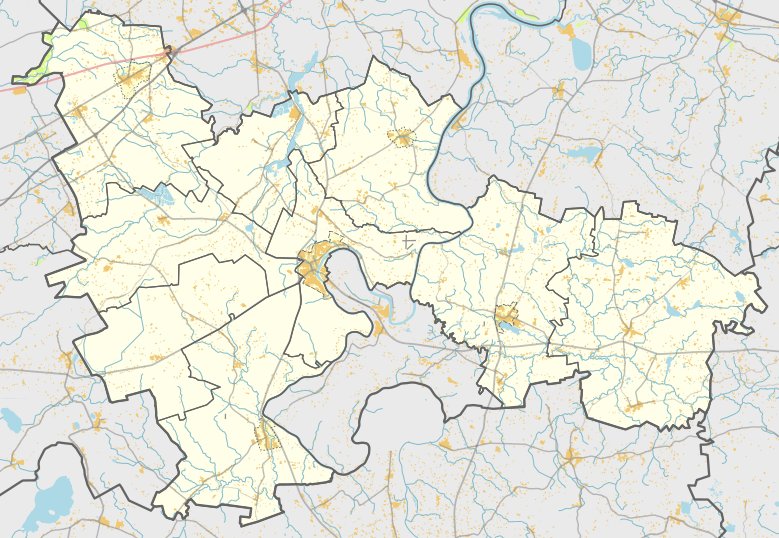

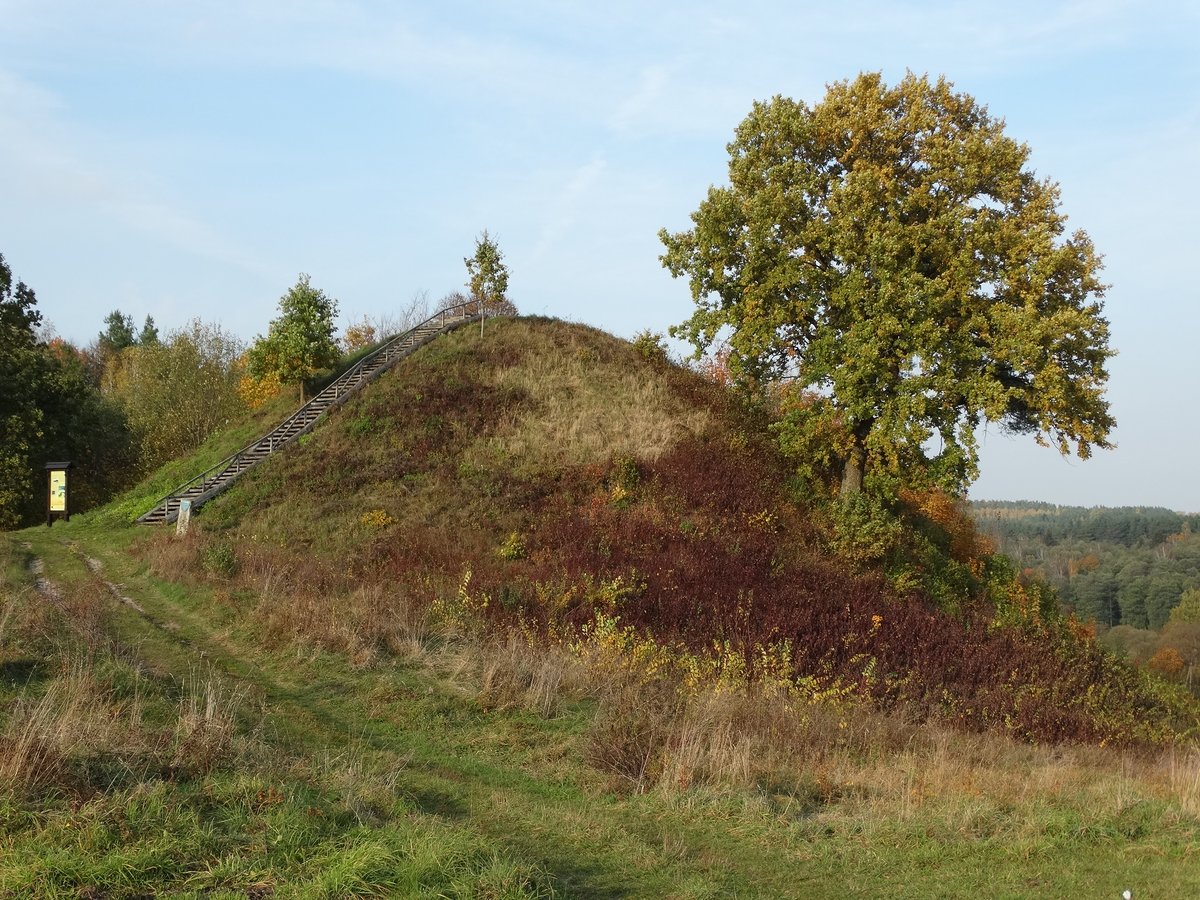
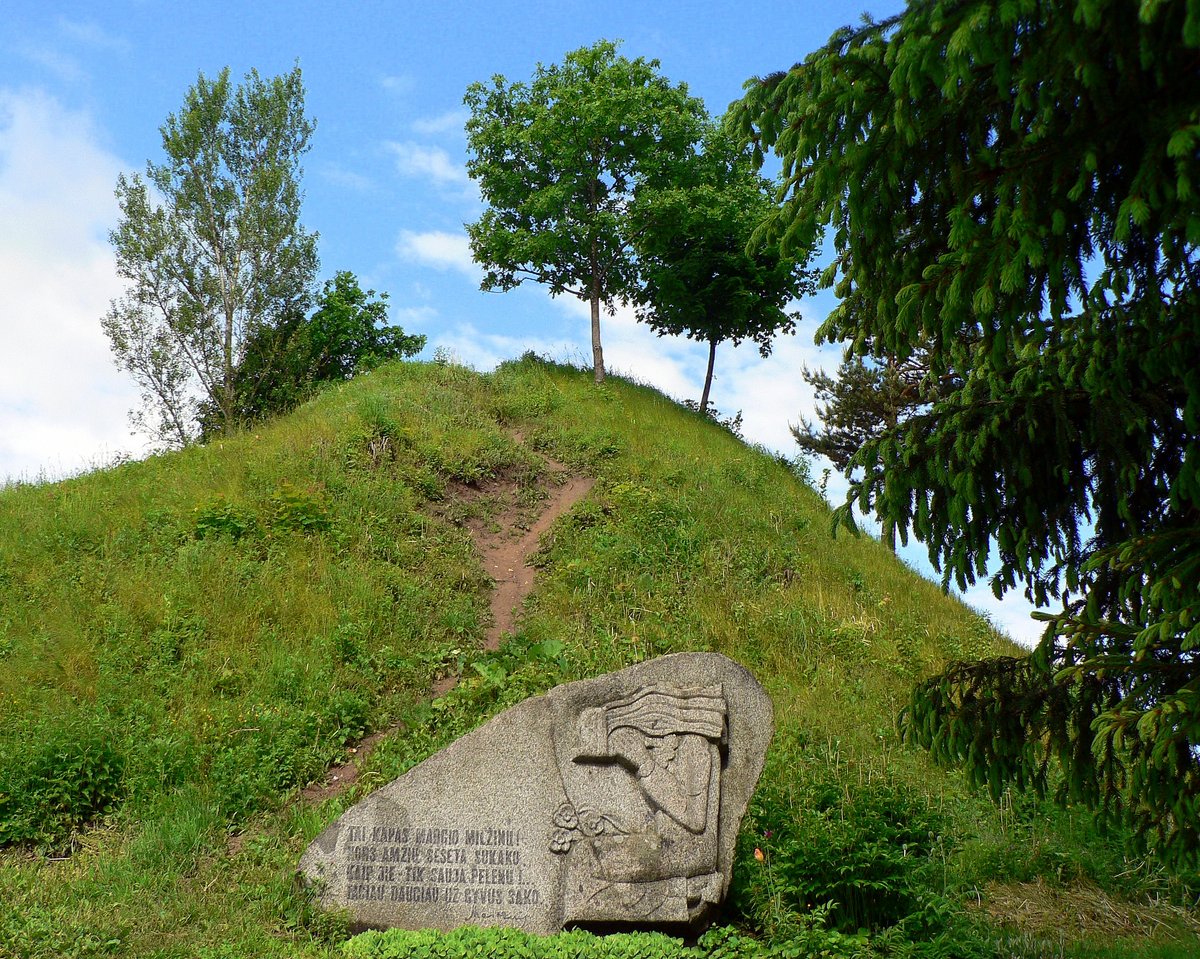
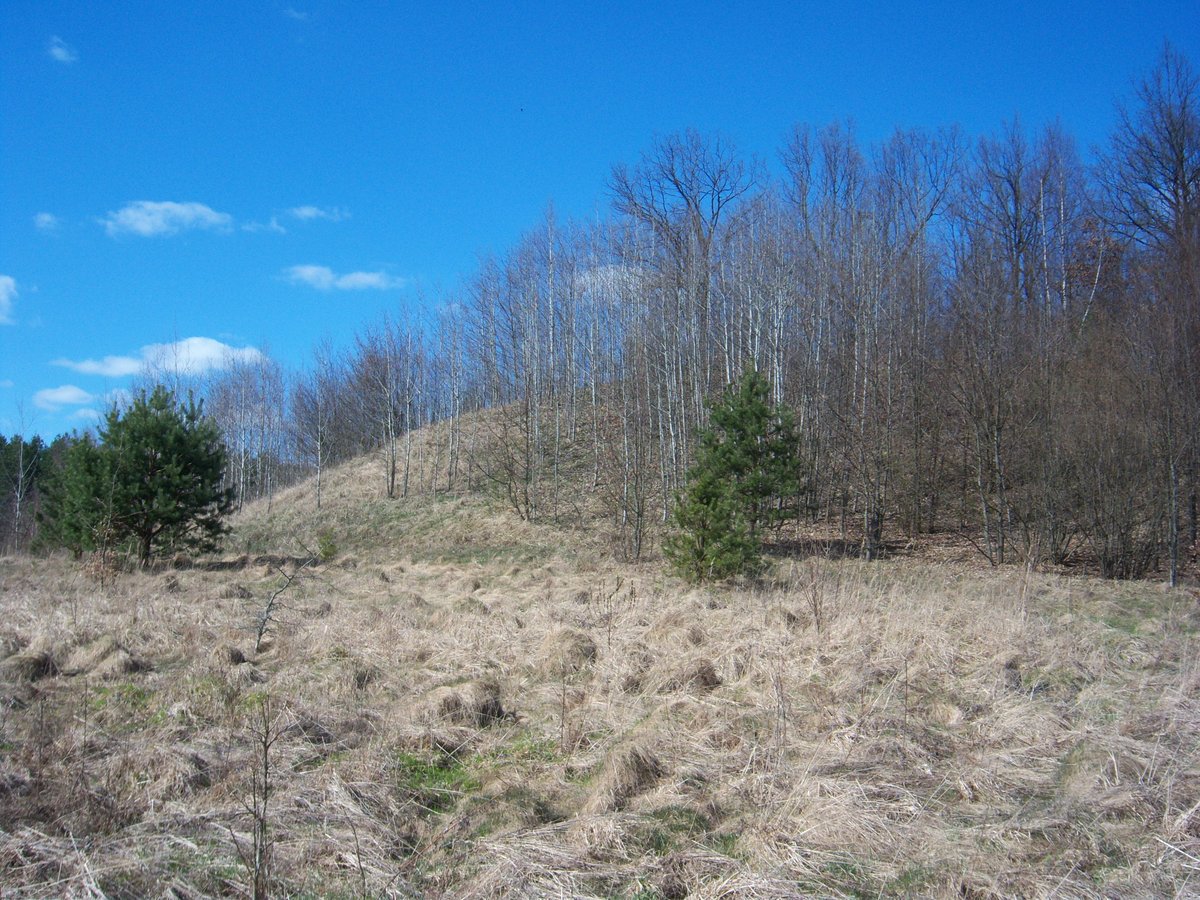
Located at the confluence of the Nemunas and Skardupis rivers on their left bank, Norkūnų II piliakalnis is a hillfort and settlement site. The archaeological site is situated approximately 750 meters east of the first Norkūnai hillfort. While the area was once washed by the Skardupis, only a 45-meter long and 5-meter high earthen embankment remains on its western side. Its collapse into the river was halted in 2002.
Archaeological research reveals that the fortification was reinforced at least 3-4 times and repaired 6-7 times. The first embankment dates to the first millennium BC, standing 2 meters high and constructed from sandy soil stabilized with wooden stakes and stones. During the middle of the first millennium, a 1-meter thick layer of earth was added, secured by stakes 15-20 cm in diameter and topped with stones. The final fortification phase included up to 1.5 meters of sandy soil and a wooden defense structure, of which only charred remains persist today.
Excavations near the hillfort and at its eastern edge have uncovered diverse artifacts. A nearby settlement dating from the 3rd to the 8th centuries featured household pits, hearths, and items such as iron knives, axes, and ceramics. Beneath the hillfort's embankment, researchers discovered a Paleolithic cultural layer, indicating human activity in the area long before the fortification was built. The site is dated from the first millennium to the beginning of the second millennium.
Sources: Wikipedia, OpenStreetMap, Wikidata, Wikimedia Commons
Written by Nicolo Ciampini
Discuss this with the author and others
No comments yet. Be the first to start the conversation.