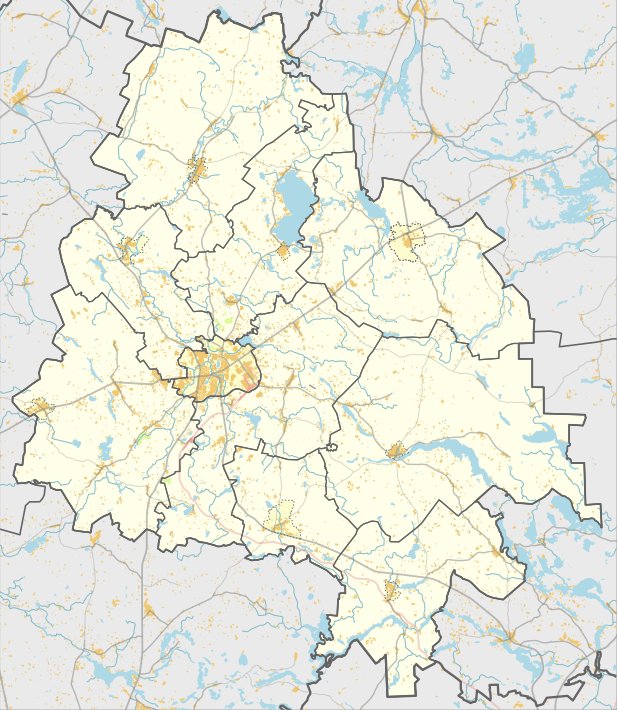
Maneičių piliakalnis, secreted in Sudeikiai, Utena district, Daugailiai seniūnija, and registered until December 19, 2005, is a distinct archaeological site. Nestled 150 meters east of Alaušo lake, its square shape spans 150 meters east. The site features a four-sided square, with dimensions of 30x18 meters. Evidence of burnt and baked ceramics can be found within the site. Protected by a 0.4-meter-high wall, 6 meters wide, the site is encircled by fences and barriers.
The archaeological site comprises several platforms. Two meters below the site wall, there is a 9-meter-wide terrace. Below that, there are several platforms with varying dimensions and heights. The most notable feature is a 1.5-meter-high protrusion, situated 1.5 meters above the third platform.
In the 19th century, the site had only 4 platforms: two large ones on the sides of the site's platform, smaller ones in the corners. From the eastern side, there was a 6.5-meter-wide opening to the site, safeguarded by 23 meters long, 1.4 meters high walls.
The archaeological site was examined by the Institute of History in 1958 and 1970. Archaeological finds, such as burnt and baked ceramics, were unearthed during studies in 1996 and 2005.
Sources: Wikipedia, OpenStreetMap, Wikidata, Wikimedia Commons
Written by Nicolo Ciampini
Discuss this with the author and others
No comments yet. Be the first to start the conversation.