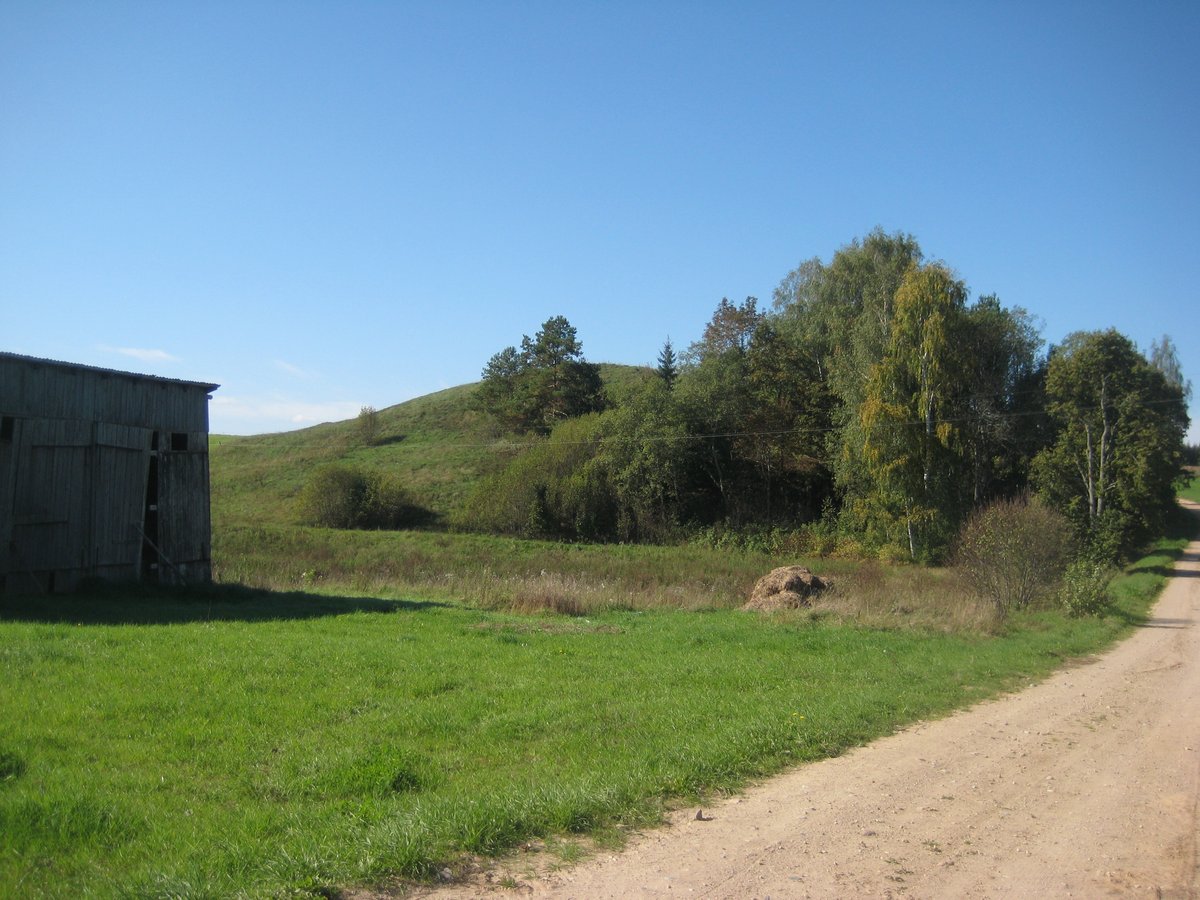
Bikūnų II piliakalnis, located south of Bikūnų, is an archaeological site dating back to the Mesolithic period, around 10,000 BCE. The site was discovered in 2001 by Dalius Ribokas, who also published a report on the findings in 2002. The second Bikūnų piliakalnis is located in a separate hillock, approximately 2.4 kilometers south of the first Bikūnų piliakalnis. An area of 73.25 m² was excavated in the southern part of the second Bikūnų piliakalnis. An iron smith’s probe was found in the excavation, along with ceramics and finds dating from the 15th to 16th centuries. The second Bikūnų piliakalnis is not yet confirmed as a Neolithic settlement. It is registered under Lithuania’s Cultural Heritage Register, number AV1682.
Sources: Wikipedia, OpenStreetMap, Wikidata, Wikimedia Commons
Written by Nicolo Ciampini
Discuss this with the author and others
No comments yet. Be the first to start the conversation.