New Britain developed relatively late in the mid-19th century as an industrial center specialized in precision manufacturing. Unlike other industrial cities in the state, it was not located along a major waterway. By the end of the 19th century, it was one of Connecticut's most ethnically diverse and prosperous cities, and its downtown reflects this history.
Downtown New Britain was the commercial and civic heart of the city. While industrial facilities eventually moved toward transportation routes like railroads and horse-drawn trolleys, workers, management, and leadership maintained a presence in the downtown. The city was incorporated in 1871, and the downtown area includes a number of churches built in the 19th and early 20th centuries to serve a diversity of immigrant groups and religious views.
Prosperity continued until after World War II, when shifts in transportation and living patterns led to a decline in the downtown area. It was damaged by several major fires in the early 1940. In the 1950s and 1960s, construction of the access highways prompted a population exodus and the razing of portions of the downtown area.
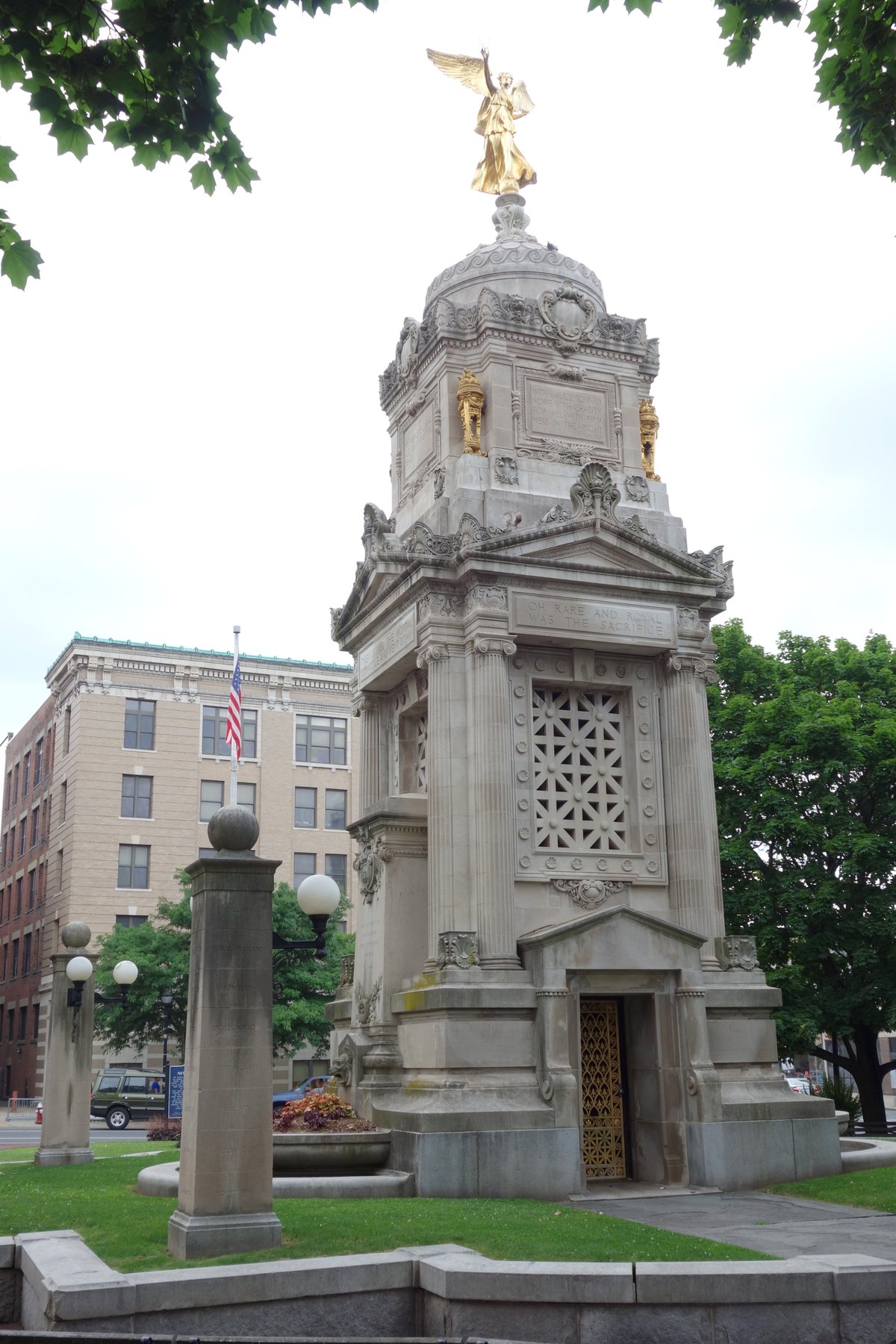
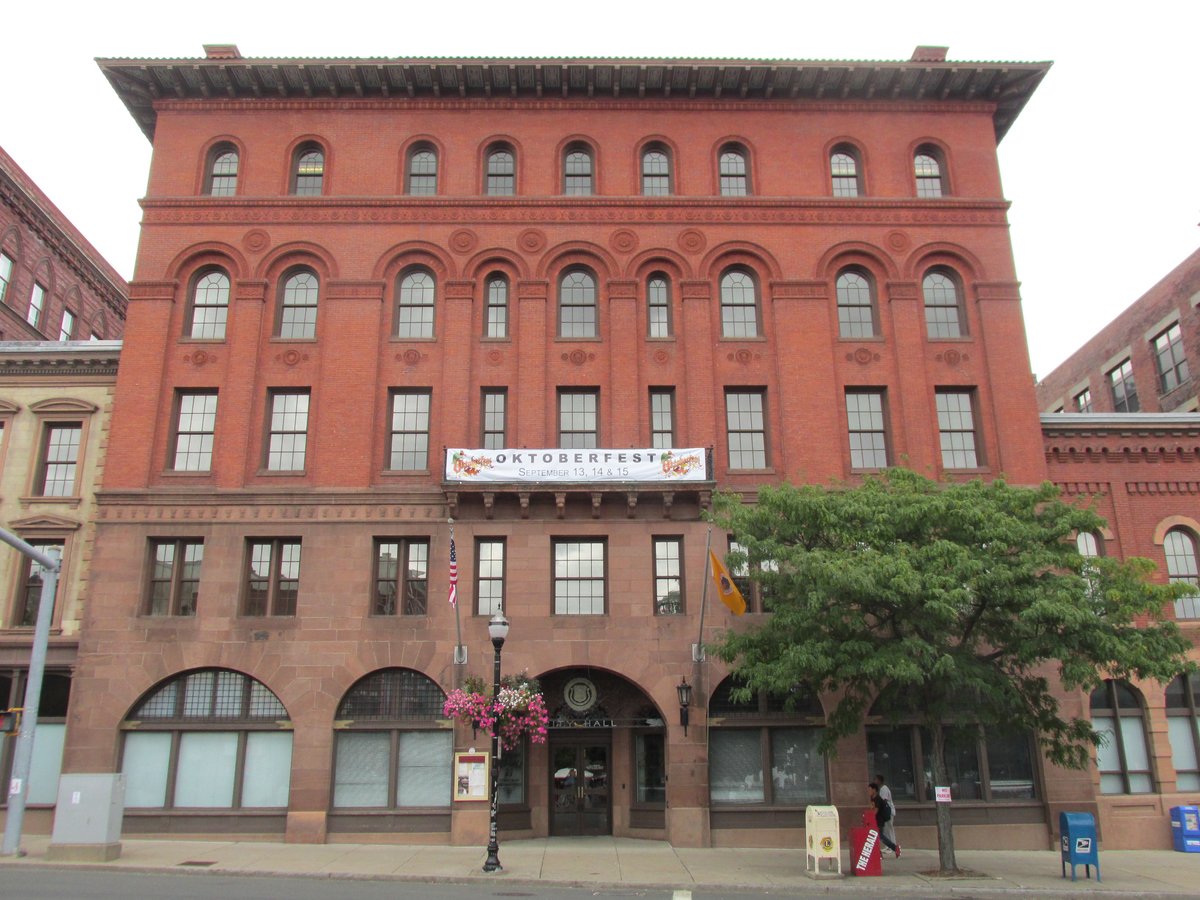
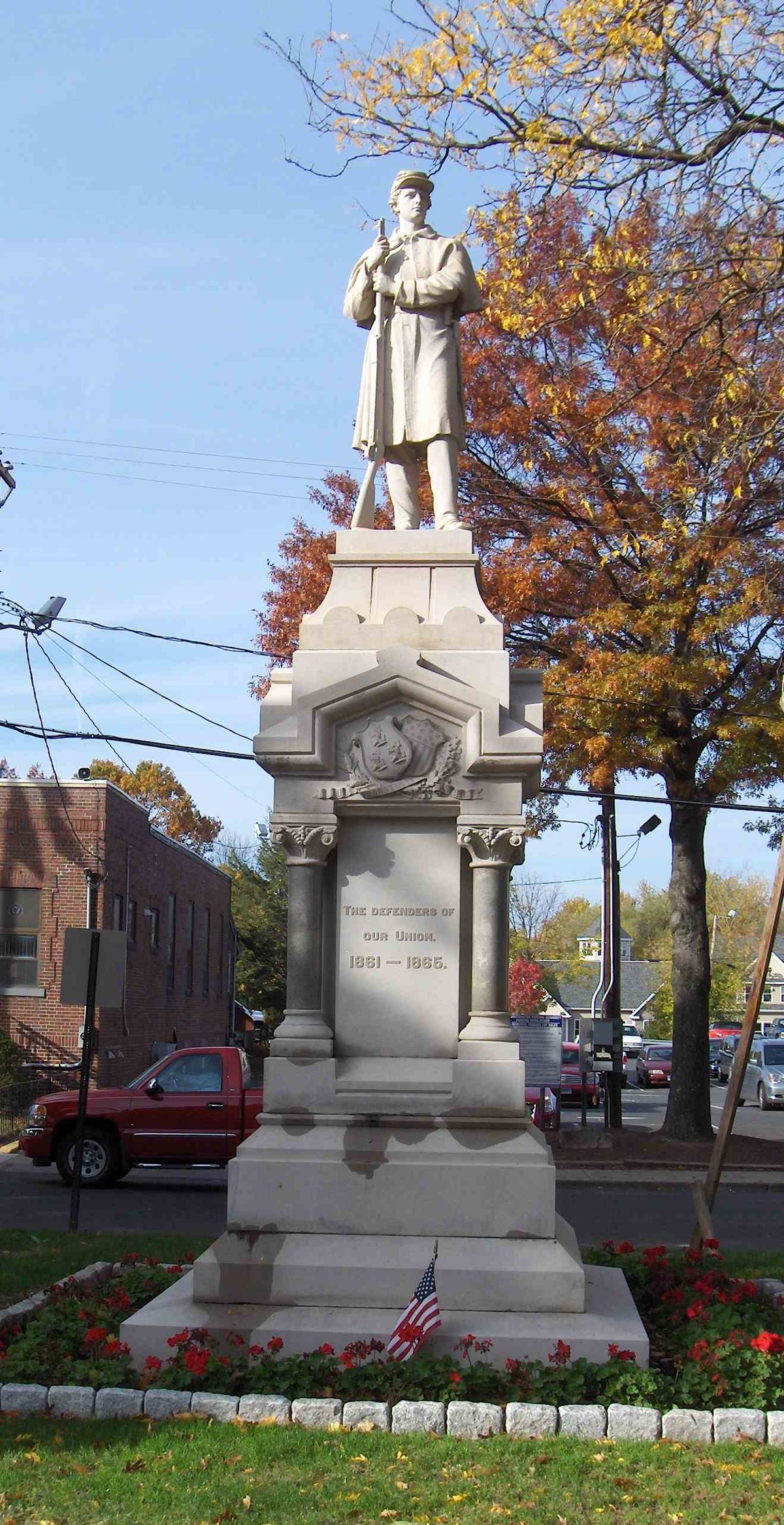
Since the 1970s, city leaders have sought to revitalize the downtown by repurposing its historic buildings and instituting a complete streets policy. The densest commercial development is located west of City Hall, and extending south on Main Street to Arch and Elm Streets. The Soldiers' Monument stands in Central Park, within a district listed on the National Register of Historic Places in 2016.
Sources: Wikipedia, OpenStreetMap, Wikidata, Wikimedia Commons
Written by Leroy
Discuss this with the author and others
No comments yet. Be the first to start the conversation.