
Newington Junction used to be the primary meeting point for the lines coming from New Haven, Bristol, and Waterbury. The development of Newington Junction as a result of the railroad was instrumental in the separation of the town of Newington from its mother town of Wethersfield.
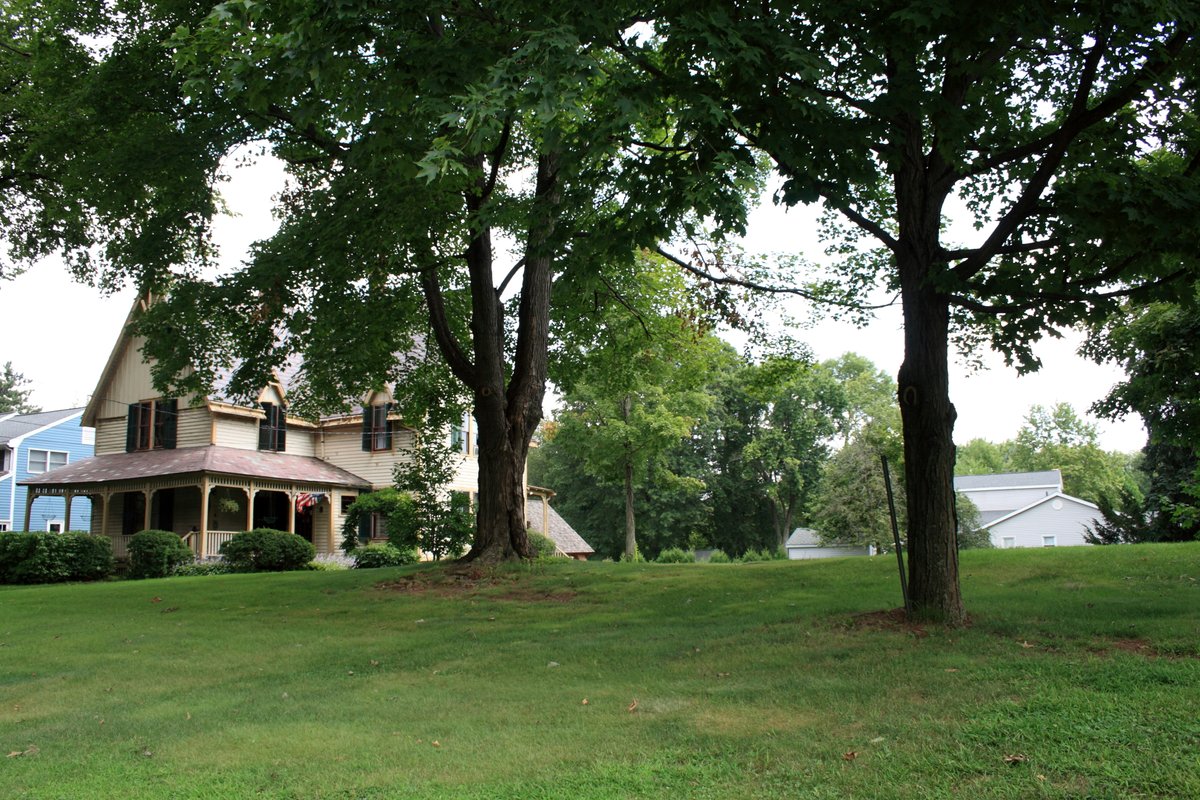
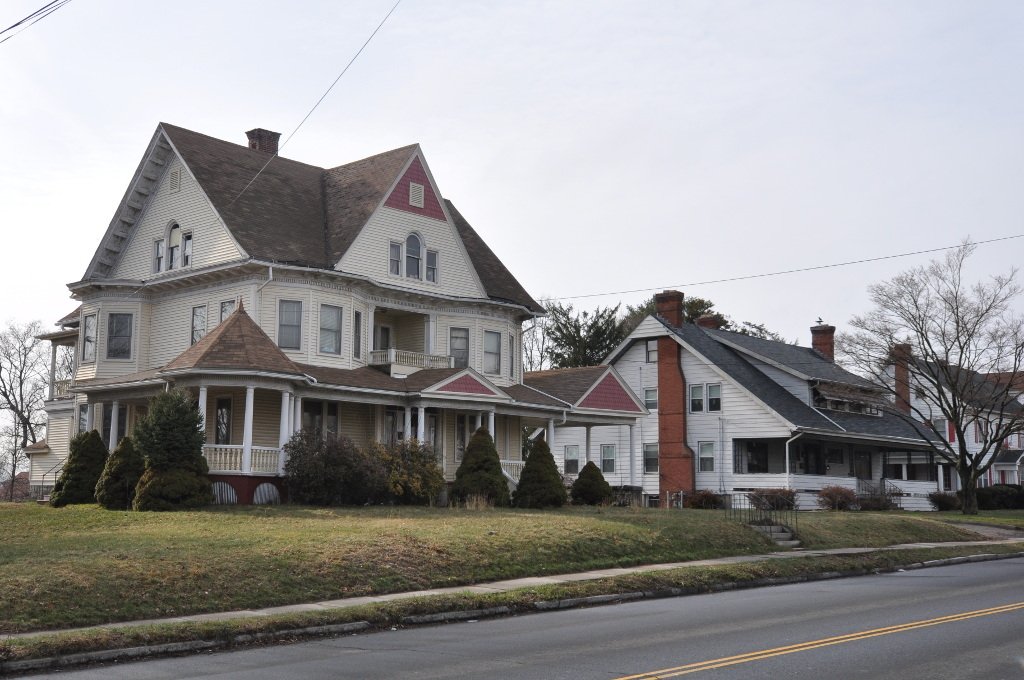
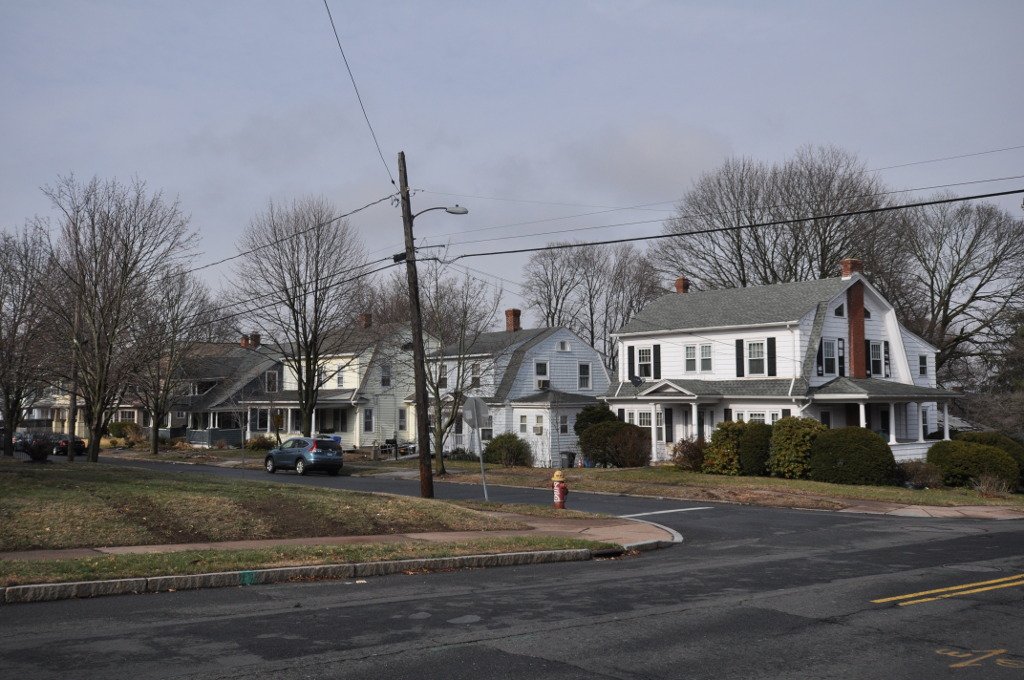
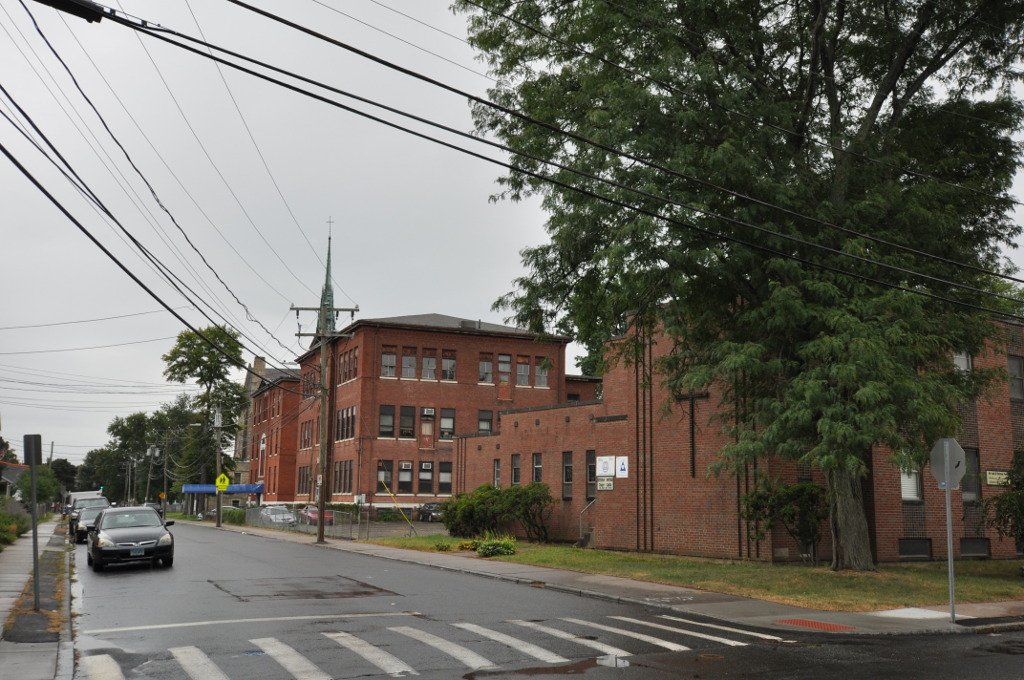
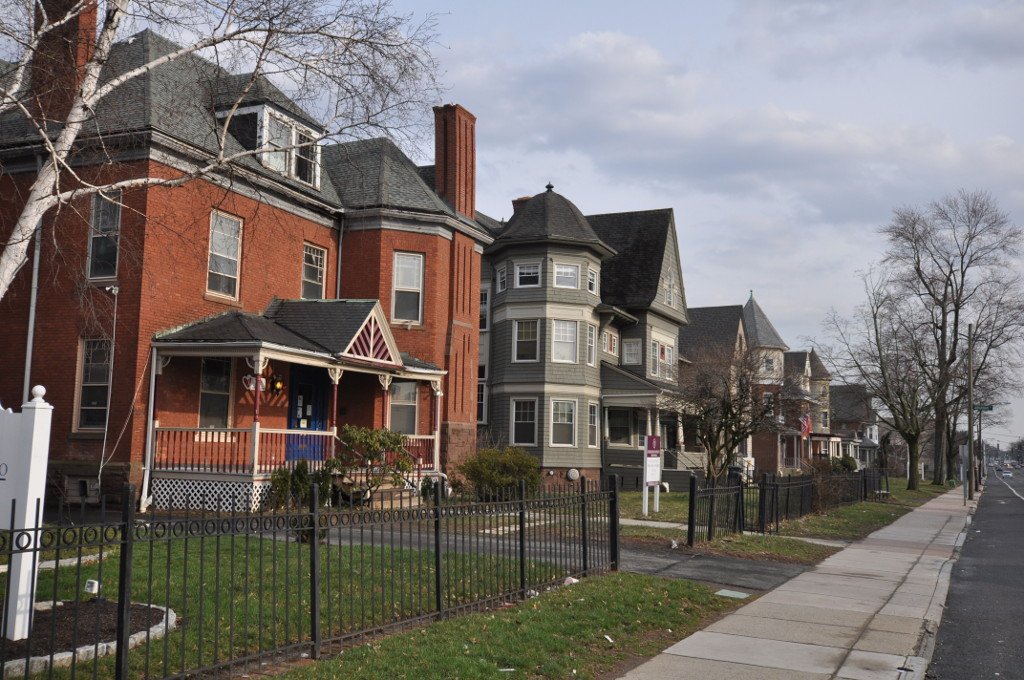
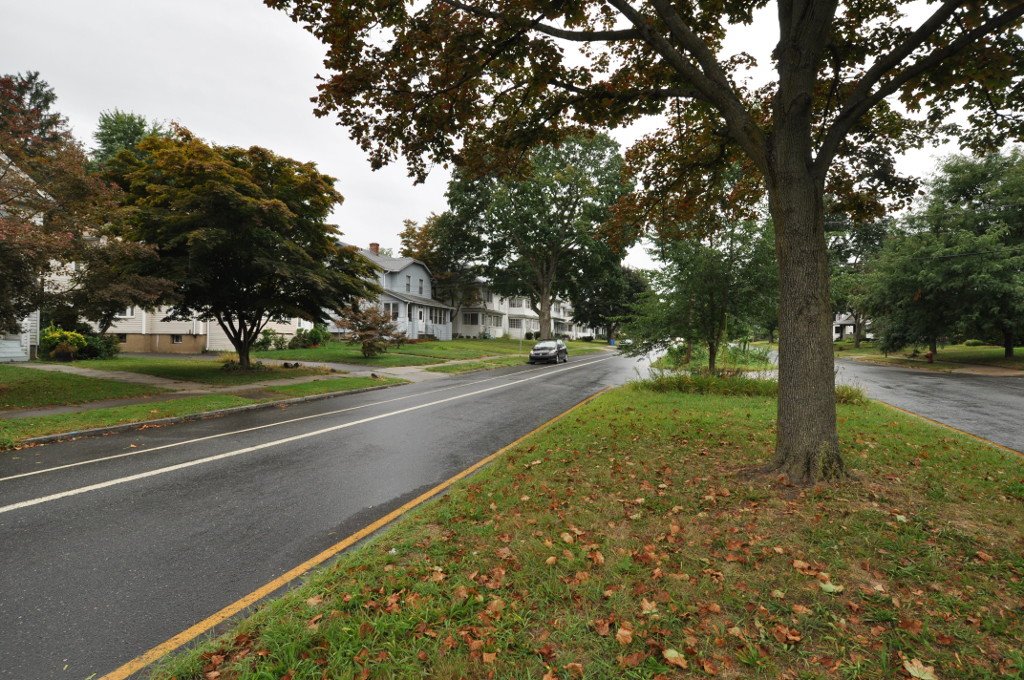
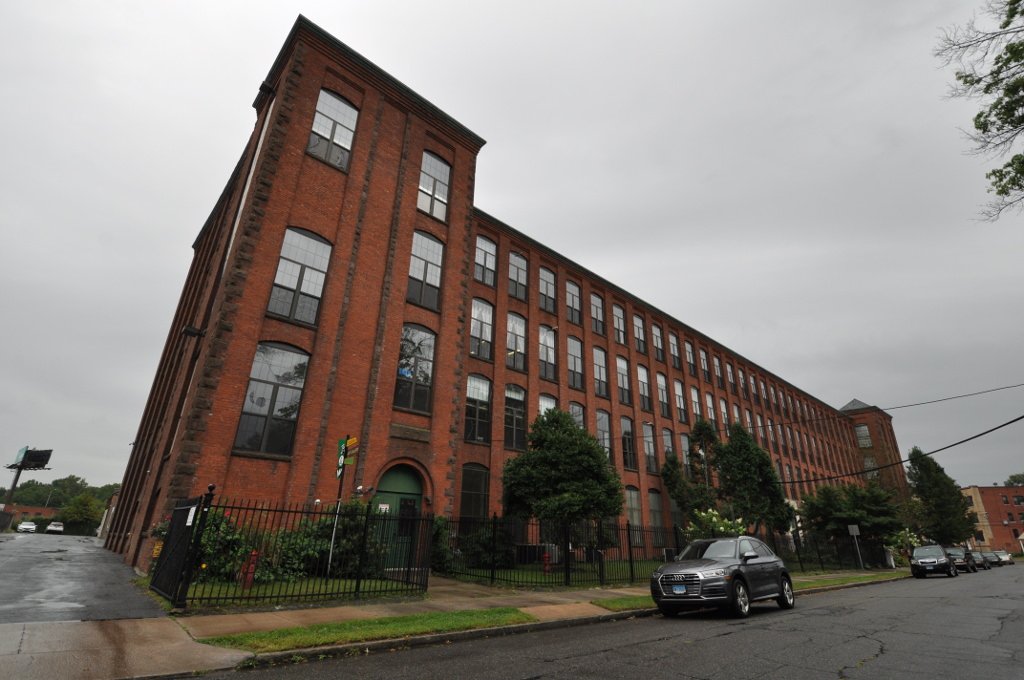
The area is also architecturally significant for the range of styles used in houses built during the period of significance. Because the central area is now surrounded by incompatible modern structures, the architecturally significant areas of the neighborhood have been grouped into three clusters, each designated as a separate historic district: Newington Junction South, North, and West Historic Districts.
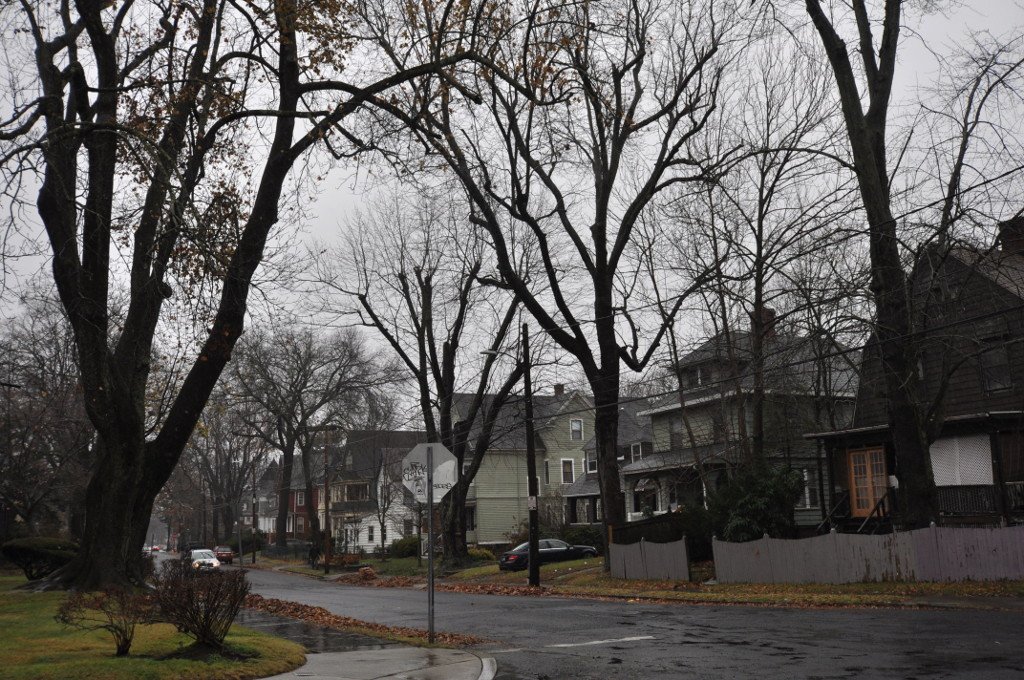
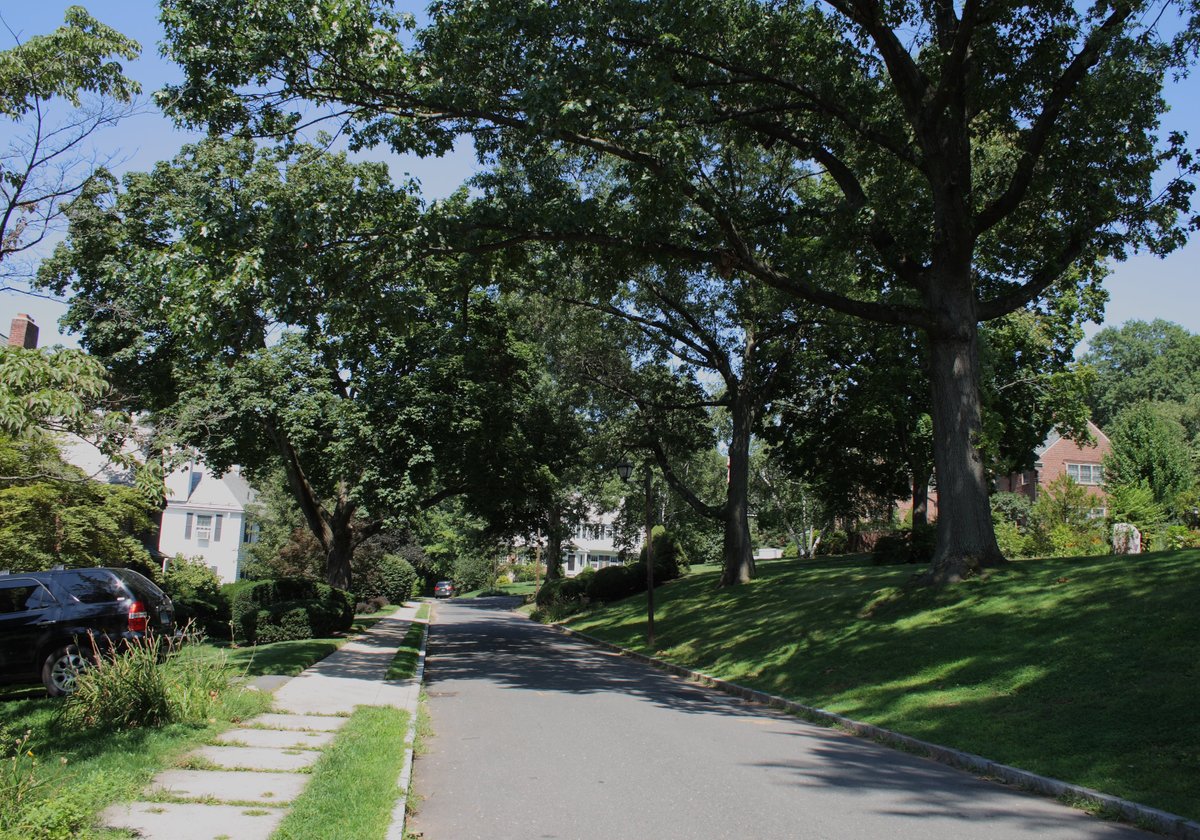
The North Historic District specifically features 13 contributing properties along Willard Avenue. It is a pocket of Colonial Revival, Late Victorian, and Queen Anne styles showcasing architecture from the period 1850–1949.
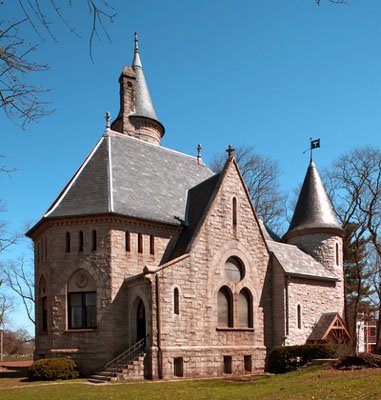
If you take a stroll on the North side, you can see these 10 acres of architecture that managed to survive the surrounding sprawl. The area also includes the Willard Homestead and the Newington Junction Railroad Depot, both of which are separately listed on the National Register of Historic Places.
Sources: Wikipedia, OpenStreetMap, Wikidata, Wikimedia Commons
Written by Friendly Jane
Discuss this with the author and others
No comments yet. Be the first to start the conversation.