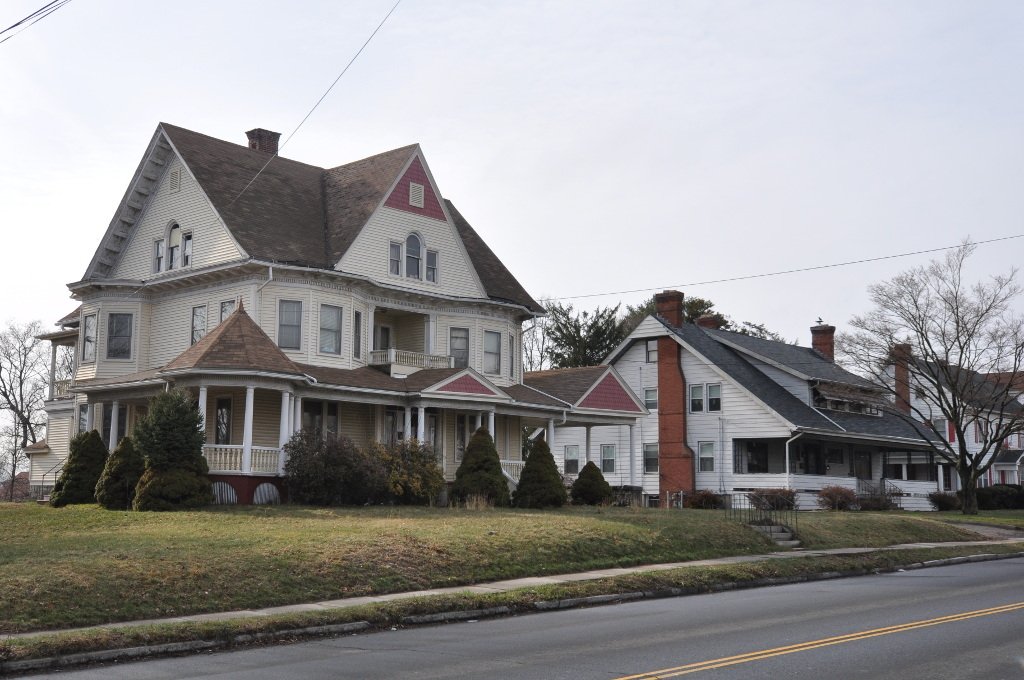
Fairfield Avenue started as rural farmland. It offered open views of the Connecticut River valley. That made the area attractive for development, as the city's growing upper class sought places to build country estates after the American Civil War.
George Fairfield was one of the first to move in. He was a former executive at the Colt Armory. He built a Second Empire house in 1866. He was influential enough to get the street named after him by 1870. Other high-style homes followed his lead.
Real expansion hit in 1890. The arrival of streetcar service changed everything. Development surged between 1890 and 1930. Builders like Newton Clark moved in to meet the demand. He left at least seven buildings in this district alone.
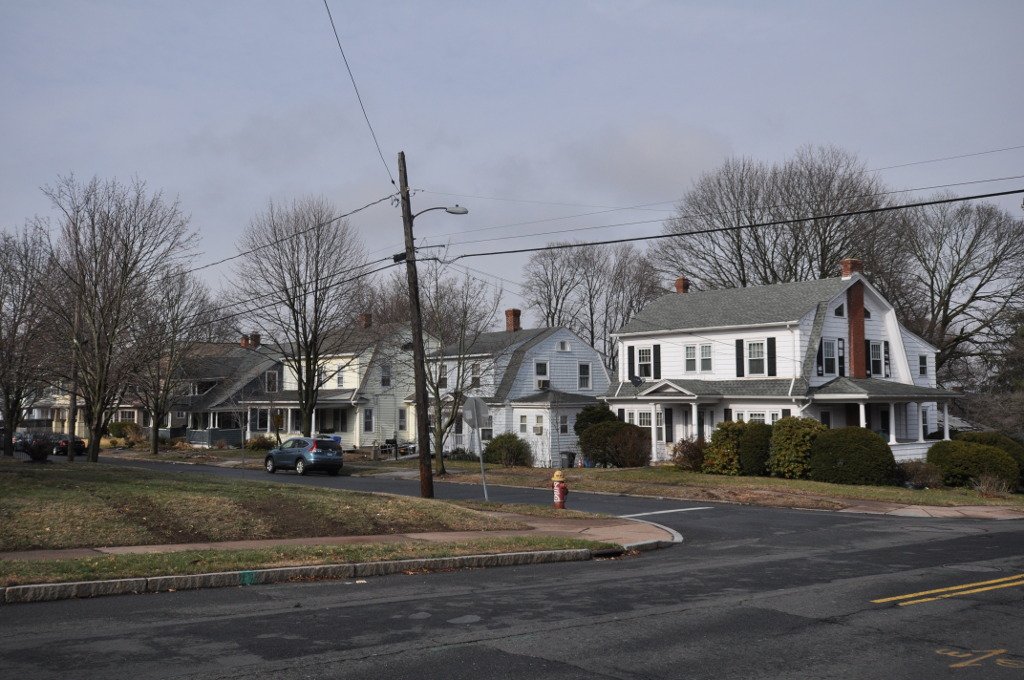
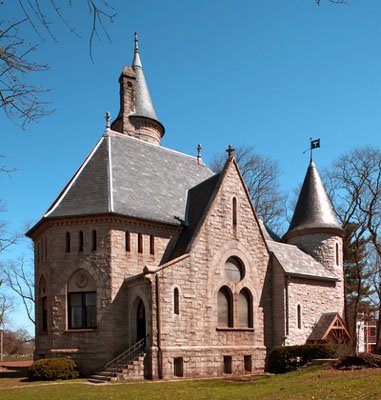
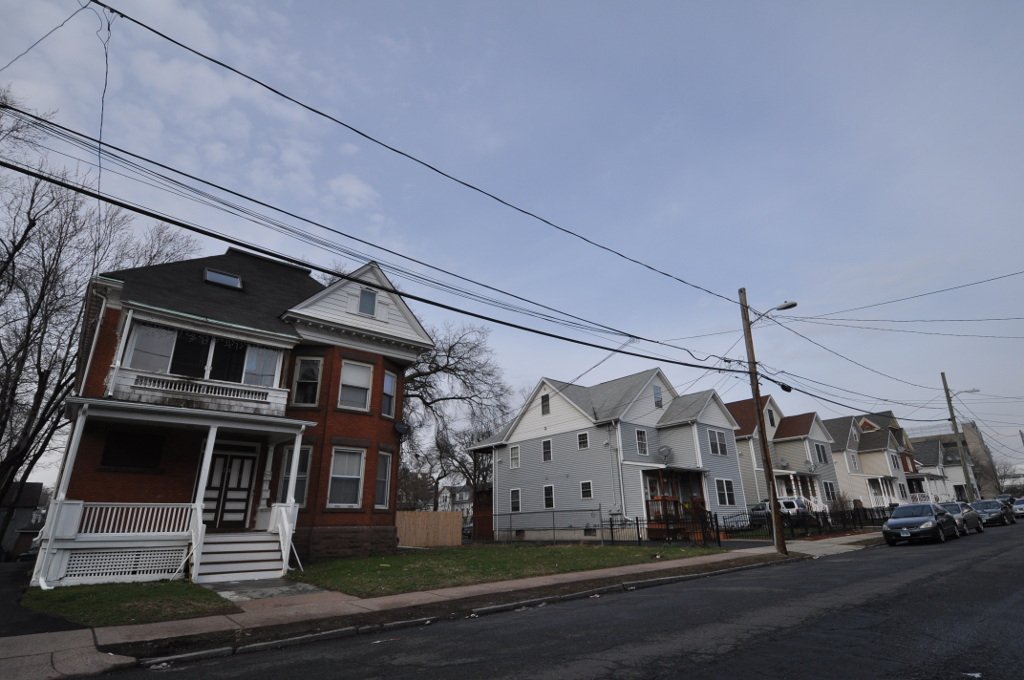
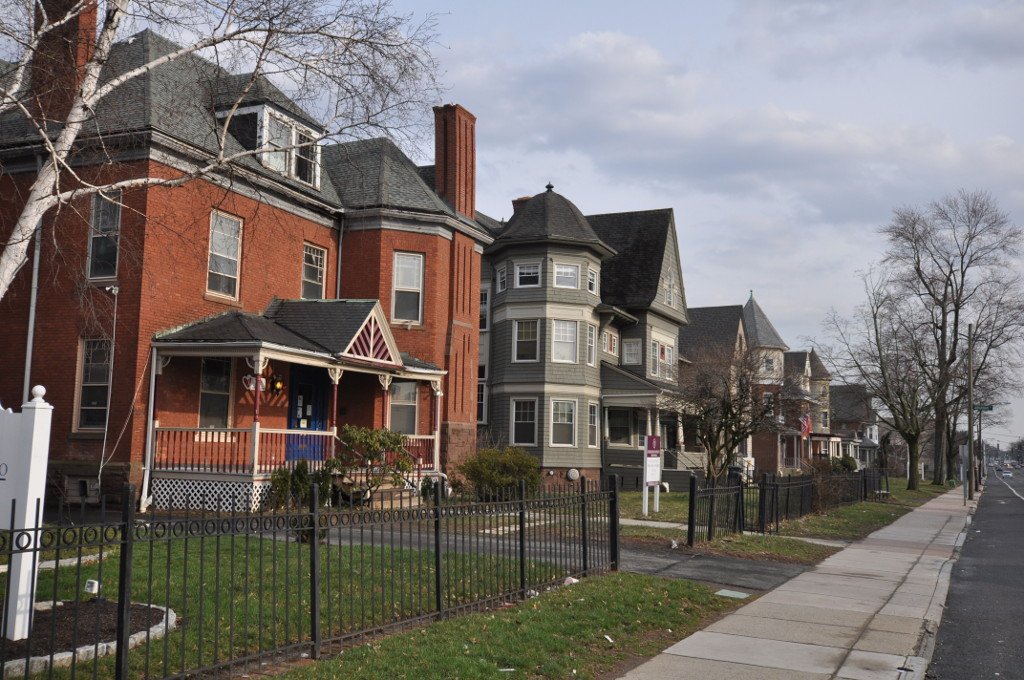
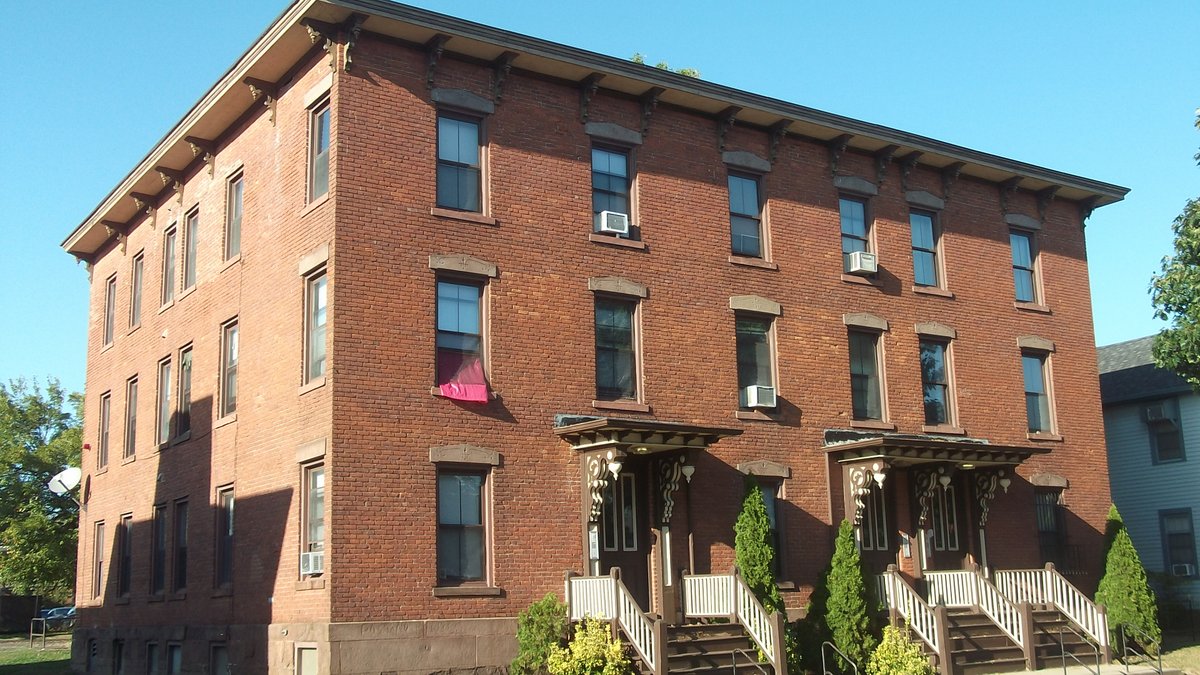
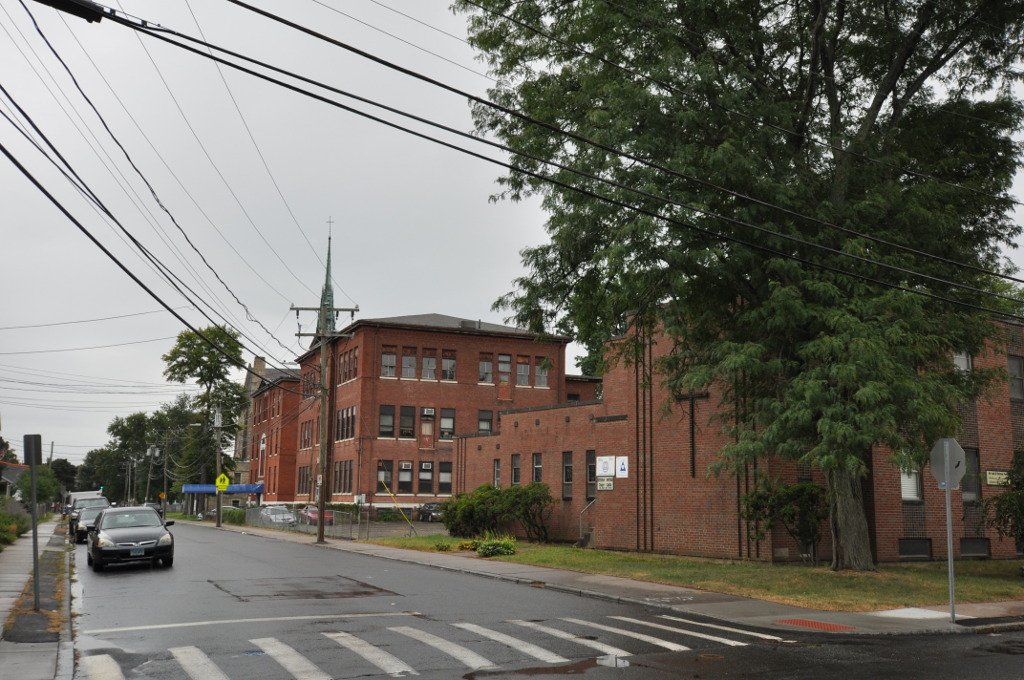
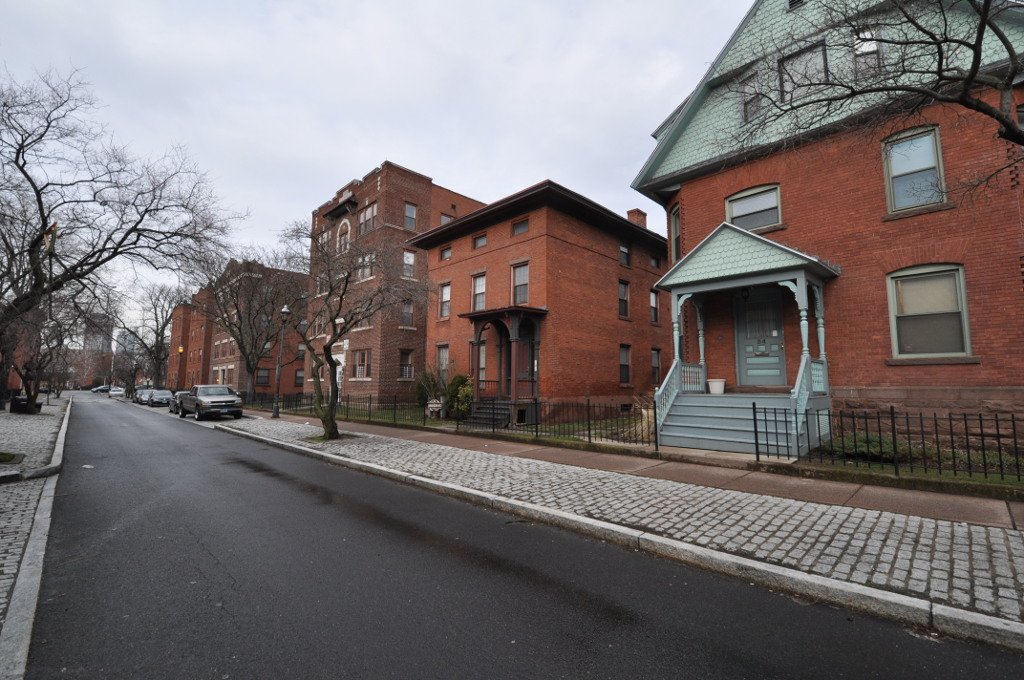
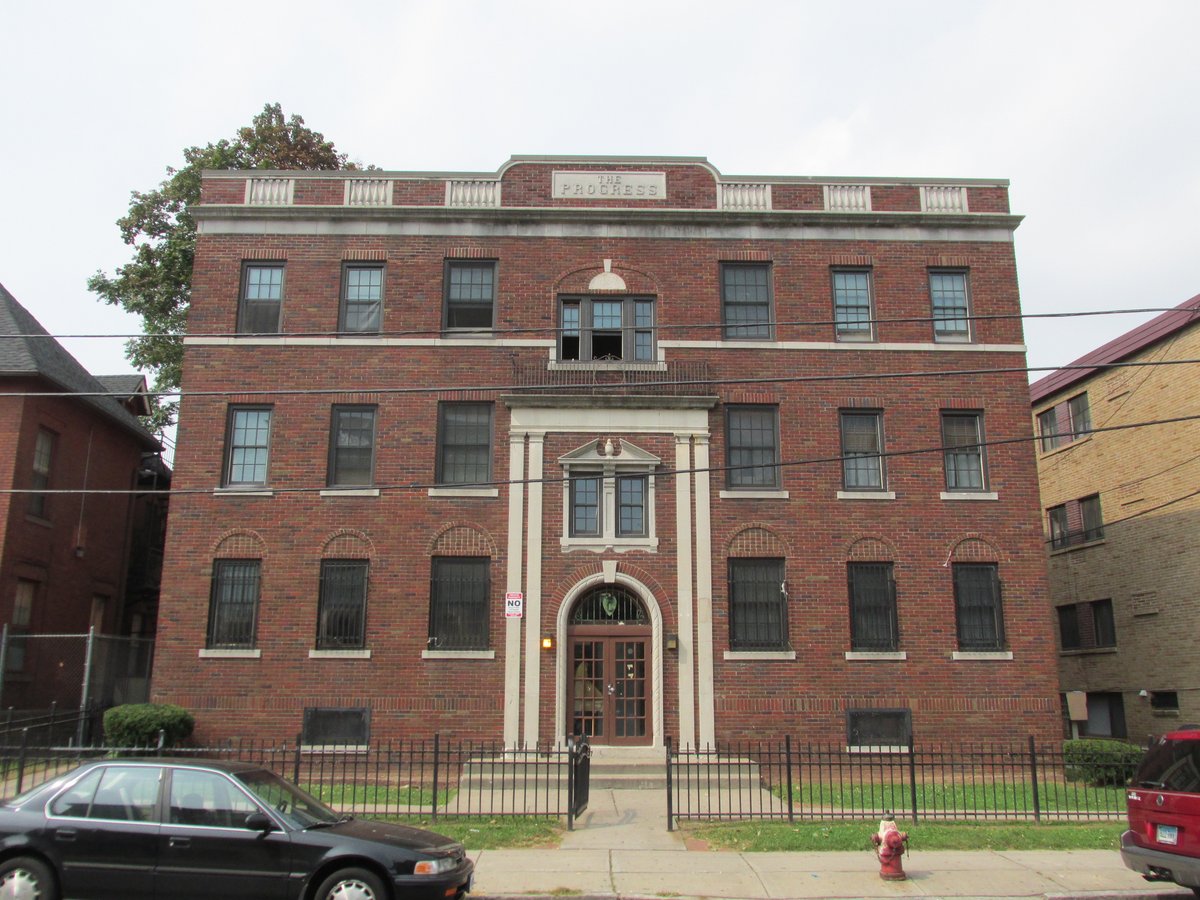
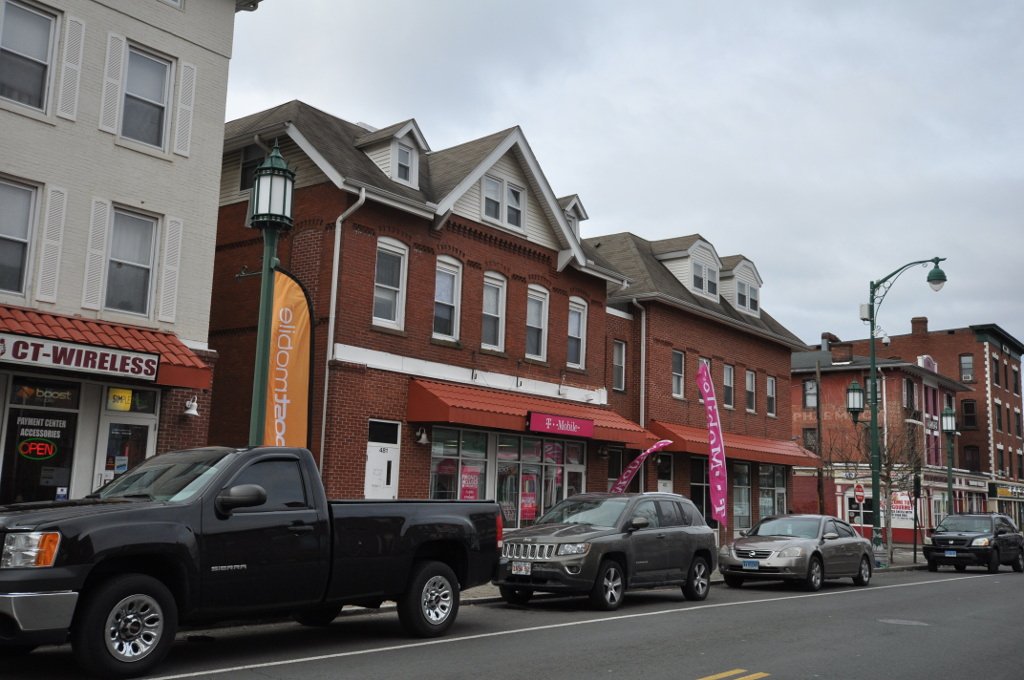
Today, the houses still stand between Trinity College and Cedar Hill Cemetery. Most of the properties are residential. You can still see the high-style architecture from the boom years. Hyland Park remains the largest exception to the residential rule.
Sources: Wikipedia, OpenStreetMap, Wikidata, Wikimedia Commons
Written by Leroy
Discuss this with the author and others
No comments yet. Be the first to start the conversation.